


Space Brief 7 Apr 2025
Today's highlights include new ESA Euclid data, upcoming Blue Origin flight, and multiple Starlink launches, delivering fresh satellite tracking opportunities.



Launch Date
September 16, 1982
Launch Site
PLMSC
Launch Pad
LC32/2
Launch Vehicle
Tsiklon-3
NORAD ID
50888
International Designator
1982-092AUF
Decay Date
4/16/2022
Name
COSMOS 1408 DEB
Alternative Name
deb Kosmos-1408
Type
Status
Owner
ROSK
Country
USSR
Constellation
N/A
Related Satellites
Major Events
N/A
Length
0
Diameter
0
Span
0
Dry Mass
0
Launch Mass
0
Shape
N/A
Radar Cross Section
Unknown
Visual Magnitude
Unknown
Color
Unknown
Material Composition
Unknown
Payload
Unknown
Purpose
Unknown
Mission
Unknown
Manufacturer
YUZHUA
Life Expectancy
Unknown
Bus
Unknown
Configuration
Unknown
Motor
Unknown
Equipment
Unknown
Power System
Unknown
ADCS
Unknown
Transmitter Frequency
Unknown
Learn more about satellites and other related topics.
Today's highlights include new ESA Euclid data, upcoming Blue Origin flight, and multiple Starlink launches, delivering fresh satellite tracking opportunities.
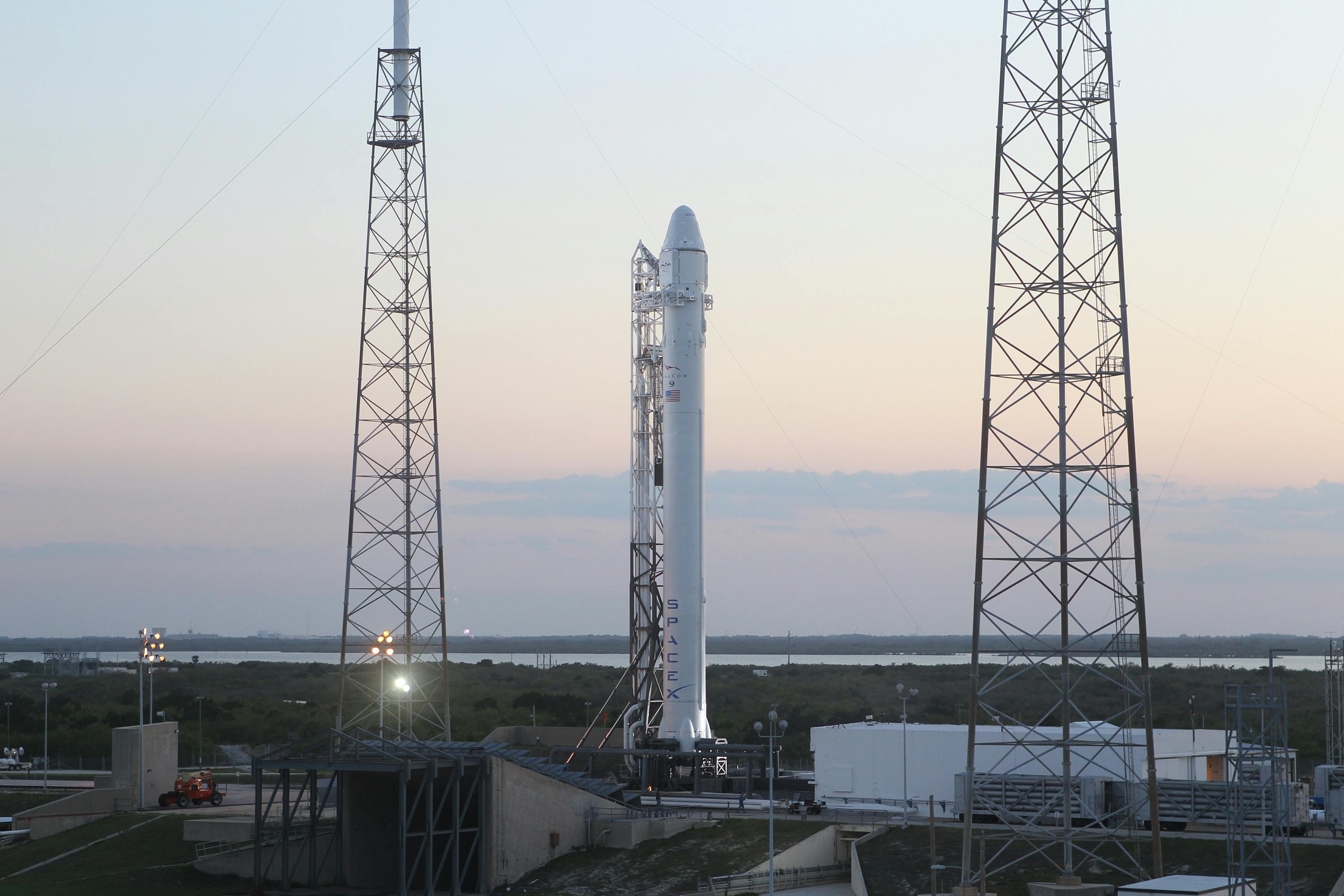
SpaceX targets May 19 for Starship V3's first flight from Pad 2 as the FCC approves a $2.4B EchoStar spectrum deal for Starlink D2D.

Today's brief covers a record-breaking Starlink launch, FCC's allocation of additional spectrum for launches, and more. Plus, explore the intricacies of satellite Rassvet-2 No. 1 in our Satellite Spotlight.
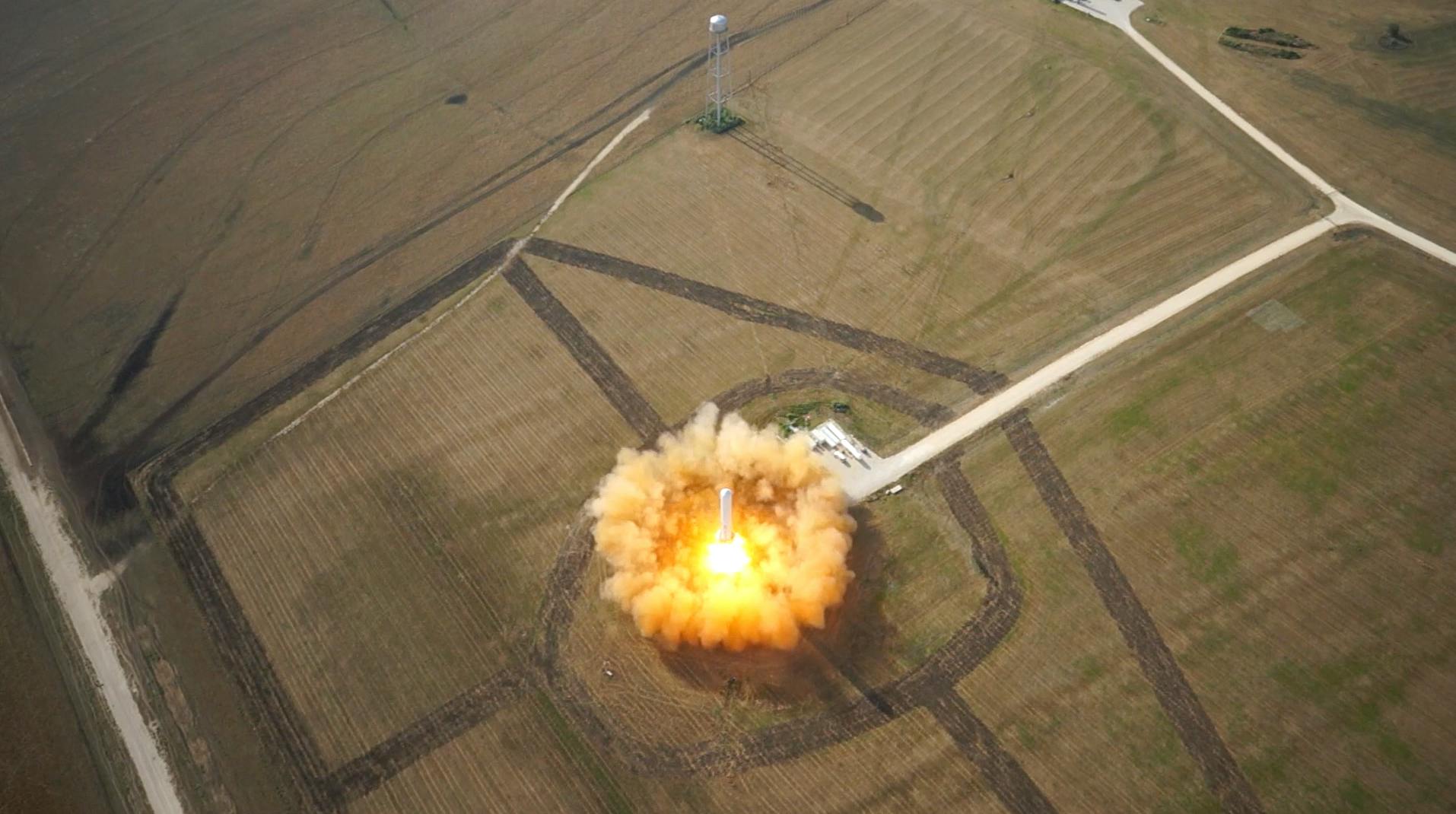
SpaceX achieves significant milestones with Starship and multiple launch missions, while Starlink connectivity expands through T-Mobile's beta program.

Today's Space Brief covers the reentry of Firefly's Blue Ghost moon lander, a compelling study on space debris exacerbated by climate change, and new advancements from the Vera Rubin Observatory.
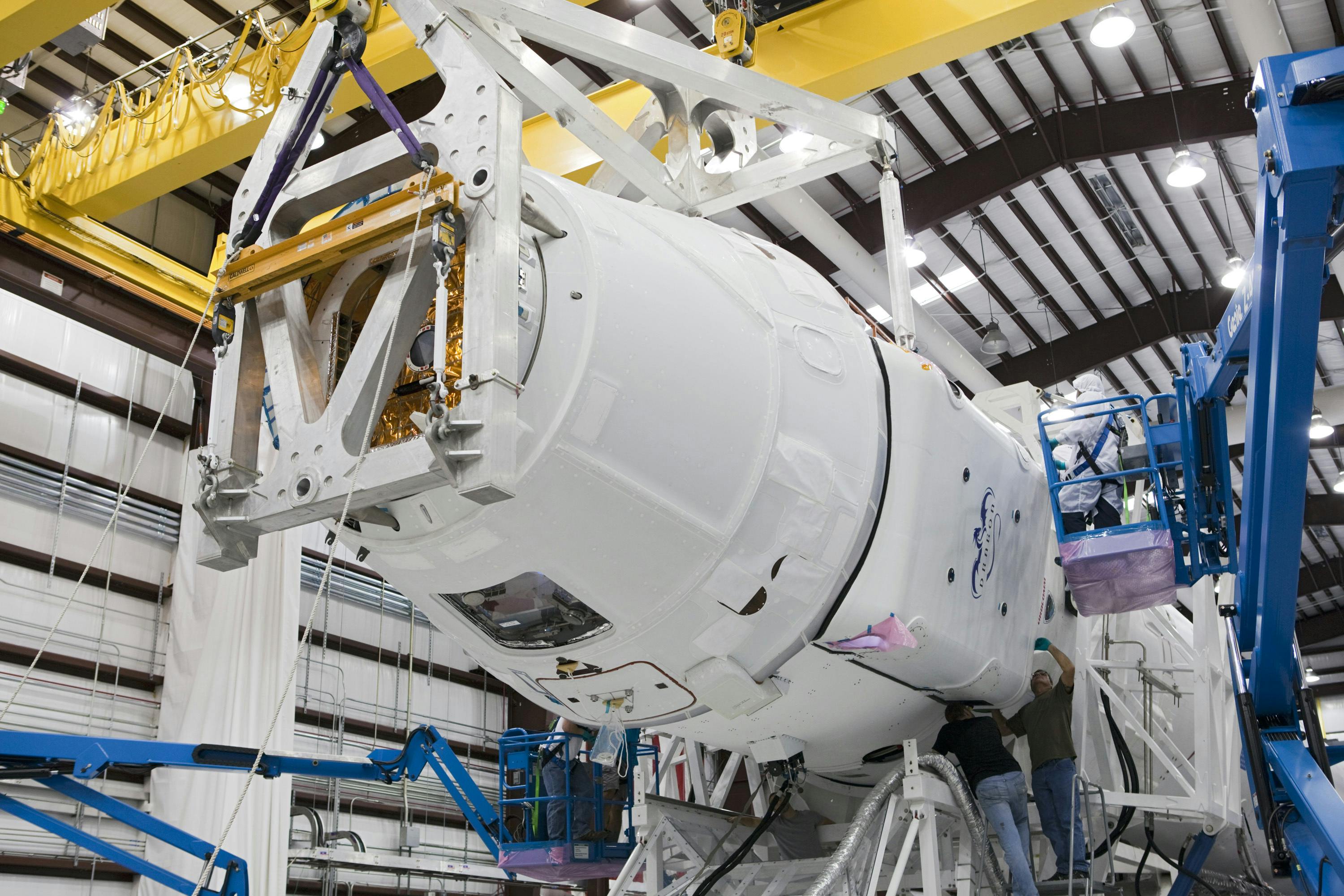
SpaceX has completed the investigation into Starship Flight 7, announcing causes ahead of the next planned launch, while numerous missions are lined up for launch this week.
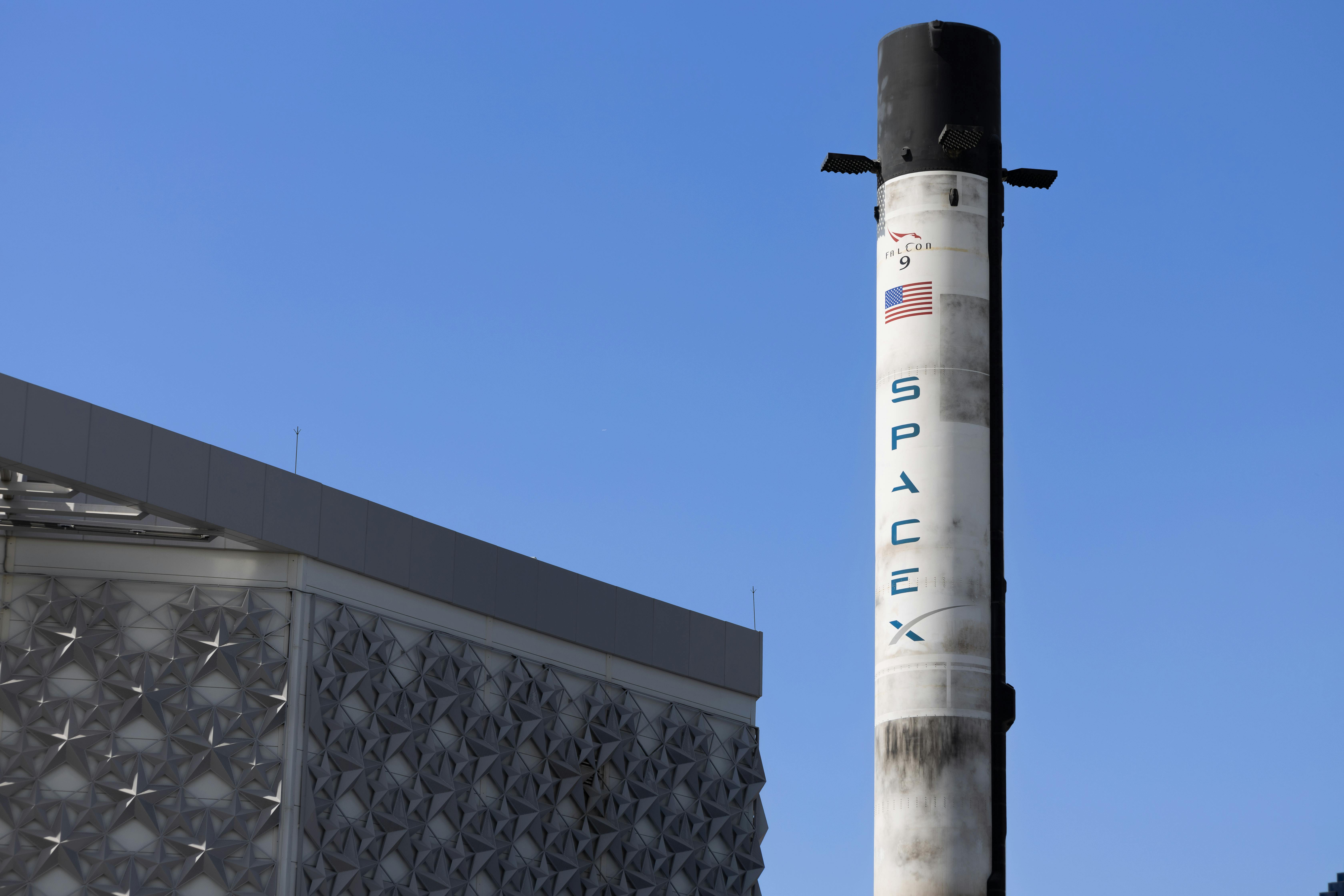
SpaceX targets its 600th Falcon 9 booster landing on Starlink 17-22, lofting 25 satellites from Vandenberg. Plus a 2028 SpaceX ride for ESA's Mars rover.
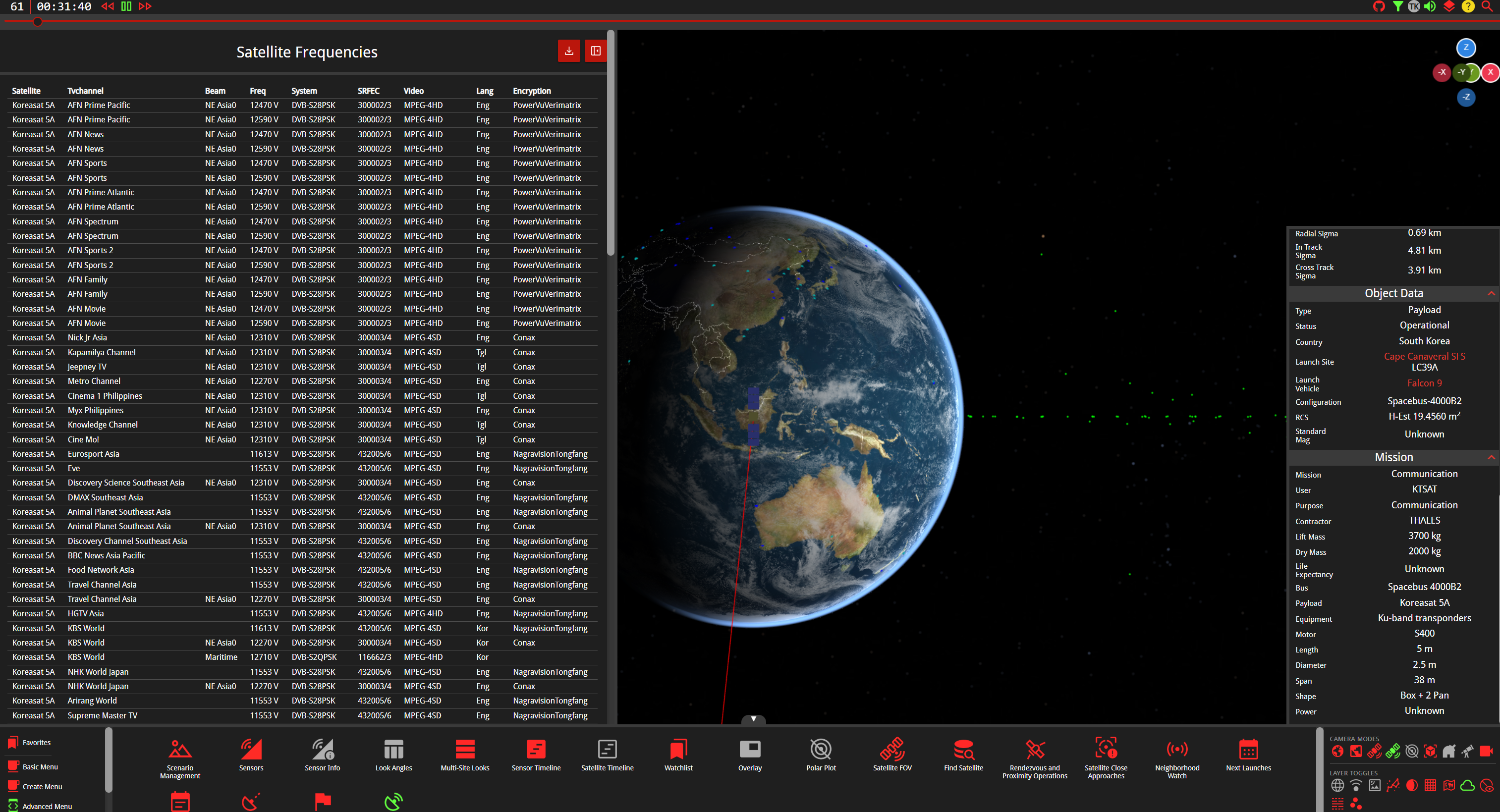
The frequency band that brought satellite TV to small dishes on rooftops and revolutionized direct-to-home broadcasting