


Space Brief 11 Nov 2025
Record-breaking Chinese launches, SDA funding issues, and a new Starlink milestone highlight today's space news.


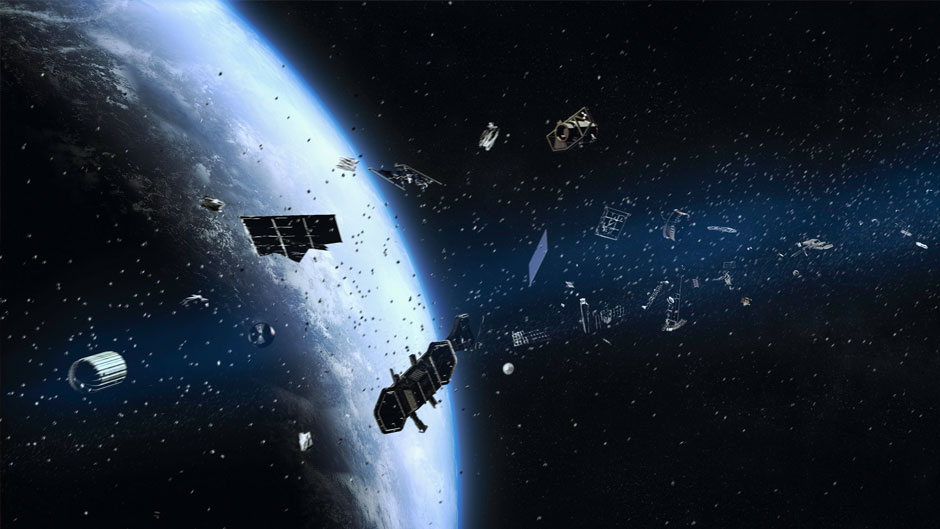
Launch Date
September 16, 1982
Launch Site
PLMSC
Launch Pad
LC32/2
Launch Vehicle
Tsiklon-3
NORAD ID
50867
International Designator
1982-092ATJ
Decay Date
9/29/2022
Name
COSMOS 1408 DEB
Alternative Name
deb Kosmos-1408
Type
Status
Owner
ROSK
Country
USSR
Constellation
N/A
Related Satellites
Major Events
N/A
Length
0
Diameter
0
Span
0
Dry Mass
0
Launch Mass
0
Shape
N/A
Radar Cross Section
Unknown
Visual Magnitude
Unknown
Color
Unknown
Material Composition
Unknown
Payload
Unknown
Purpose
Unknown
Mission
Unknown
Manufacturer
YUZHUA
Life Expectancy
Unknown
Bus
Unknown
Configuration
Unknown
Motor
Unknown
Equipment
Unknown
Power System
Unknown
ADCS
Unknown
Transmitter Frequency
Unknown
Learn more about satellites and other related topics.
Record-breaking Chinese launches, SDA funding issues, and a new Starlink milestone highlight today's space news.
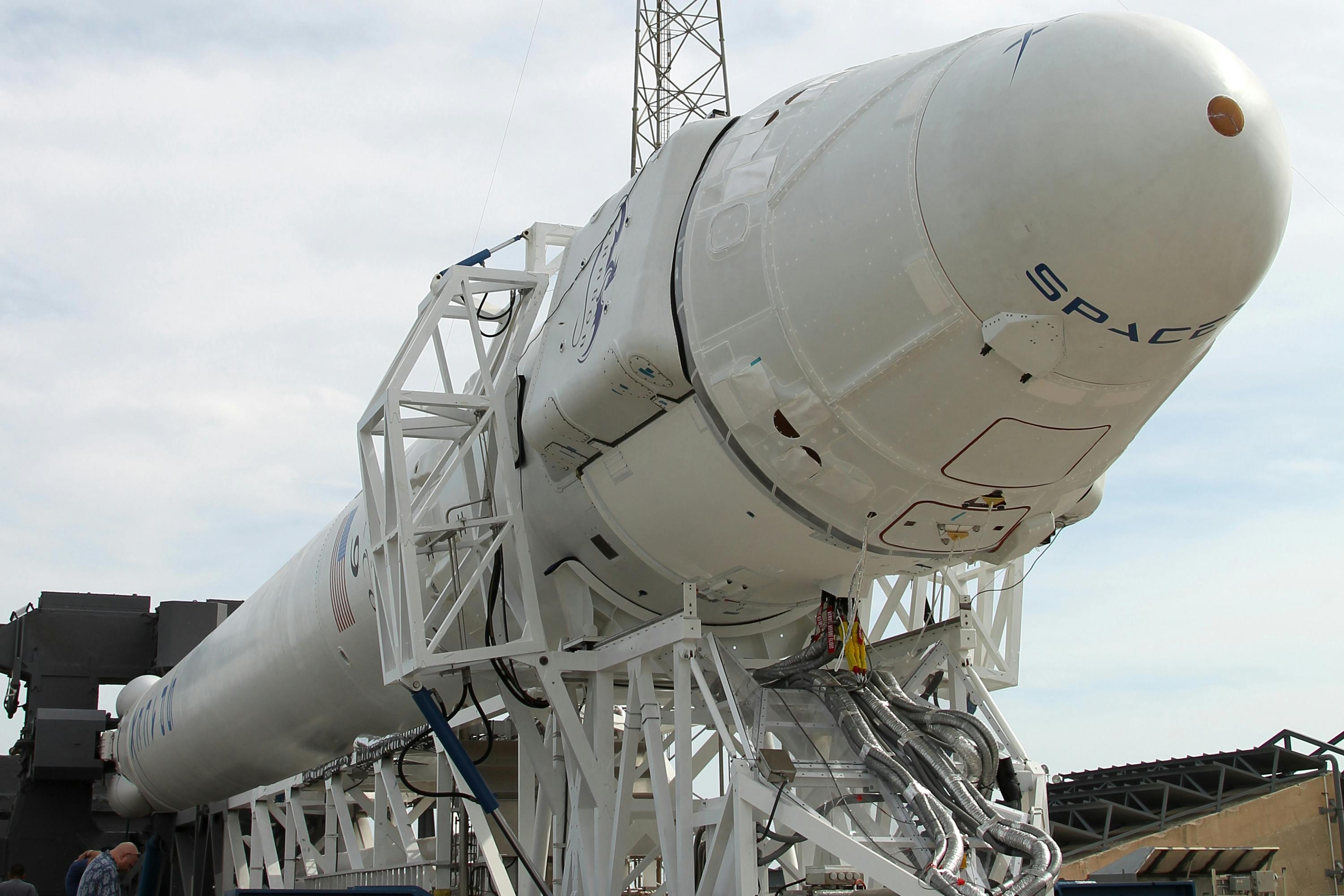
SpaceX targets July 16 for Starship Flight 13 from Starbase, aiming to fix Flight 12 issues and deploy working Starlink satellites.
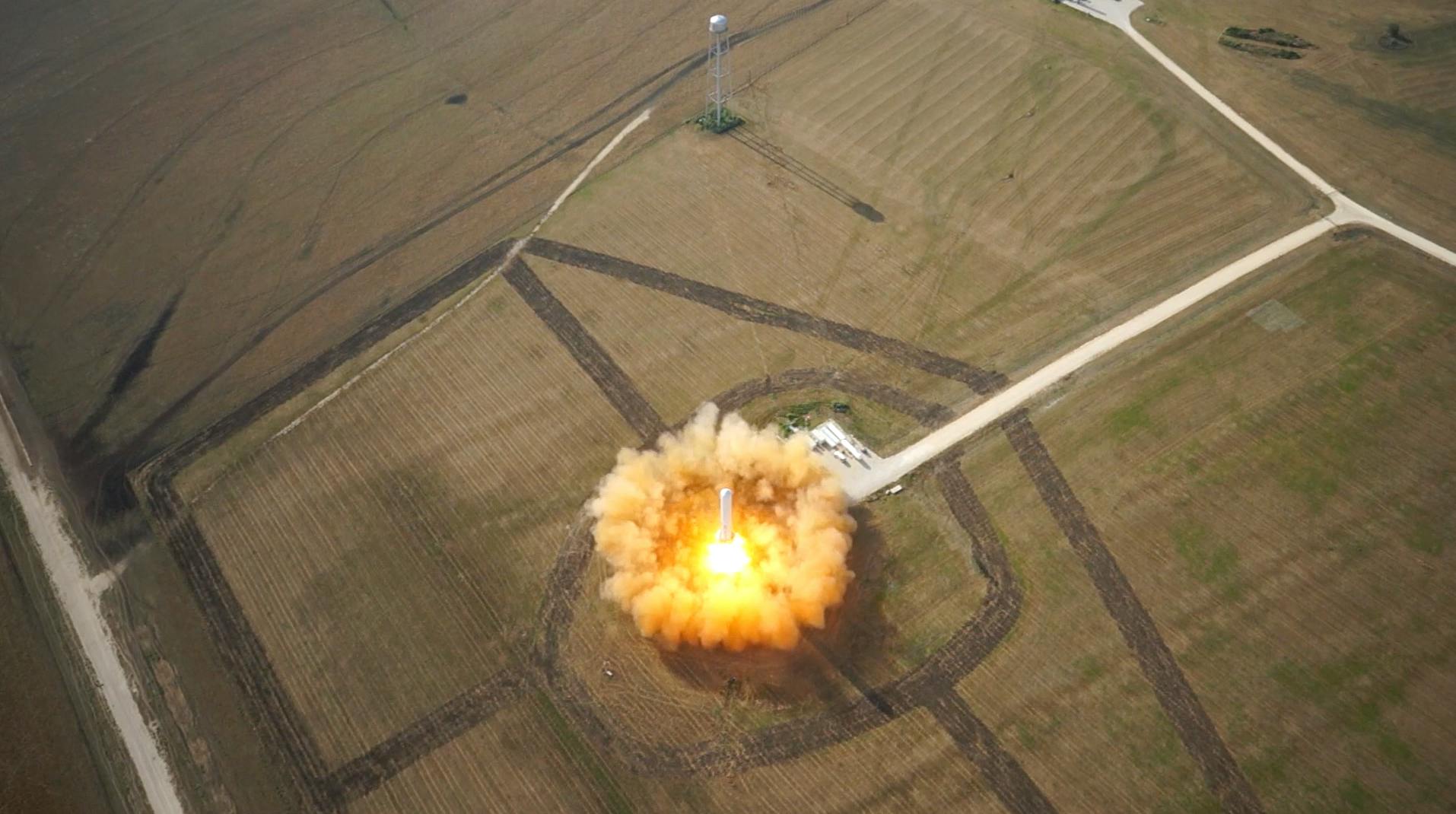
SpaceX progresses with plans for Starship launches from a ULA site while continuing its Starlink expansion. New satellite tracking update enhances user engagement.
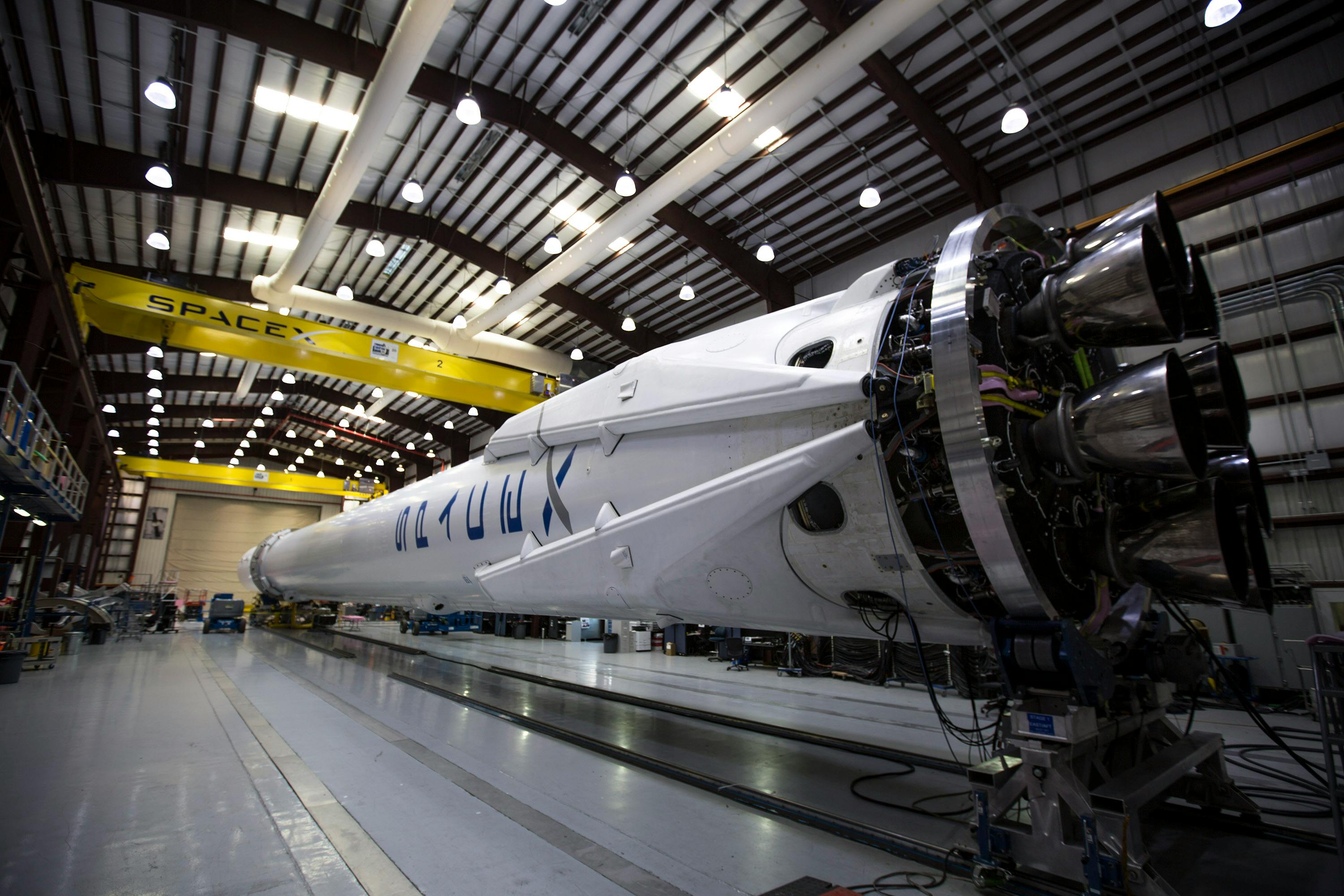
Today's highlights include SpaceX's Dragon cargo mission to the ISS, the first wooden satellite launch, and updates on NASA's Voyager mission. Additionally, the Space Force's X-37B space plane showcases unique aerobraking strategies.

Today's brief covers developments involving Space Force officials, Sierra Space's satellite milestone, and Voyager Space's rebranding for national security focus. Additionally, we spotlight the Cosmos 447 satellite.
Today's brief covers challenges in Space Force procurement, promising developments in tracking technologies, and significant budget cuts affecting military aerospace projects.

Four Raptor engines failed to ignite at T-0, scrubbing Starship Flight 13 on July 16; SpaceX now targets July 20 for next attempt.
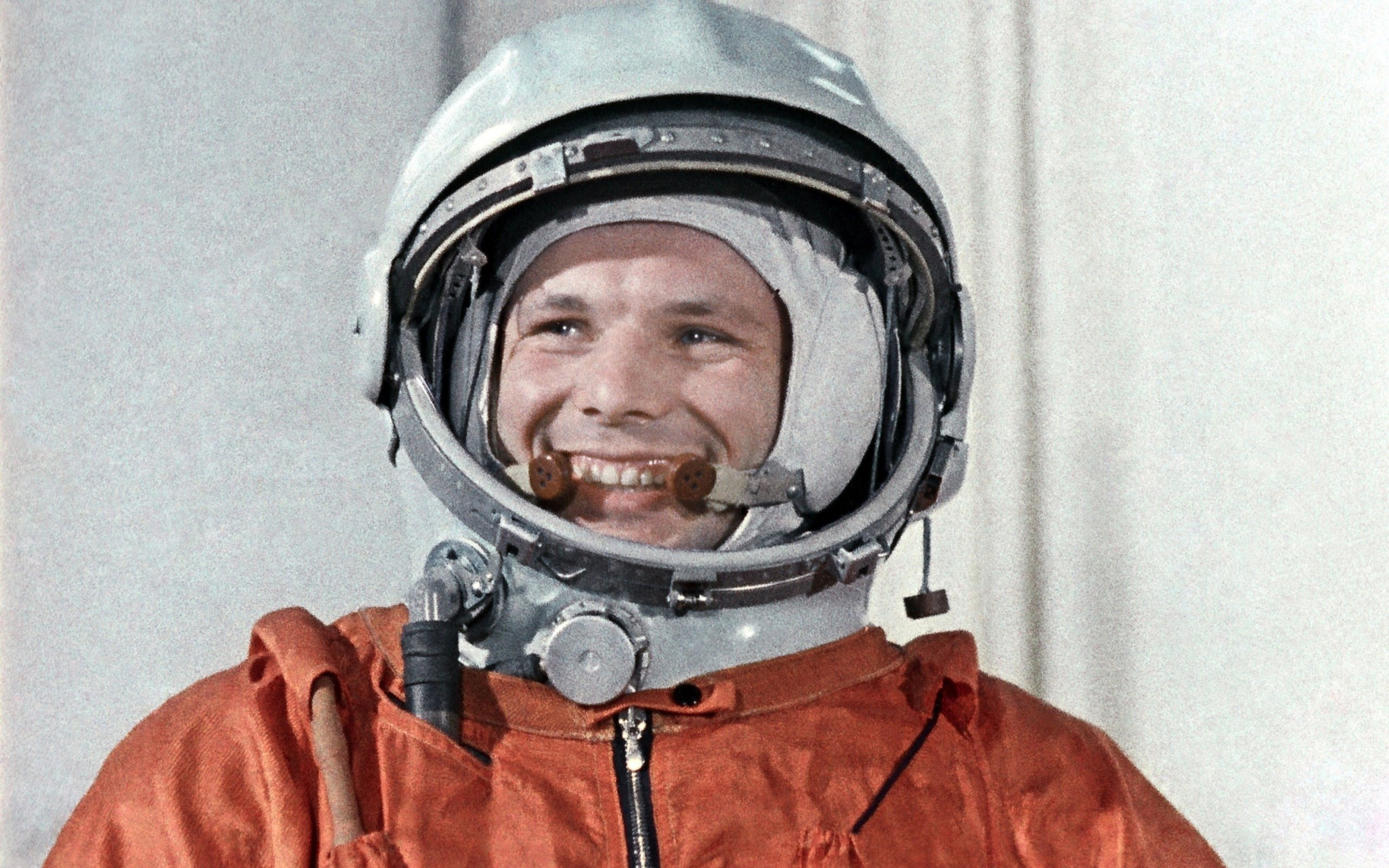
On April 12, 1961, a 27-year-old Soviet pilot rode a modified ICBM into orbit and came back alive after 108 minutes. Exactly twenty years later, two Americans climbed aboard an untested spacecraft covered in 31,000 ceramic tiles and bet their lives that the math was right.