


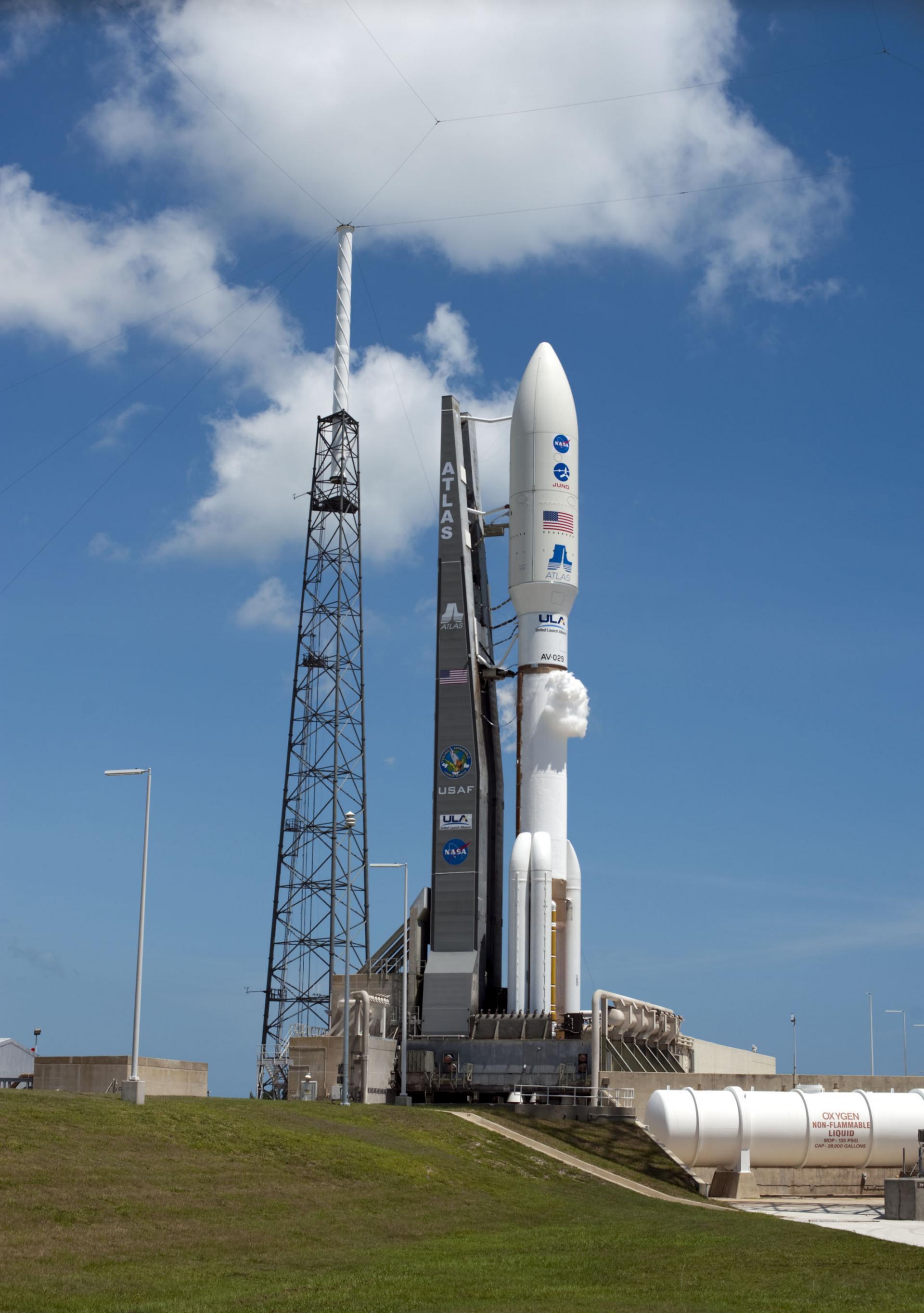
Space Brief 22 Mar 2025
Today's briefing covers a range of critical space industry updates, from Space Force's strategic initiatives to SpaceX's latest launch record and groundbreaking developments in orbital manufacturing.



Launch Date
September 16, 1982
Launch Site
PLMSC
Launch Pad
LC32/2
Launch Vehicle
Tsiklon-3
NORAD ID
50621
International Designator
1982-092ALR
Epoch
Sun, 19 Jul 2026 18:10:52 GMT
Apogee
Calculating...
Perigee
Calculating...
Inclination
82.56°
Right Ascension
203.59°
Eccentricity
Calculating...
Argument of Perigee
63.12°
Period
91.63 min
Mean Motion
15.72 rev/day
Latitude
Calculating...
Longitude
Calculating...
Altitude
Calculating...
Velocity
Calculating...
Name
COSMOS 1408 DEB
Alternative Name
deb Kosmos-1408
Type
Status
Owner
ROSK
Country
USSR
Constellation
N/A
Related Satellites
Major Events
N/A
1 50621U 82092ALR 26200.75755519 .00028378 00000+0 21802-3 0 9992
2 50621 82.5631 203.5942 0020721 63.1168 297.2209 15.71574378256735
Source: Celestrak
Length
0
Diameter
0
Span
0
Dry Mass
0
Launch Mass
0
Shape
N/A
Radar Cross Section
Unknown
Visual Magnitude
Unknown
Color
Unknown
Material Composition
Unknown
Payload
Unknown
Purpose
Unknown
Mission
Unknown
Manufacturer
YUZHUA
Life Expectancy
Unknown
Bus
Unknown
Configuration
Unknown
Motor
Unknown
Equipment
Unknown
Power System
Unknown
ADCS
Unknown
Transmitter Frequency
Unknown
Learn more about satellites and other related topics.
Today's briefing covers a range of critical space industry updates, from Space Force's strategic initiatives to SpaceX's latest launch record and groundbreaking developments in orbital manufacturing.
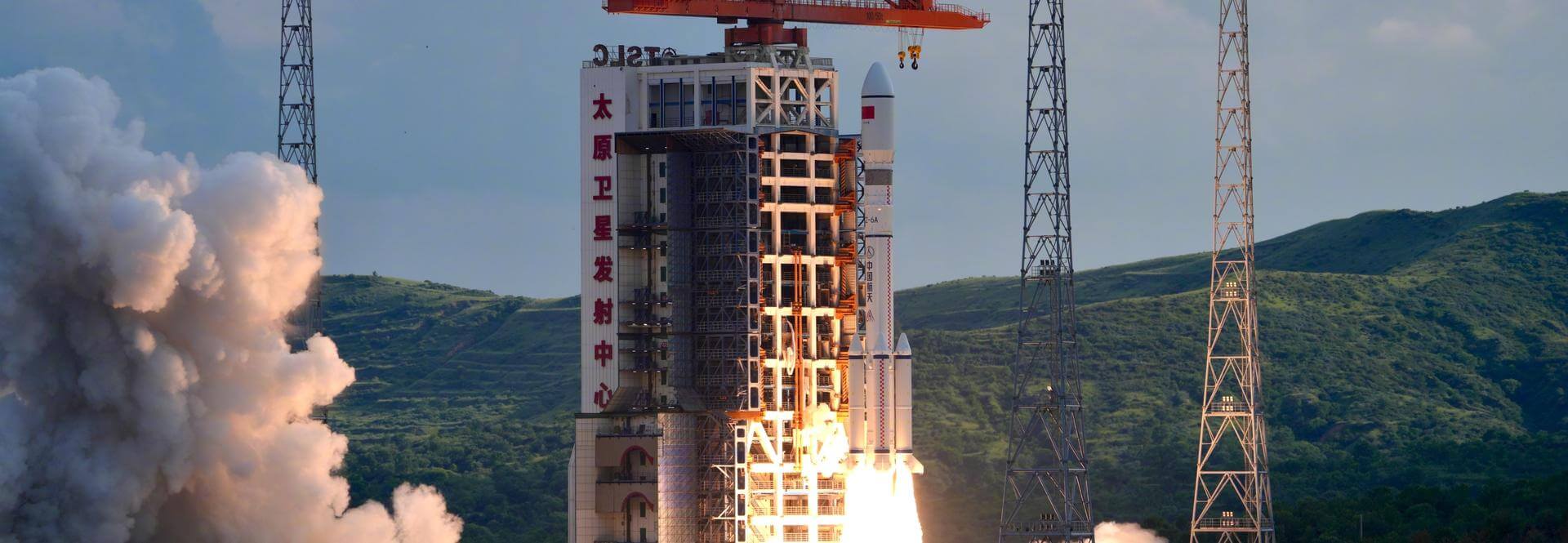
Blue Origin's LC-36 gantry damaged in blast; CEO targets end-2026 return. SpaceX awarded $4.16B Space Force contract for airborne threat tracking satellites.
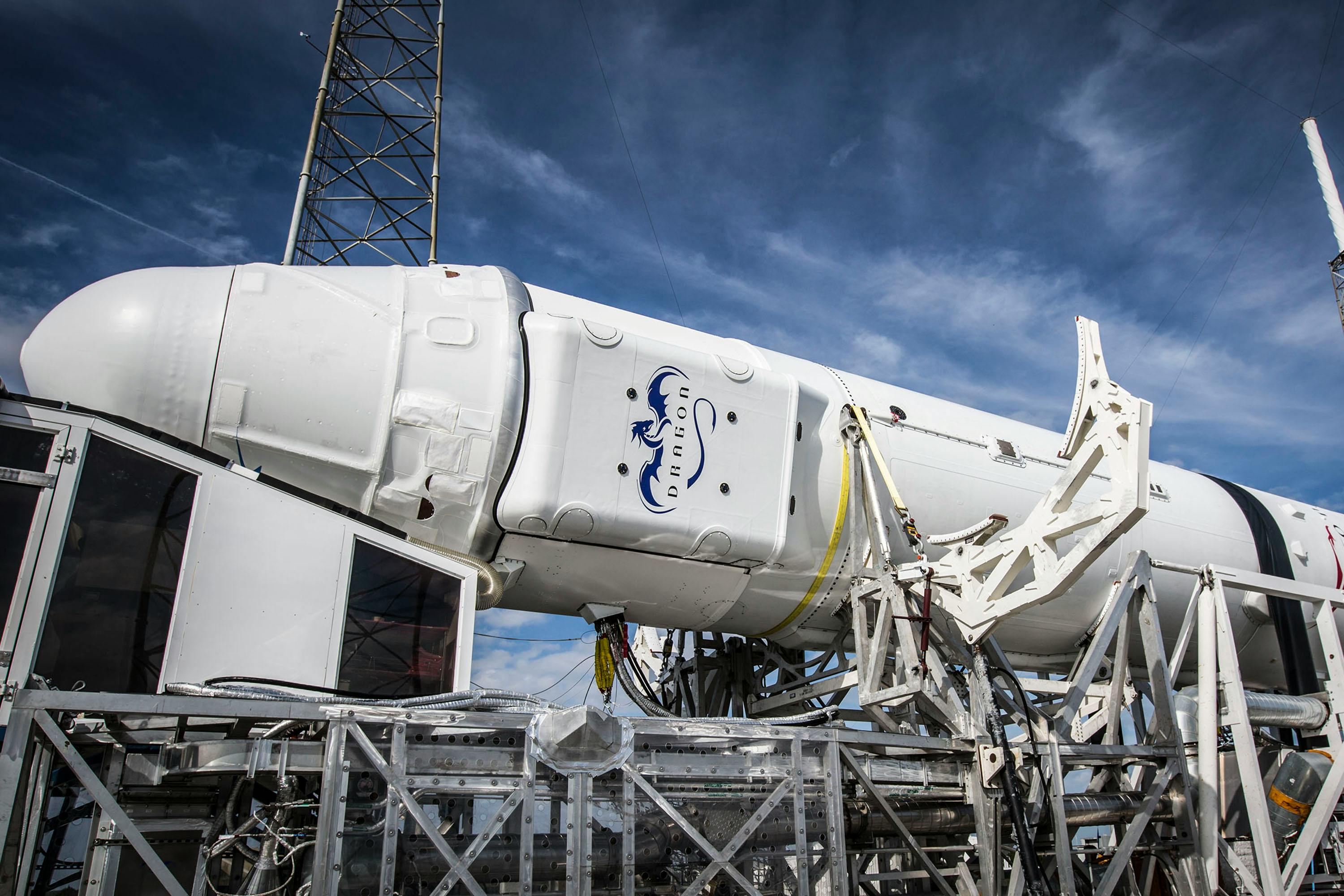
SpaceX successfully launched another batch of Starlink satellites and received approval for a new Starship launch site, while facing challenges with crew assignments on upcoming missions.
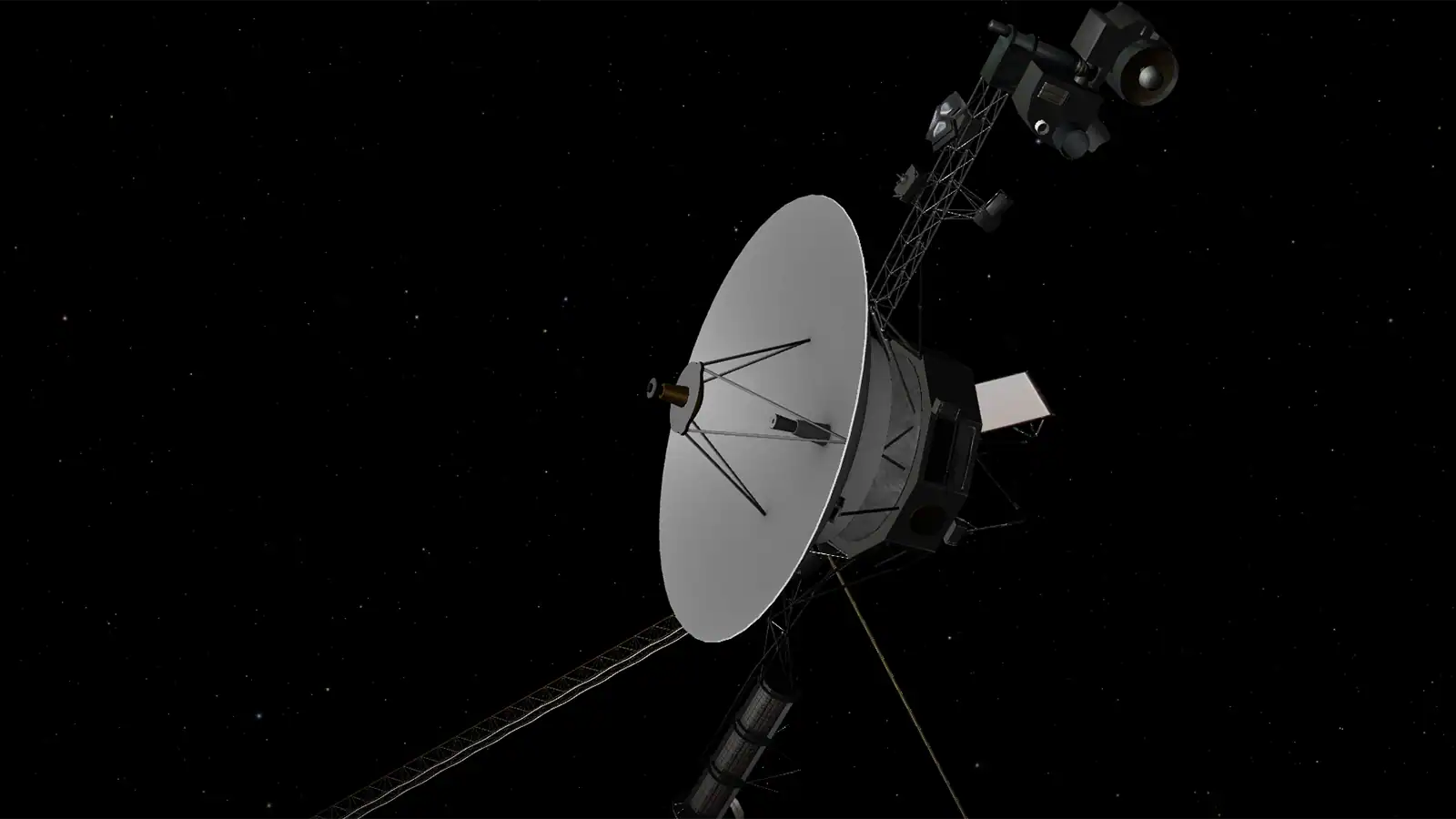
In November 2023, Earth's most distant spacecraft started speaking gibberish. Five months, one dead memory chip, and 30 billion miles of round-trip troubleshooting later, engineers got it talking again - using code written before most of them were born.
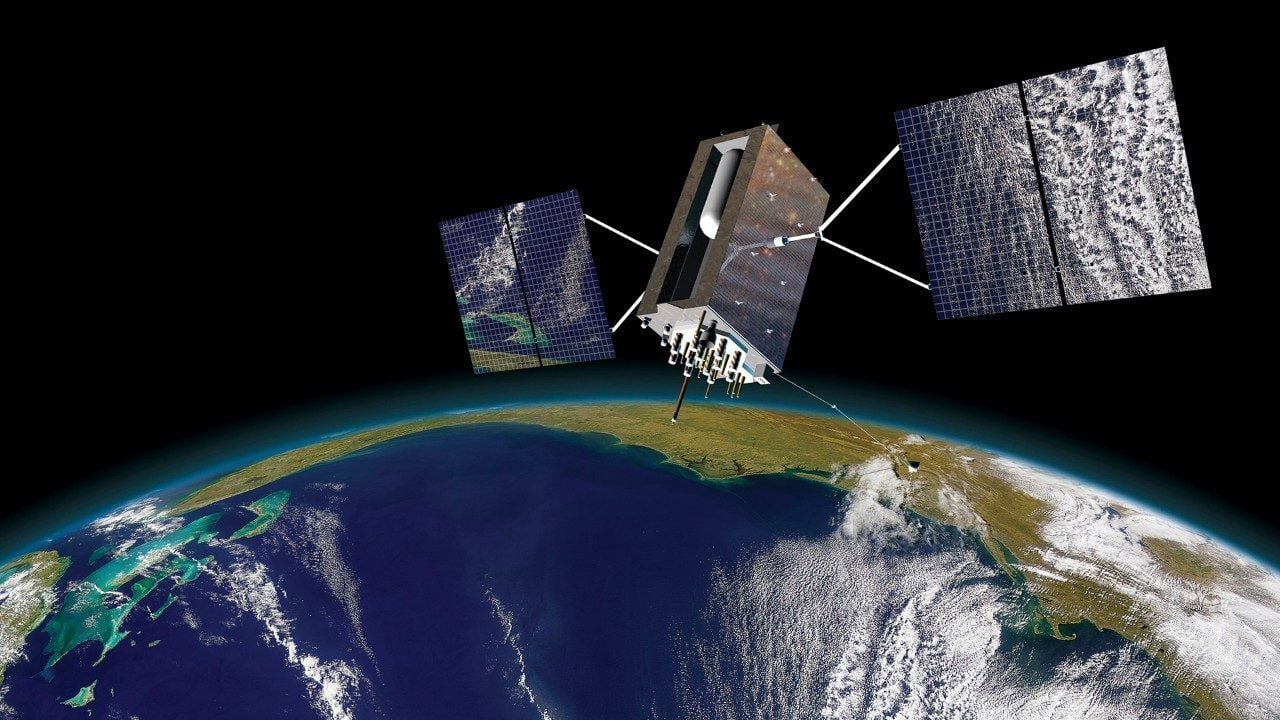
On April 17, 2026, the U.S. Space Force officially cancelled the Next Generation Operational Control System after sixteen years of development, cost overruns, and testing failures. The $8 billion program was supposed to unlock the military's encrypted GPS signal. Instead, the satellites are flying with capabilities the ground can't command.
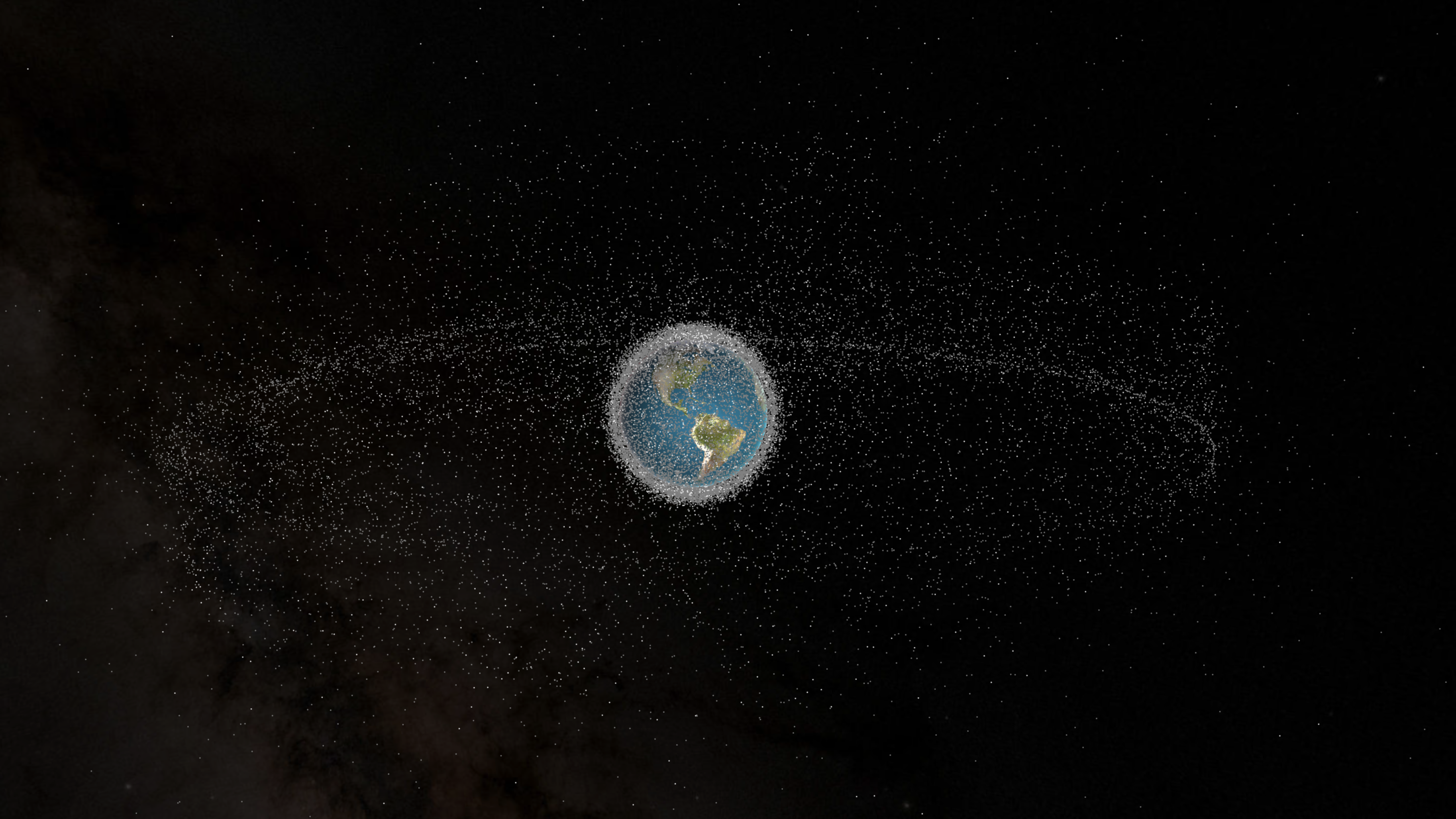
From shattered satellites to exploded rocket stages, space debris poses a growing risk to satellites, space stations, and astronauts. Here's a deep dive into what causes space debris, notable generating events, and what we're doing about it.
SpaceX successfully launched 27 Starlink satellites, marking another milestone for its broadband internet service. Meanwhile, the latest GPS III satellite was also launched for the U.S. military, showcasing SpaceX's multifaceted capabilities.

SpaceX successfully launched the Transporter-15 mission, deploying 140 payloads, while Elon Musk addressed media narratives related to Starlink's humanitarian efforts following recent disasters.