COSMOS 1408 DEB (50398)

COSPAR: 1982-092ADL | Alt Name: deb Kosmos-1408
DECAYED

Image
COSMOS 1408 DEB Satellite Image
Additional Sources
Launch Details

Launch Date

September 16, 1982

Launch Site

PLMSC

Launch Pad

LC32/2

Launch Vehicle

Tsiklon-3

Orbital Elements

NORAD ID

50398

International Designator

1982-092ADL

Decay Date

6/22/2022

Explore in the Catalog
Basic Satellite Info

Name

COSMOS 1408 DEB

Alternative Name

deb Kosmos-1408

Type

Debris

Status

Space Junk

Owner

ROSK

Country

USSR

Constellation

N/A

Related Satellites

Major Events

N/A

Summary
Space debris, also known as space junk, encompasses all non-functional objects orbiting Earth such as defunct satellites, spent rocket stages, and fragments from collisions or disintegrations. Over time, this debris can accumulate and create an increasingly hazardous environment in orbit. Even tiny fragments, traveling at extremely high velocities, can inflict significant damage on operational satellites and spacecraft. If left unmanaged, the density of debris raises the risk of catastrophic collisions and further fragmentation, compounding the problem and threatening the safety and sustainability of space activities.
Physical Characteristics

Length

0

Diameter

0

Span

0

Dry Mass

0

Launch Mass

0

Shape

N/A

Radar Cross Section

Unknown

Visual Magnitude

Unknown

Color

Unknown

Material Composition

Unknown

Technical Details

Payload

Unknown

Purpose

Unknown

Mission

Unknown

Manufacturer

YUZHUA

Life Expectancy

Unknown

Bus

Unknown

Configuration

Unknown

Motor

Unknown

Equipment

Unknown

Power System

Unknown

ADCS

Unknown

Transmitter Frequency

Unknown

Satellite Articles

View All Posts »

Learn more about satellites and other related topics.

Aurora 7 and the Day NASA Almost Lost Scott Carpenter

Aurora 7 and the Day NASA Almost Lost Scott Carpenter

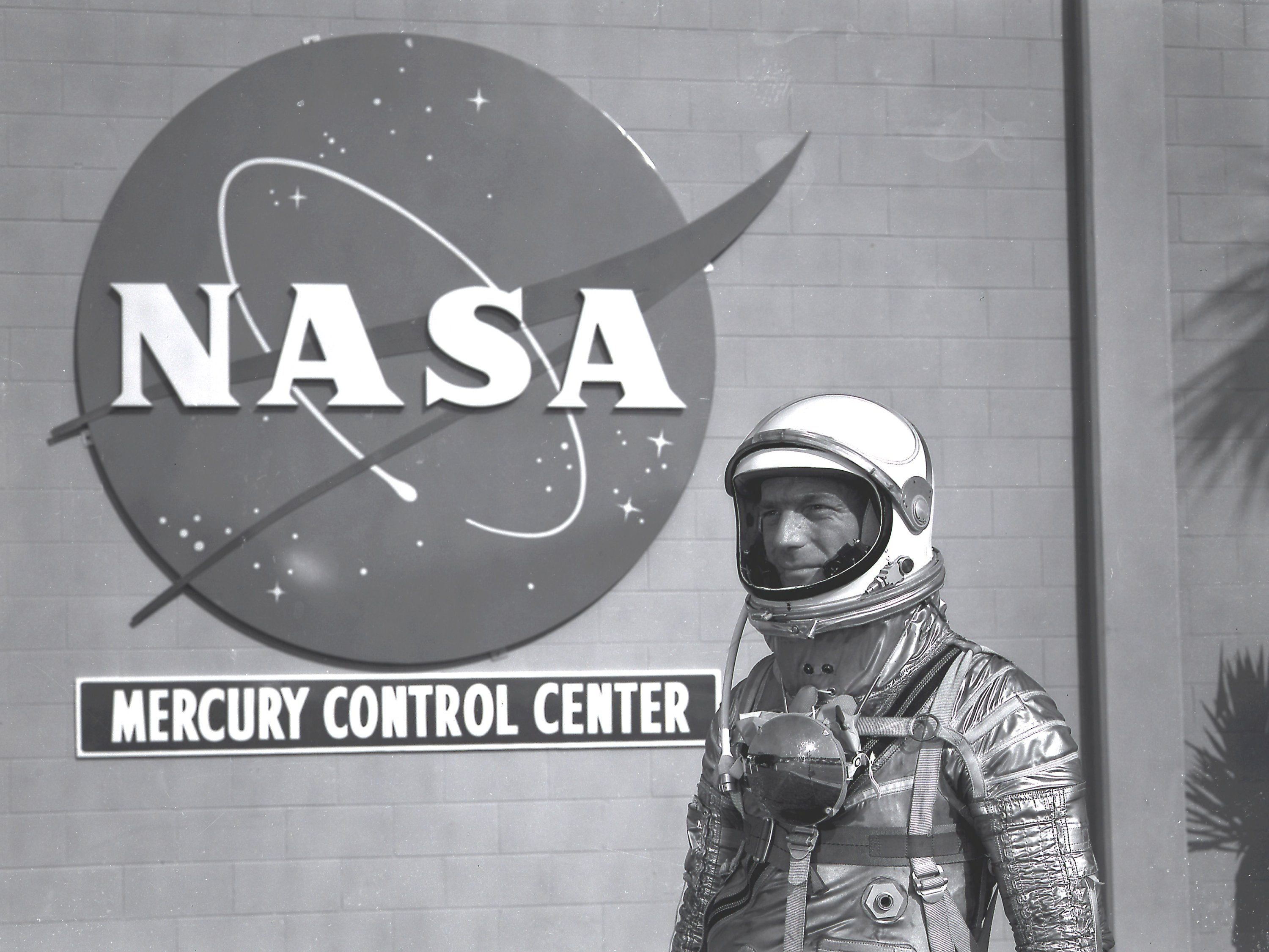
Exactly 64 years ago today, Scott Carpenter became the fourth American to orbit the Earth aboard Aurora 7. His five-hour flight produced new science, a tense reentry, and 39 minutes of silence in which the country wondered if it had just lost its astronaut.

The Day That Humans Discovered Rocket Fuel

The Day That Humans Discovered Rocket Fuel

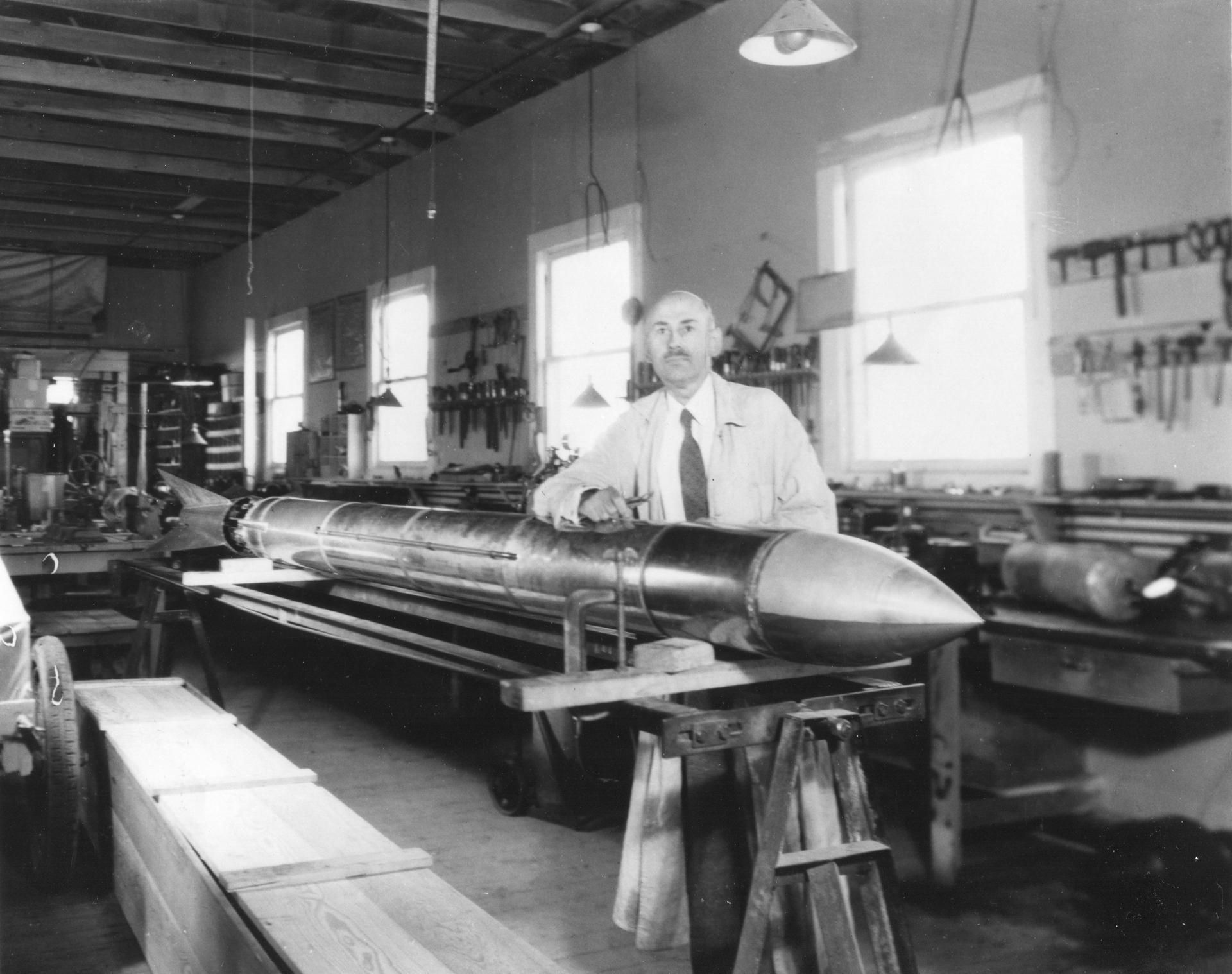
On February 2, 1909, Robert Goddard made a revolutionary breakthrough in his notebook: liquid oxygen and liquid hydrogen could achieve 50% efficiency in converting heat energy to kinetic energy for rocket propulsion

X Report 18 Dec 2024

X Report 18 Dec 2024

SpaceX achieves significant milestones with Starship and multiple launch missions, while Starlink connectivity expands through T-Mobile's beta program.

1 Million AI Data Centers in Orbit Threaten Astronomy | KeepTrack X Report

1 Million AI Data Centers in Orbit Threaten Astronomy | KeepTrack X Report

SpaceX's proposed 1-million-satellite AI data center constellation alarms astronomers as Falcon 9 logs its 25th Starlink launch of 2026.

The Day Soviet Women Reached for the Stars

The Day Soviet Women Reached for the Stars

Sixty-three years ago, the Soviet Union selected the world's first female cosmonaut training group, launching a new era in human spaceflight that would transform our understanding of gender equality in space exploration

Space Brief 27 Oct 2025

Space Brief 27 Oct 2025

Today's space highlights include the US Space Force's advanced tracking contract, a milestone in SpaceX's Starlink program, and a new initiative to remove space debris.

Space Brief 6 Nov 2025

Space Brief 6 Nov 2025

Today's briefing covers Iceye's new aerospace service for defense clients, ESA's plan for dual-use satellites, and key defense agreements impacting satellite technology.

China's 75 Unusual GEO Maneuvers Flagged by CSIS | KeepTrack Space Brief

China's 75 Unusual GEO Maneuvers Flagged by CSIS | KeepTrack Space Brief

CSIS analysis identifies 75 unusual orbital maneuvers by Chinese GEO satellites over 10 years, consistent with military reconnaissance. Track GEO objects via KeepTrack.