


LeoLabs Launches Delta Military SSA Platform | KeepTrack Space Brief
LeoLabs debuts Delta, a space monitoring tool designed for military operators to detect adversarial orbital activity beyond standard conjunction warnings.



Launch Date
September 16, 1982
Launch Site
PLMSC
Launch Pad
LC32/2
Launch Vehicle
Tsiklon-3
NORAD ID
50351
International Designator
1982-092ABM
Decay Date
2/11/2025
Name
COSMOS 1408 DEB
Alternative Name
deb Kosmos-1408
Type
Status
Owner
ROSK
Country
USSR
Constellation
N/A
Related Satellites
Major Events
N/A
Length
0
Diameter
0
Span
0
Dry Mass
0
Launch Mass
0
Shape
N/A
Radar Cross Section
Unknown
Visual Magnitude
Unknown
Color
Unknown
Material Composition
Unknown
Payload
Unknown
Purpose
Unknown
Mission
Unknown
Manufacturer
YUZHUA
Life Expectancy
Unknown
Bus
Unknown
Configuration
Unknown
Motor
Unknown
Equipment
Unknown
Power System
Unknown
ADCS
Unknown
Transmitter Frequency
Unknown
Learn more about satellites and other related topics.
LeoLabs debuts Delta, a space monitoring tool designed for military operators to detect adversarial orbital activity beyond standard conjunction warnings.

Discover the latest on China's Zhuque-3 launch, ISS crew updates, ESA's budget dealings, a strategic super-resolution partnership, and ACME Space's innovative plans.
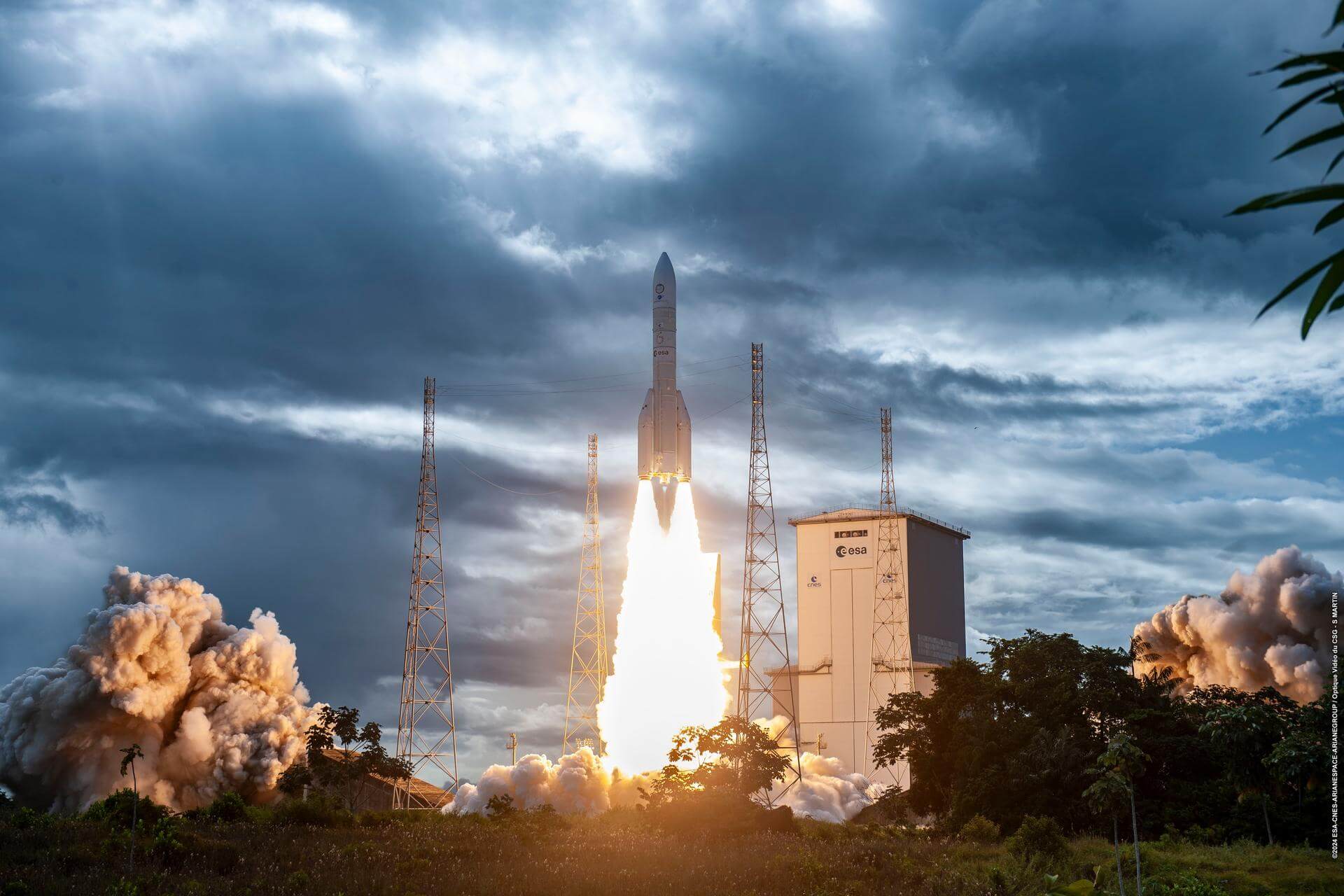
Today's highlights include new satellite launches by SpaceX, technical hiccups for an Indian navigation satellite, and insights into the future of satellite servicing.

Europe's bid to break free from the US launch monopoly. How Sweden's Esrange Space Center is transforming access to space, enabling orbital launches, and strengthening strategic independence for the continent.
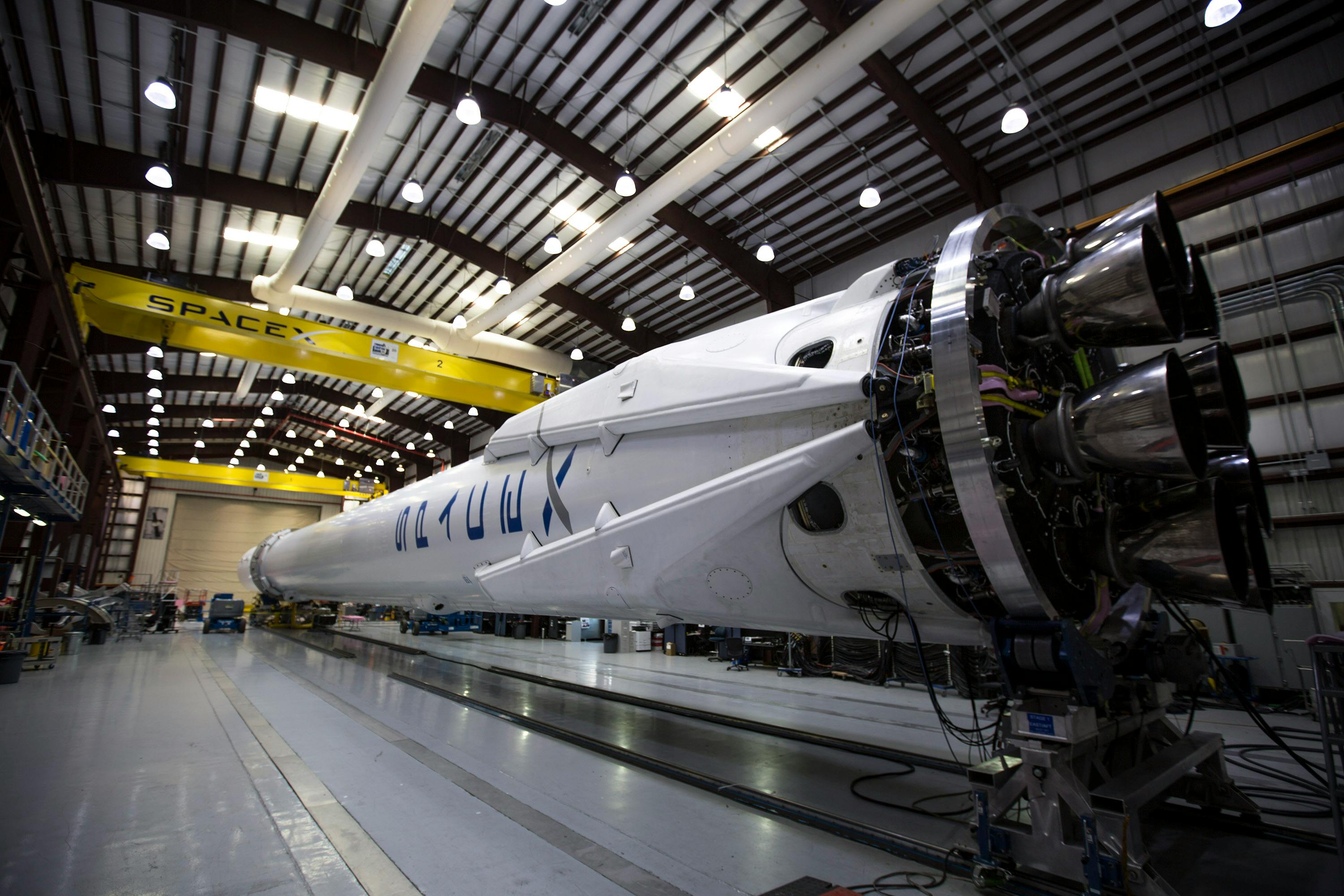
Today, SpaceX faced delays in launching the Ax-4 mission due to a booster leak, while Starlink made strides towards launching in India with new telecom license approval.
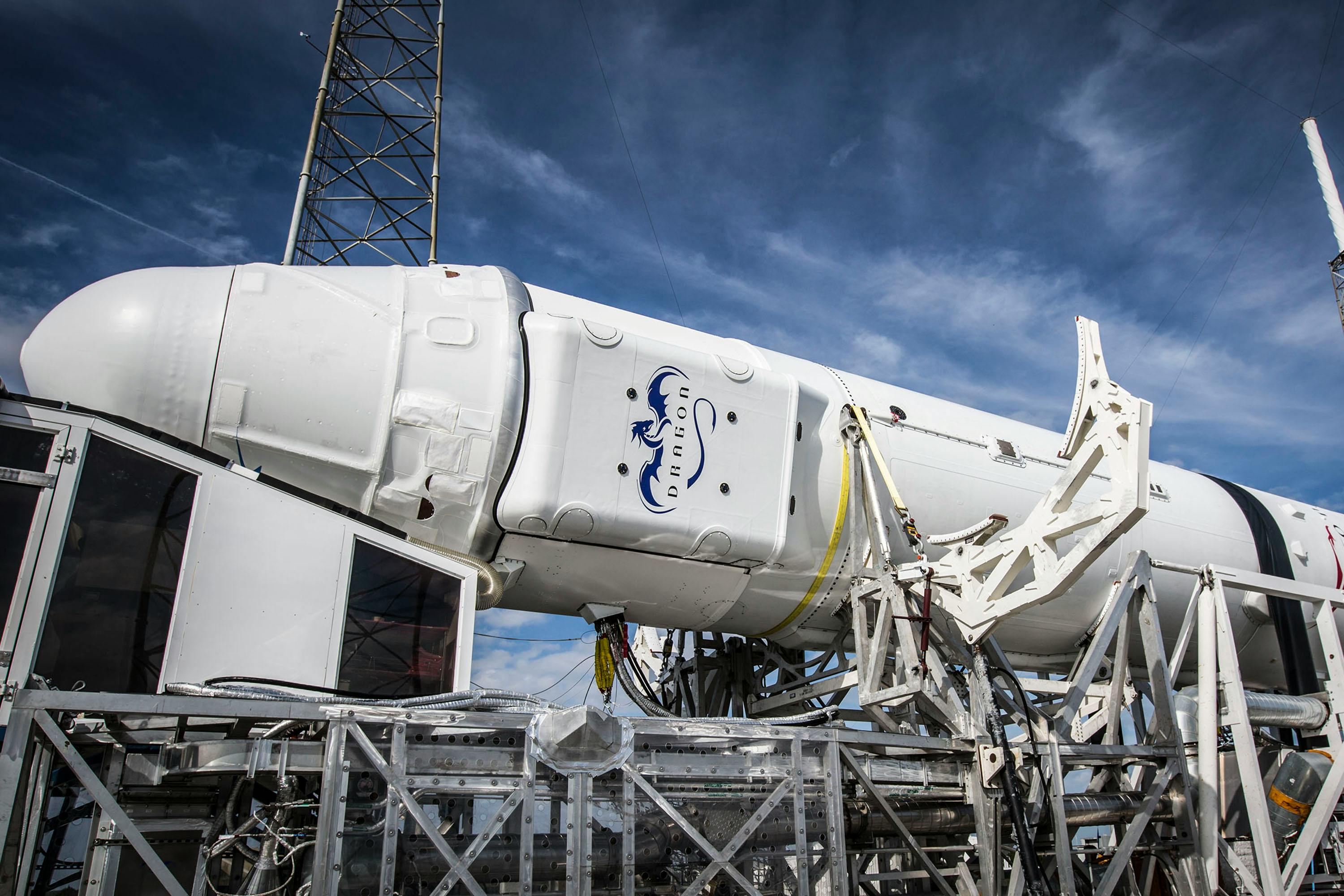
FAA documents expose SpaceX's Starfall reentry vehicle program, targeting in-space manufacturing support as the Starlink constellation holds 10,397 working satellites.
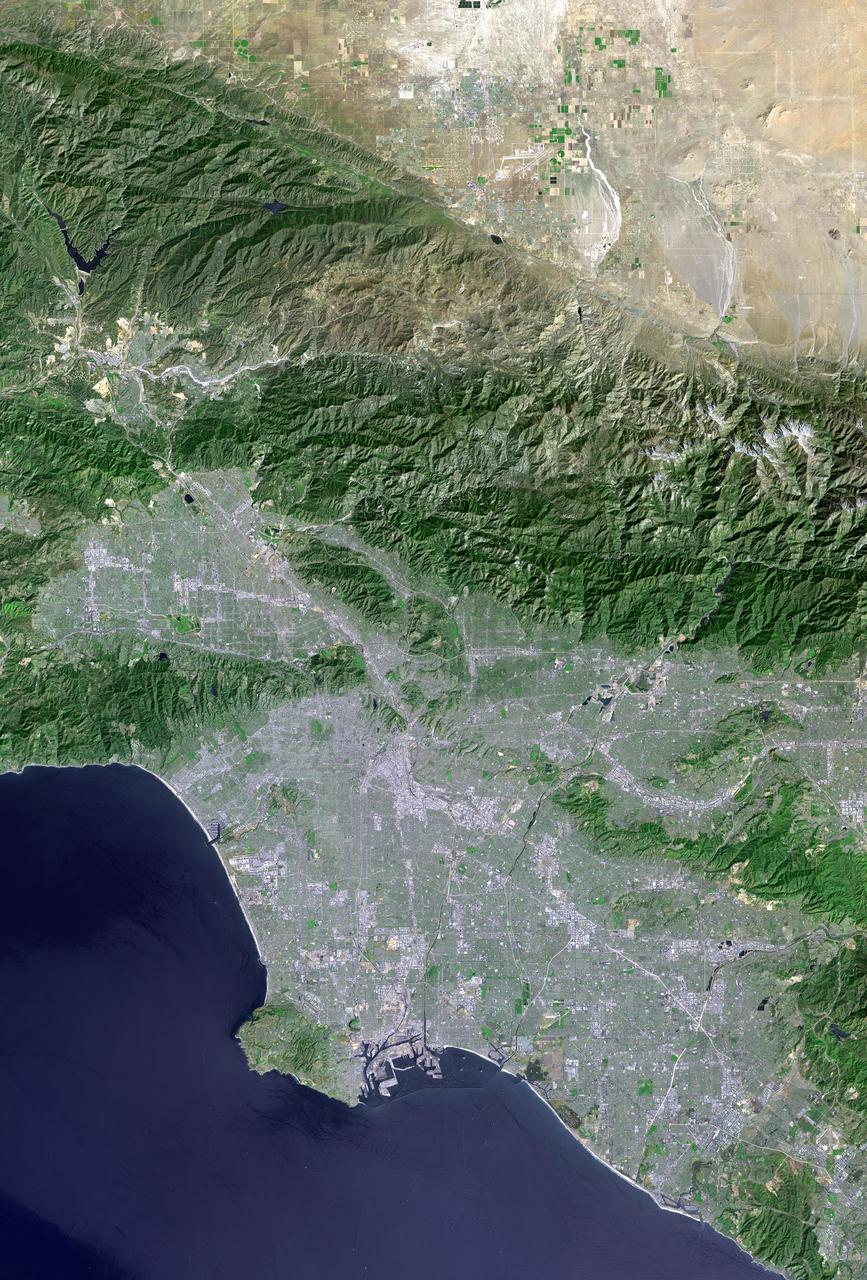
Landsat 7 launched on April 15, 1999, designed to last five years. It operated for twenty-five, survived a failure that destroyed a fifth of every image it took, and became part of the longest continuous record of Earth's surface ever assembled. Then they made the data free.
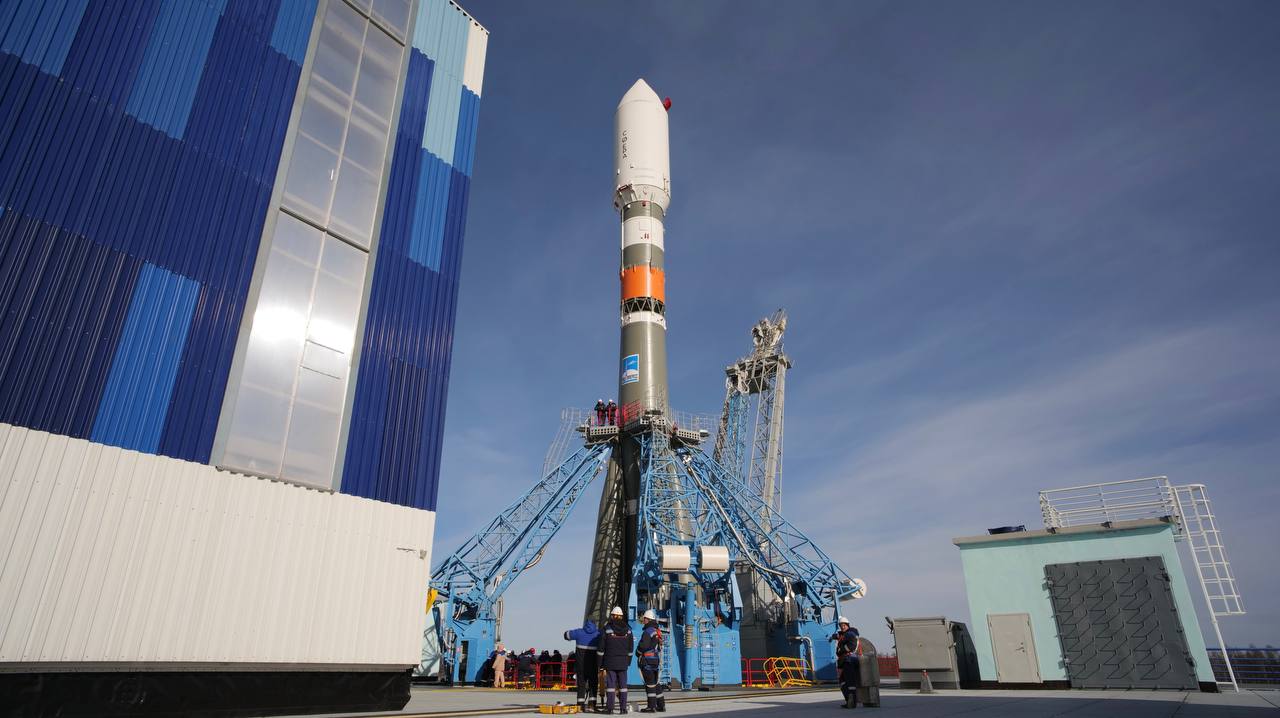
Today's brief covers China's latest experimental launch to GEO and new commercial satellites, insights from hyperspectral imagery on underground structures, and the Space Force's material testing for Mars missions.