


X Report 25 Sep 2025
SpaceX continues to make strides with multiple launches, including 28 Starlink satellites and NASA's IMAP mission, highlighting its ongoing role in advancing space weather research.


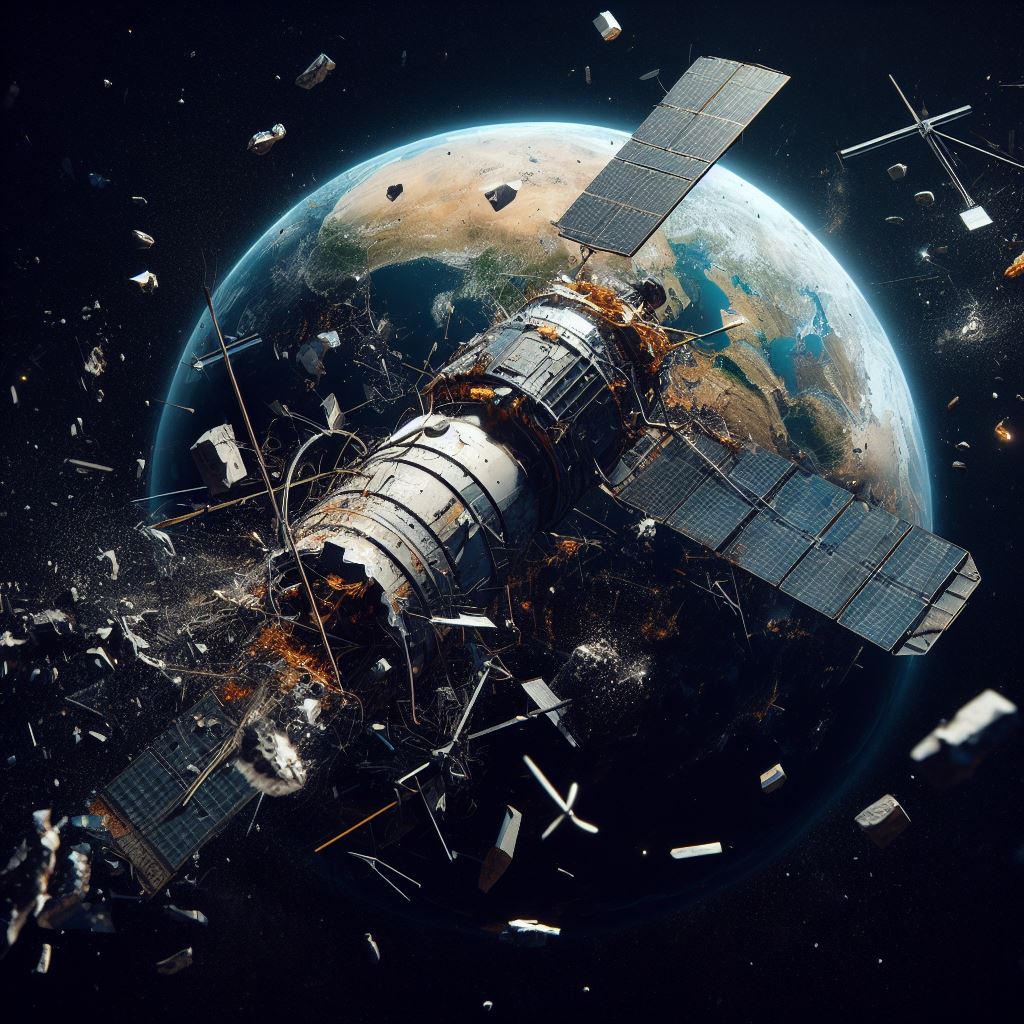
Launch Date
September 16, 1982
Launch Site
PLMSC
Launch Pad
LC32/2
Launch Vehicle
Tsiklon-3
NORAD ID
50334
International Designator
1982-092AAU
Decay Date
12/31/2021
Name
COSMOS 1408 DEB
Alternative Name
deb Kosmos-1408
Type
Status
Owner
ROSK
Country
USSR
Constellation
N/A
Related Satellites
Major Events
N/A
Length
0
Diameter
0
Span
0
Dry Mass
0
Launch Mass
0
Shape
N/A
Radar Cross Section
Unknown
Visual Magnitude
Unknown
Color
Unknown
Material Composition
Unknown
Payload
Unknown
Purpose
Unknown
Mission
Unknown
Manufacturer
YUZHUA
Life Expectancy
Unknown
Bus
Unknown
Configuration
Unknown
Motor
Unknown
Equipment
Unknown
Power System
Unknown
ADCS
Unknown
Transmitter Frequency
Unknown
Learn more about satellites and other related topics.
SpaceX continues to make strides with multiple launches, including 28 Starlink satellites and NASA's IMAP mission, highlighting its ongoing role in advancing space weather research.

US military praised for space operations against Iran assessed as jamming or spoofing satellite communications. Electronic warfare effects invisible to orbital tracking data.

Blue Origin's New Glenn rocket exploded hours after USSF and NRO awarded national security launch contract. Impact on NSSL competition unclear.
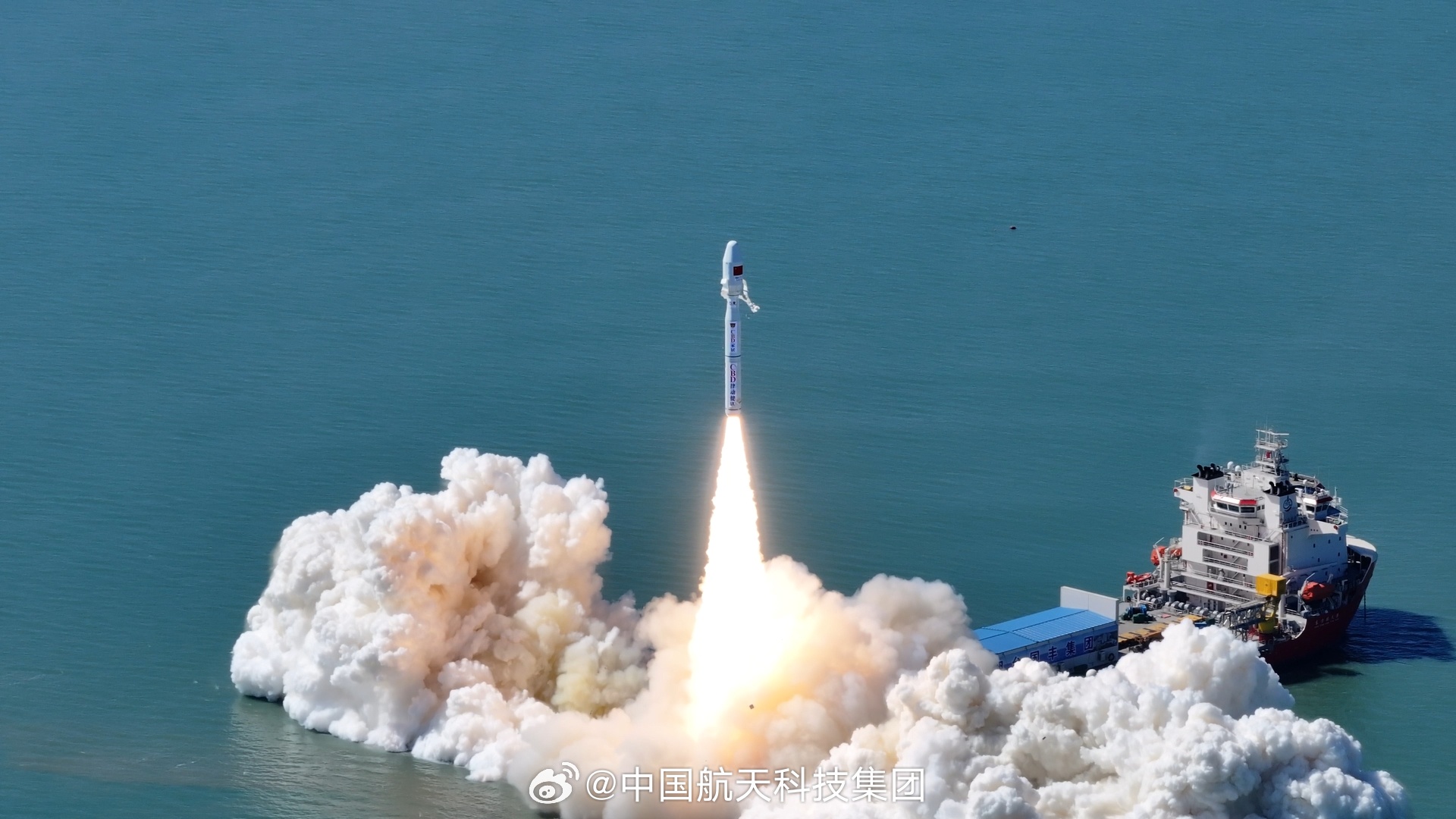
China's Shenlong spaceplane released an unidentified object in orbit, drawing scrutiny amid U.S. Space Force Victus Haze RPO demonstrations. Tracking data critical.

Today's briefing covers the ULA's military application for Vulcan's upper stage, FAA's efforts to expedite launch licensing, and a fascinating flyby of Mercury by BepiColombo.
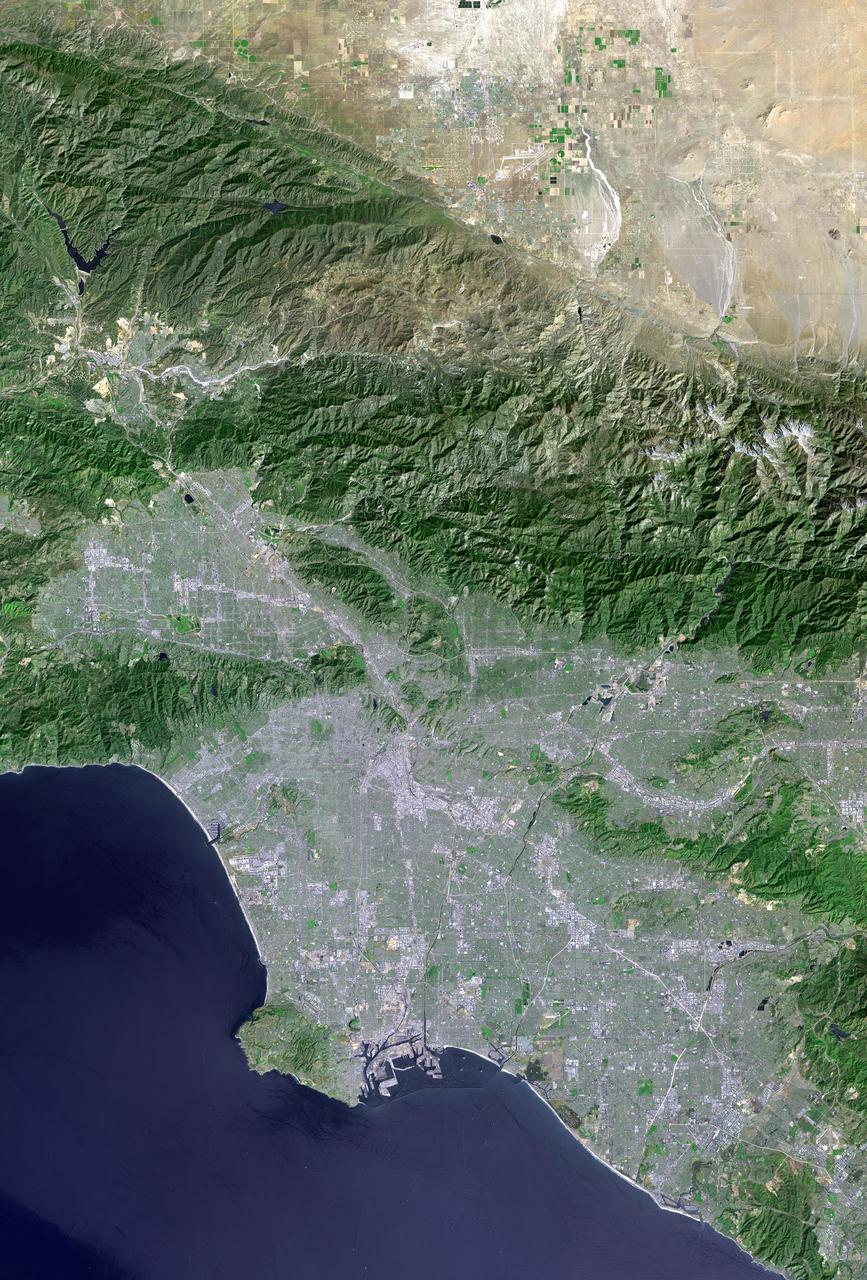
Landsat 7 launched on April 15, 1999, designed to last five years. It operated for twenty-five, survived a failure that destroyed a fifth of every image it took, and became part of the longest continuous record of Earth's surface ever assembled. Then they made the data free.
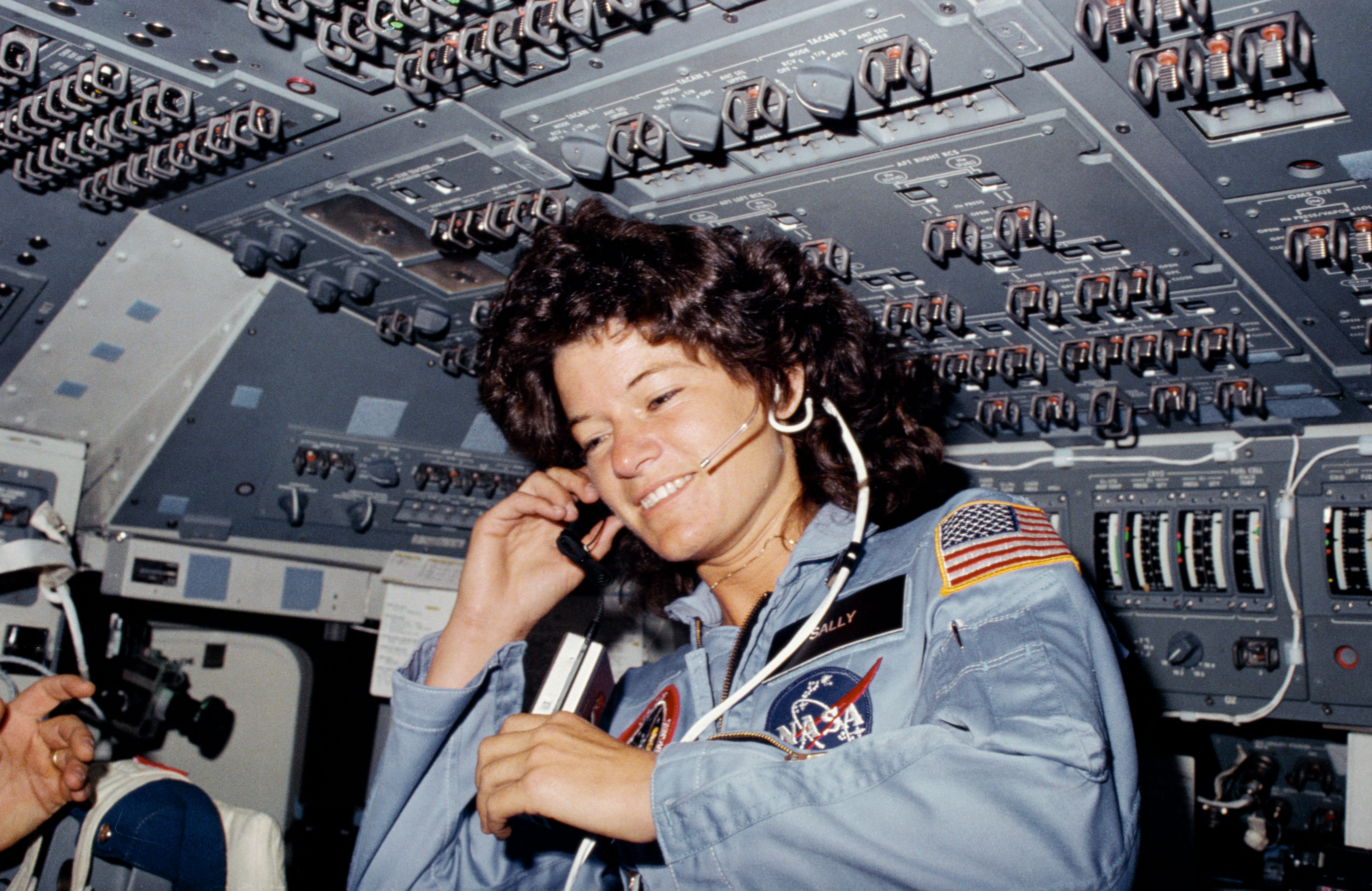
At 7:33 on the morning of 18 June 1983, a 32-year-old astrophysicist named Sally Ride rode Challenger off Pad 39A and became the first American woman in space. She got there two decades after the Soviets, and only after months of being asked whether spaceflight would damage her reproductive organs and whether she planned to cry.
SpaceX makes headlines with dual Starlink launches, Rocket Lab inaugurates new launch complex, while AI's impact on space missions and satellite technology continues to stir discussions.