

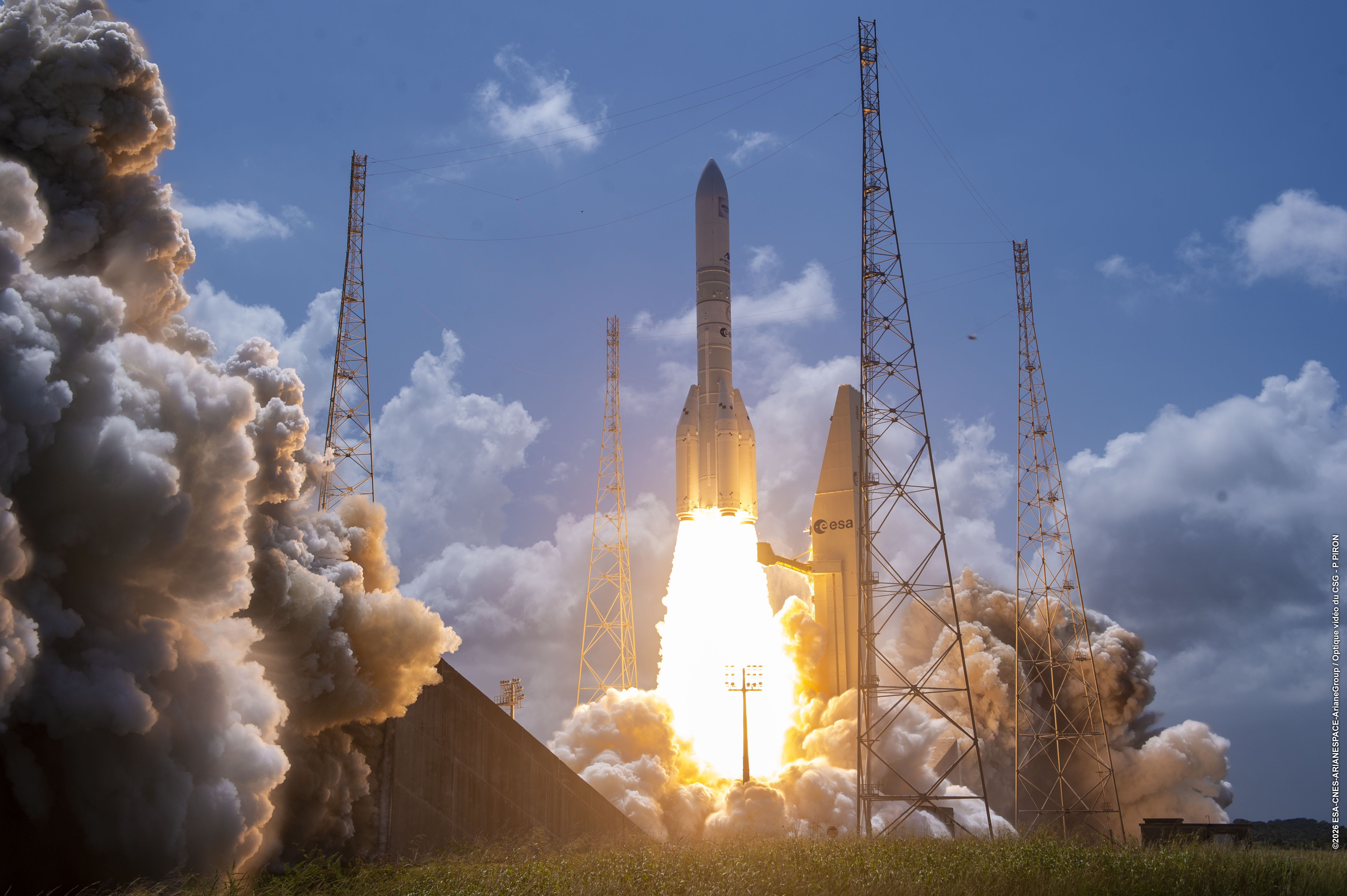
Space Force Orders 14 GPS 3F Satellites for $514M | KeepTrack Space Brief
Space Force awards Lockheed Martin $514M for two additional GPS 3F satellites, bringing total orders to 14. New satellites add anti-jam features and upgraded civilian signals.


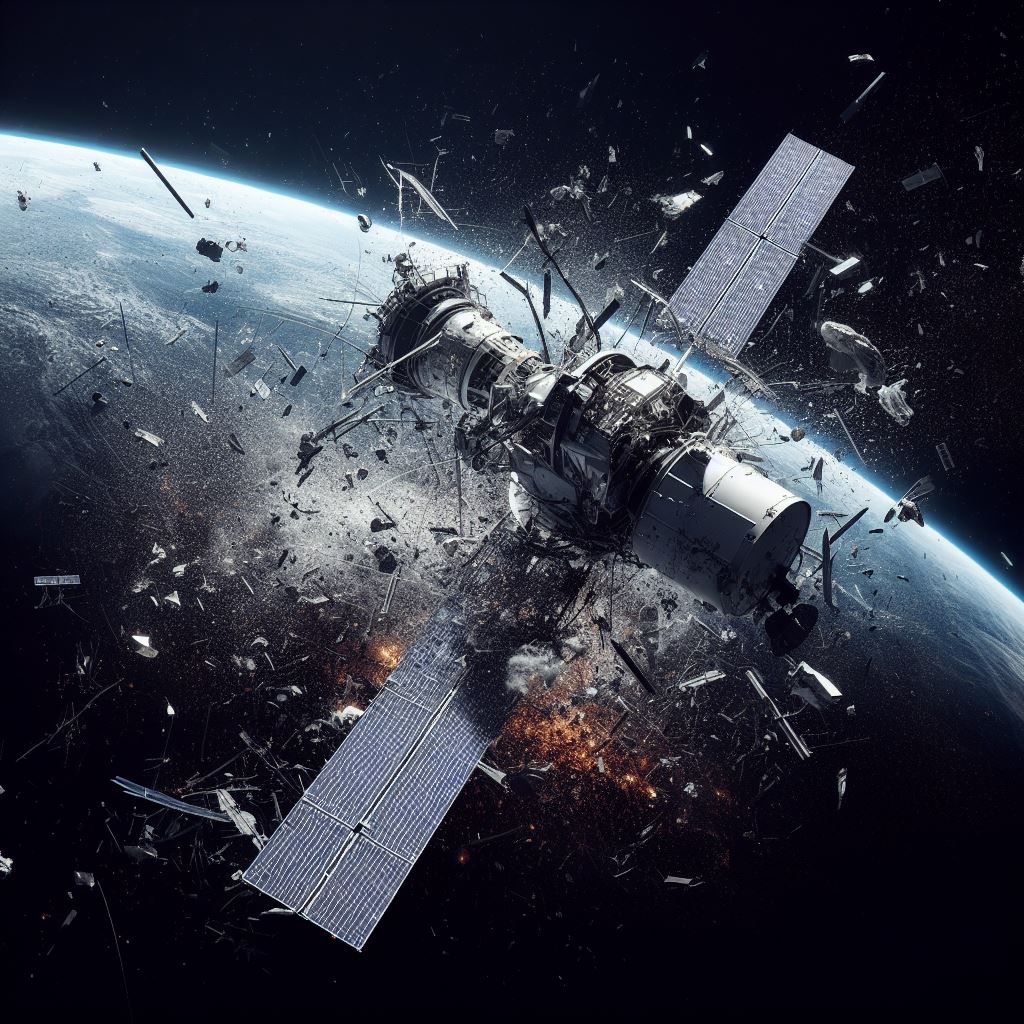
Launch Date
September 16, 1982
Launch Site
PLMSC
Launch Pad
LC32/2
Launch Vehicle
Tsiklon-3
NORAD ID
50265
International Designator
1982-092YE
Decay Date
5/31/2022
Name
COSMOS 1408 DEB
Alternative Name
deb Kosmos-1408
Type
Status
Owner
ROSK
Country
USSR
Constellation
N/A
Related Satellites
Major Events
N/A
Length
0
Diameter
0
Span
0
Dry Mass
0
Launch Mass
0
Shape
N/A
Radar Cross Section
Unknown
Visual Magnitude
Unknown
Color
Unknown
Material Composition
Unknown
Payload
Unknown
Purpose
Unknown
Mission
Unknown
Manufacturer
YUZHUA
Life Expectancy
Unknown
Bus
Unknown
Configuration
Unknown
Motor
Unknown
Equipment
Unknown
Power System
Unknown
ADCS
Unknown
Transmitter Frequency
Unknown
Learn more about satellites and other related topics.
Space Force awards Lockheed Martin $514M for two additional GPS 3F satellites, bringing total orders to 14. New satellites add anti-jam features and upgraded civilian signals.

SpaceX set to launch GPS 3-9 for Space Force after strategic switch from ULA's Vulcan to Falcon 9. 25 Starlink satellites deployed to polar orbit. Musk explains SpaceX exponential growth trajectory.

Today's Space Brief highlights the U.S. Air Force's $48 million investment in testing reentry capsules, a Pentagon-backed GPS alternative, and the Space Force's quest for funding autonomy.
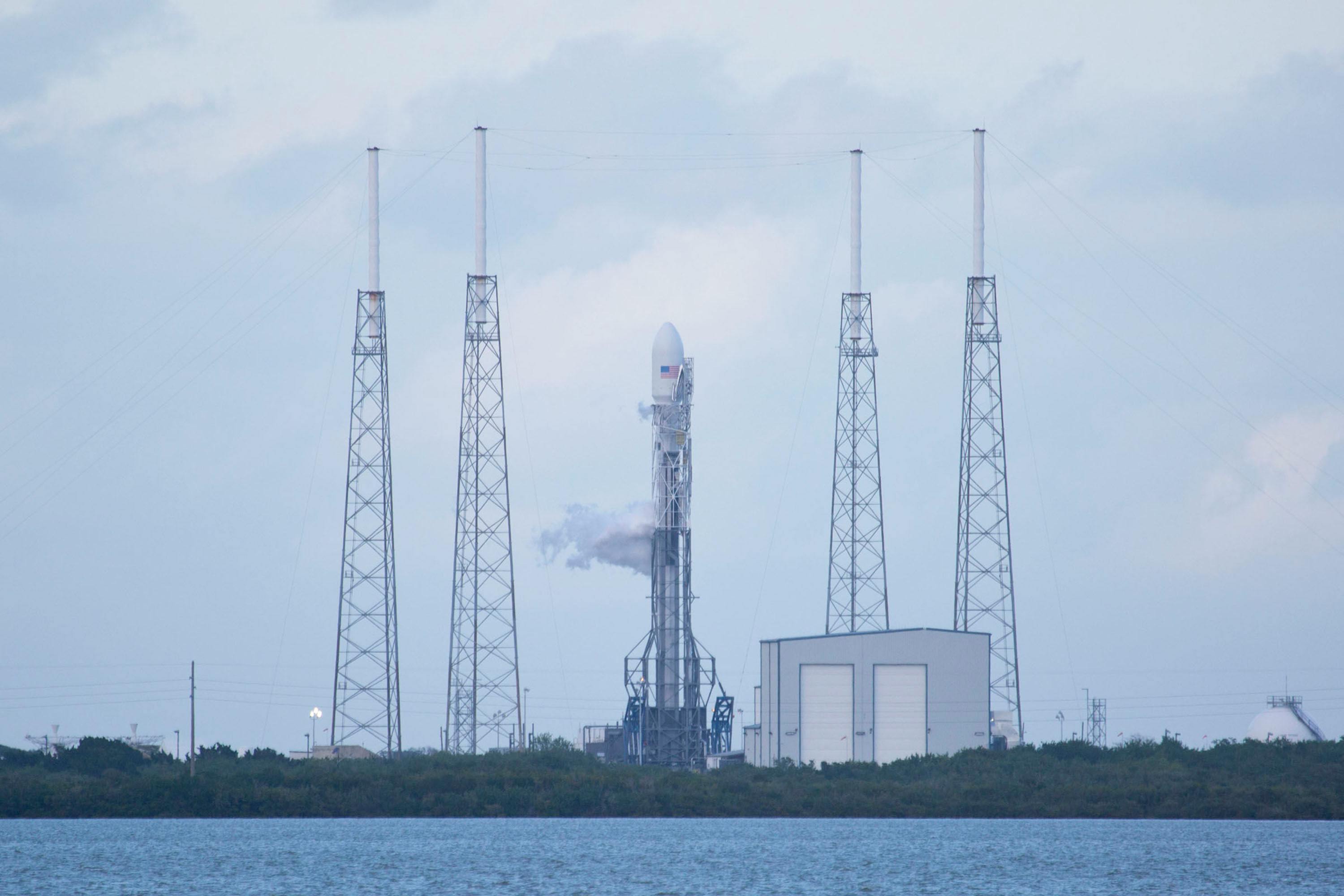
SpaceX deploys 29 Starlink satellites from Cape Canaveral on the Starlink 6-100 mission. Falcon 9 lifted off at 6:31 p.m. EST continuing SpaceX's dominant satellite internet market position.
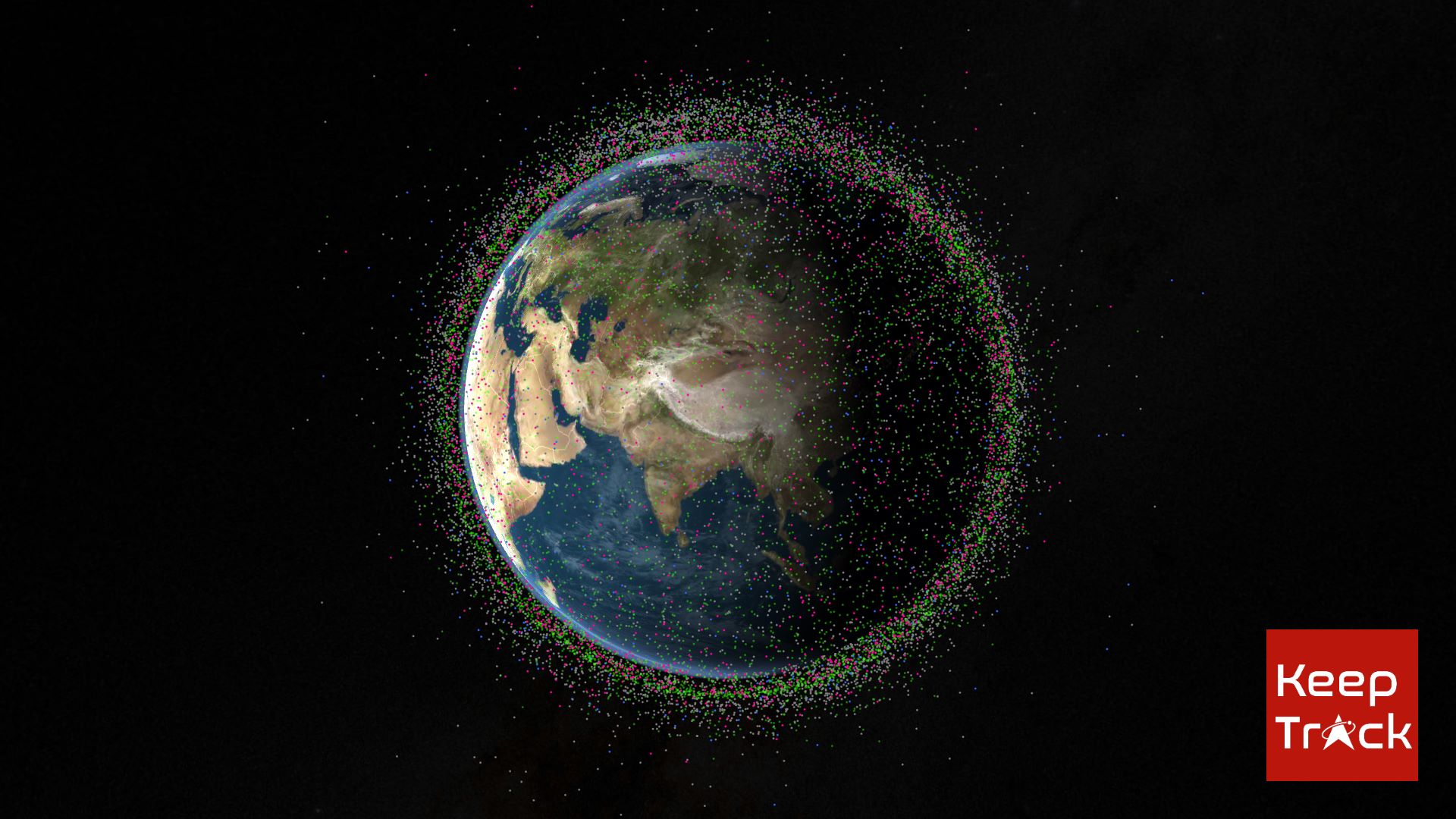
The bustling downtown of space: where most satellites operate, communication networks bloom, and the challenges of atmospheric drag and radiation shape our approach to space operations
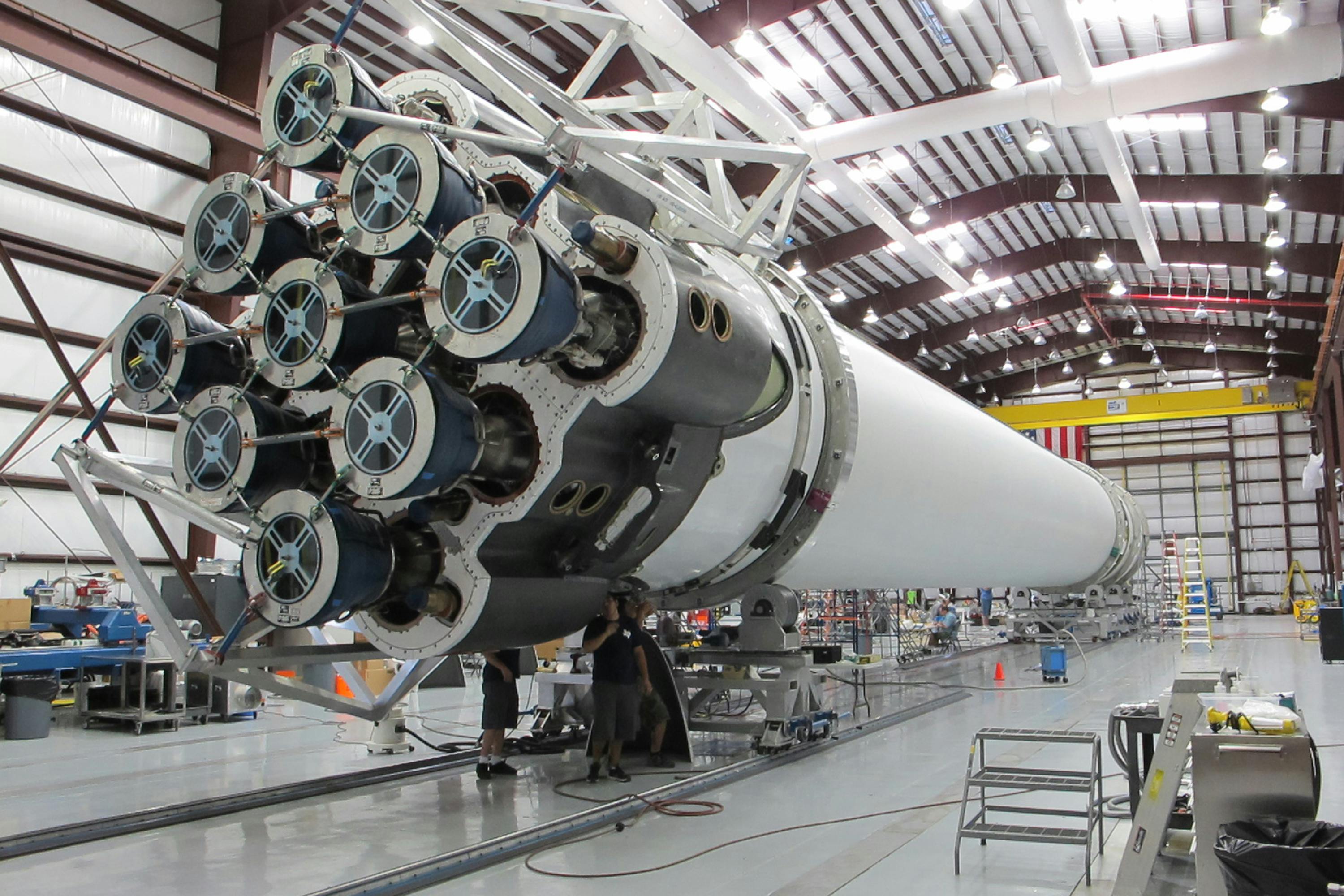
SpaceX makes strides in various sectors, from Starlink expanding services on United Airlines to new hardware aimed at enhancing home connectivity.
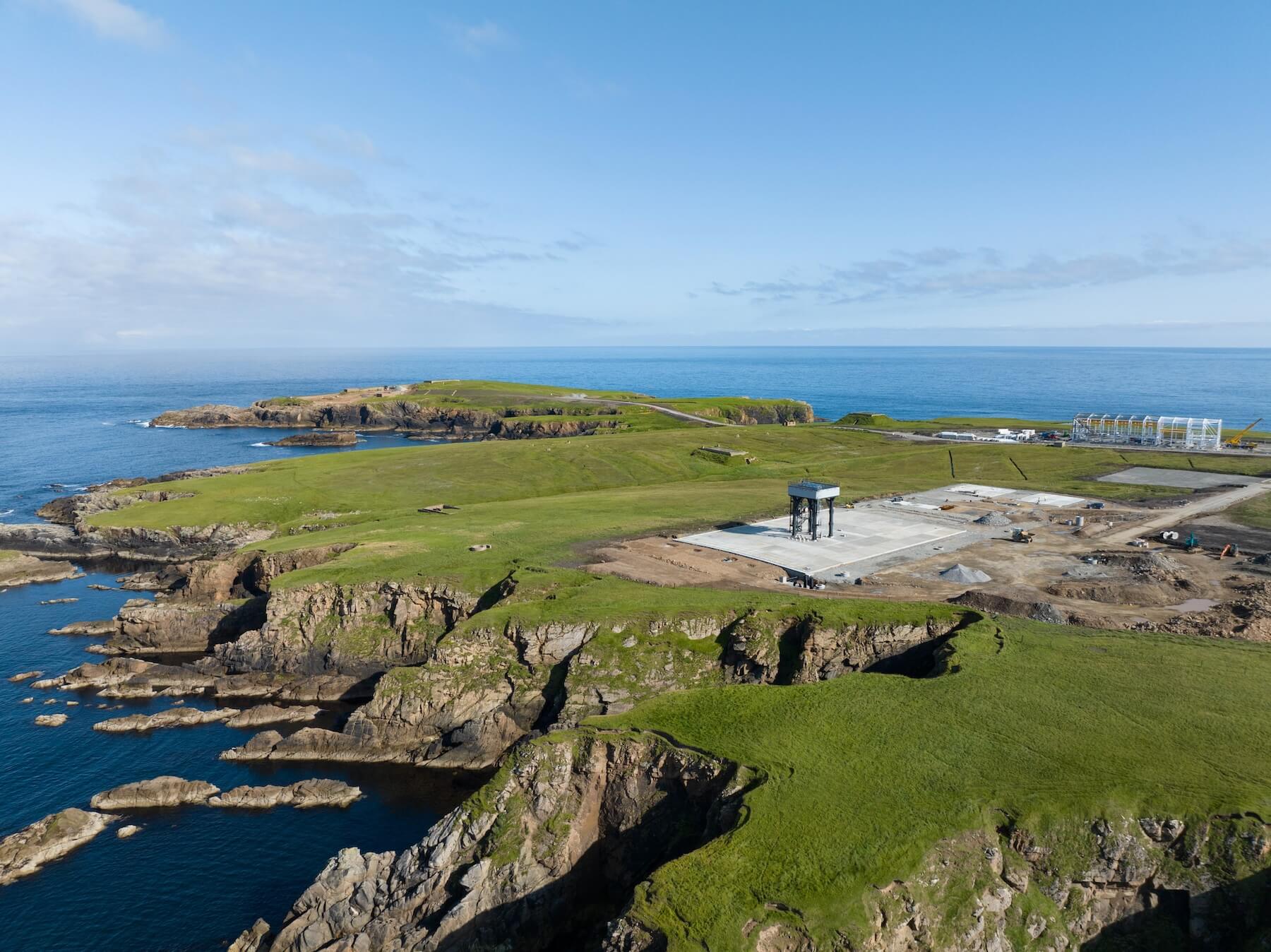
The UK's orbital ambitions rest on a remote Shetland island. How SaxaVord became Europe's first fully licensed vertical launch spaceport - and why, despite being ready for years, it's still waiting for a rocket that works.
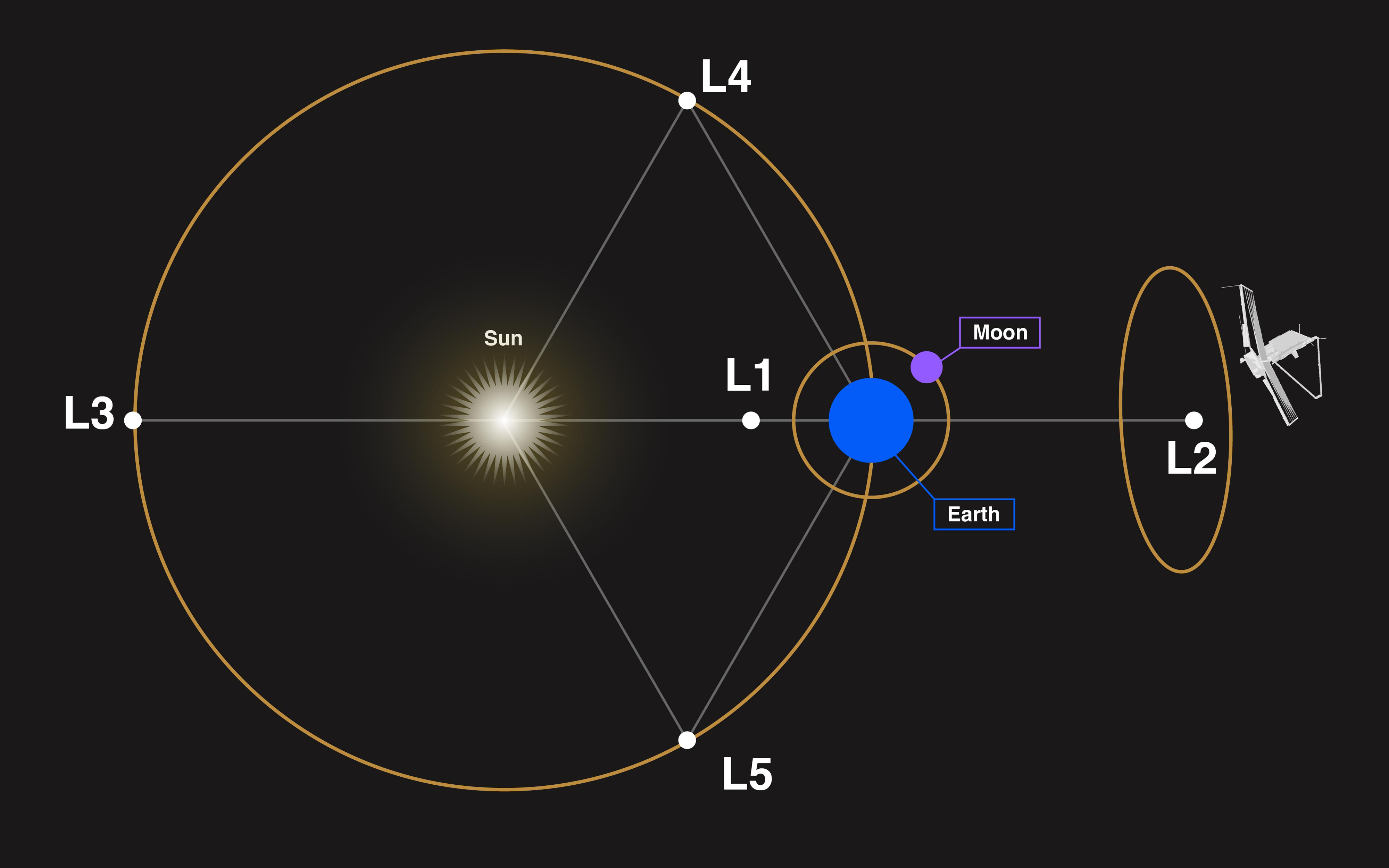
Five spots in the Earth-Sun system where the gravitational tug of two massive bodies and the pull of circular motion all cancel out, creating gravitational parking spaces where spacecraft can sit for decades with almost no fuel.