


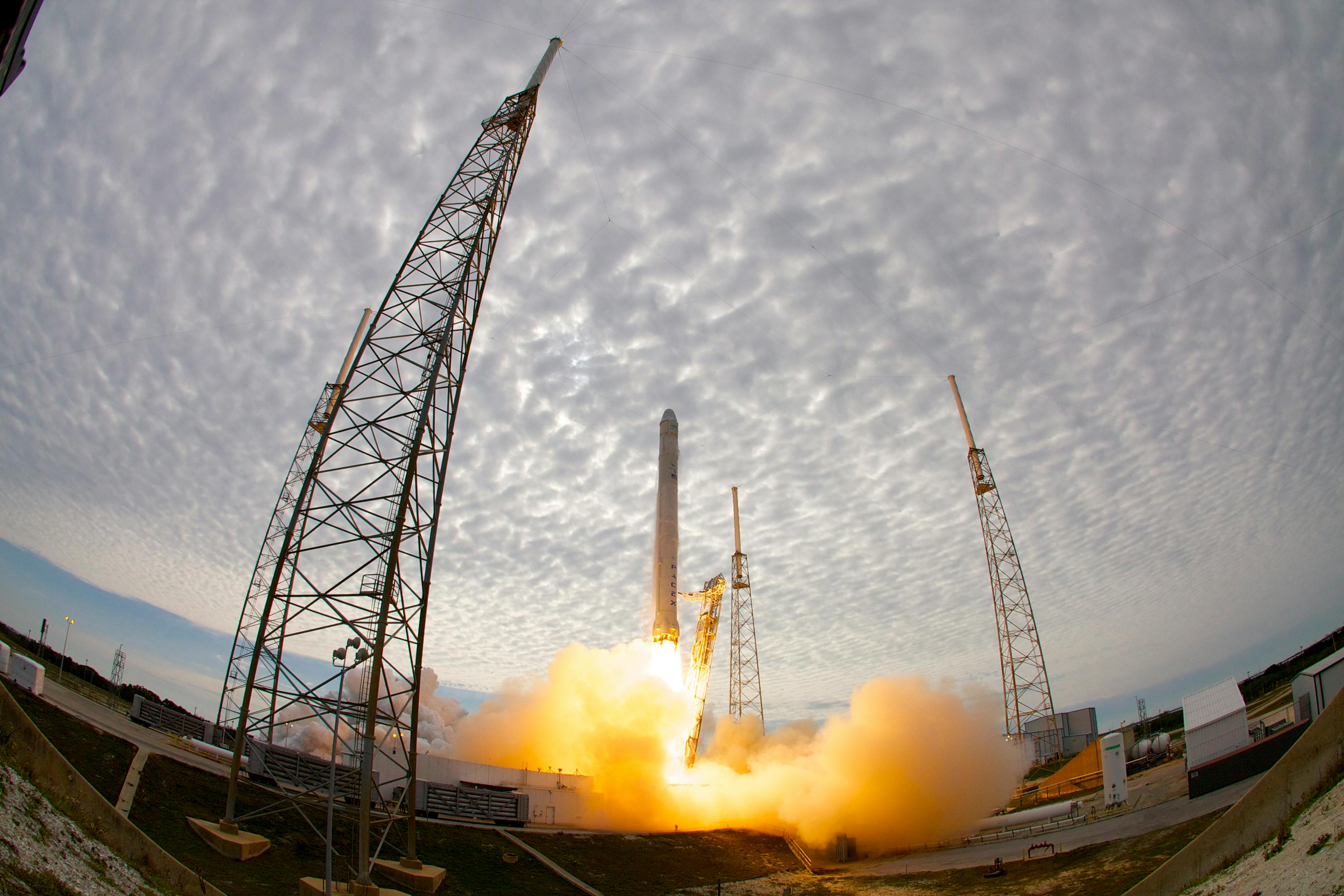
X Report 18 Mar 2025
Major breakthroughs as SpaceX prepares to bring astronauts home and multiple launches unfold this week.



Launch Date
May 26, 2021
Launch Site
Launch Pad
LC40
Launch Vehicle
NORAD ID
48649
International Designator
2021-044M
Epoch
Sat, 04 Jul 2026 00:09:57 GMT
Apogee
Calculating...
Perigee
Calculating...
Inclination
53.16°
Right Ascension
292.64°
Eccentricity
Calculating...
Argument of Perigee
94.93°
Period
94.01 min
Mean Motion
15.32 rev/day
Latitude
Calculating...
Longitude
Calculating...
Altitude
Calculating...
Velocity
Calculating...
Name
STARLINK-2673
Alternative Name
Starlink 2673
Type
Status
Owner
SPXS
Country
United States
Constellation
N/A
Related Satellites
Major Events
N/A
1 48649U 21044M 26185.00691037 .00020402 00000-0 66793-3 0 9992
2 48649 53.1560 292.6411 0000729 94.9301 265.1783 15.31673733281644
Source: Celestrak
Length
0.2
Diameter
2.8
Span
9
Dry Mass
248
Launch Mass
260
Shape
Box + pan
Radar Cross Section
Unknown
Visual Magnitude
Unknown
Color
Unknown
Material Composition
Unknown
Payload
Starlink V1.0-L28-12
Purpose
Communication
Mission
Communication
Manufacturer
SPXS
Life Expectancy
Unknown
Bus
Starlink
Configuration
Unknown
Motor
Krypton ion thrusters
Equipment
Ku/Ka-band payload (all), optical inter-satellite links (a few prototypes)
Power System
Solar arrays, batteries
ADCS
Unknown
Transmitter Frequency
Unknown
Learn more about satellites and other related topics.
Major breakthroughs as SpaceX prepares to bring astronauts home and multiple launches unfold this week.
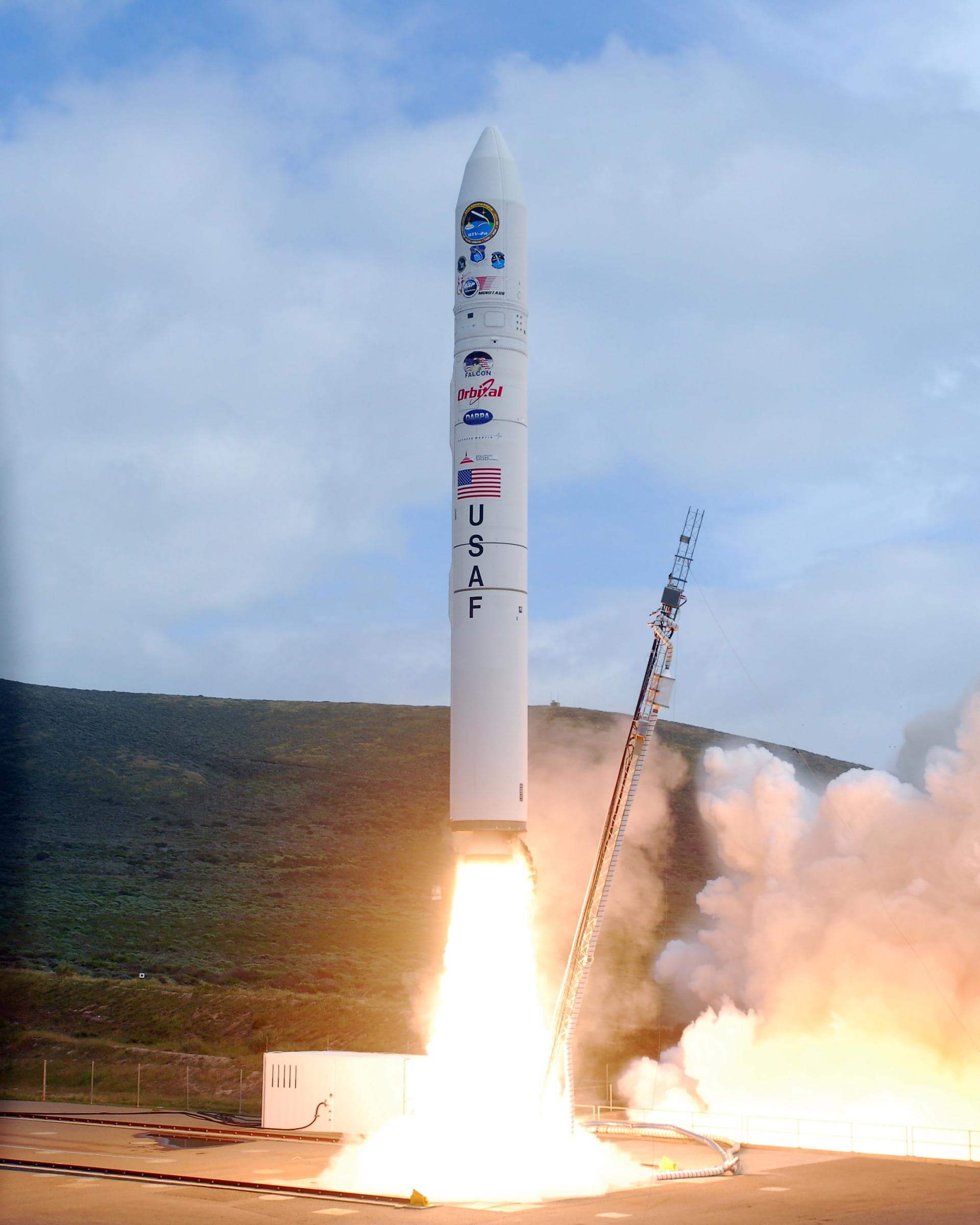
Today's brief covers crucial developments in satellite technology and operations, including new Starlink launches, groundbreaking satellite data on flood waves, and pivotal changes in South African telecom policy driven by Starlink.

SpaceX advances pre-launch tests amid Starlink deployment surge and strategic expansions in Texas.

Current number of Starlink satellites in orbit April 2026: 10,168 working of 10,177 tracked, 11,724 launched. Fleet health tops 99.9%.
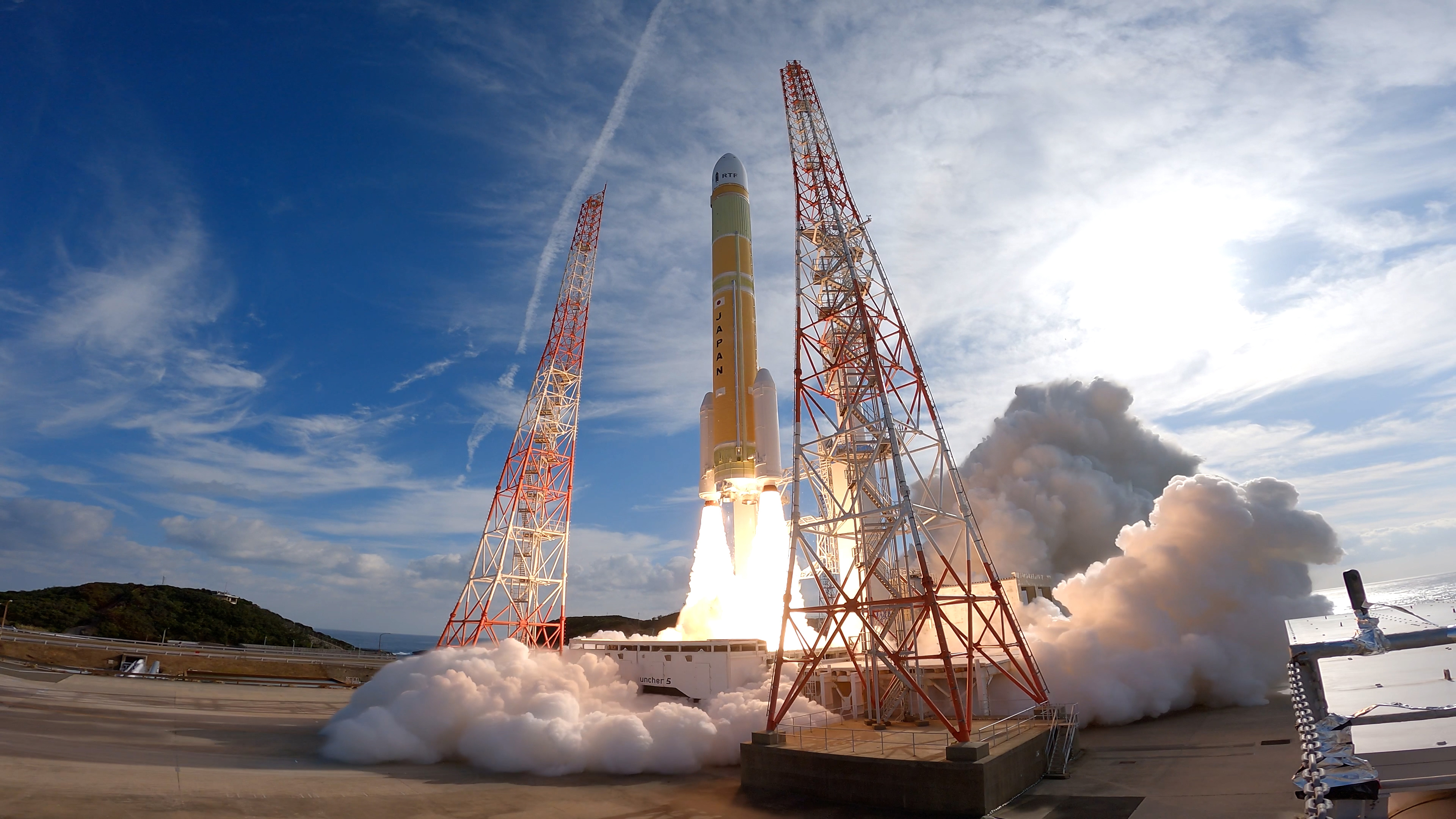
Today's highlights include new space-based interceptor developments, a UK space tracking partnership, a strategic satellite imagery alliance, and more.

The bustling downtown of space: where most satellites operate, communication networks bloom, and the challenges of atmospheric drag and radiation shape our approach to space operations

Today's brief covers China's Gaofen-14 satellite launch, Europe's advancements in asteroid defense through GomSpace, and Russia's controversial Burevestnik missile test.
Discover the latest innovations from Rocket Lab, new developments in hypersonic flight, and significant advances in satellite technology with BlackSky. Gain insights into the Space Force's mission and MIT physicists' breakthroughs in observing atoms.