STARLINK-2253 (48596)

COSPAR: 2021-041AV | Alt Name: Starlink 2253

Image
STARLINK-2253 Satellite Image
Additional Sources
Launch Details

Launch Date

May 15, 2021

Launch Pad

LC39A

Launch Vehicle

Falcon 9

Orbital Elements

NORAD ID

48596

International Designator

2021-041AV

Epoch

Fri, 03 Jul 2026 18:10:35 GMT

Apogee

Calculating...

Perigee

Calculating...

Inclination

53.16°

Right Ascension

319.53°

Eccentricity

Calculating...

Argument of Perigee

92.05°

Period

94.01 min

Mean Motion

15.32 rev/day

Latitude

Calculating...

Longitude

Calculating...

Altitude

Calculating...

Velocity

Calculating...

Polar Plot
3D Visualization
Basic Satellite Info

Name

STARLINK-2253

Alternative Name

Starlink 2253

Type

Payload

Status

Operational

Owner

SPXS

Country

United States

Constellation

N/A

Related Satellites

Major Events

N/A

Latest TLEs
1 48596U 21041AV  26184.75736077  .00005807  00000-0  19864-3 0  9994
2 48596  53.1604 319.5269 0001087  92.0459 268.0666 15.31717216283330

Source: Celestrak

Summary
The STARLINK-2253 satellite, also known as Starlink 2253 and identified by NORAD CAT ID 48596, is a communication satellite manufactured by SPXS (SpaceX) for the Starlink constellation. It was launched on May 15, 2021, from Launch Complex 39A at Kennedy Space Center using a Falcon 9 launch vehicle. The satellite has dimensions of approximately 0.2 meters in length and 2.8 meters in diameter with a span of 9 meters due to its solar arrays. At launch, it weighed 260 kilograms, with a dry mass of 248 kilograms. Equipped with Ku/Ka-band payload and optical inter-satellite links (in prototypes), the satellite is powered by solar arrays and batteries and uses Krypton ion thrusters for propulsion. Its design includes a box-shaped body with a pan configuration, and its purpose is to provide communication services as part of SpaceX's Starlink constellation.

Starlink is a satellite constellation developed by SpaceX with the aim of providing global broadband internet coverage. Thousands of small satellites are deployed in low Earth orbit (LEO), enabling high-speed internet access even in remote areas. However, the rapid increase in satellites raises concerns about space debris and the potential for collisions, which can lead to further debris creation and endanger other spacecraft. Additionally, the sheer number of Starlink satellites can affect astronomical observations by increasing light pollution. Proper deorbiting plans and international coordination are essential to mitigate these challenges and ensure long-term sustainability in space.
Physical Characteristics

Length

0.2

Diameter

2.8

Span

9

Dry Mass

248

Launch Mass

260

Shape

Box + pan

Radar Cross Section

Unknown

Visual Magnitude

Unknown

Color

Unknown

Material Composition

Unknown

Technical Details

Payload

Starlink V1.0-L26-44

Purpose

Communication

Mission

Communication

Manufacturer

SPXS

Life Expectancy

Unknown

Bus

Starlink

Configuration

Unknown

Motor

Krypton ion thrusters

Equipment

Ku/Ka-band payload (all), optical inter-satellite links (a few prototypes)

Power System

Solar arrays, batteries

ADCS

Unknown

Transmitter Frequency

Unknown

Map
This tool will help you track the satellite's position and predict its upcoming passes over your location. Simply input the coordinates or click the geolocation button to get started.
Next Pass
Azimuth Elevation Time (Local)
Start Azimuth
Max Elevation
Stop Azimuth
Time Until
Pass Duration

Satellite Articles

View All Posts »

Learn more about satellites and other related topics.

User-Inspired Update

User-Inspired Update

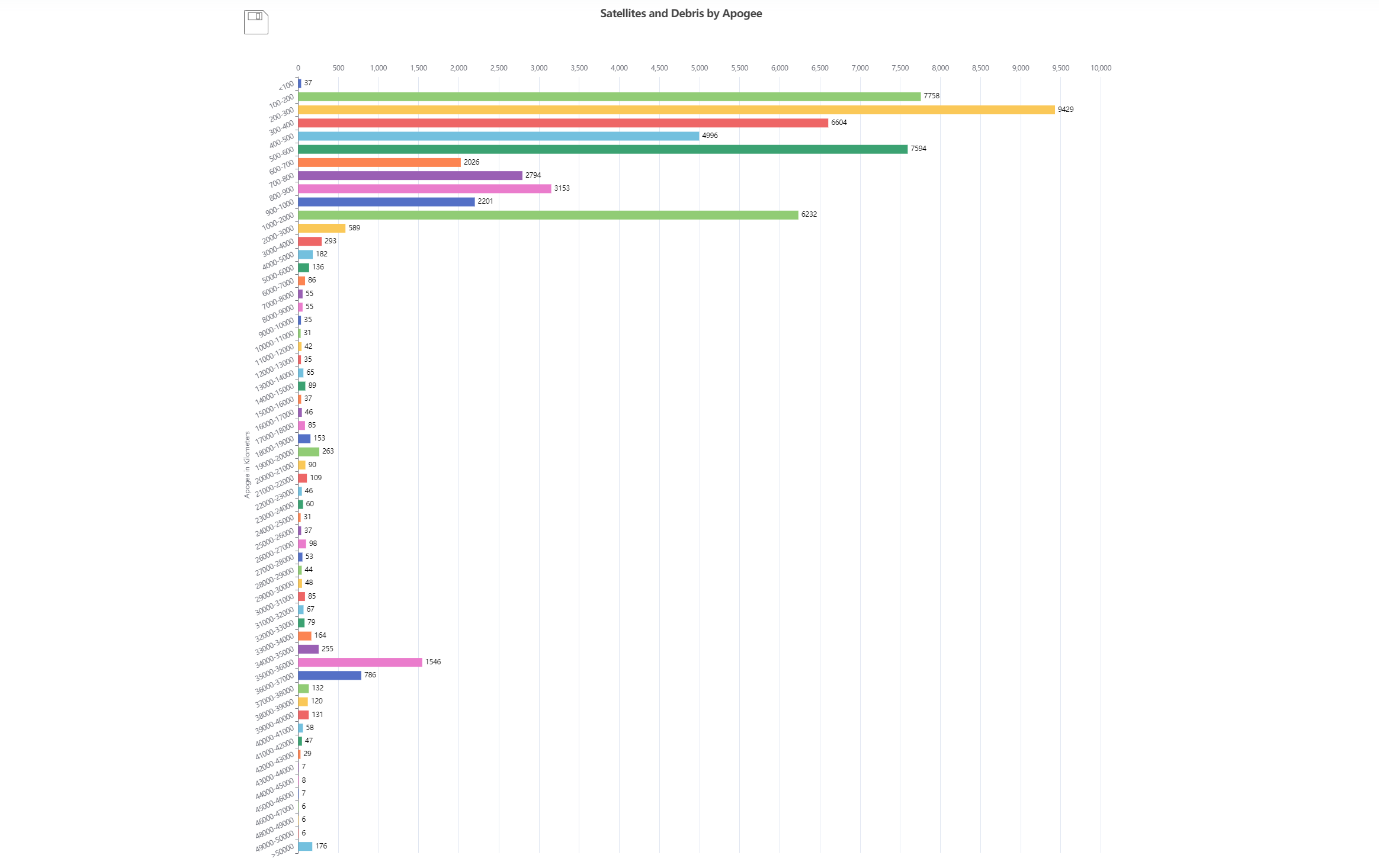
A user suggestion led to the addition of new visualizations for satellites, debris, and unidentified objects across different orbits in KeepTrack.

China Caps Record Year With 92 Orbital Launches, New Reusable Rocket Planned | KeepTrack Space Brief

China Caps Record Year With 92 Orbital Launches, New Reusable Rocket Planned | KeepTrack Space Brief

China hits record 92 orbital launches in 2025. Vandenberg opens new launch site for providers. Former ULA CEO Tory Bruno joins Blue Origin for national security projects.
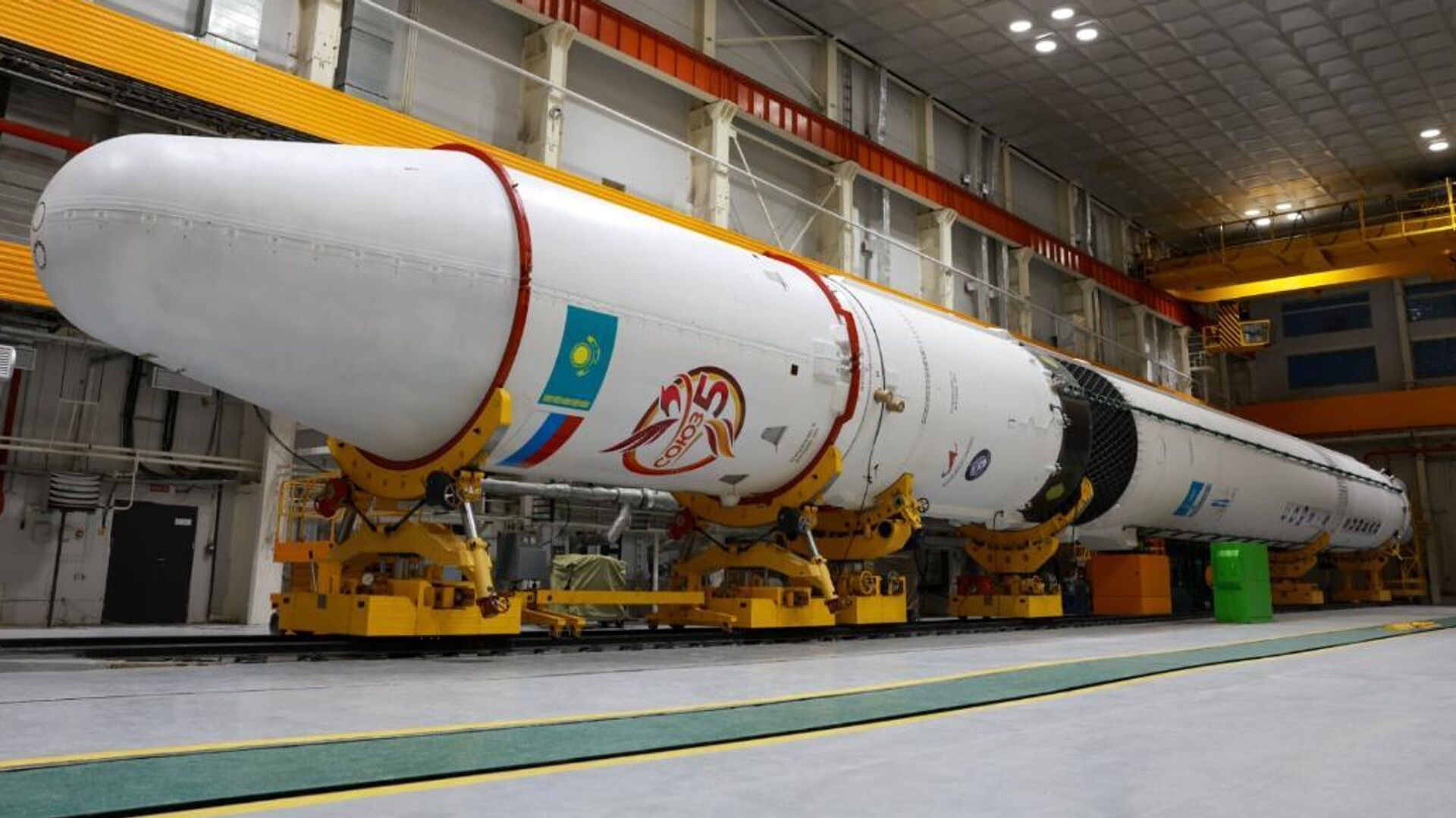
Artemis 2 Targets April 1 Lunar Flyby with 4-Person Crew | KeepTrack Space Brief

Artemis 2 Targets April 1 Lunar Flyby with 4-Person Crew | KeepTrack Space Brief

NASA's Artemis 2 launches April 1 with Commander Reid Wiseman and 3 crew members for first crewed lunar flyby since Apollo 17 in 1972.

Space Brief 19 Dec 2025

Space Brief 19 Dec 2025

Today's brief highlights significant developments in space defense, innovation fund challenges, and international defense agreements impacting satellite utilities.

Space Force Gets $26B in Defense Bill, Golden Dome Initiative Funded | KeepTrack Space Brief

Space Force Gets $26B in Defense Bill, Golden Dome Initiative Funded | KeepTrack Space Brief

Space Force allocated $26B in 2026 defense appropriations backing Golden Dome initiative. FY26 defense bill adds $8B but sidelines $28B munitions request. First Qatari-Emirati joint defense venture formed.

China's Shenlong Spaceplane Releases Mystery Object | KeepTrack Space Brief

China's Shenlong Spaceplane Releases Mystery Object | KeepTrack Space Brief

China's Shenlong spaceplane released an unidentified object in orbit, drawing scrutiny amid U.S. Space Force Victus Haze RPO demonstrations. Tracking data critical.
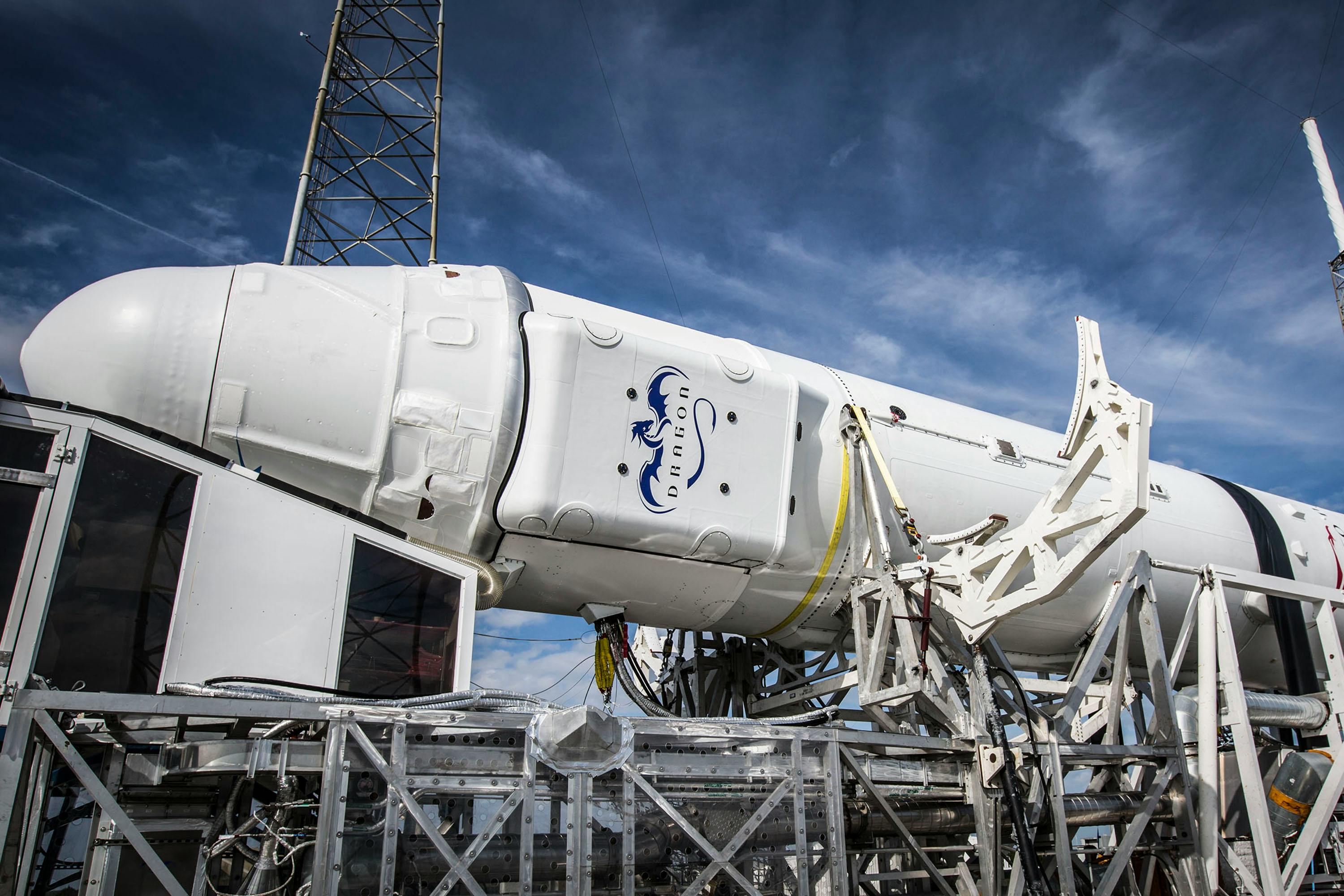
Space Brief 25 Nov 2024

Space Brief 25 Nov 2024

Today's brief highlights the need for better space debris management, multiple SpaceX Starlink launches, and NASA's upcoming lunar cargo delivery plans.

When Will SpaceX Go Public?

When Will SpaceX Go Public?

As SpaceX continues to make groundbreaking advancements in the space industry, investors are eagerly anticipating the company's potential IPO. Learn about the factors influencing SpaceX's decision to go public and the estimated timeline for this highly anticipated event.
