STARLINK-2700 (48431)

COSPAR: 2021-040D | Alt Name: Starlink 2700

Image
STARLINK-2700 Satellite Image
Additional Sources
Launch Details

Launch Date

May 9, 2021

Launch Pad

LC40

Launch Vehicle

Falcon 9

Orbital Elements

NORAD ID

48431

International Designator

2021-040D

Epoch

Fri, 03 Jul 2026 20:01:59 GMT

Apogee

Calculating...

Perigee

Calculating...

Inclination

53.16°

Right Ascension

332.43°

Eccentricity

Calculating...

Argument of Perigee

81.64°

Period

94.01 min

Mean Motion

15.32 rev/day

Latitude

Calculating...

Longitude

Calculating...

Altitude

Calculating...

Velocity

Calculating...

Polar Plot
3D Visualization
Basic Satellite Info

Name

STARLINK-2700

Alternative Name

Starlink 2700

Type

Payload

Status

Operational

Owner

SPXS

Country

United States

Constellation

N/A

Related Satellites

Major Events

N/A

Latest TLEs
1 48431U 21040D   26184.83471585  .00006861  00000-0  23260-3 0  9996
2 48431  53.1598 332.4275 0000564  81.6443 278.4622 15.31707718284825

Source: Celestrak

Summary
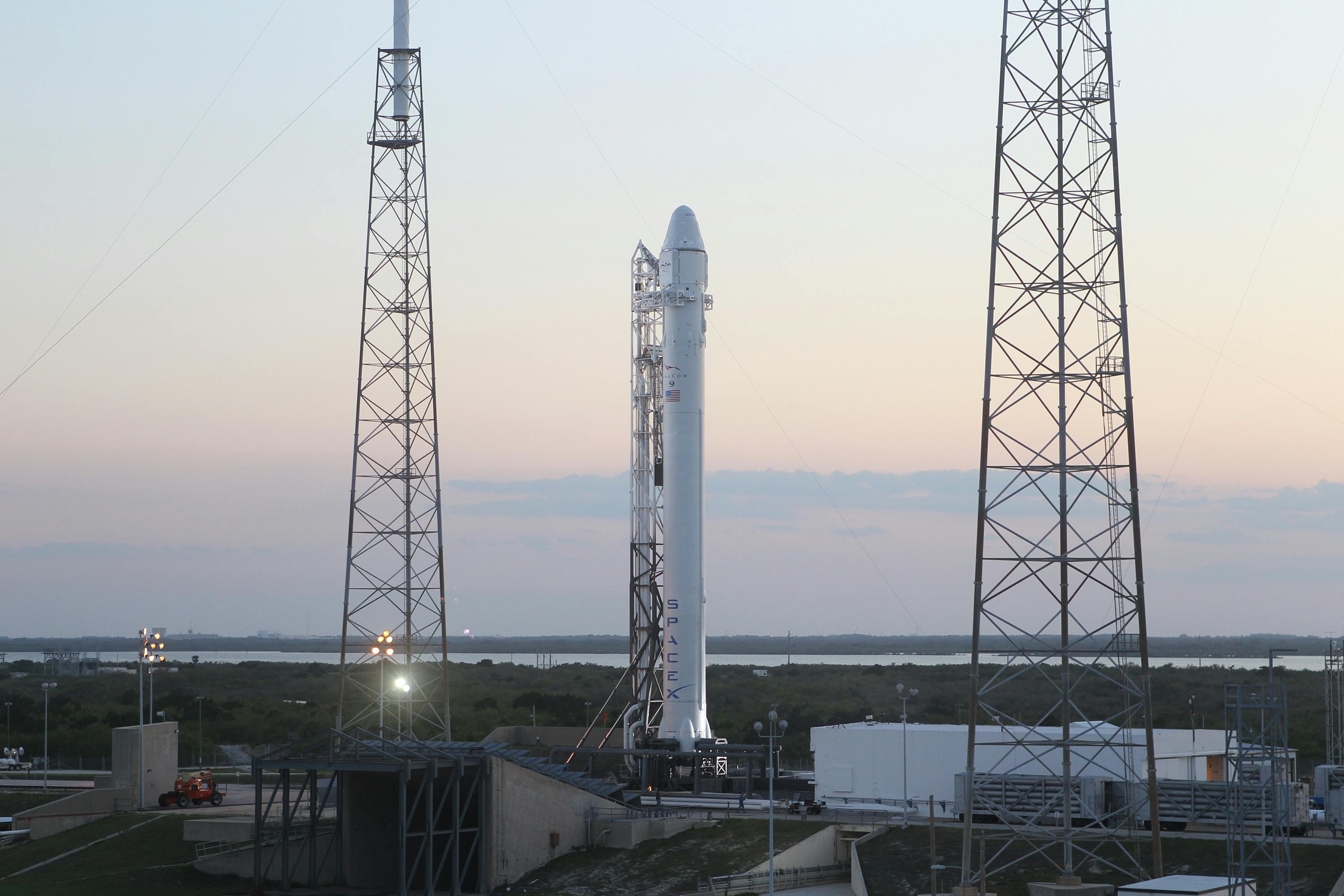
The STARLINK-2700 satellite, also known as Starlink 2700, is part of SpaceX's Starlink constellation and was launched on May 9, 2021, from the Cape Canaveral Space Force Station using a Falcon 9 launch vehicle. The satellite measures approximately 0.2 meters in length with a diameter of 2.8 meters and spans up to 9 meters when fully deployed. It has a dry mass of 248 kilograms and was launched with a total mass of 260 kilograms. Equipped with Ku/Ka-band payload capabilities, some prototypes also feature optical inter-satellite links for communication purposes. The satellite's propulsion is powered by krypton ion thrusters, and it utilizes solar arrays and batteries for power generation. Its primary mission is to provide communication services as part of the broader Starlink network operated by SpaceX.

Starlink is a satellite constellation developed by SpaceX with the aim of providing global broadband internet coverage. Thousands of small satellites are deployed in low Earth orbit (LEO), enabling high-speed internet access even in remote areas. However, the rapid increase in satellites raises concerns about space debris and the potential for collisions, which can lead to further debris creation and endanger other spacecraft. Additionally, the sheer number of Starlink satellites can affect astronomical observations by increasing light pollution. Proper deorbiting plans and international coordination are essential to mitigate these challenges and ensure long-term sustainability in space.
Physical Characteristics

Length

0.2

Diameter

2.8

Span

9

Dry Mass

248

Launch Mass

260

Shape

Box + pan

Radar Cross Section

Unknown

Visual Magnitude

Unknown

Color

Unknown

Material Composition

Unknown

Technical Details

Payload

Starlink V1.0-L27-04

Purpose

Communication

Mission

Communication

Manufacturer

SPXS

Life Expectancy

Unknown

Bus

Starlink

Configuration

Unknown

Motor

Krypton ion thrusters

Equipment

Ku/Ka-band payload (all), optical inter-satellite links (a few prototypes)

Power System

Solar arrays, batteries

ADCS

Unknown

Transmitter Frequency

Unknown

Map
This tool will help you track the satellite's position and predict its upcoming passes over your location. Simply input the coordinates or click the geolocation button to get started.
Next Pass
Azimuth Elevation Time (Local)
Start Azimuth
Max Elevation
Stop Azimuth
Time Until
Pass Duration

Satellite Articles

View All Posts »

Learn more about satellites and other related topics.

Space Brief 7 May 2025

Space Brief 7 May 2025

Today's briefing focuses on key developments in military space activities, technological advancements, and strategic challenges faced by the U.S. in space dominance. Notably, the Space Force is expanding its missile warning capabilities, and significant funding discussions are underway.
SpaceX IPO Day 1: Falcon 9 Flies, Musk Eyes $1T | KeepTrack X Report

SpaceX IPO Day 1: Falcon 9 Flies, Musk Eyes $1T | KeepTrack X Report

SpaceX surged 19% on Nasdaq debut as Falcon 9 B1093 deployed 24 Starlink satellites — the 1,500th launched in 2026 — while Dragon CRS-34 heads home.

The Bomb That NASA Built by Accident

The Bomb That NASA Built by Accident

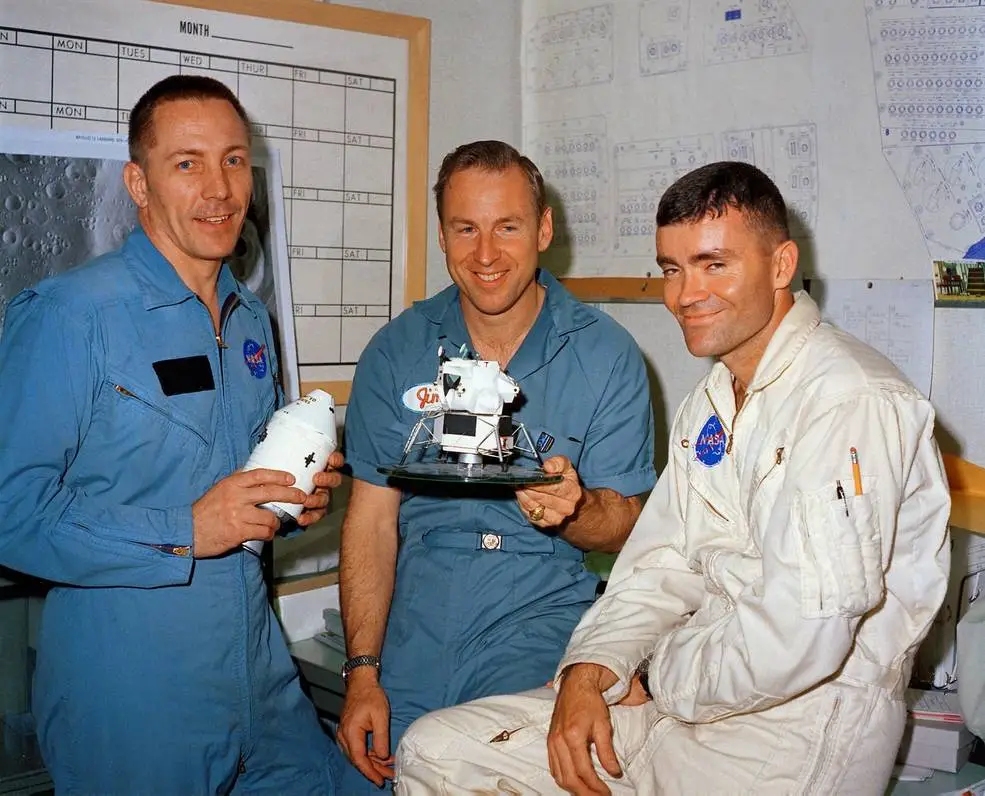
An overlooked thermostat, eight hours of overheating on a Florida launch pad, and 200,000 miles of coasting through deep space. Then Oxygen Tank No. 2 tore itself apart, and three men had to figure out how to come home alive in a spacecraft designed to land on the Moon.

Starship V3 Targets May 19 Debut; FCC OKs $2.4B Spectrum Deal | KeepTrack X Report

Starship V3 Targets May 19 Debut; FCC OKs $2.4B Spectrum Deal | KeepTrack X Report

SpaceX targets May 19 for Starship V3's first flight from Pad 2 as the FCC approves a $2.4B EchoStar spectrum deal for Starlink D2D.

X Report 23 Aug 2025

X Report 23 Aug 2025

This week's highlights include the successful launch of the X-37B spaceplane and the deployment of 24 new Starlink satellites, alongside preparations for the upcoming Starship Flight 10.

X Report 25 Feb 2025

X Report 25 Feb 2025

SpaceX has completed the investigation into Starship Flight 7, announcing causes ahead of the next planned launch, while numerous missions are lined up for launch this week.

Space Force Raises Andromeda Contract to $6.2B for SSA Satellites | KeepTrack Space Brief

Space Force Raises Andromeda Contract to $6.2B for SSA Satellites | KeepTrack Space Brief

U.S. Space Force increased Andromeda contract ceiling to $6.2 billion for next-generation space situational awareness satellites replacing GSSAP and SILENTBARKER programs.

The $1.5 Million Starlink Jammer That Ukraine Keeps Blowing Up

The $1.5 Million Starlink Jammer That Ukraine Keeps Blowing Up

Russia's Volna Kupol Garant electronic warfare system was purpose-built to jam Starlink. It costs around $1.5 million per unit, covers just 20 square kilometers, and can only target one satellite at a time. Ukraine has been finding and destroying them within days of deployment.