


Space Brief 28 Aug 2025
Today's briefing covers collaborations enhancing defense capabilities, new satellite technologies entering the market, and strategic shifts in military satellite applications.



Launch Date
April 14, 1967
Launch Site
AFWTR
Launch Pad
SLC5
Launch Vehicle
Scout A
NORAD ID
04843
International Designator
1967-034E
Epoch
Fri, 03 Jul 2026 09:22:27 GMT
Apogee
Calculating...
Perigee
Calculating...
Inclination
90.35°
Right Ascension
141.75°
Eccentricity
Calculating...
Argument of Perigee
85.56°
Period
106.46 min
Mean Motion
13.53 rev/day
Latitude
Calculating...
Longitude
Calculating...
Altitude
Calculating...
Velocity
Calculating...
Name
OPS 0100 DEB
Alternative Name
NNS O-12 part
Type
Status
Owner
NAVAIR
Country
United States
Constellation
N/A
Related Satellites
Major Events
N/A
1 04843U 67034E 26184.39059163 .00000184 00000-0 26320-3 0 9995
2 04843 90.3530 141.7486 0029975 85.5566 69.4887 13.52662266275835
Source: Celestrak
Length
0
Diameter
0
Span
0
Dry Mass
0
Launch Mass
0
Shape
N/A
Radar Cross Section
0.0415
Visual Magnitude
Unknown
Color
Unknown
Material Composition
Unknown
Payload
[UNID032] RCS 0.0
Purpose
Unknown
Mission
Unknown
Manufacturer
Unknown
Life Expectancy
Unknown
Bus
Unknown
Configuration
Unknown
Motor
Unknown
Equipment
Unknown
Power System
Unknown
ADCS
Unknown
Transmitter Frequency
Unknown
Learn more about satellites and other related topics.
Today's briefing covers collaborations enhancing defense capabilities, new satellite technologies entering the market, and strategic shifts in military satellite applications.
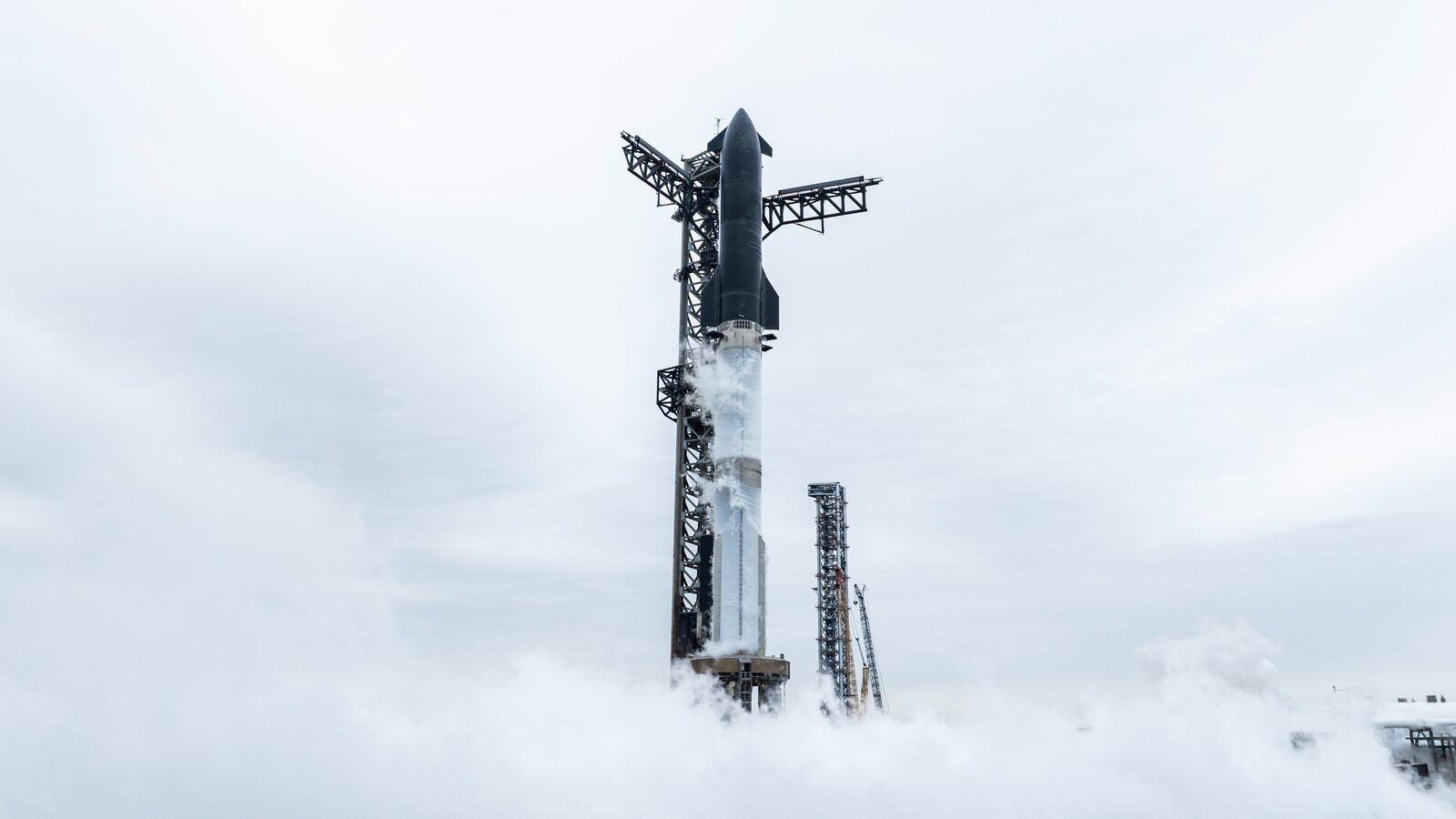
L3Harris and Sierra Space awarded $1.75 billion to build 36 missile-tracking satellites for SDA's Tracking Layer constellation. Hypersonic and ballistic missile detection from low Earth orbit.
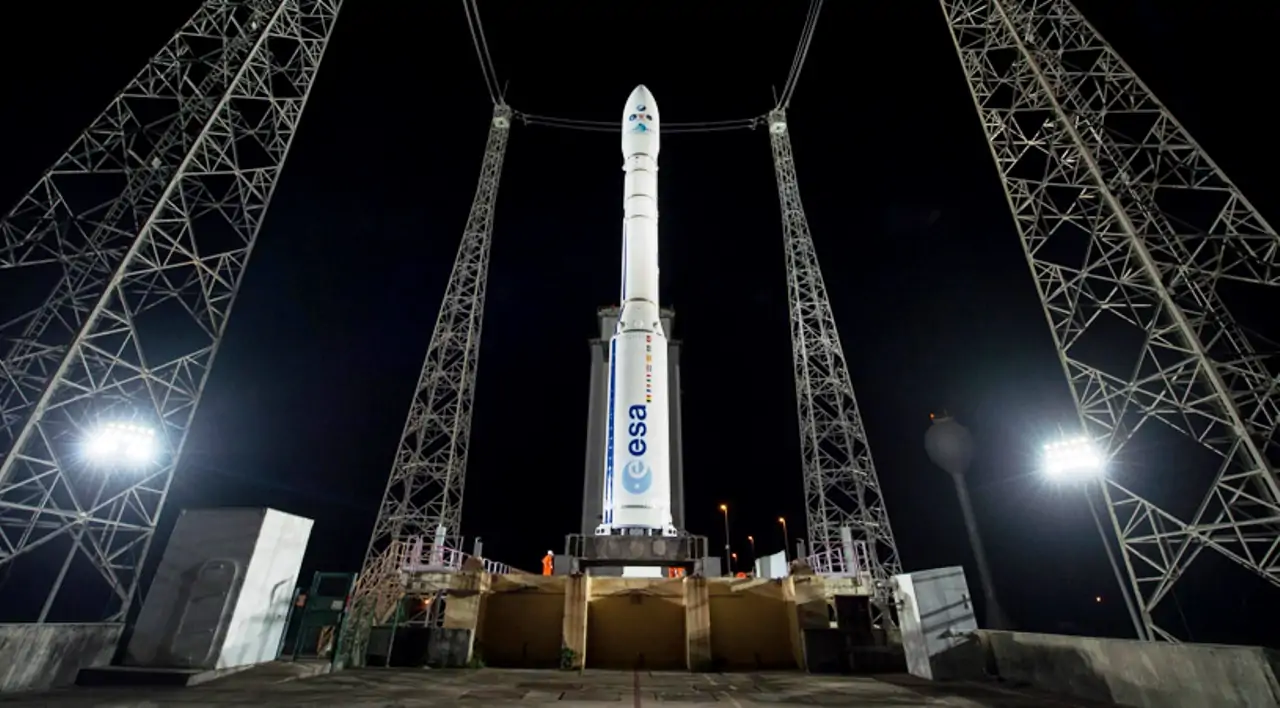
Thirteen years ago, a new rocket lifted off from the edge of the Amazon rainforest, marking Europe's entry into the small satellite launch market and carrying the dreams of university students across a continent

Today's brief covers major developments including the introduction of BAHA drones, increased defense spending by Estonia, and consequential announcements on military budgets impacting space-related activities.
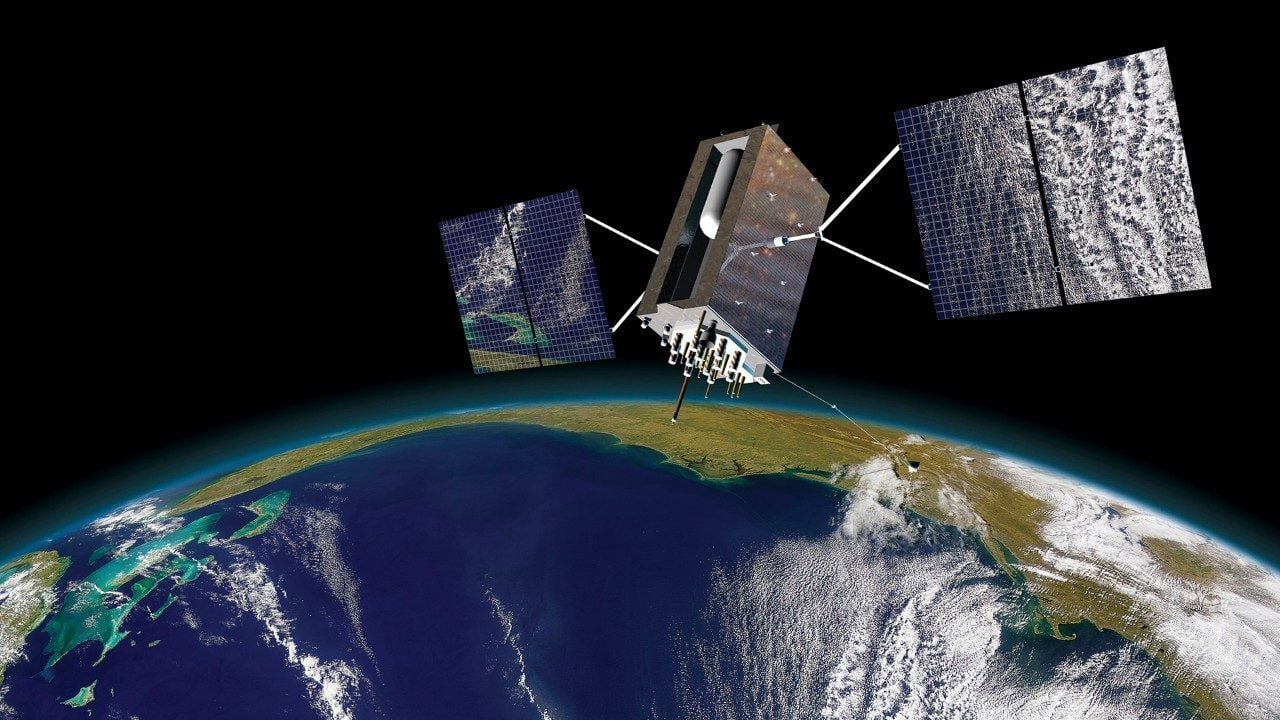
On April 17, 2026, the U.S. Space Force officially cancelled the Next Generation Operational Control System after sixteen years of development, cost overruns, and testing failures. The $8 billion program was supposed to unlock the military's encrypted GPS signal. Instead, the satellites are flying with capabilities the ground can't command.

SpaceX scrubs a launch due to ground system issues while continuing its ambitious deployment of Starlink satellites.
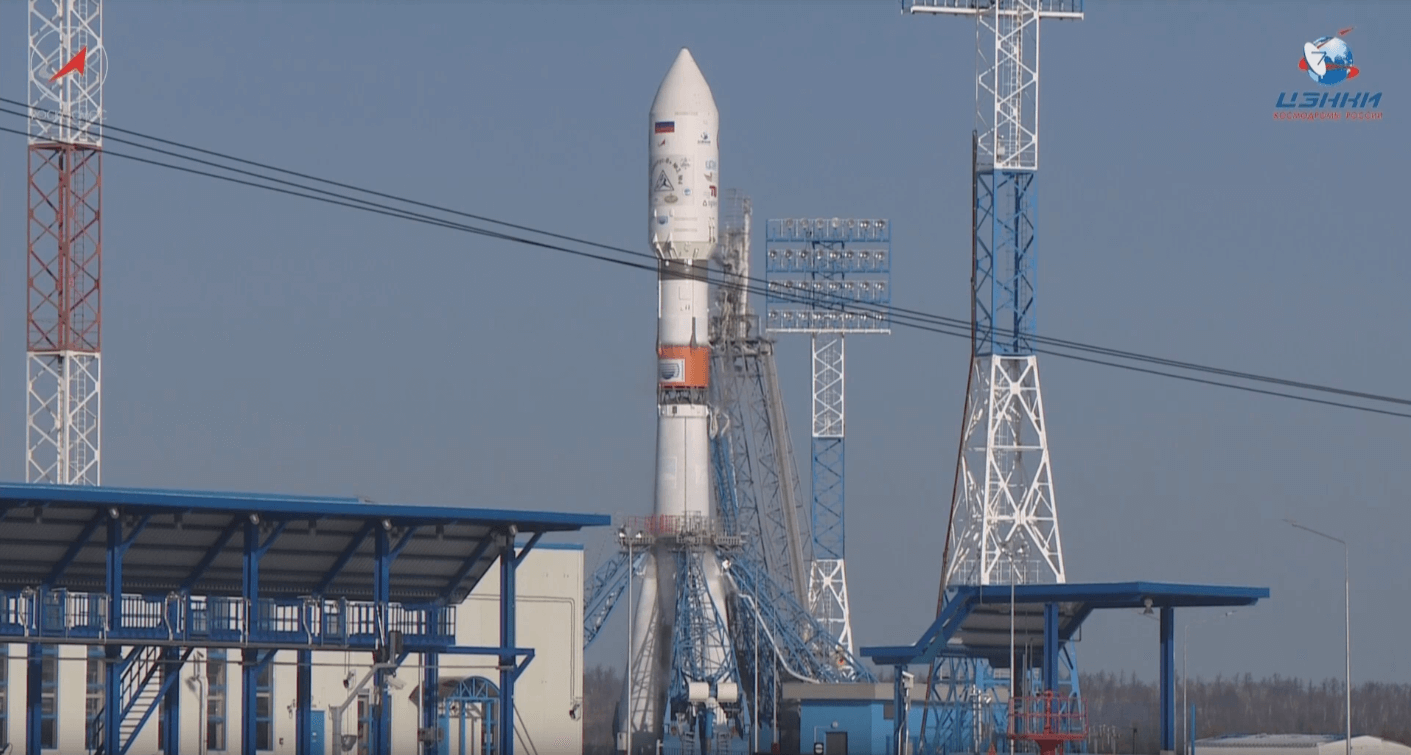
Today's highlights include Canada's and Australia's investment in hypersonic defense, China's successful test of an inflatable space module, and Sweden's support of Ukrainian missile and drone production.

We forecast how many satellites could be in orbit by 2030 and what capabilities we can expect.