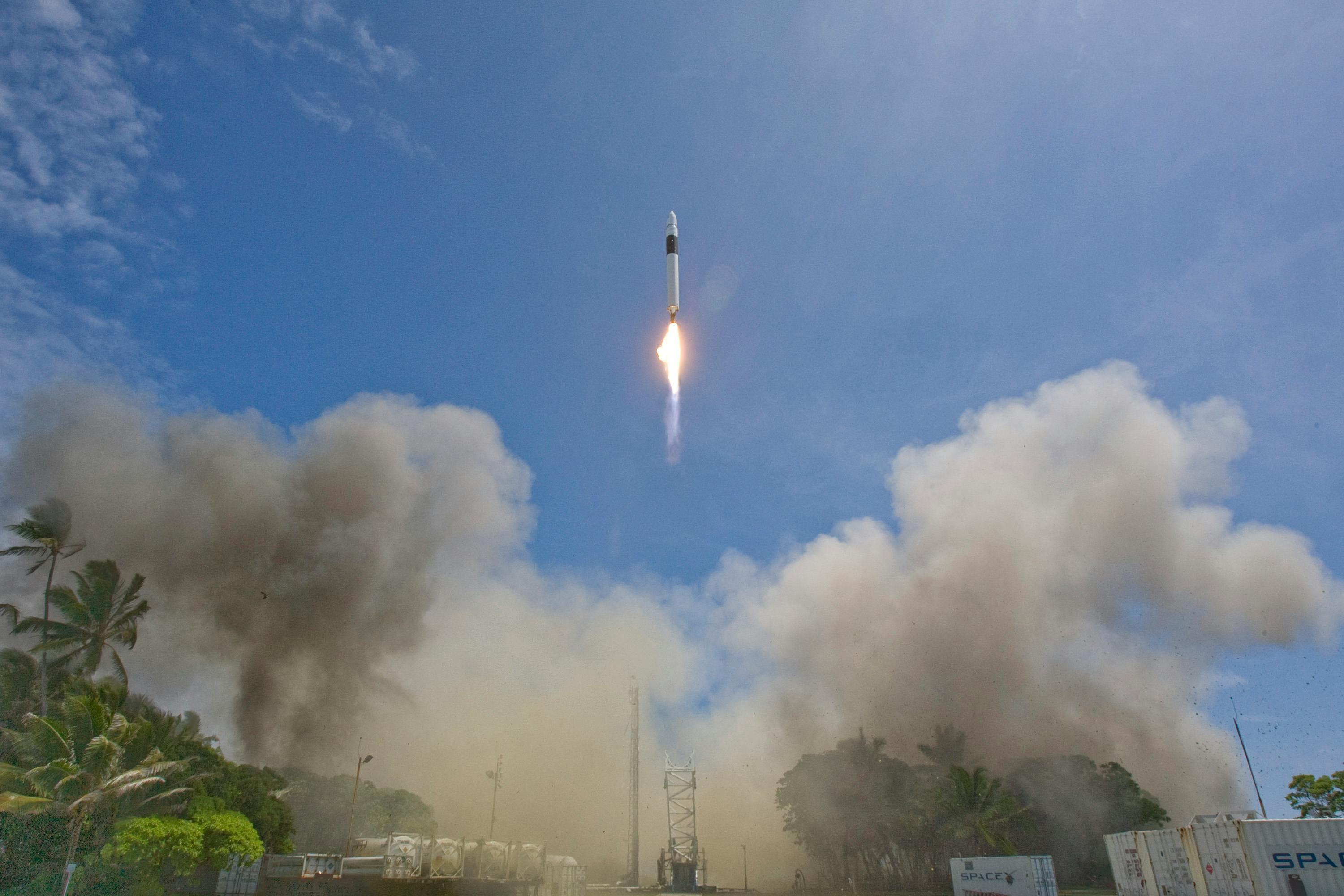
The Starlink satellite (NORAD_CAT_ID: 48387) named STARLINK-2600 was launched on May 4, 2021, from the Kennedy Space Center's Launch Complex 39A using a Falcon 9 launch vehicle. Manufactured by SpaceX (SPXS), it is part of the Starlink constellation designed for communication purposes. The satellite measures approximately 0.2 meters in length and has a diameter of 2.8 meters with a span of 9 meters, likely due to its solar arrays or antennas when deployed. It has a launch mass of 260 kilograms and a dry mass of 248 kilograms. Equipped with Ku/Ka-band payload (all) and optical inter-satellite links (in prototypes), it uses krypton ion thrusters for propulsion and solar arrays combined with batteries for power supply. The satellite's shape is described as "Box + pan" indicating its main body design possibly including a dish or panel structure.
Starlink is a satellite constellation developed by SpaceX with the aim of providing global broadband internet coverage. Thousands of small satellites are deployed in low Earth orbit (LEO), enabling high-speed internet access even in remote areas. However, the rapid increase in satellites raises concerns about space debris and the potential for collisions, which can lead to further debris creation and endanger other spacecraft. Additionally, the sheer number of Starlink satellites can affect astronomical observations by increasing light pollution. Proper deorbiting plans and international coordination are essential to mitigate these challenges and ensure long-term sustainability in space.