

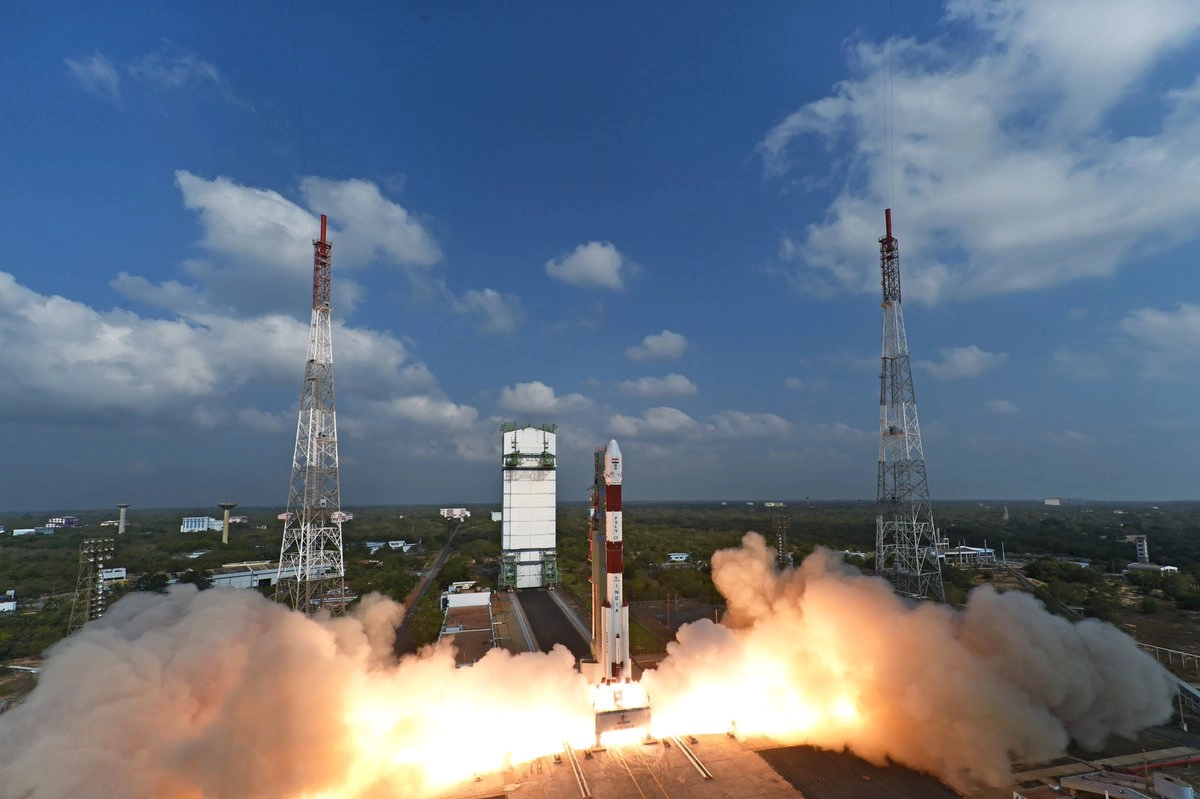
The Day Space Became Crowded
Eight years ago, a single Indian rocket launched 104 satellites into orbit, marking a pivotal moment when space tracking professionals realized the dawn of a new, congested era in orbital operations


Launch Date
March 30, 2021
Launch Site
JSC
Launch Pad
LC43/94
Launch Vehicle
Chang Zheng 4C
NORAD ID
48081
International Designator
2021-026C
Decay Date
4/27/2021
Name
CZ-4C DEB
Alternative Name
CZ-4C sep motor cover
Type
Status
Owner
CNSA
Country
China
Constellation
N/A
Related Satellites
Major Events
N/A
Length
0
Diameter
0
Span
0
Dry Mass
0
Launch Mass
0
Shape
N/A
Radar Cross Section
Unknown
Visual Magnitude
Unknown
Color
Unknown
Material Composition
Unknown
Payload
Unknown
Purpose
Unknown
Mission
Unknown
Manufacturer
Unknown
Life Expectancy
Unknown
Bus
Unknown
Configuration
Unknown
Motor
Unknown
Equipment
Unknown
Power System
Unknown
ADCS
Unknown
Transmitter Frequency
Unknown
Learn more about satellites and other related topics.
Eight years ago, a single Indian rocket launched 104 satellites into orbit, marking a pivotal moment when space tracking professionals realized the dawn of a new, congested era in orbital operations

Follow the complete Artemis II mission in KeepTrack's 3D tracker. Replay Orion's full flight path from launch through the lunar flyby to Pacific splashdown, and scrub to any moment of the ten-day mission.
Today's space brief highlights intriguing military satellite developments, new space launch strategies to counteract observation threats, and potential European defense industry advancements.

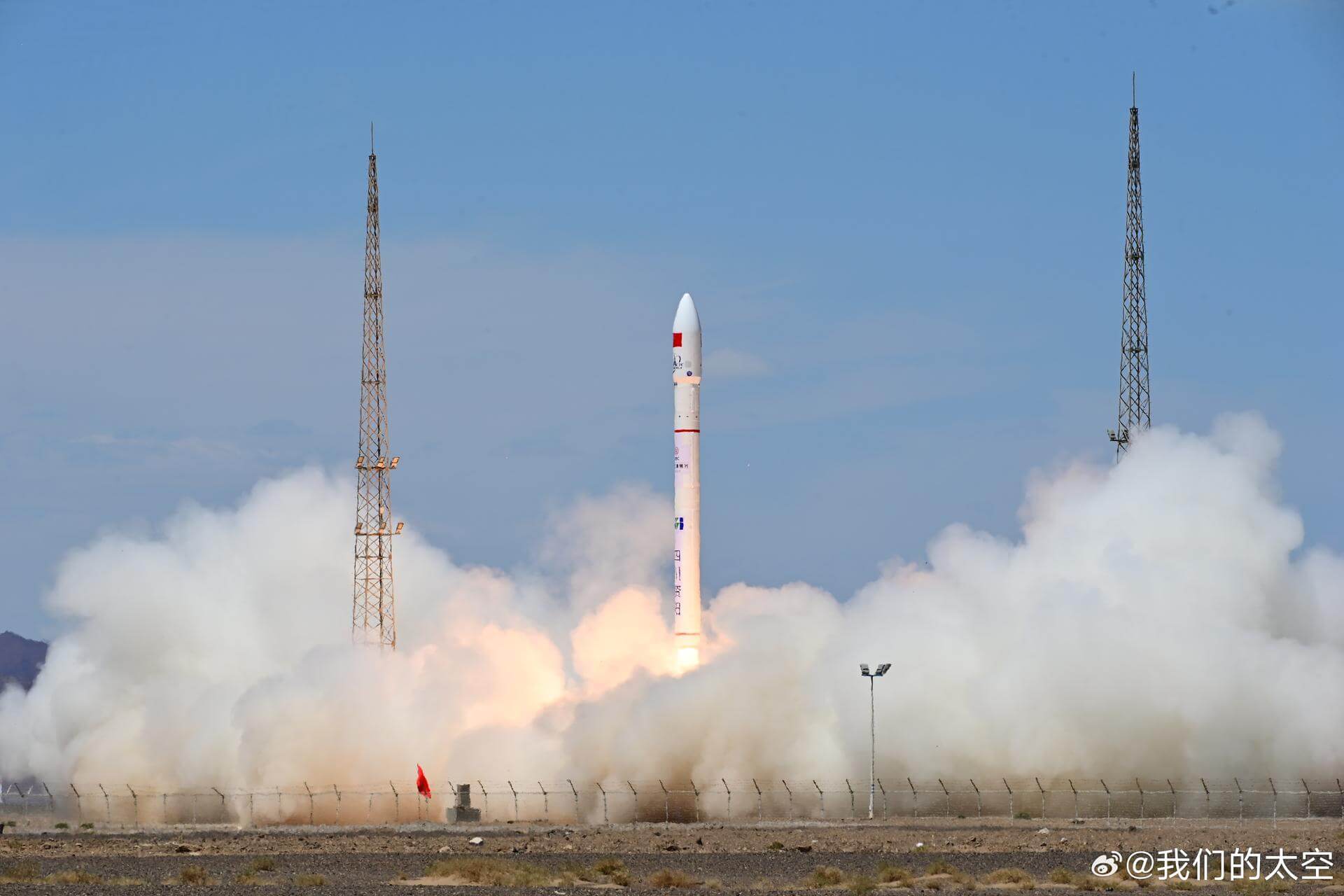
In 2024, China launched 68 orbital missions. In 2025, the number jumped to 97. In 2026, state media and Western analysts agree the target is 140 or more. Most of that growth is being driven by two state-backed mega-constellations, a half-dozen private launch companies hitting stride, and a deliberate national pivot toward commercial space. Beijing is no longer trying to catch SpaceX. It is trying to build an industrial base that outlasts one.

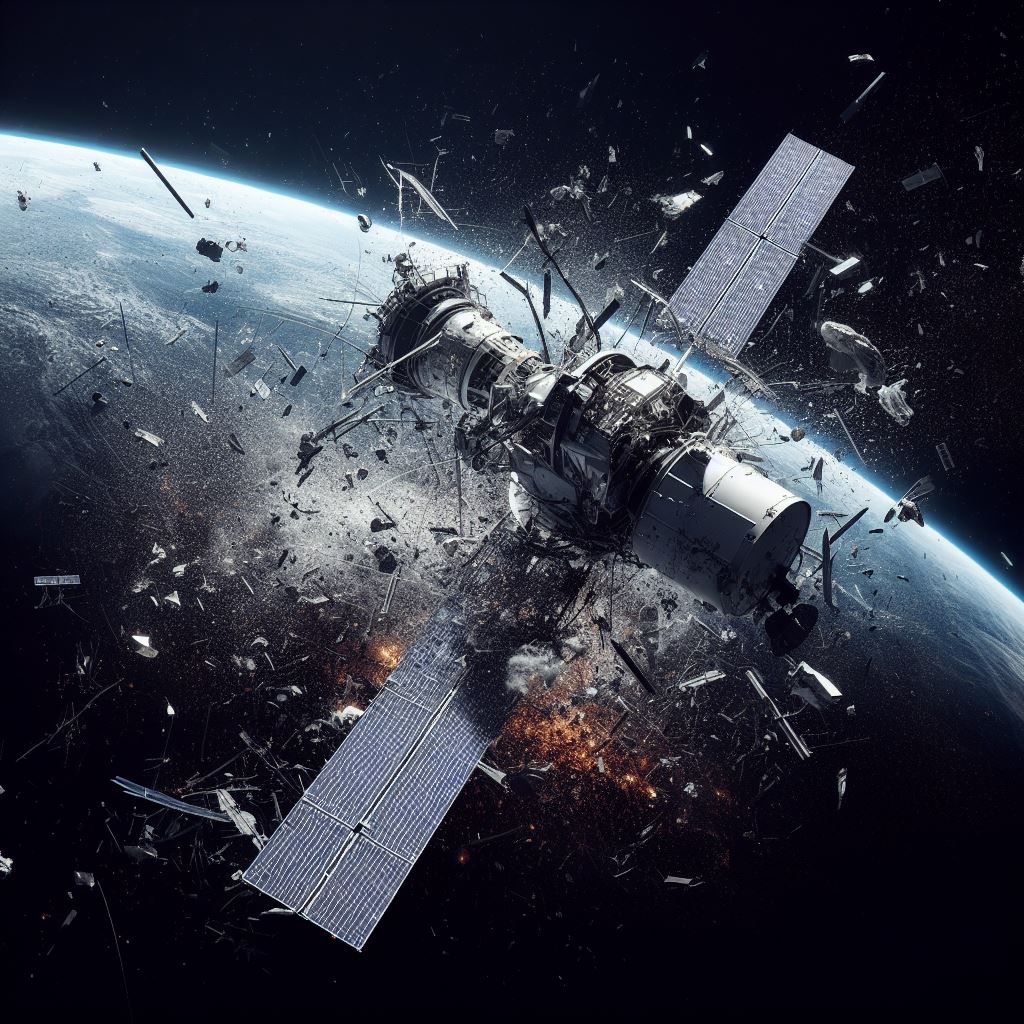
Three Chinese rocket bodies have exploded over four years, creating debris clouds that will linger for decades to centuries, according to LeoLabs analysis. Fragmentation events threaten commercial and military operators.

Current number of Starlink satellites in orbit April 2026: 10,168 working of 10,177 tracked, 11,724 launched. Fleet health tops 99.9%.
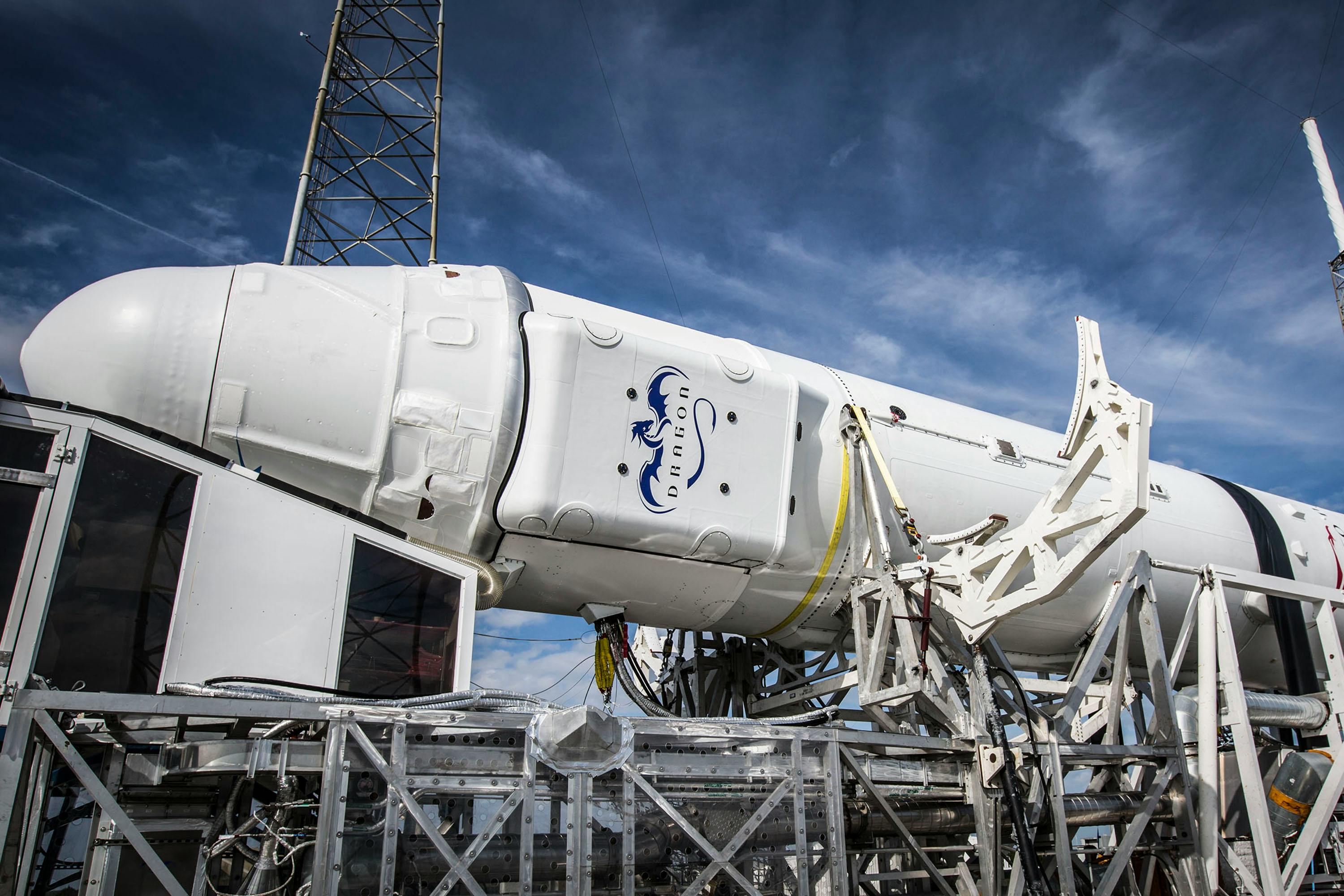
SpaceX successfully launches 21 Starlink satellites, nearing milestone of 7,000 in orbit. Boeing and Airbus consider divesting from space, impacting industry dynamics.
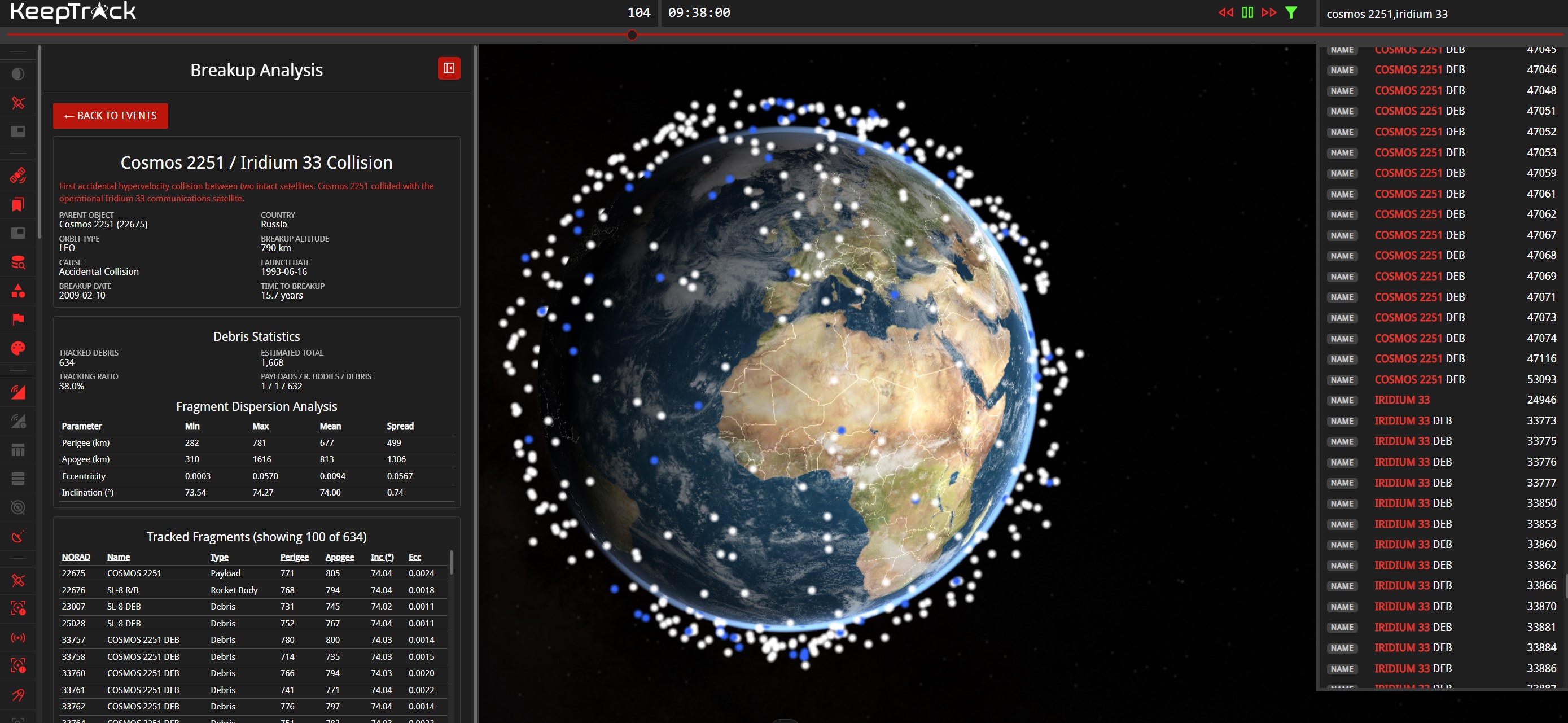
On February 10, 2009, an active Iridium communications satellite and a derelict Soviet military spacecraft slammed into each other 789 kilometers above Siberia. The collision produced more than 2,300 pieces of trackable debris that are still up there. Seventeen years later, the Iridium-Cosmos collision remains the event that made space debris a policy problem the world could no longer ignore.