


Boeing Starliner Grounded Until Mid-2027, NASA Warns | KeepTrack Space Brief
Boeing CST-100 Starliner faces up to one year delay before return-to-flight. NASA safety panel cites unresolved technical problems since mid-2024 crewed test.


Launch Date
December 22, 2020
Launch Site
WSC
Launch Pad
LC201
Launch Vehicle
Chang Zheng 8
NORAD ID
47297
International Designator
2020-102B
Decay Date
9/5/2024
Name
HAISI 1
Alternative Name
Haisi-1
Type
Status
Owner
DKJ38
Country
China
Constellation
N/A
Related Satellites
Major Events
N/A
Length
1
Diameter
0.5
Span
3
Dry Mass
185
Launch Mass
185
Shape
Box + 2 pan
Radar Cross Section
Unknown
Visual Magnitude
Unknown
Color
Unknown
Material Composition
Unknown
Payload
TY-MINISAR-1
Purpose
Earth observation, radar
Mission
Earth observation, radar
Manufacturer
CTYK
Life Expectancy
Unknown
Bus
TY-MINISAR
Configuration
TY-MINISAR bus
Motor
ThrustMe Iodine Electric Propulsion system
Equipment
C-band SAR
Power System
Solar arrays, batteries
ADCS
Unknown
Transmitter Frequency
Unknown
Learn more about satellites and other related topics.
Boeing CST-100 Starliner faces up to one year delay before return-to-flight. NASA safety panel cites unresolved technical problems since mid-2024 crewed test.
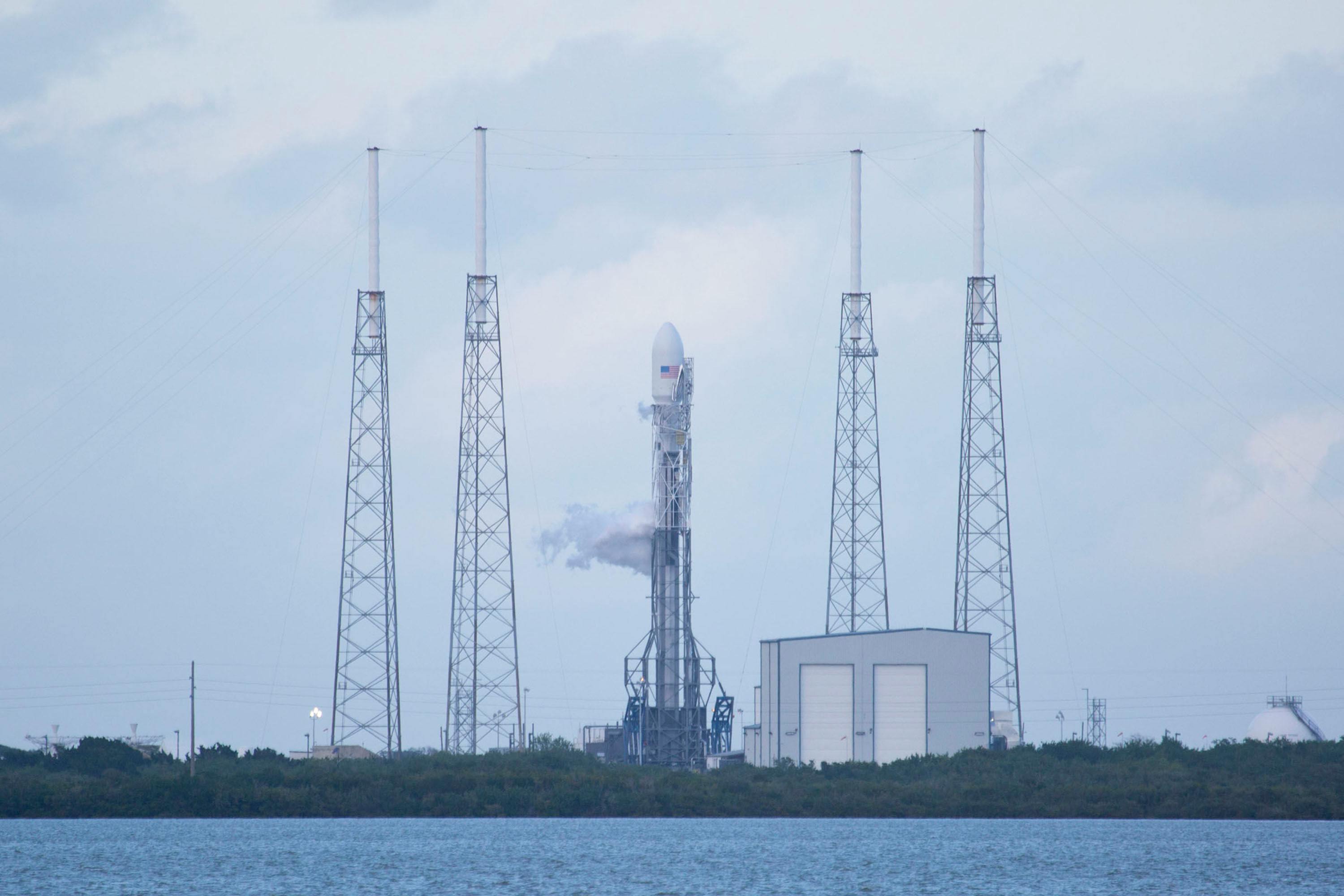
The FAA has approved Starship Flight 9, paving the way for an upcoming test launch, while SpaceX's Dragon spacecraft is set to undock from the ISS after weather delays.

SpaceX launches NROL-105 spy satellite from Vandenberg in first national security mission of 2026. GE and Lockheed validate compact rotating detonation ramjet for hypersonic missiles.
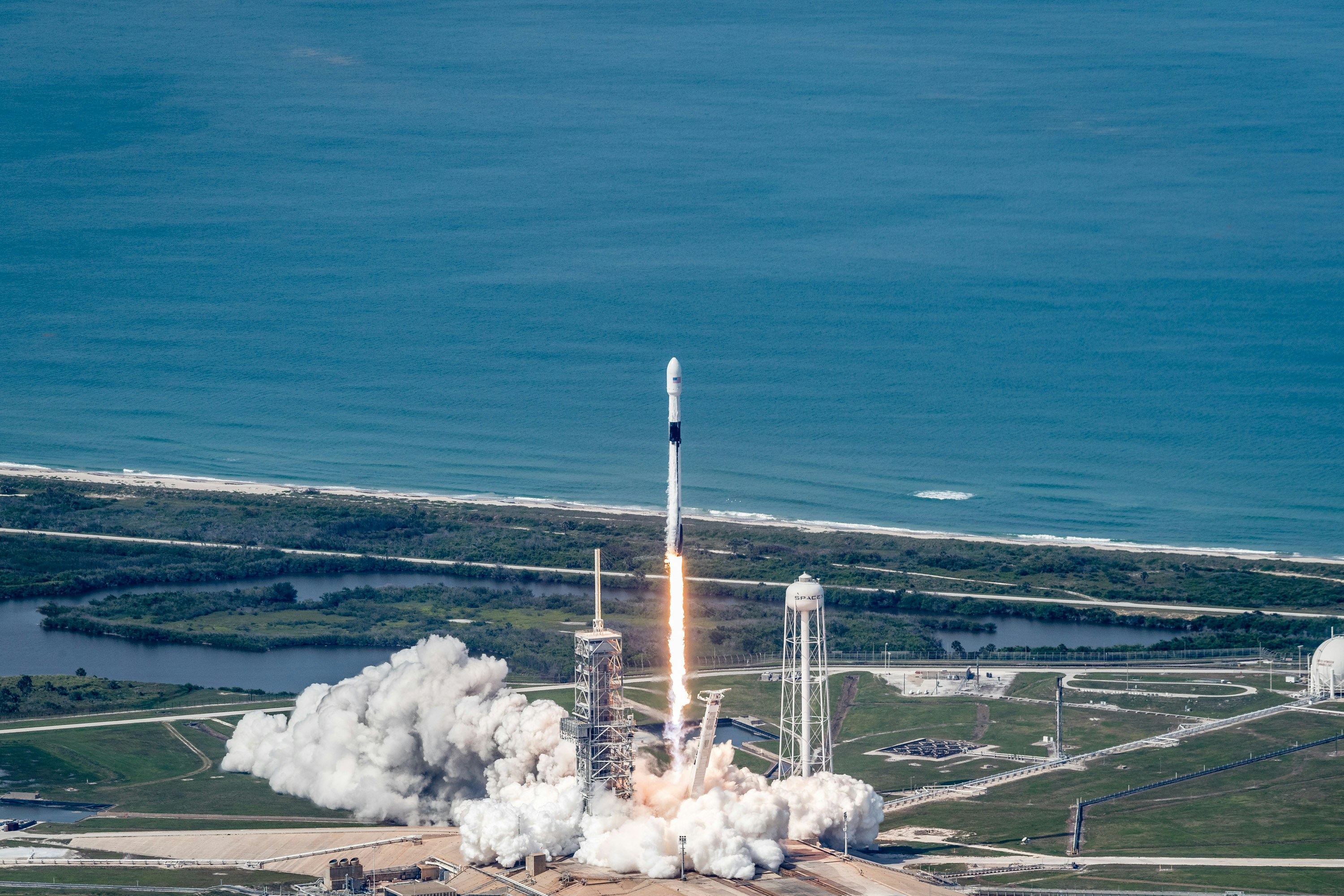
SpaceX continues to make strides in satellite deployment with a successful launch. The European Space Agency's new satellite enhances global atmospheric forecasting, showcasing the expanding role of launches in improving environmental monitoring.
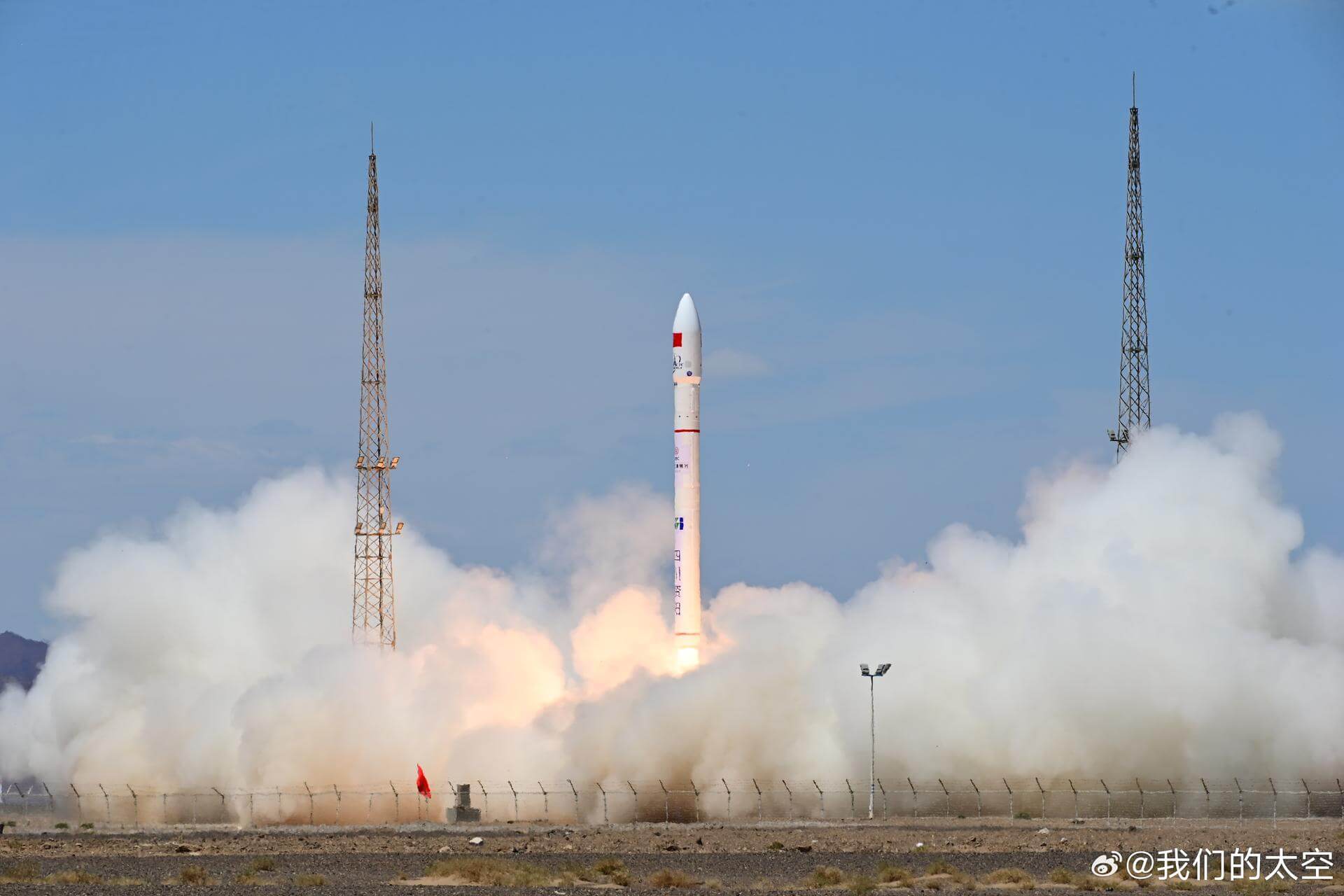
Today's briefing covers significant events, including advancements in US missile warning systems, SpaceX's Florida Starship plans, a European rocket's success, and NASA's upcoming missions.
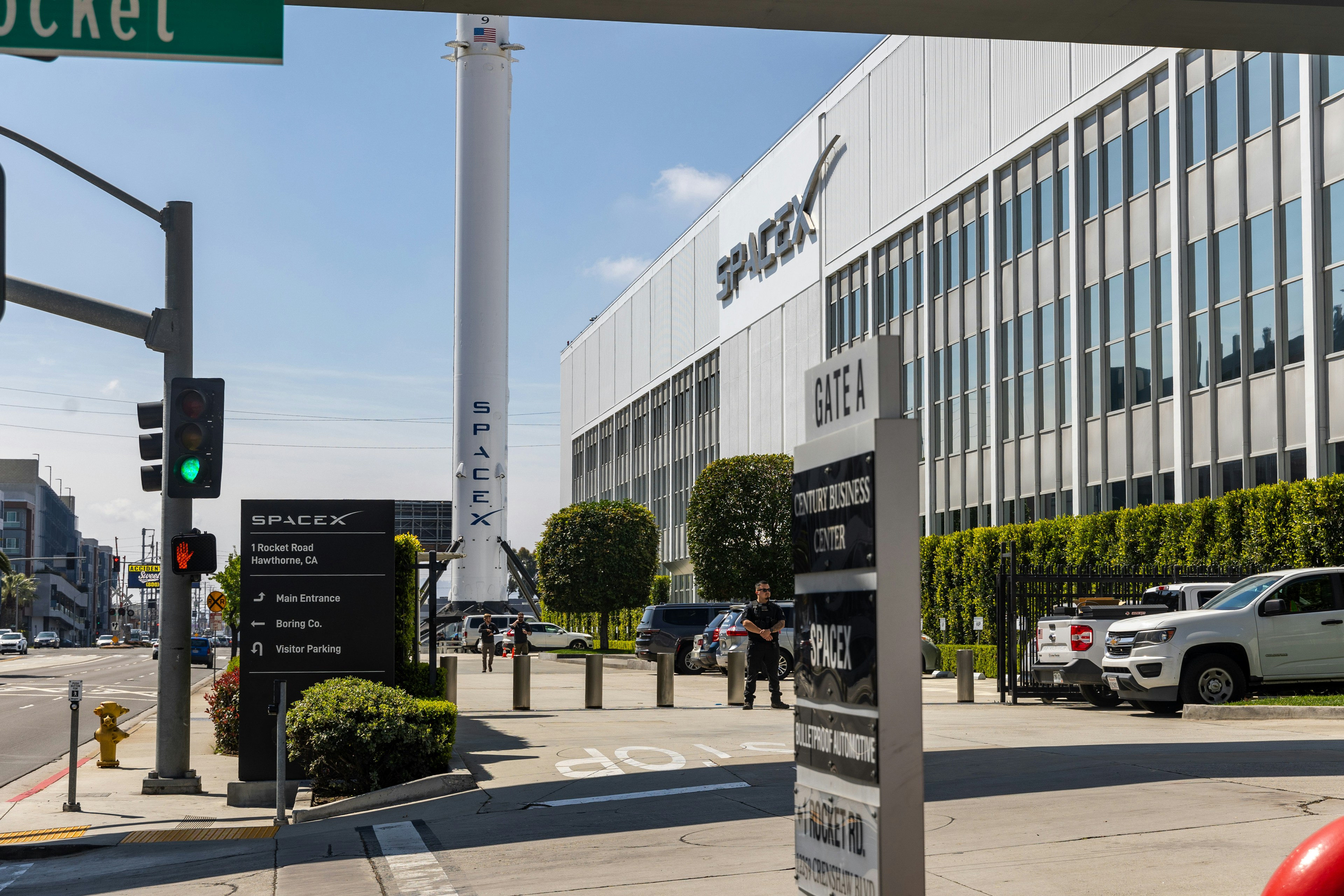
How many Starlink satellites are in orbit in 2026? SpaceX passed 10,000 after the Starlink 17-24 launch, with 10,020 in orbit and 11,529 launched.
Today's highlights include a Minotaur IV launch of U.S. spy satellites, Rocket Lab's new defense contracts, and the unveiling of Space Force's warfighting framework. Plus, the Satellite Spotlight dives into METEOR 3-1.

Thirty-five years ago, Voyager 1 captured a revolutionary series of images from the edge of our solar system, forever changing how humanity sees its place in the cosmos