


Starlink Launch Cadence: 54 Sats in One Day, X Report 13 Mar 2026
SpaceX Starlink launch cadence 2026: missions 26 and 27 lift off 37 minutes apart on March 13, with 25 and 29 satellites per Falcon 9, 54 in one morning.


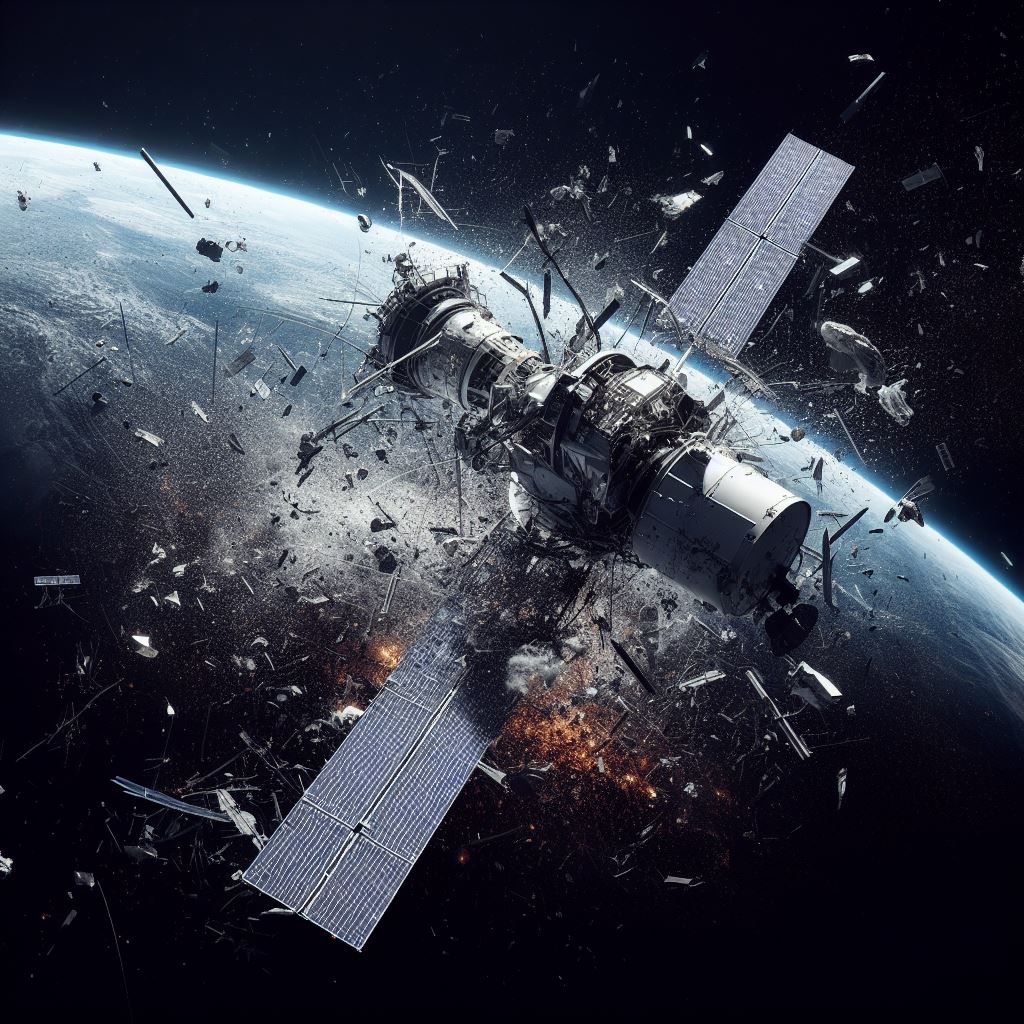
Launch Date
October 17, 2018
Launch Site
Launch Pad
SLC41
Launch Vehicle
Atlas V 551
NORAD ID
46845
International Designator
2018-079DA
Epoch
Thu, 12 Aug 2021 04:05:16 GMT
Apogee
Calculating...
Perigee
Calculating...
Inclination
11.07°
Right Ascension
195.22°
Eccentricity
Calculating...
Argument of Perigee
13.23°
Period
745.63 min
Mean Motion
1.93 rev/day
Latitude
Calculating...
Longitude
Calculating...
Altitude
Calculating...
Velocity
Calculating...
Name
ATLAS 5 CENTAUR DEB
Alternative Name
deb Centaur AV-073
Type
Status
Owner
ULAL
Country
United States
Constellation
N/A
Related Satellites
Major Events
N/A
1 46845U 18079DA 21224.17033296 -.00000059 00000-0 00000-0 0 9999
2 46845 11.0655 195.2150 4647669 13.2348 355.5572 1.93125363 5878
Source: Celestrak
Length
0
Diameter
0
Span
0
Dry Mass
0
Launch Mass
0
Shape
N/A
Radar Cross Section
Unknown
Visual Magnitude
Unknown
Color
Unknown
Material Composition
Unknown
Payload
Unknown
Purpose
Unknown
Mission
Unknown
Manufacturer
ULAD
Life Expectancy
Unknown
Bus
Unknown
Configuration
Unknown
Motor
Unknown
Equipment
Unknown
Power System
Unknown
ADCS
Unknown
Transmitter Frequency
Unknown
Learn more about satellites and other related topics.
SpaceX Starlink launch cadence 2026: missions 26 and 27 lift off 37 minutes apart on March 13, with 25 and 29 satellites per Falcon 9, 54 in one morning.

In today's briefing: China accelerates its satellite megaconstellation. A comprehensive ESA-led optical data network is in the works, marking a key step in satellite communications. NASA's Artemis II crew visits Ohio in preparation for their lunar journey. SpaceX's record-breaking rocket launches continue. Plus, insights into nuclear rockets that could drastically shorten Mars missions.

SpaceX sets a new reuse record with Falcon 9's 27th flight, continuing its Starlink deployment while facing challenges with Starship development.
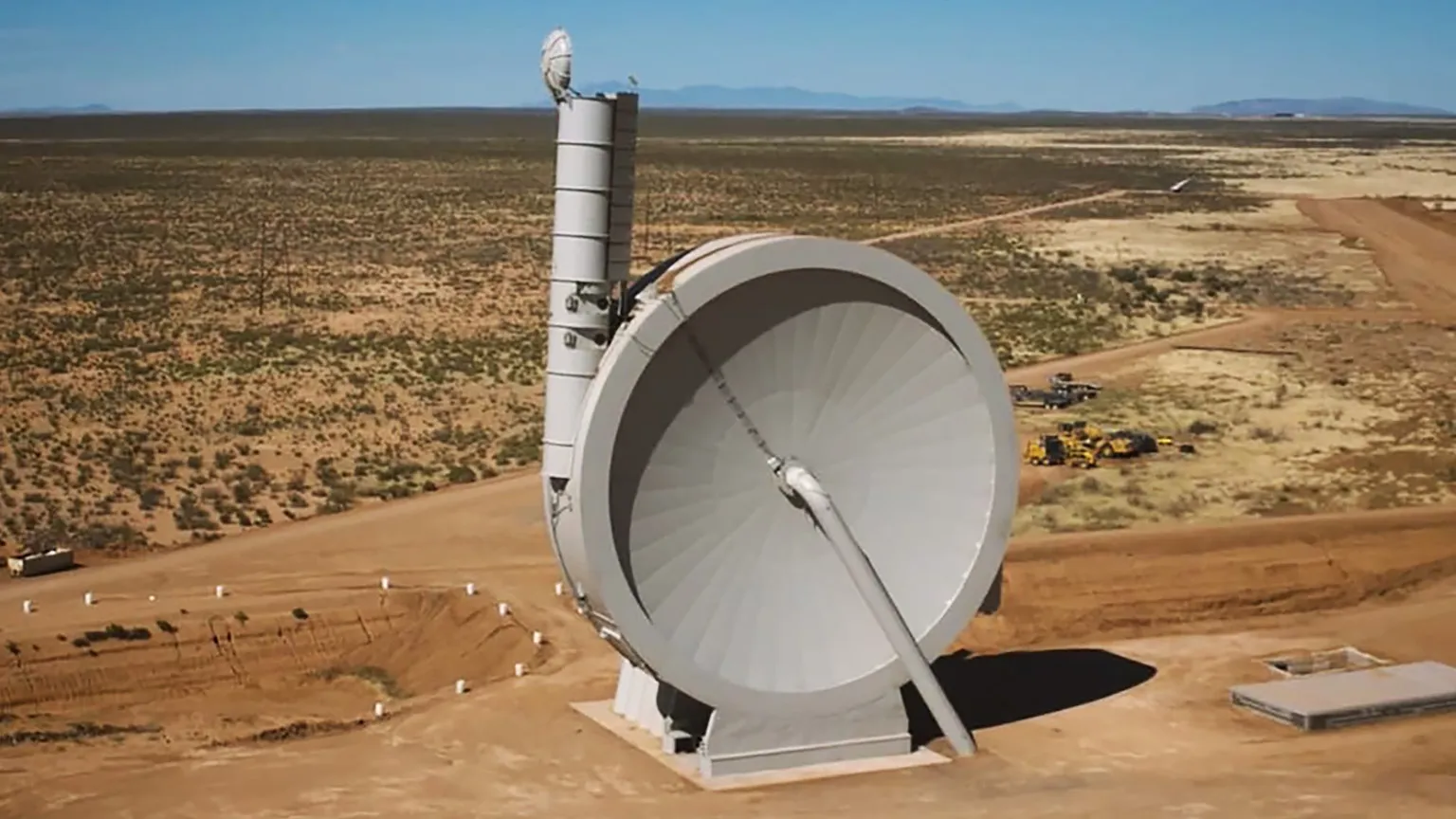
How a California startup's massive centrifuge could transform space access by eliminating rocket fuel, reducing costs by 70%, and enabling daily satellite launches - if it can overcome the physics of scaling from suborbital tests to orbital reality
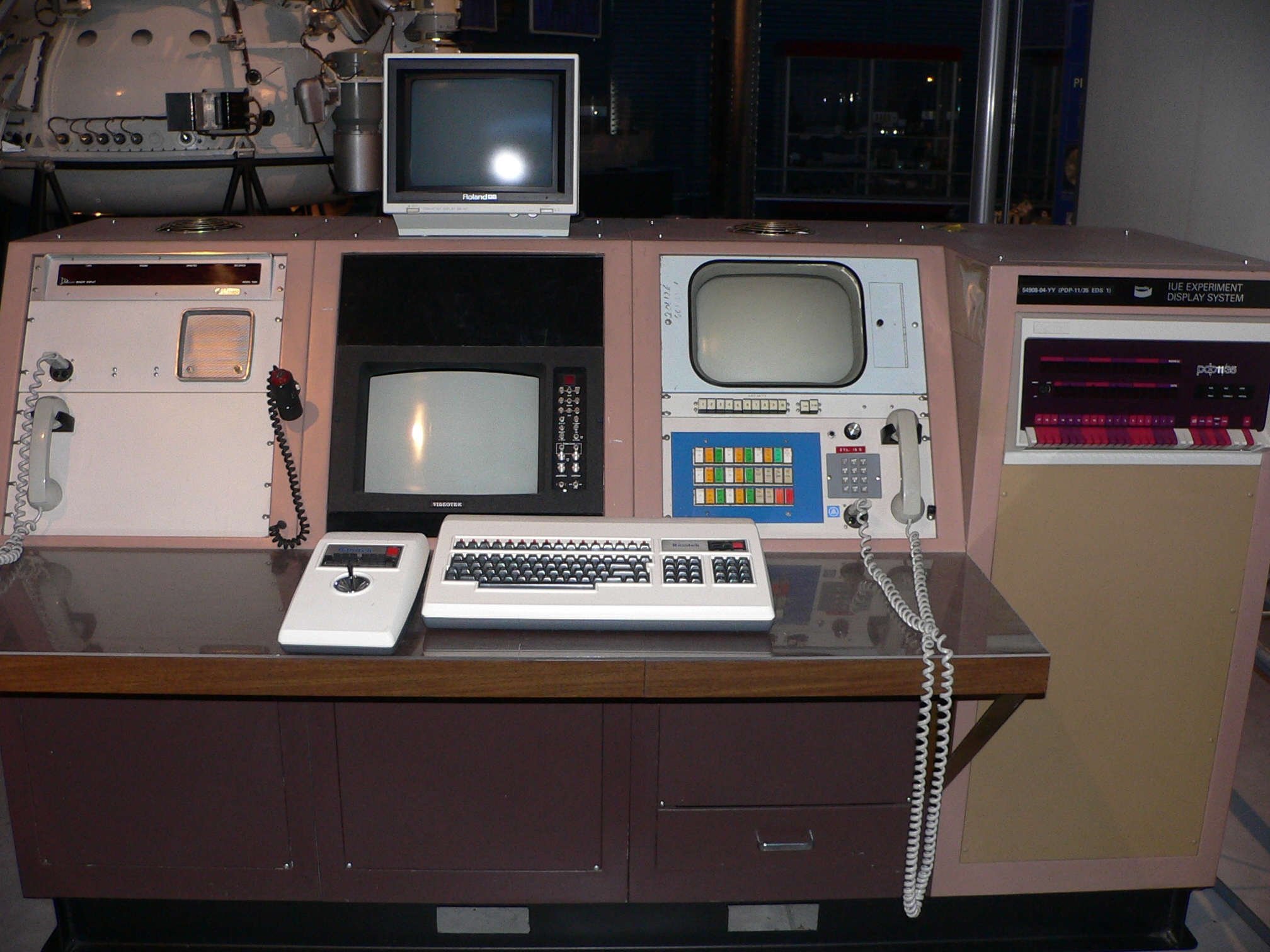
Forty-seven years ago, a revolutionary space telescope changed our view of the cosmos, pioneering international cooperation in space-based astronomy
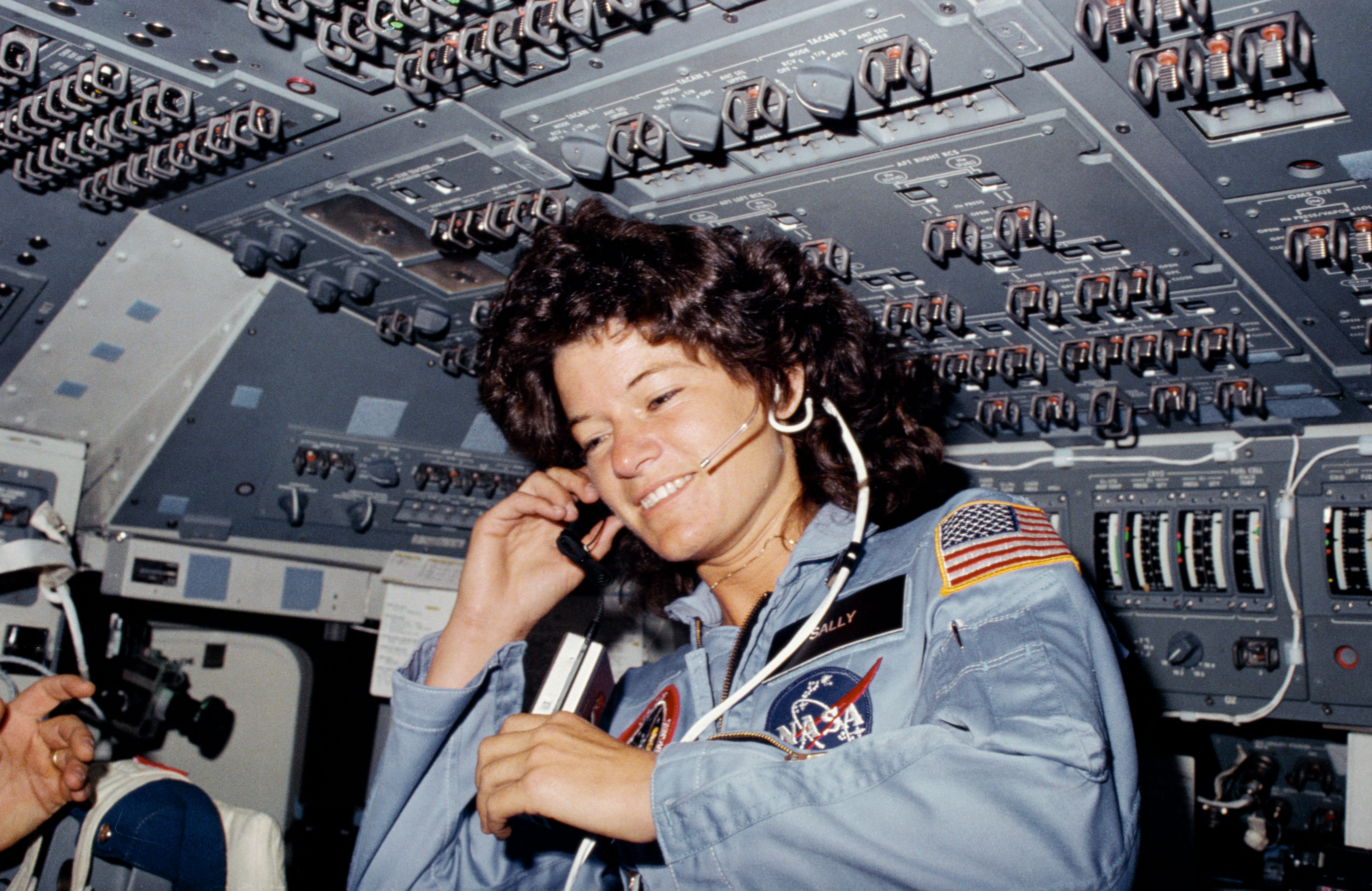
At 7:33 on the morning of 18 June 1983, a 32-year-old astrophysicist named Sally Ride rode Challenger off Pad 39A and became the first American woman in space. She got there two decades after the Soviets, and only after months of being asked whether spaceflight would damage her reproductive organs and whether she planned to cry.

Today's Space Brief highlights advances in satellite communication for defense, regulatory changes for Starlink in South Africa, SpaceX's ongoing Starlink launches, and a significant contract for a Chinese satellite constellation.

SpaceX set to launch 11,000th Starlink satellite on Starlink 17-19 from Vandenberg. NASA moves Crew-12 launch to Feb 11 after ISS medical evacuation. Starship V3 targets mid-March first flight.