

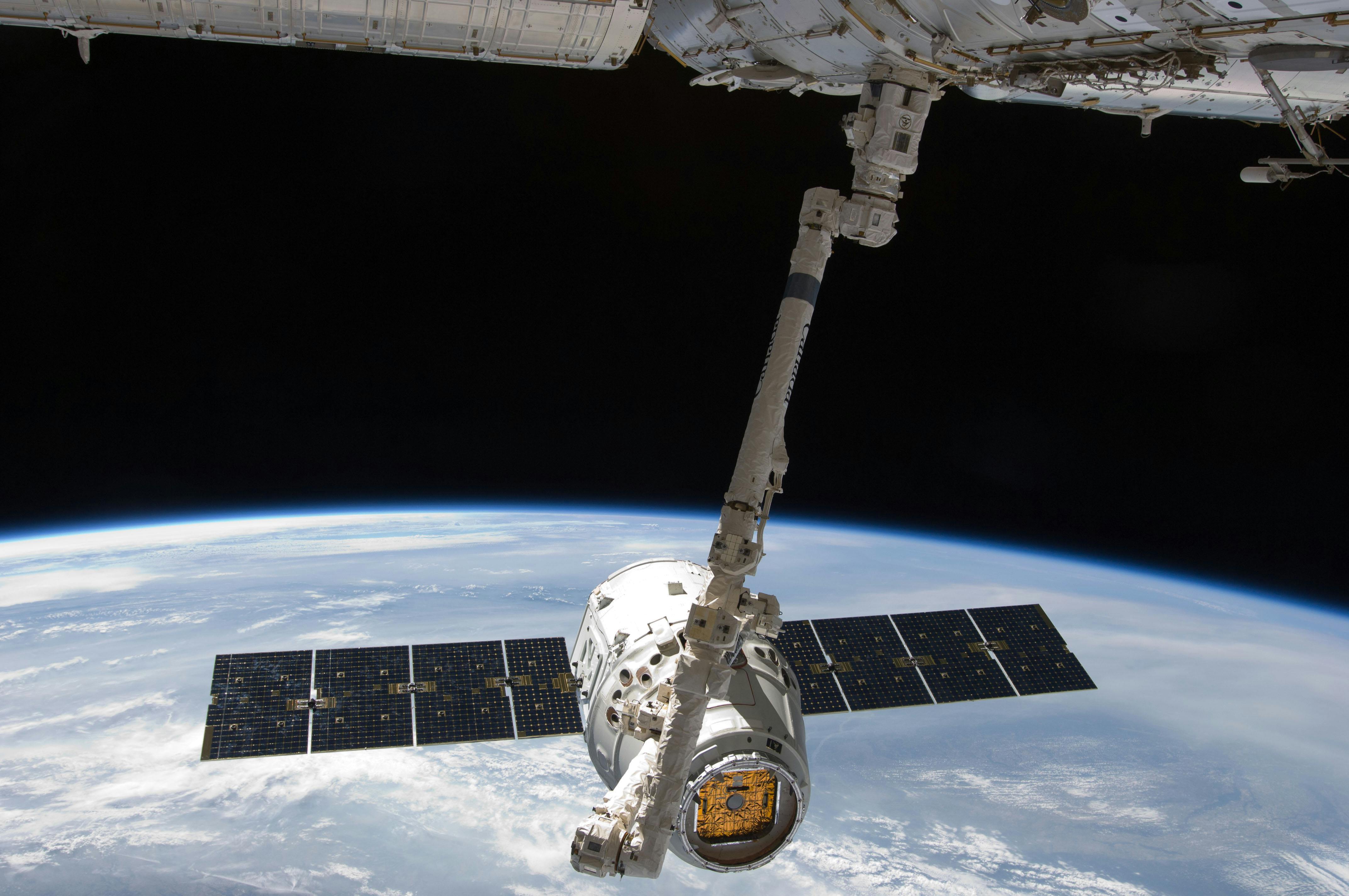
X Report 15 Aug 2025
SpaceX achieves significant milestones with multiple satellite launches and ongoing challenges in rural broadband funding. Noteworthy advances in Starlink capabilities enhance international connectivity.


Launch Date
November 6, 2020
Launch Site
TAISC
Launch Pad
LC16
Launch Vehicle
Chang Zheng 6
NORAD ID
46830
International Designator
2020-079D
Decay Date
9/18/2023
Name
NUSAT-15 (KATHERINE)
Alternative Name
Katherine
Type
Status
Owner
URUGUS
Country
Uruguay
Constellation
N/A
Related Satellites
Major Events
N/A
Length
0.75
Diameter
0.4
Span
0.75
Dry Mass
37
Launch Mass
44
Shape
Box
Radar Cross Section
Unknown
Visual Magnitude
Unknown
Color
Unknown
Material Composition
Unknown
Payload
Nusat-15
Purpose
Earth observation
Mission
Earth observation
Manufacturer
URUGUS
Life Expectancy
3-4 years
Bus
NewSat IV
Configuration
Unknown
Motor
None
Equipment
Imaging payload (all), LUSEX U/V linear transponder payload (#1)
Power System
Solar cells, batteries
ADCS
Unknown
Transmitter Frequency
Unknown
Learn more about satellites and other related topics.
SpaceX achieves significant milestones with multiple satellite launches and ongoing challenges in rural broadband funding. Noteworthy advances in Starlink capabilities enhance international connectivity.

SpaceX continues to ramp up its operations with the launch of 29 more Starlink satellites, while significant upgrades at its Starbase facility signify ambitious future plans.
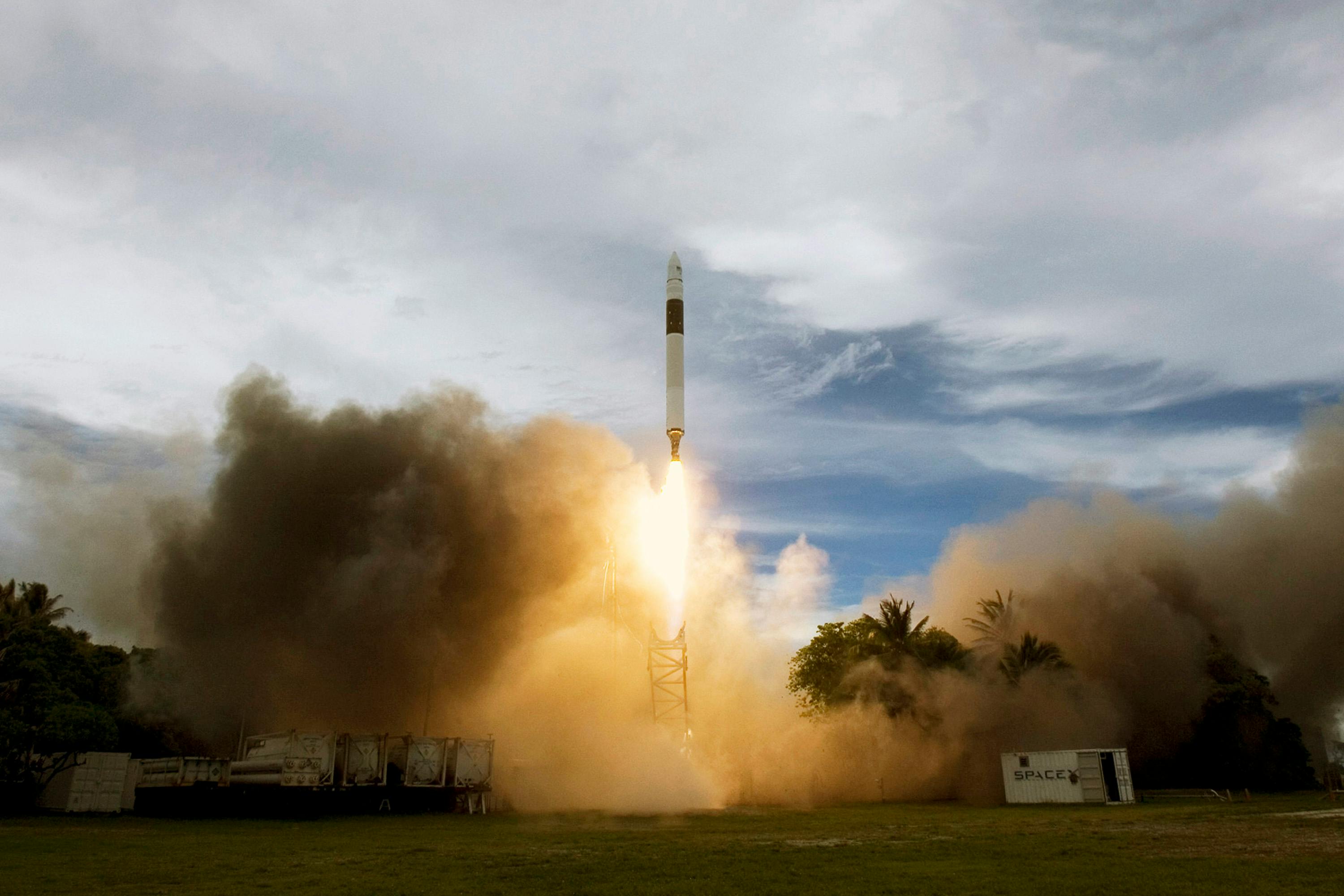
SpaceX successfully launched 28 Starlink satellites, marking a significant milestone with its 500th Falcon rocket landing. Meanwhile, the Starship program reflects on its journey through ten flights, and competition with Amazon's Project Kuiper heats up as JetBlue opts for their in-flight Wi-Fi service.
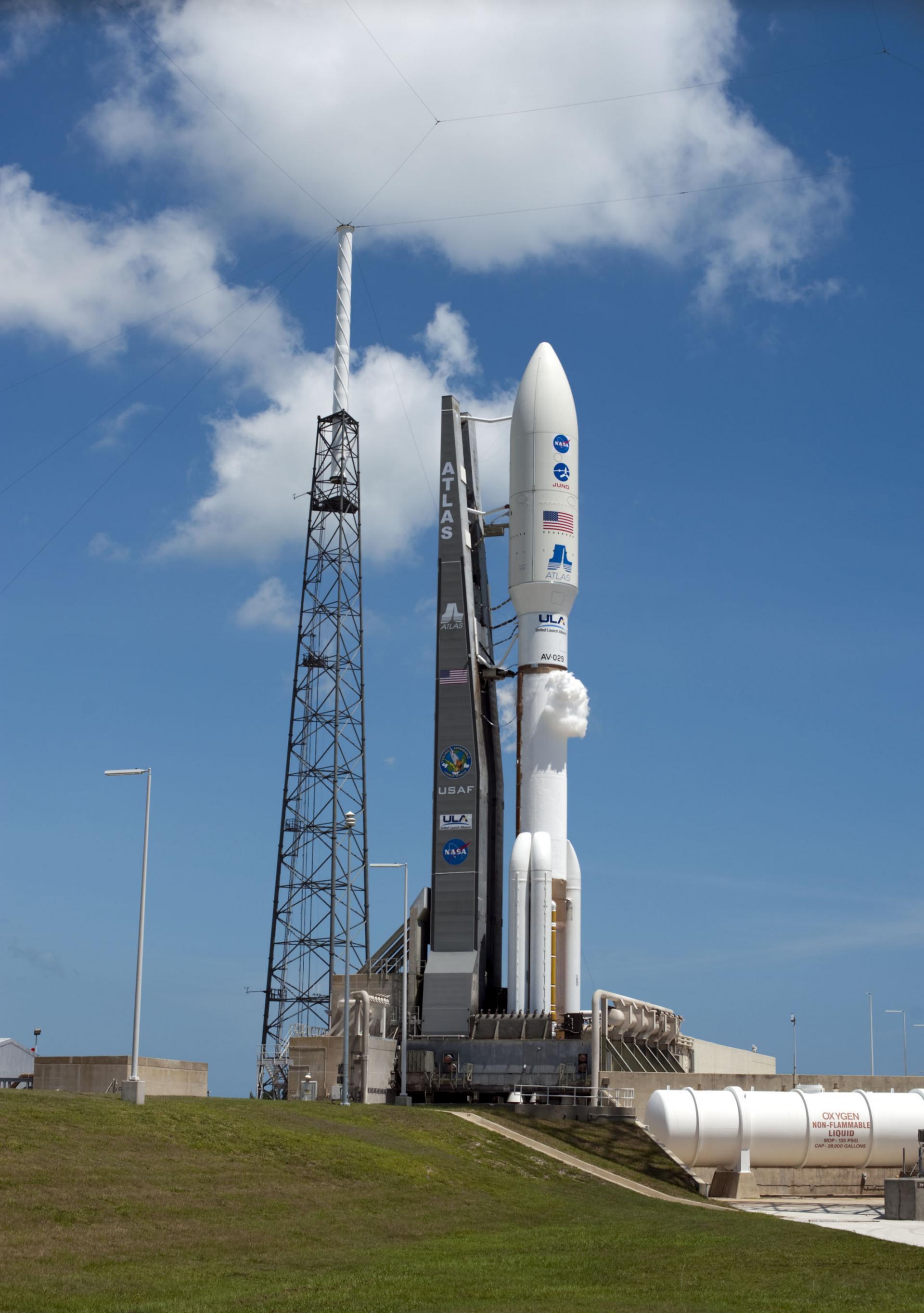
Today's brief covers closer military and intelligence space integration, new satellite servicing advancements, and more insightful defense and space news.
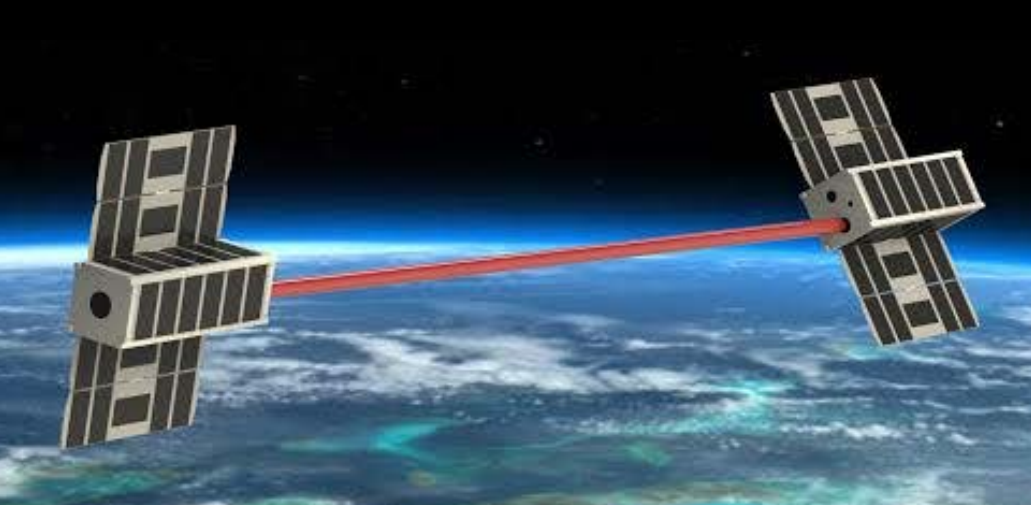
The satellite industry's biggest operators are betting on multi-orbit architectures that combine LEO, MEO, and GEO into unified networks. A San Francisco startup called Contrivian thinks they've overcomplicated the problem, and the physics might be on its side.
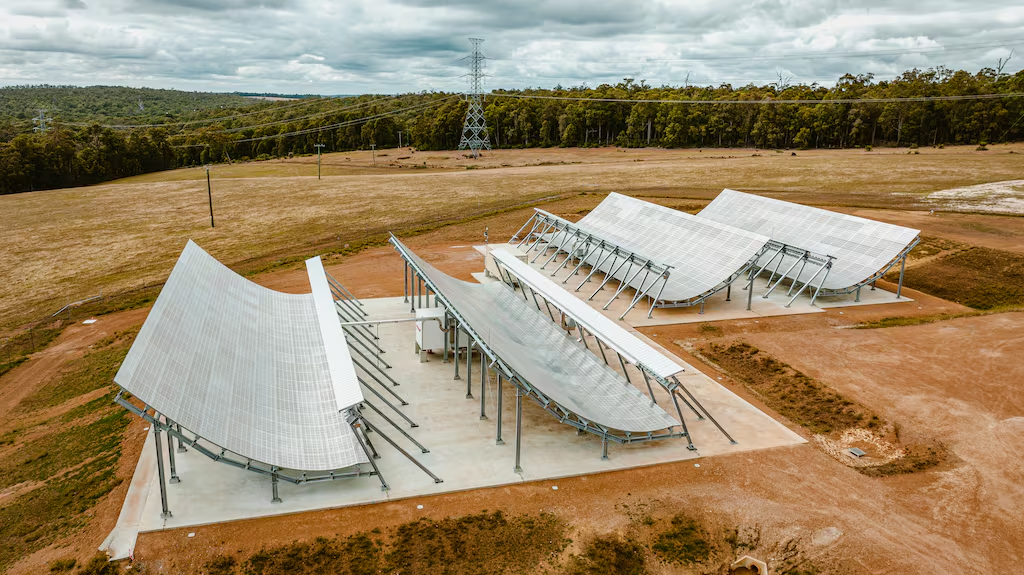
A startup built on Cold War-era radar science now tracks 25,000 objects in orbit - and the Pentagon can't get enough of it. But can its radars really compete with the Space Surveillance Network?
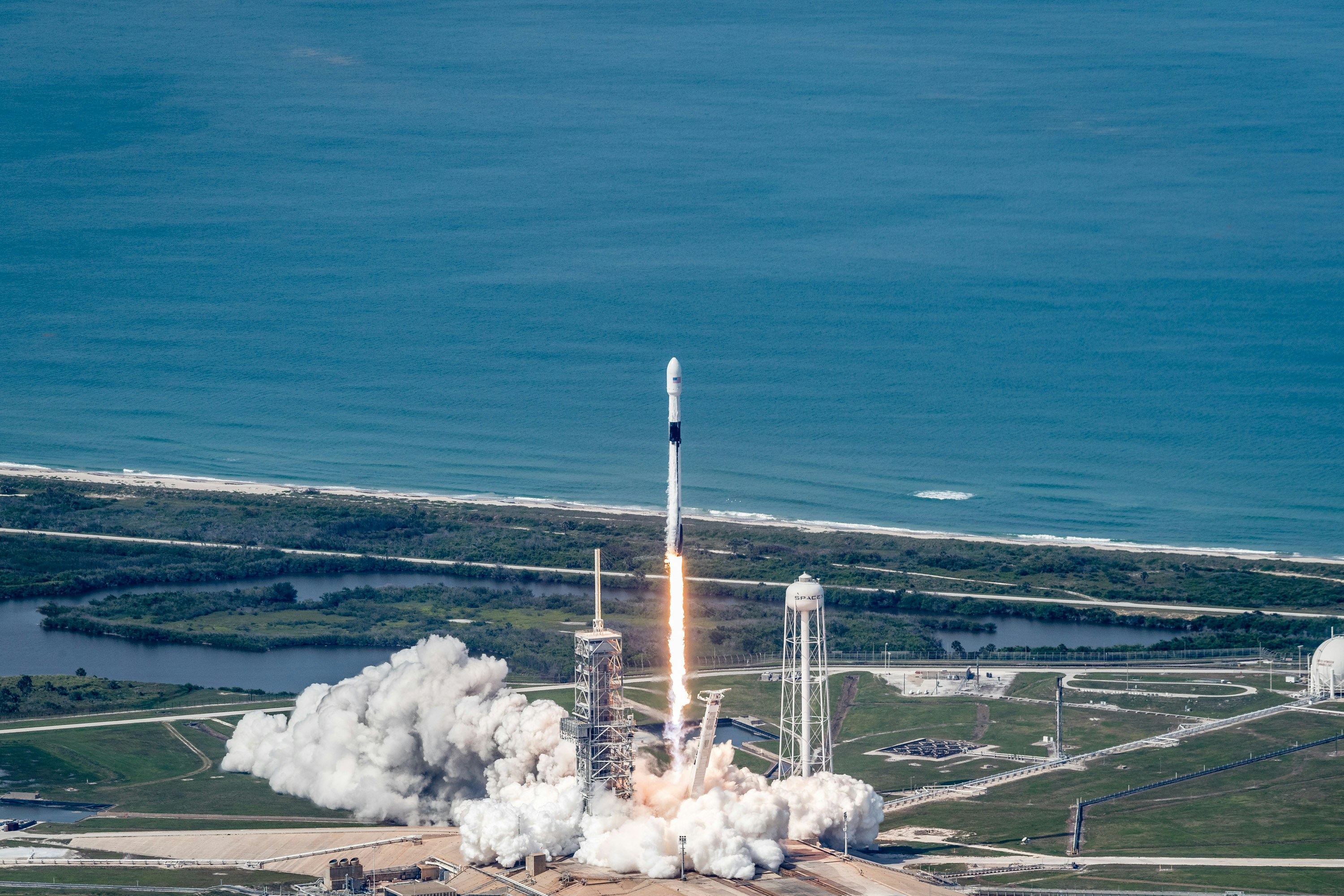
SpaceX reportedly eyes a confidential March IPO filing that could value the company at $1.75 trillion. Dual Falcon 9 launches deploy 54 Starlink satellites, pushing total on-orbit past 9,900.

Space Force projects 25 additional high-energy missions in 2027–2029 window, straining capacity at Vulcan and Falcon Heavy. Capacity constraints will drive military-NASA prioritization debates.