


New Glenn Explodes at LC-36, Grounded Over 1 Year | KeepTrack Space Brief
Blue Origin's New Glenn rocket exploded at Cape Canaveral's LC-36, causing visible pad damage and a year-plus grounding. NASA lunar plans affected.



Launch Date
October 18, 2020
Launch Site
Launch Pad
LC39A
Launch Vehicle
NORAD ID
46705
International Designator
2020-073AM
Epoch
Fri, 03 Jul 2026 20:28:13 GMT
Apogee
Calculating...
Perigee
Calculating...
Inclination
53.04°
Right Ascension
34.80°
Eccentricity
Calculating...
Argument of Perigee
256.92°
Period
91.28 min
Mean Motion
15.78 rev/day
Latitude
Calculating...
Longitude
Calculating...
Altitude
Calculating...
Velocity
Calculating...
Name
STARLINK-1805
Alternative Name
Starlink 1805
Type
Status
Owner
SPXS
Country
United States
Constellation
N/A
Related Satellites
Major Events
N/A
1 46705U 20073AM 26184.85292968 .00140761 00000-0 81926-3 0 9992
2 46705 53.0416 34.8031 0001395 256.9201 103.1664 15.77553063315276
Source: Celestrak
Length
0.2
Diameter
2.8
Span
9
Dry Mass
248
Launch Mass
260
Shape
Box + pan
Radar Cross Section
Unknown
Visual Magnitude
Unknown
Color
Unknown
Material Composition
Unknown
Payload
Starlink V1.0-L13-35
Purpose
Communication
Mission
Communication
Manufacturer
SPXS
Life Expectancy
Unknown
Bus
Starlink
Configuration
Unknown
Motor
Krypton ion thrusters
Equipment
Ku/Ka-band payload (all), optical inter-satellite links (a few prototypes)
Power System
Solar arrays, batteries
ADCS
Unknown
Transmitter Frequency
Unknown
Learn more about satellites and other related topics.
Blue Origin's New Glenn rocket exploded at Cape Canaveral's LC-36, causing visible pad damage and a year-plus grounding. NASA lunar plans affected.
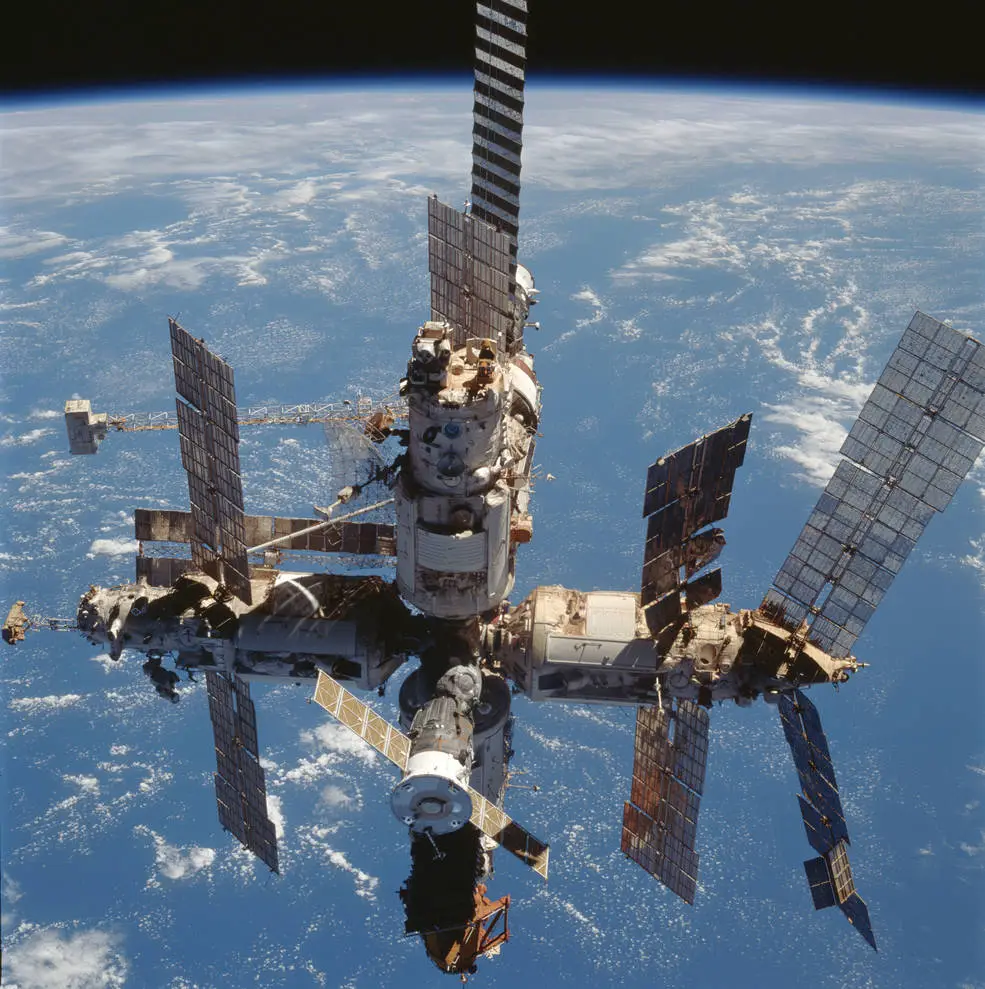
Thirty-nine years ago, a Proton rocket carried the core of the Mir space station into orbit, launching an unprecedented era of continuous human presence in space and international cooperation
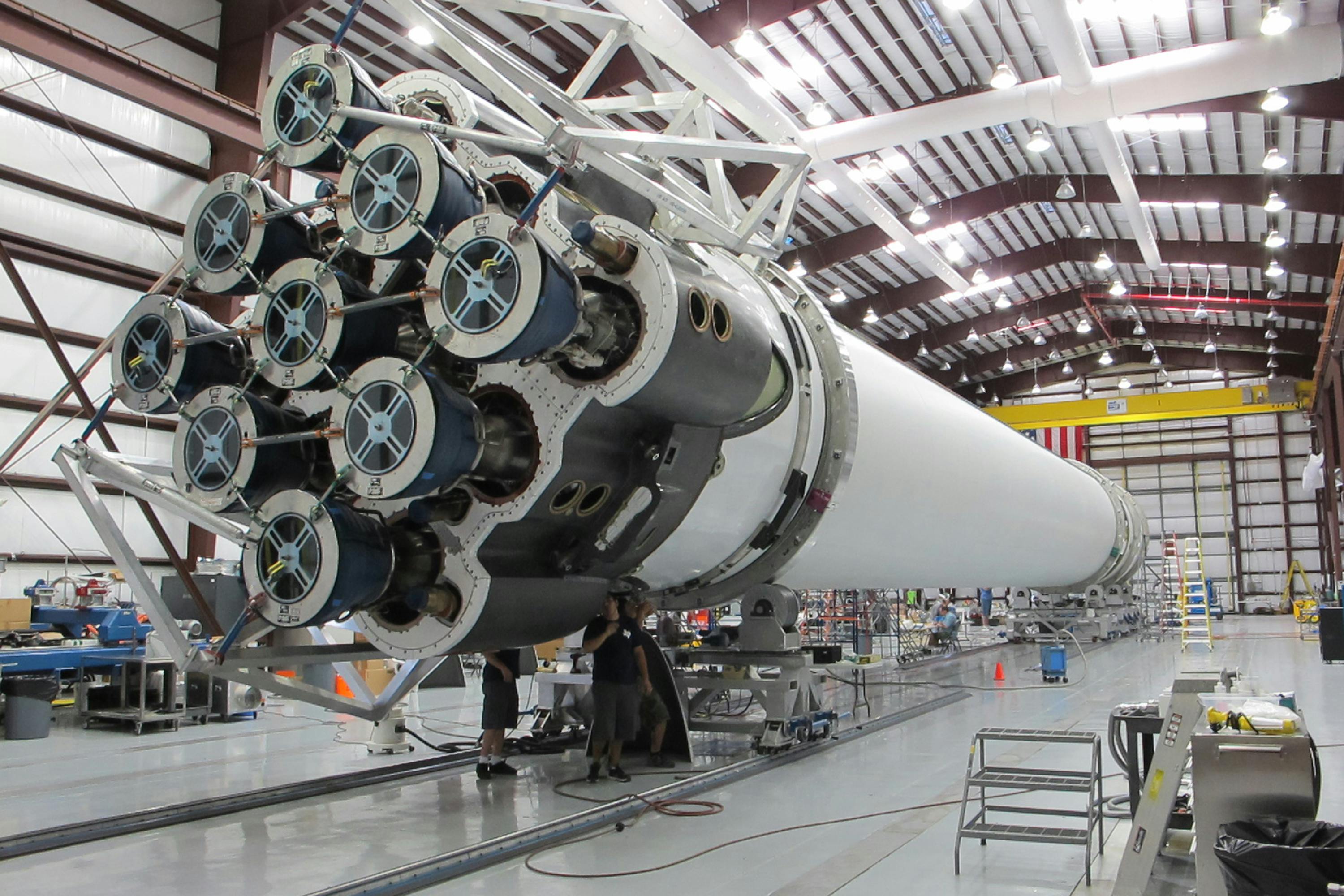
Booster B1067 hit 36 flights on July 9, while SpaceX files to expand Starlink to 100,000 satellites at 4,400 lbs each.

A look at how tracking the space station offers a unique view of space exploration.
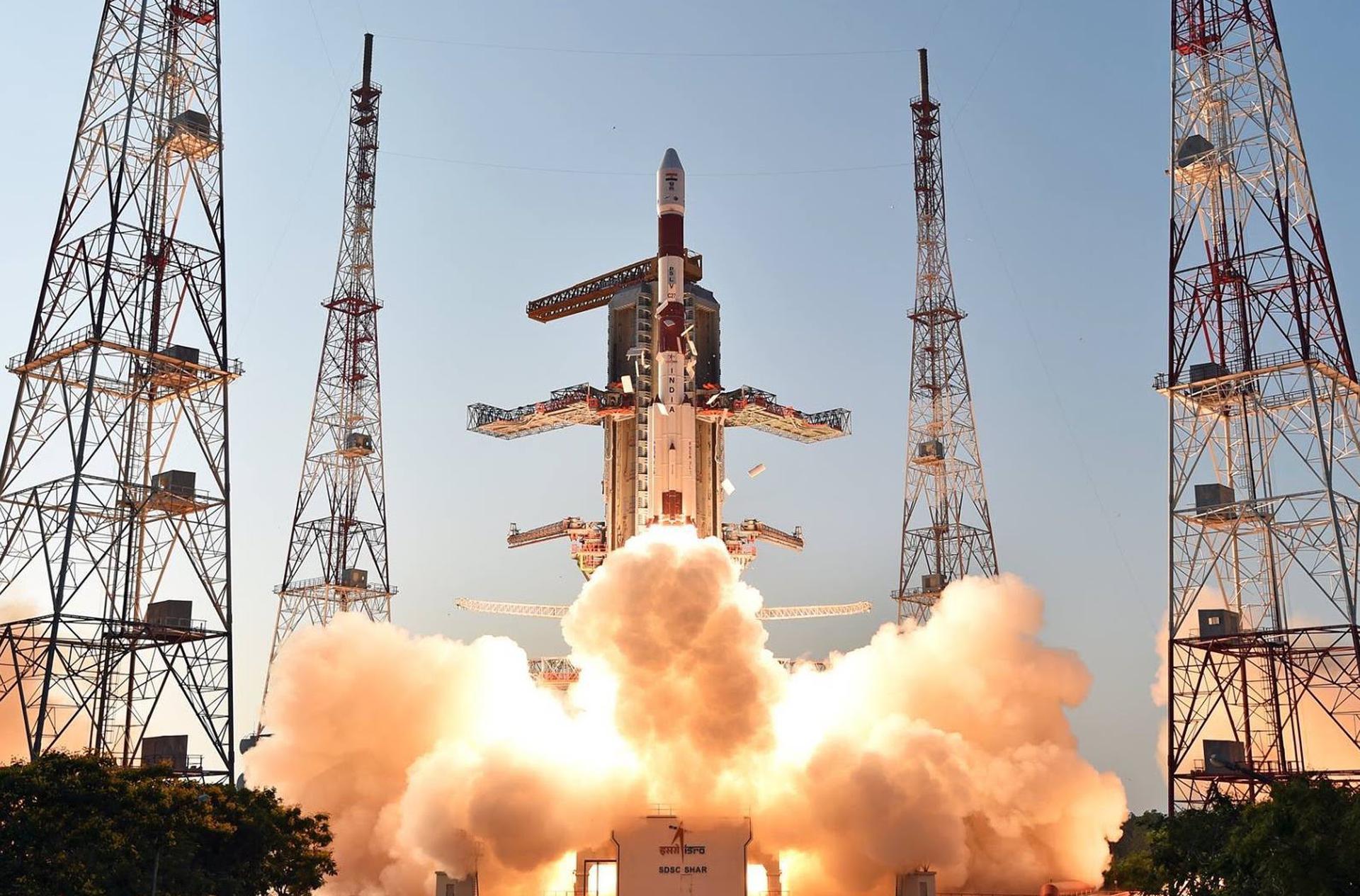
Highlighting ExLabs' Space Force contract, Starlink advances, and developments in orbital communication tech.

SpaceX continues to break records with its Falcon 9 missions while facing public scrutiny from Elon Musk regarding NASA's leadership. Meanwhile, satellite spectrum battles heat up as Lynk Global and Omnispace prepare to merge.
Today's briefing highlights recent launches and failures, including an Indian radar satellite setback, successful Rocket Lab missions, and China's debut of upgraded rocket technology.
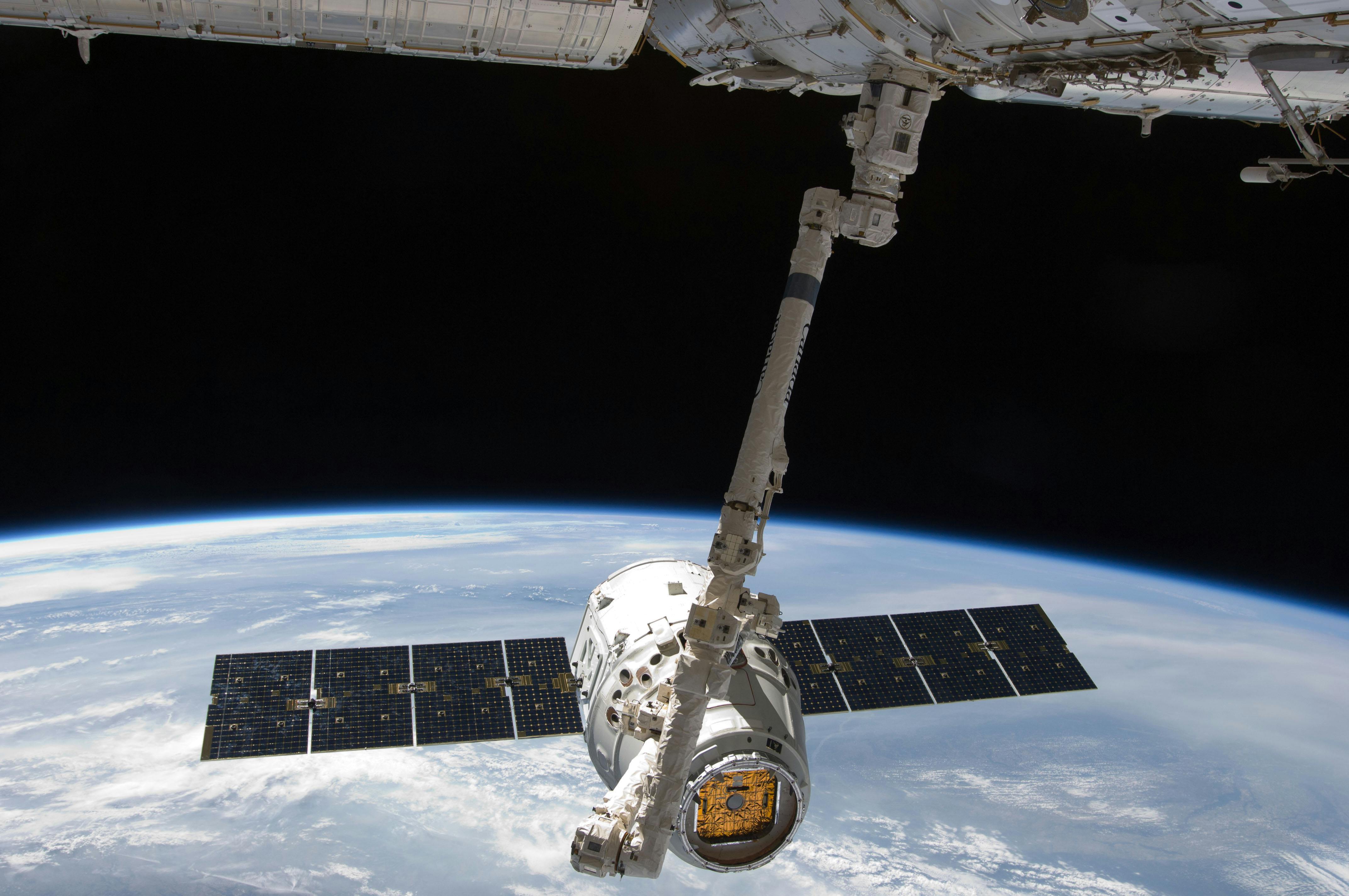
Elon Musk shifts SpaceX's priority to lunar settlement before Mars colonization. Crew-12 launch delayed by weather to Feb 12. SpaceX partners with Hexagon Purus for manufacturing.