

SpaceX IPO Raises $75B, SPCX Surges 20% on Day One | KeepTrack X Report
SpaceX debuted on Nasdaq as SPCX at $135/share, raising a record $75B and pushing Elon Musk's net worth past $1 trillion for the first time.



Launch Date
October 29, 2018
Launch Site
TANSC
Launch Pad
Y
Launch Vehicle
H-IIA 202
NORAD ID
46426
International Designator
2018-084CH
Decay Date
1/20/2021
Name
H-2A DEB
Alternative Name
deb H-2A F40 Adapter C
Type
Status
Owner
JAXA
Country
Japan
Constellation
N/A
Related Satellites
Major Events
N/A
Length
0
Diameter
0
Span
0
Dry Mass
0
Launch Mass
0
Shape
N/A
Radar Cross Section
Unknown
Visual Magnitude
Unknown
Color
Unknown
Material Composition
Unknown
Payload
Unknown
Purpose
Unknown
Mission
Unknown
Manufacturer
MHITO
Life Expectancy
Unknown
Bus
Unknown
Configuration
Unknown
Motor
Unknown
Equipment
Unknown
Power System
Unknown
ADCS
Unknown
Transmitter Frequency
Unknown
Learn more about satellites and other related topics.
SpaceX debuted on Nasdaq as SPCX at $135/share, raising a record $75B and pushing Elon Musk's net worth past $1 trillion for the first time.

SpaceX achieves a historic rocket reuse milestone and successfully launches NRO satellites, alongside charming interactions during Crew-9 Dragon recovery.

Today's briefing covers Rocket Lab's plans following a record-breaking year, efforts to recover NASA's MAVEN orbiter, and the potential relocation of space shuttle Discovery.

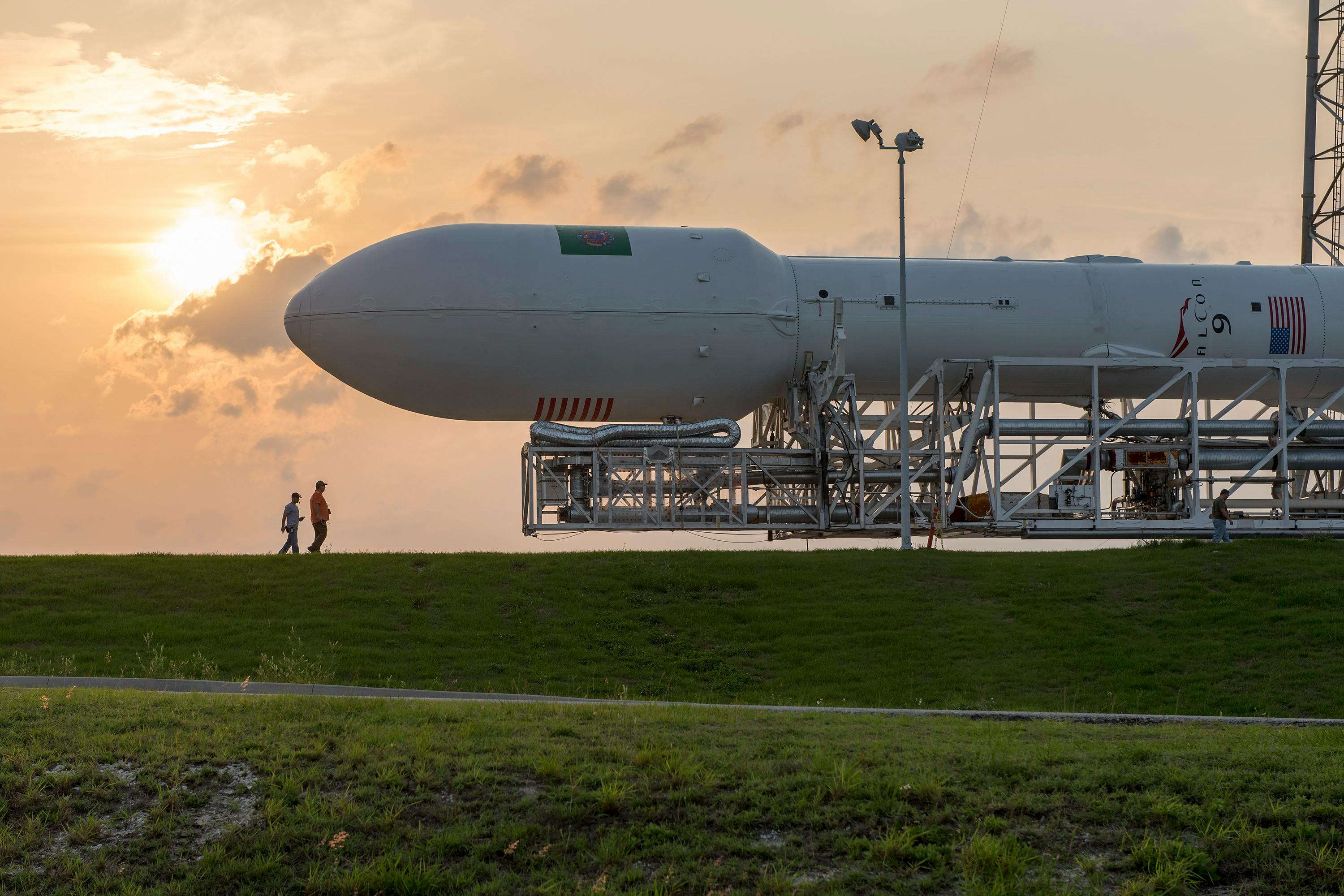
SpaceX achieved significant milestones with the launch of its 500th Falcon 9 rocket and the deployment of a European weather satellite, showcasing its ongoing impact in space exploration and satellite technology.
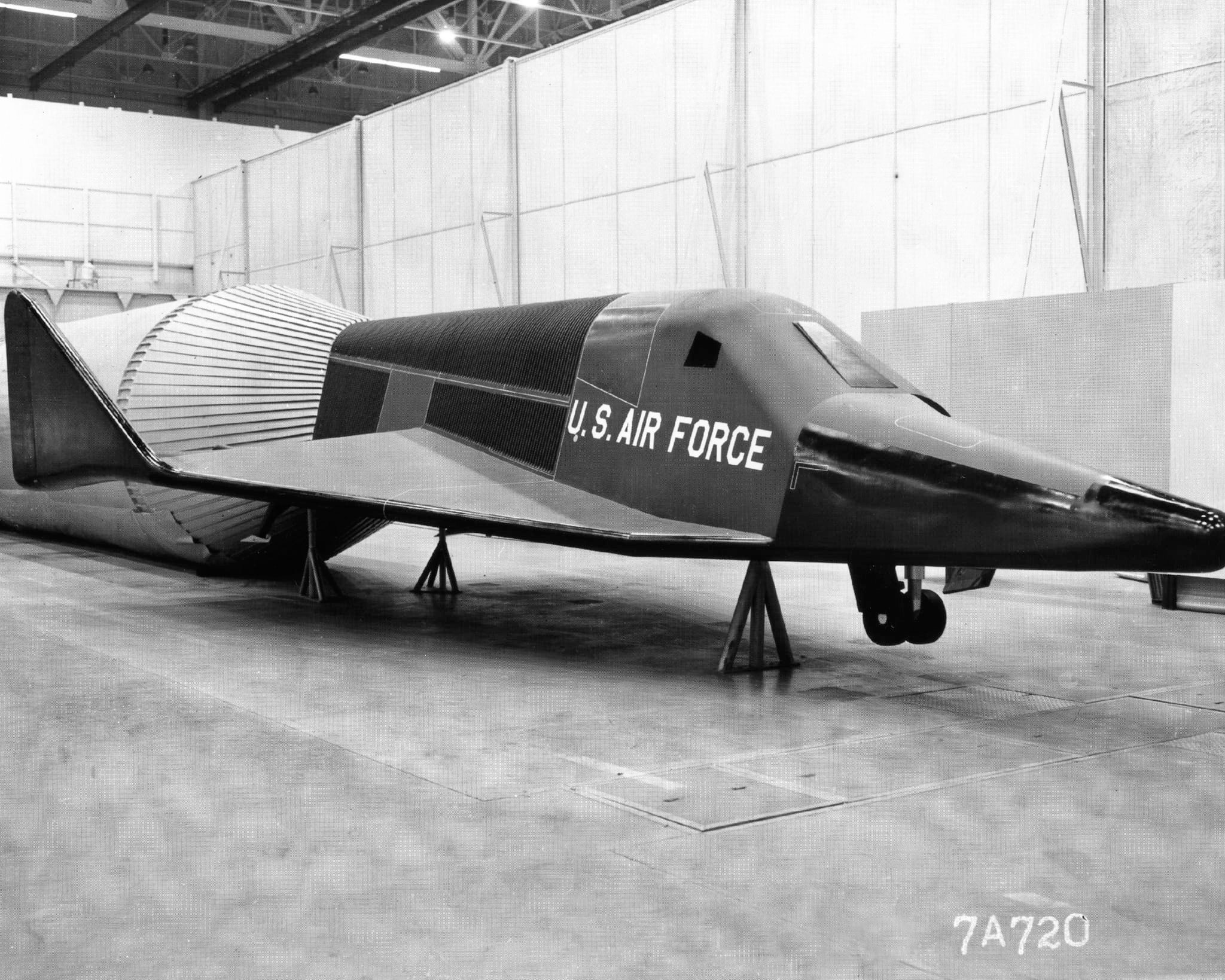
Exactly 62 years ago, Defense Secretary Robert McNamara ended the X-20 Dyna-Soar program, canceling one of the most ambitious spaceplane projects of the early Space Race - a vehicle that could have put aircraft in orbit decades before the Space Shuttle.
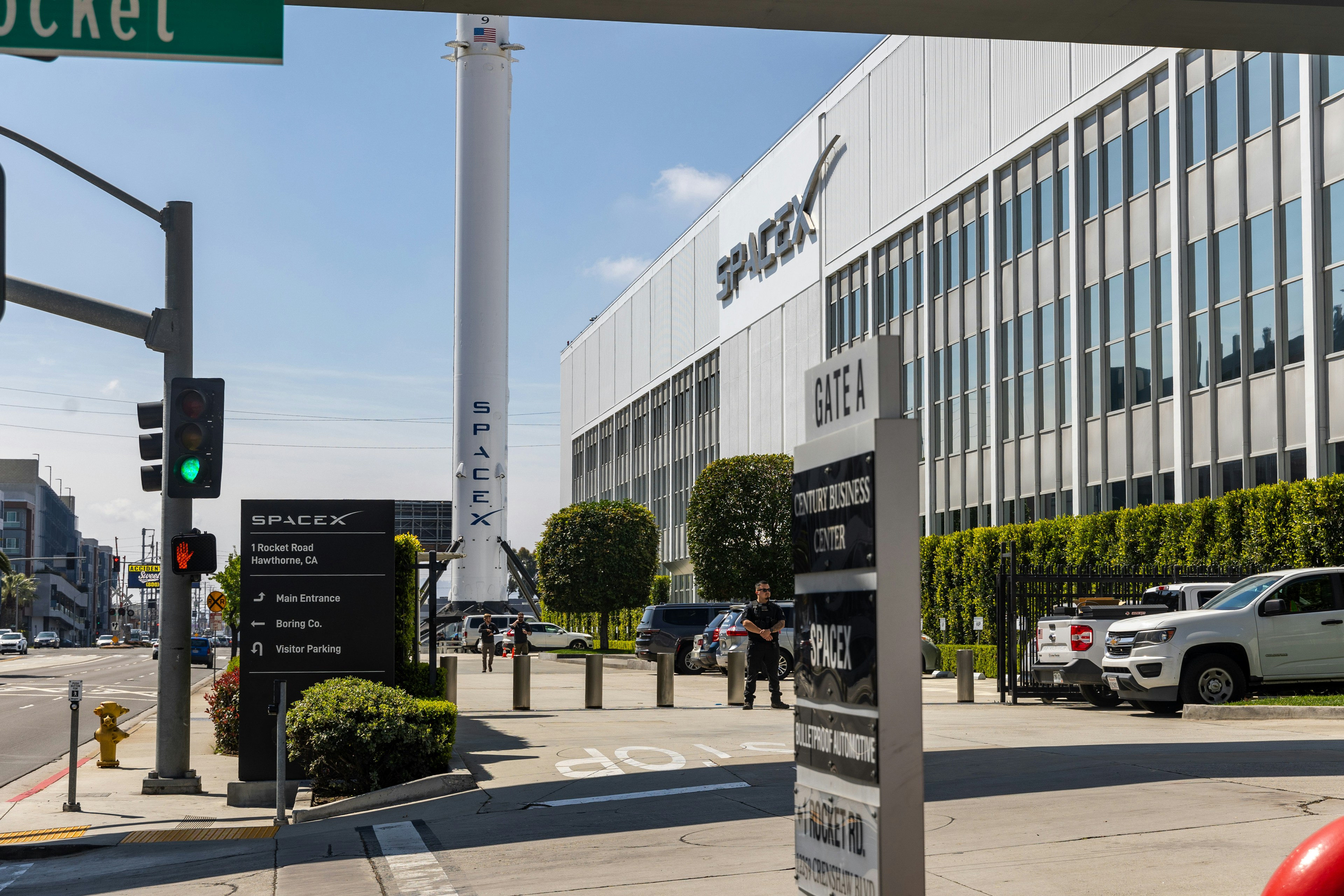
How many Starlink satellites are in orbit in 2026? SpaceX passed 10,000 after the Starlink 17-24 launch, with 10,020 in orbit and 11,529 launched.
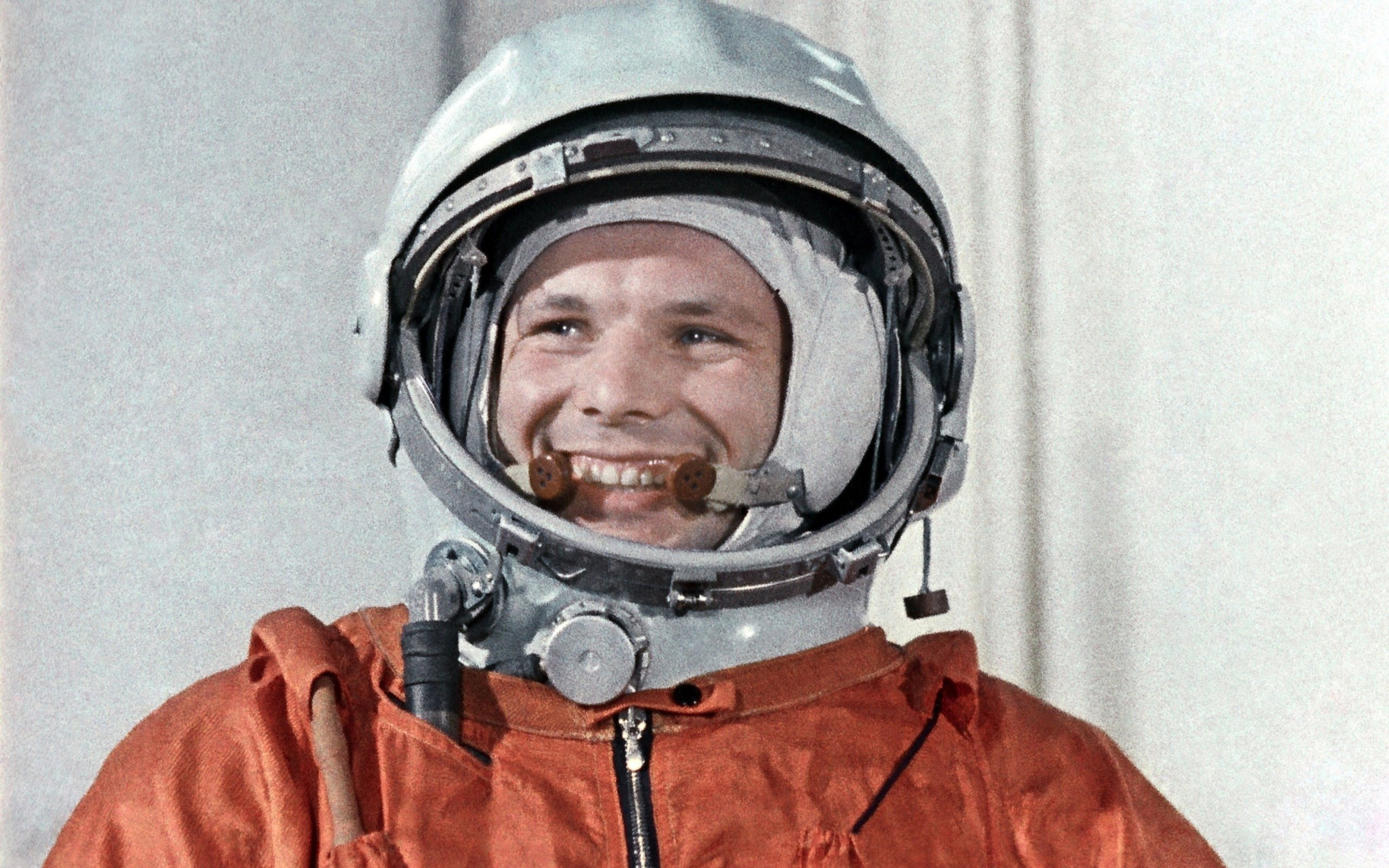
On April 12, 1961, a 27-year-old Soviet pilot rode a modified ICBM into orbit and came back alive after 108 minutes. Exactly twenty years later, two Americans climbed aboard an untested spacecraft covered in 31,000 ceramic tiles and bet their lives that the math was right.

Understanding the high and low points of every orbit - from the International Space Station's careful dance with Earth's atmosphere to the extreme ellipses that take satellites to the edge of space and back.