


Space Brief 29 Jul 2025
Today's brief covers developments in space traffic management, the X-37B spaceplane's upcoming mission, and satellite interference with radio telescopes.



Launch Date
June 4, 2020
Launch Site
Launch Pad
LC40
Launch Vehicle
NORAD ID
45705
International Designator
2020-035BA
Decay Date
1/20/2024
Name
STARLINK-1410
Alternative Name
Starlink 1410
Type
Status
Owner
SPXS
Country
United States
Constellation
N/A
Related Satellites
Major Events
N/A
Length
0.2
Diameter
2.8
Span
9
Dry Mass
248
Launch Mass
260
Shape
Box + pan
Radar Cross Section
Unknown
Visual Magnitude
Unknown
Color
Unknown
Material Composition
Unknown
Payload
Starlink V1.0-L7-49
Purpose
Communication
Mission
Communication
Manufacturer
SPXS
Life Expectancy
Unknown
Bus
Starlink
Configuration
Unknown
Motor
Krypton ion thrusters
Equipment
Ku/Ka-band payload (all), optical inter-satellite links (a few prototypes)
Power System
Solar arrays, batteries
ADCS
Unknown
Transmitter Frequency
Unknown
Learn more about satellites and other related topics.
Today's brief covers developments in space traffic management, the X-37B spaceplane's upcoming mission, and satellite interference with radio telescopes.

As the International Space Station nears retirement, private companies are stepping up to fill the void with their own space stations. Discover the key players and the potential impact on space exploration.
Today's Space Brief covers a Soyuz launch mishap that damaged Baikonur pad, Varda Space's AFRL test flights, ION vehicles aboard SpaceX Transporter-15, and more.
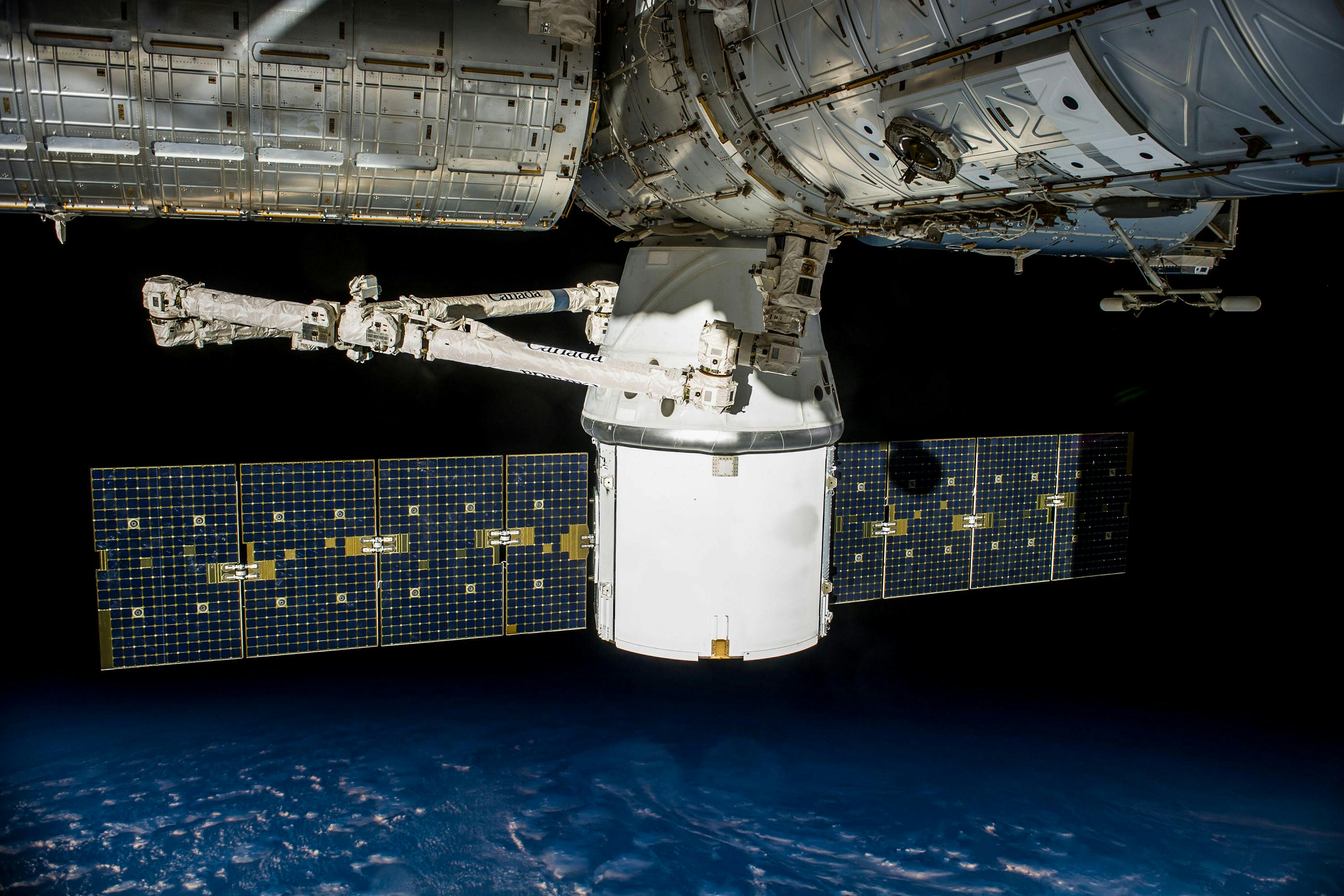
SpaceX attempts its 600th Falcon 9 booster landing during the Starlink 17-22 mission, adding 25 satellites from Vandenberg SFB.

SpaceX sets a new reuse record with Falcon 9's 27th flight, continuing its Starlink deployment while facing challenges with Starship development.
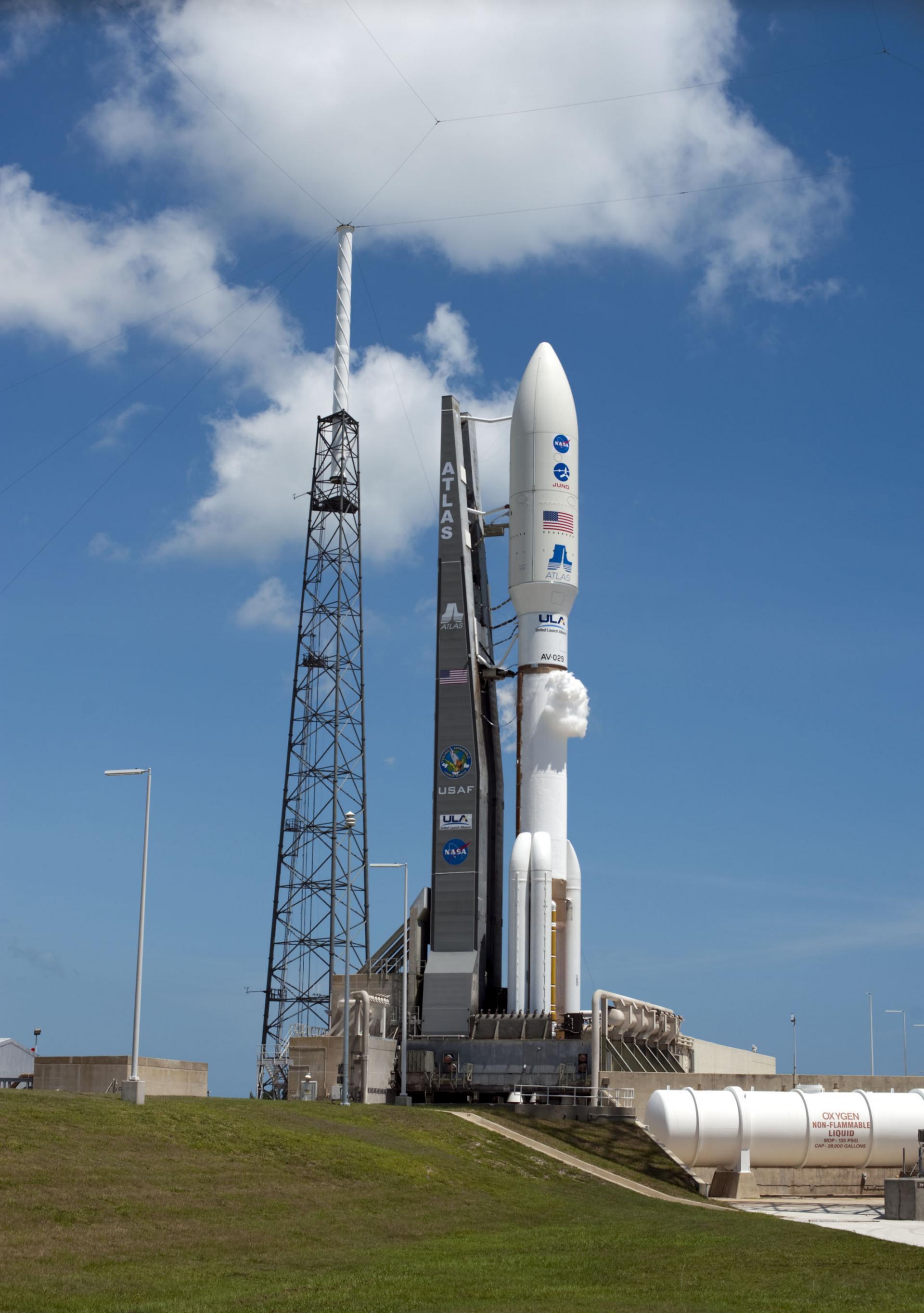
Today's brief covers SpaceX's potential government contract, the future of US Space Command headquarters, an auction record for Neil Armstrong's watch, and the volcanic history of Mars.

SpaceX awarded $2.29 billion to build Space Force's LEO communications backbone, integrating with SDA Transport layer satellites for military tactical data relay through space.
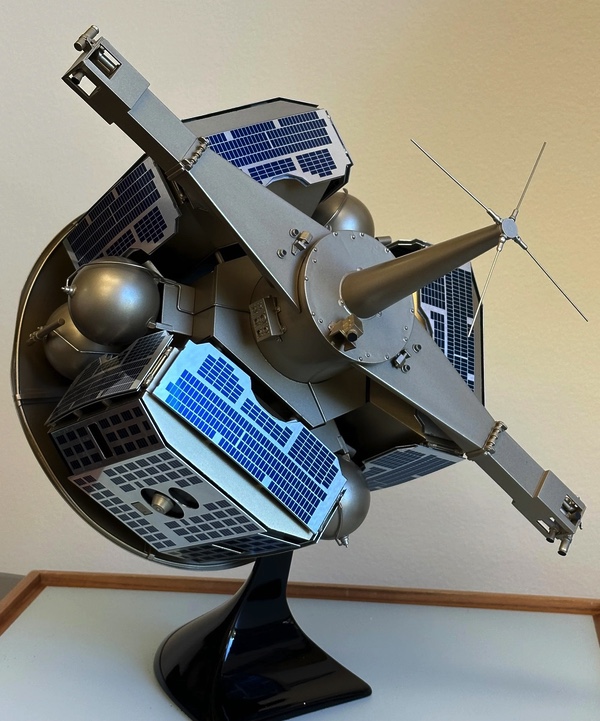
Forty-two years ago, an Atlas H rocket climbed into the California sky carrying four objects that would help the U.S. Navy track every Soviet warship on the planet - a mission so secret that even the satellites' true name wasn't declassified until 2023