STARLINK-1322 (45552)

COSPAR: 2020-025X | Alt Name: Starlink 1322
DECAYED

Image
STARLINK-1322 Satellite Image
Additional Sources
Launch Details

Launch Date

April 22, 2020

Launch Pad

LC39A

Launch Vehicle

Falcon 9

Orbital Elements

NORAD ID

45552

International Designator

2020-025X

Decay Date

8/22/2022

Basic Satellite Info

Name

STARLINK-1322

Alternative Name

Starlink 1322

Type

Payload

Status

Decayed

Owner

SPXS

Country

United States

Constellation

N/A

Related Satellites

Major Events

N/A

Summary
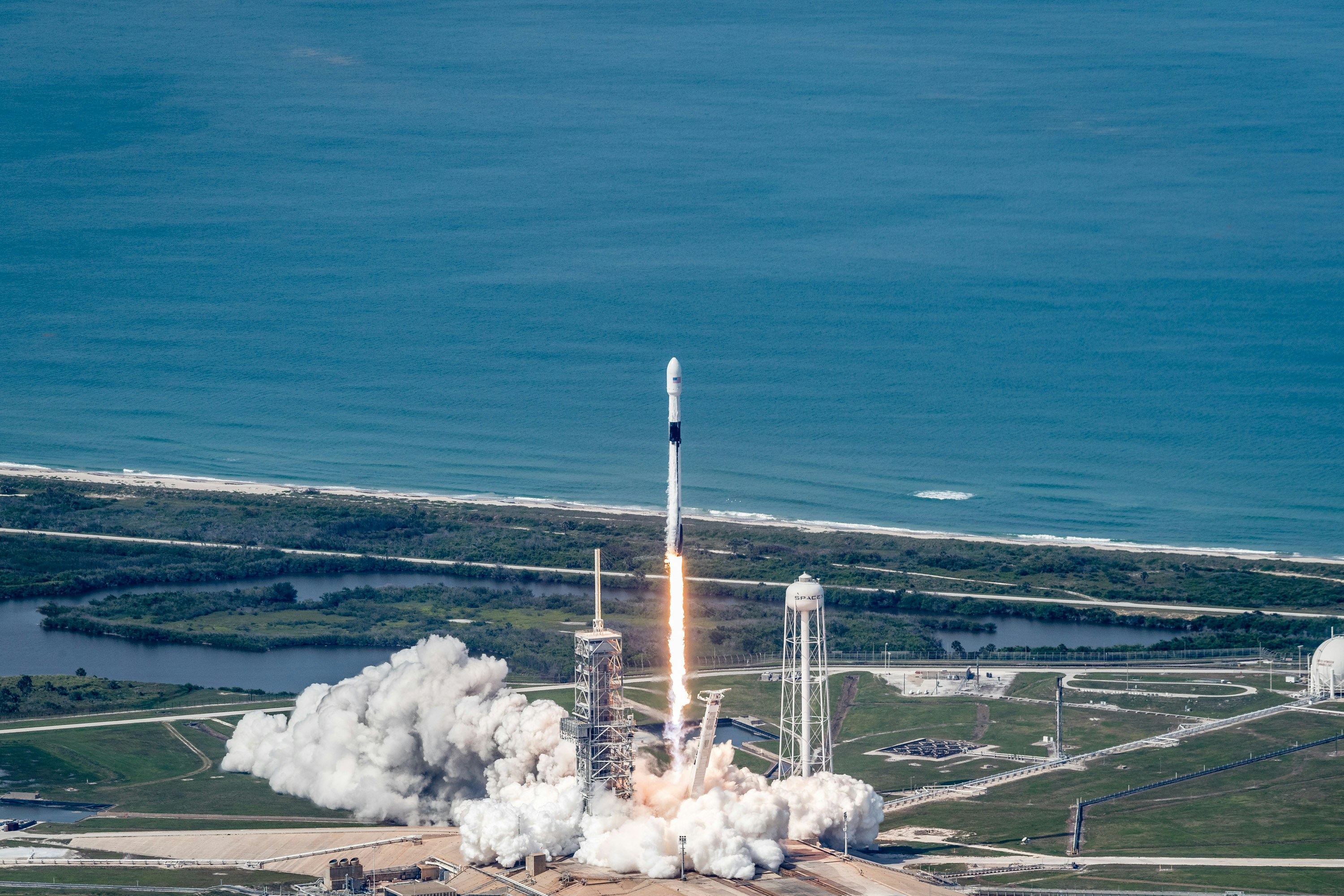
STARLINK-1322 is a communication satellite operated by SpaceX (SPXS) and was launched on April 22, 2020, from Launch Complex 39A at the Air Force Eastern Test Range using a Falcon 9 launch vehicle. The satellite measures 0.2 meters in length with a diameter of 2.8 meters and a span of 9 meters. It has a dry mass of 248 kilograms and was launched with a total mass of 260 kilograms, powered by solar arrays and batteries. Equipped with Ku/Ka-band payload capabilities (all units) and optical inter-satellite links (prototypes), the satellite uses Krypton ion thrusters for propulsion. The equipment configuration is designed to support communication missions in space.

Starlink is a satellite constellation developed by SpaceX with the aim of providing global broadband internet coverage. Thousands of small satellites are deployed in low Earth orbit (LEO), enabling high-speed internet access even in remote areas. However, the rapid increase in satellites raises concerns about space debris and the potential for collisions, which can lead to further debris creation and endanger other spacecraft. Additionally, the sheer number of Starlink satellites can affect astronomical observations by increasing light pollution. Proper deorbiting plans and international coordination are essential to mitigate these challenges and ensure long-term sustainability in space.
Physical Characteristics

Length

0.2

Diameter

2.8

Span

9

Dry Mass

248

Launch Mass

260

Shape

Box + pan

Radar Cross Section

Unknown

Visual Magnitude

Unknown

Color

Unknown

Material Composition

Unknown

Technical Details

Payload

Starlink V1.0-L6-22

Purpose

Communication

Mission

Communication

Manufacturer

SPXS

Life Expectancy

Unknown

Bus

Starlink

Configuration

Unknown

Motor

Krypton ion thrusters

Equipment

Ku/Ka-band payload (all), optical inter-satellite links (a few prototypes)

Power System

Solar arrays, batteries

ADCS

Unknown

Transmitter Frequency

Unknown

Satellite Articles

View All Posts »

Learn more about satellites and other related topics.

Space Brief 13 Nov 2025

Space Brief 13 Nov 2025

Delve into the latest on military AI leadership debates, Wedgetail funding increases, and the Army's Short Range Reconnaissance Program advancements. Explore how these developments influence satellite tracking and defense initiatives.

User-Inspired Update

User-Inspired Update

A user suggestion led to the addition of new visualizations for satellites, debris, and unidentified objects across different orbits in KeepTrack.

X Report 8 Mar 2025

X Report 8 Mar 2025

SpaceX faces setbacks with Starship Flight 8 amid debris fallout, achieves regulatory win for smartphone connectivity, and prepares for upcoming ISS missions.

Two-Line Element Set (TLE)

Two-Line Element Set (TLE)

The compact data format that describes every tracked satellite orbit in just two lines of text, and how to read it

X Report 1 Jan 2025

X Report 1 Jan 2025

SpaceX wraps up a record-breaking year with an impressive launch count, while the Starship program looks to make significant advancements in 2025.

X Report 4 Jul 2025

X Report 4 Jul 2025

SpaceX continues to make strides in satellite deployment with a successful launch. The European Space Agency's new satellite enhances global atmospheric forecasting, showcasing the expanding role of launches in improving environmental monitoring.

X Report 6 Jun 2025

X Report 6 Jun 2025

Today's SpaceX Brief highlights the imminent launch of the Ax-4 mission, notable milestones in Falcon rocket history, and the impact of political tensions on SpaceX operations.

The Kessler Syndrome

The Kessler Syndrome

The Kessler Syndrome threatens humanity's future in space as cascading satellite collisions create exponential debris growth. With 36,000+ tracked objects and recent incidents accelerating risks, we face a critical juncture: implement solutions now or potentially lose access to low Earth orbit forever.