DRAGON CRS-20 DEB (45343)

COSPAR: 2020-016C | Alt Name: Dragon solar array cover
DECAYED

Image
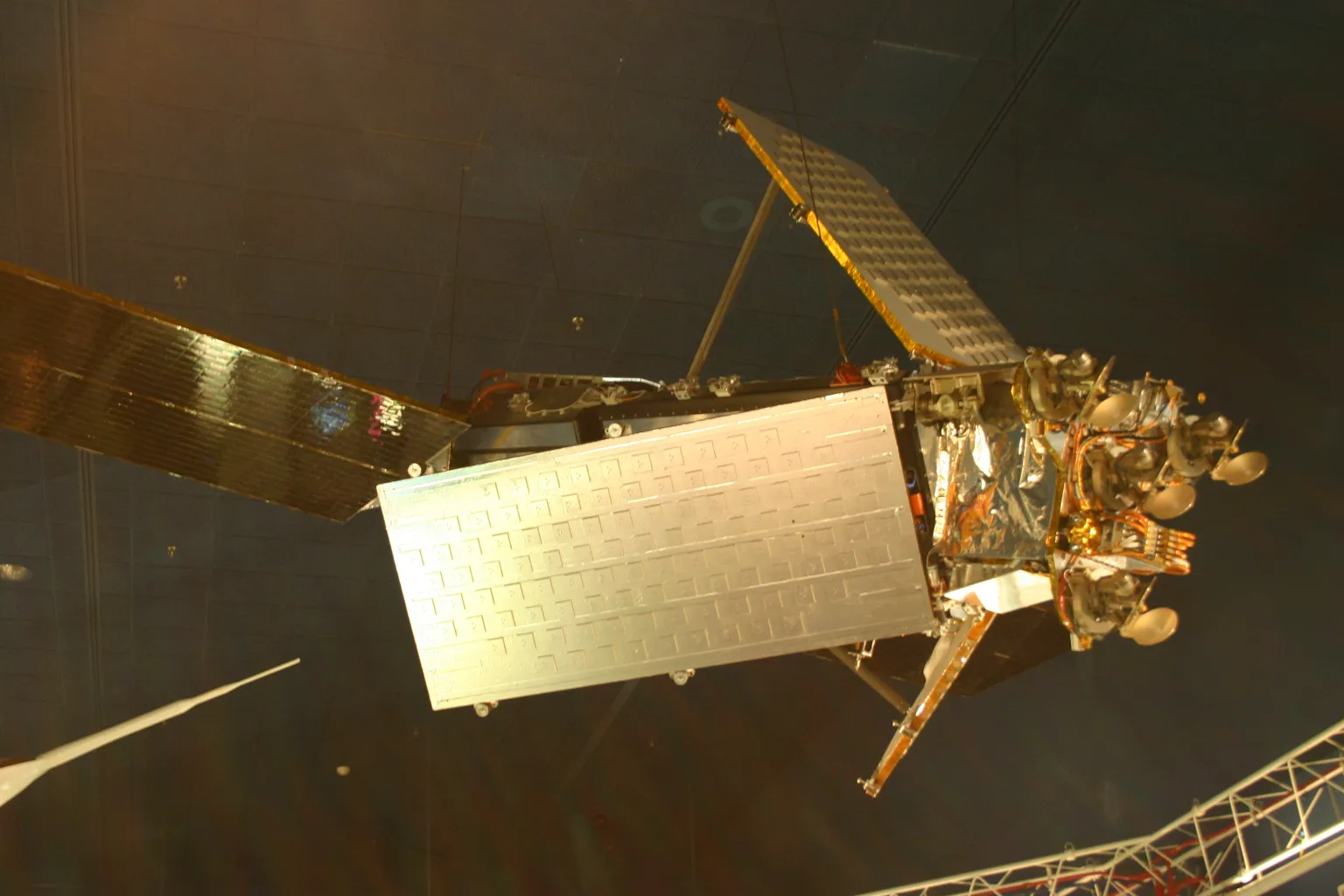
DRAGON CRS-20 DEB Satellite Image
Additional Sources
Launch Details

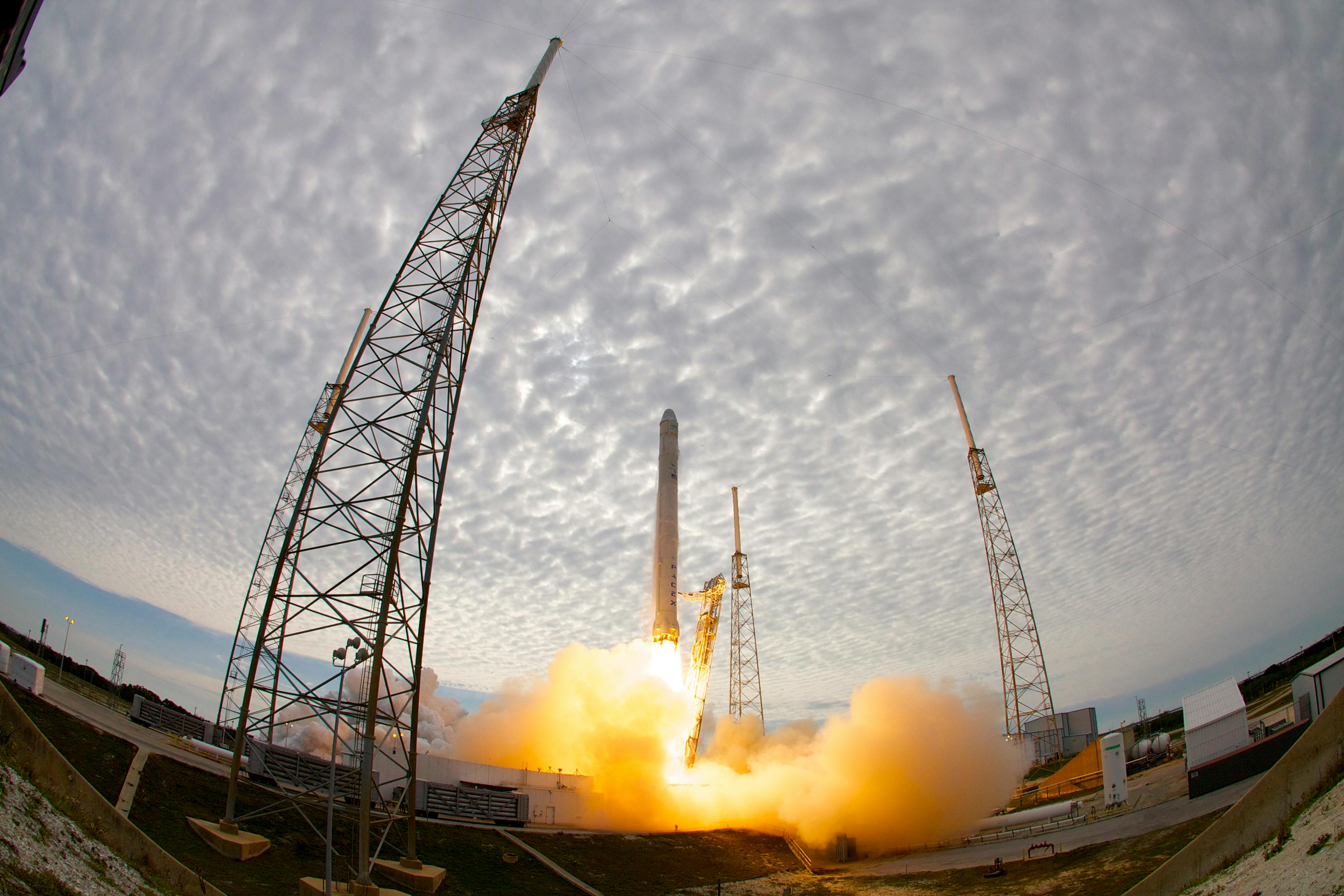
Launch Date

March 7, 2020

Launch Pad

LC40

Launch Vehicle

Falcon 9

Orbital Elements

NORAD ID

45343

International Designator

2020-016C

Decay Date

3/13/2020

Basic Satellite Info

Name

DRAGON CRS-20 DEB

Alternative Name

Dragon solar array cover

Type

Debris

Status

Space Junk

Owner

SPX

Country

United States

Constellation

N/A

Related Satellites

Major Events

N/A

Summary
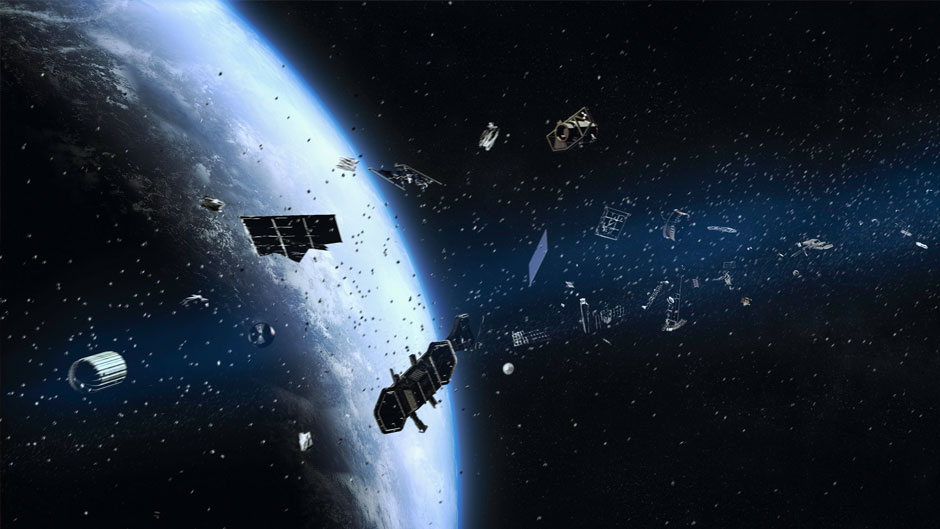
Space debris, also known as space junk, encompasses all non-functional objects orbiting Earth such as defunct satellites, spent rocket stages, and fragments from collisions or disintegrations. Over time, this debris can accumulate and create an increasingly hazardous environment in orbit. Even tiny fragments, traveling at extremely high velocities, can inflict significant damage on operational satellites and spacecraft. If left unmanaged, the density of debris raises the risk of catastrophic collisions and further fragmentation, compounding the problem and threatening the safety and sustainability of space activities.
Physical Characteristics

Length

0.2

Diameter

2

Span

2.9

Dry Mass

104

Launch Mass

104

Shape

Plate

Radar Cross Section

Unknown

Visual Magnitude

Unknown

Color

Unknown

Material Composition

Unknown

Technical Details

Payload

Unknown

Purpose

Unknown

Mission

Unknown

Manufacturer

SPX

Life Expectancy

Unknown

Bus

Unknown

Configuration

Unknown

Motor

Unknown

Equipment

Unknown

Power System

Unknown

ADCS

Unknown

Transmitter Frequency

Unknown

Satellite Articles

View All Posts »

Learn more about satellites and other related topics.

L3Harris, Sierra Space Win $1.75B Missile-Tracking Satellite Contract | KeepTrack Space Brief

L3Harris, Sierra Space Win $1.75B Missile-Tracking Satellite Contract | KeepTrack Space Brief

L3Harris and Sierra Space awarded $1.75 billion to build 36 missile-tracking satellites for SDA's Tracking Layer constellation. Hypersonic and ballistic missile detection from low Earth orbit.

Space Brief 4 Jun 2025

Space Brief 4 Jun 2025

Key developments include China's Shijian 26 satellite launch, U.S. Space Force's BAE Systems contract for missile-tracking satellites, and military advancements in space systems.

Space Brief 25 Oct 2024

Space Brief 25 Oct 2024

Today's highlights include Crew-8's return amid weather delays, new space tourism announcements by Deep Blue Aerospace, and Europe's efforts to combat space debris. Plus, another successful SpaceX launch and the ESA backed Zero Debris Charter gains international traction.

The Day Two Satellites Said Hello at 26,000 Miles Per Hour

The Day Two Satellites Said Hello at 26,000 Miles Per Hour

Seventeen years ago today, an operational American communications satellite and a dead Russian military relay crossed paths over Siberia. What happened next created more than 2,000 pieces of trackable debris - and fundamentally changed how the world thinks about space traffic.

X Report 18 Mar 2025

X Report 18 Mar 2025

Major breakthroughs as SpaceX prepares to bring astronauts home and multiple launches unfold this week.

Space Brief 29 May 2025

Space Brief 29 May 2025

Today's brief covers a Japanese military satellite launch, new GPS satellite orders by the Space Force, and a Moog propulsion system contract, among other notable developments.

Space Brief 8 Jan 2025

Space Brief 8 Jan 2025

Today's highlights include China's launch of the Shijian-25 for on-orbit refueling tests, major Pentagon contracts for solid rocket motors and hypersonic testing, and the US Space Force's record-setting year of launches.

The Satellite That Found 22 Photons and Changed Astronomy

The Satellite That Found 22 Photons and Changed Astronomy

On April 27, 1961, a Scout rocket lifted a 37-kilogram NASA satellite into orbit from Wallops Island carrying the first serious instrument for detecting cosmic gamma rays. Explorer 11 operated for seven months before its tape recorder failed. In that time it registered 22 gamma-ray photons - a pitiful number by modern standards, but enough to launch an entire branch of astronomy.