XJS F (45253)

COSPAR: 2020-014E | Alt Name: Xin jishu shiyan F xing
DECAYED

Image
XJS F Satellite Image
Additional Sources
Launch Details

Launch Date

February 19, 2020

Launch Site

XICLF

Launch Pad

LC3

Launch Vehicle

Chang Zheng 2D

Orbital Elements

NORAD ID

45253

International Designator

2020-014E

Decay Date

11/5/2023

Basic Satellite Info

Name

XJS F

Alternative Name

Xin jishu shiyan F xing

Type

Payload

Status

Decayed

Owner

DFHZ

Country

China

Constellation

N/A

Related Satellites

Major Events

N/A

Summary
The satellite XJS F (Xin jishu shiyan F xing) was launched on February 19, 2020, from LC3 at the Xichang Satellite Launch Center using a Chang Zheng 2D launch vehicle. It has a box shape with two panels and measures 0.5 meters in length and diameter, with a span of 1 meter. The satellite has a dry mass and launch mass both equal to 200 kilograms. It was manufactured by DFHZ and is also owned by DFHZ. No additional details regarding its equipment, mission, purpose, or power source are provided.
Physical Characteristics

Length

0.5

Diameter

0.5

Span

1

Dry Mass

200

Launch Mass

200

Shape

Box + 2 Pan

Radar Cross Section

Unknown

Visual Magnitude

Unknown

Color

Unknown

Material Composition

Unknown

Technical Details

Payload

XJS F

Purpose

Unknown

Mission

Unknown

Manufacturer

DFHZ

Life Expectancy

Unknown

Bus

Unknown

Configuration

Unknown

Motor

Unknown

Equipment

Unknown

Power System

Unknown

ADCS

Unknown

Transmitter Frequency

Unknown

Satellite Articles

View All Posts »

Learn more about satellites and other related topics.

The Day Two Astronauts Proved We Could Reach the Moon

The Day Two Astronauts Proved We Could Reach the Moon

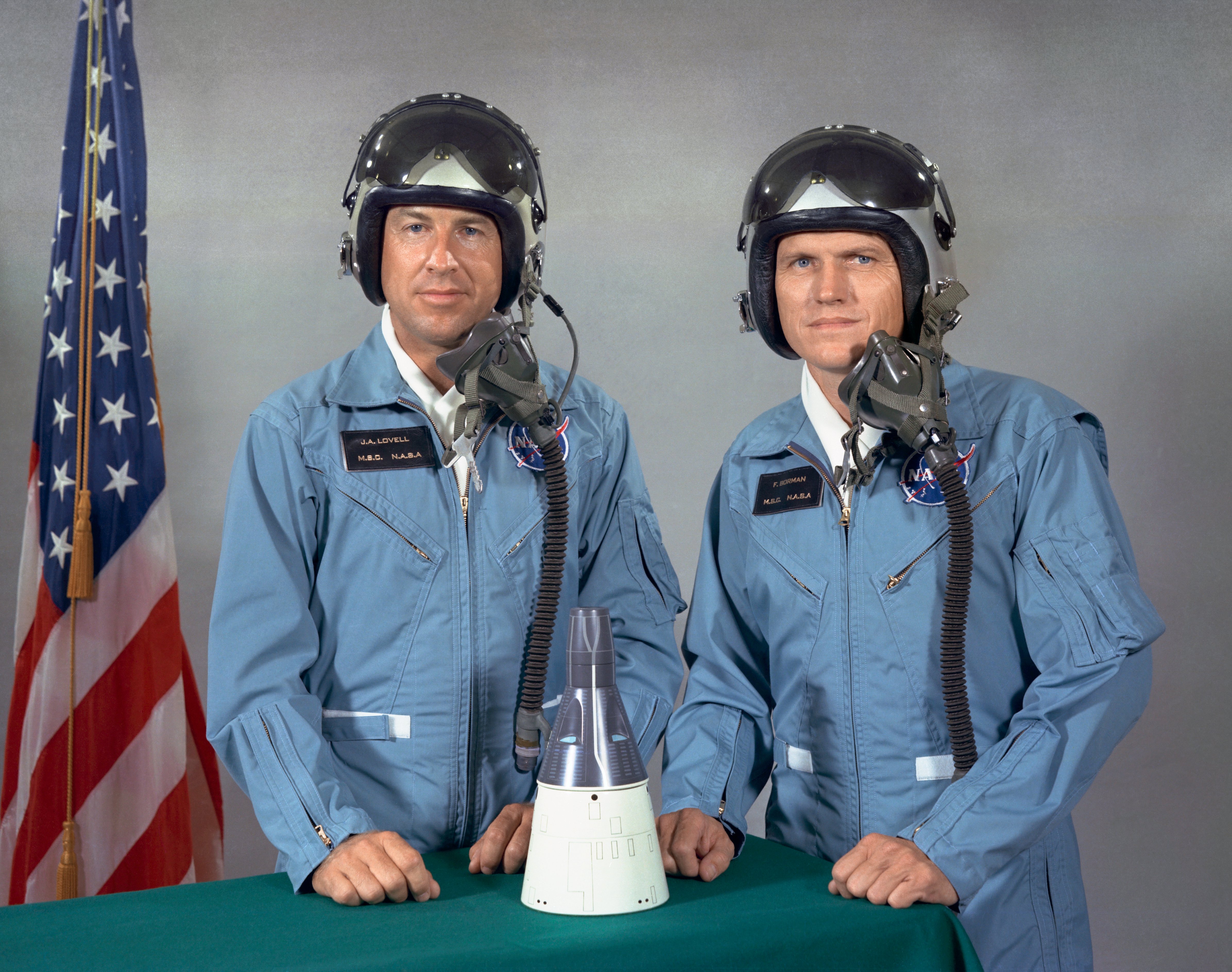
Sixty years ago, Frank Borman and James Lovell launched aboard Gemini 7 for a grueling 14-day mission that would prove humans could endure the journey to the moon and achieve the first true rendezvous in space
SpaceX Resumes Falcon 9 Launches After Investigating Upper Stage Anomaly

SpaceX Resumes Falcon 9 Launches After Investigating Upper Stage Anomaly

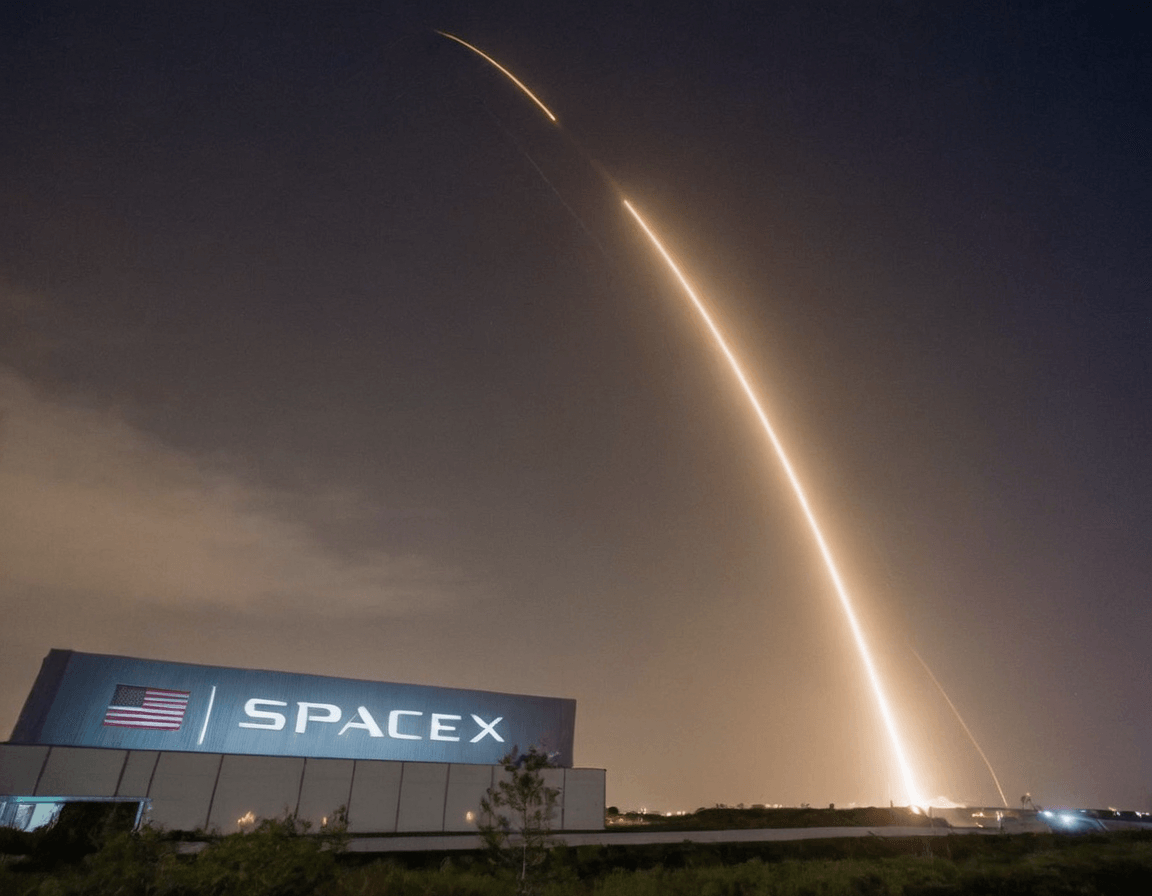
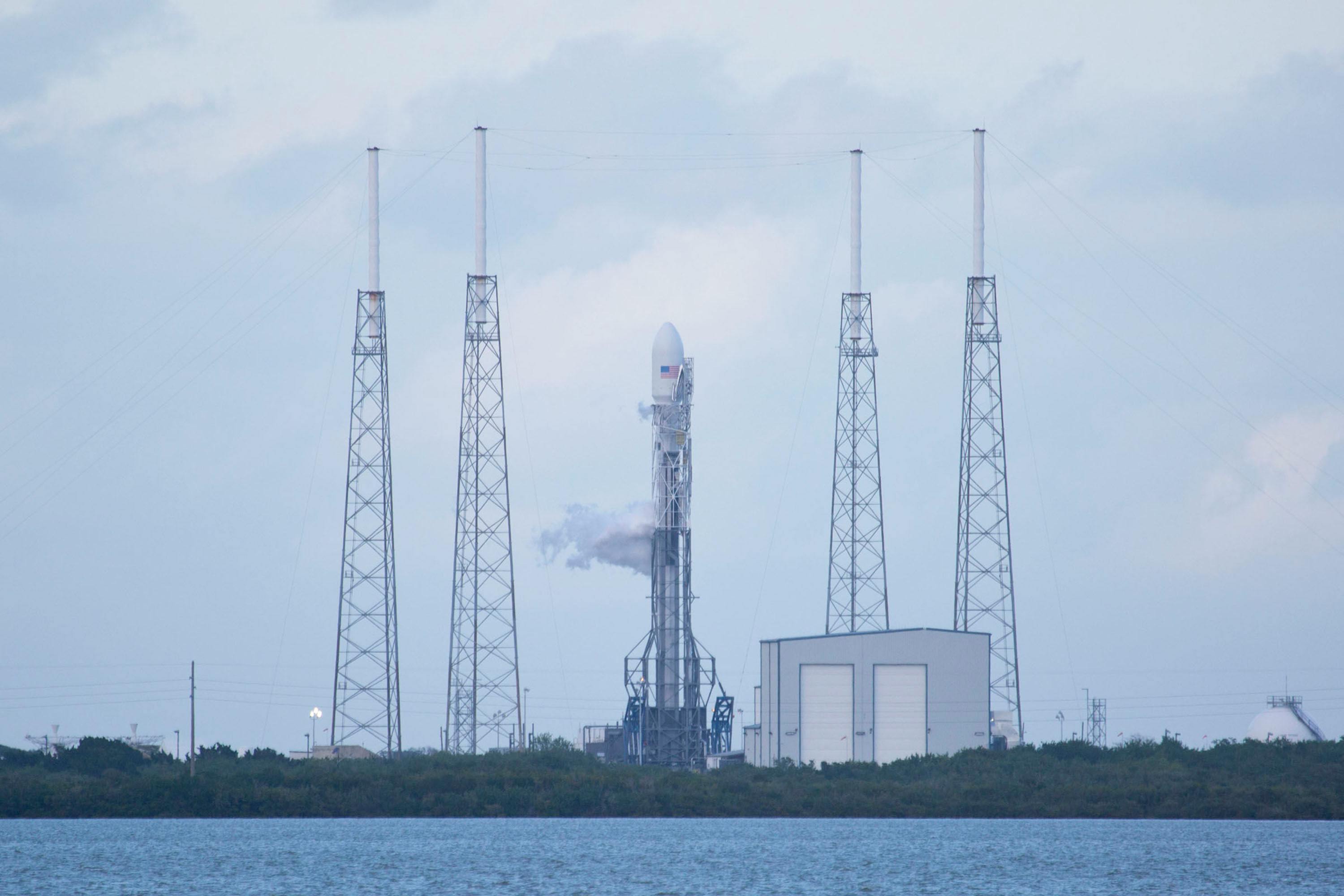
SpaceX successfully returns to flight with a Starlink mission, detailing the cause of the July 11 anomaly and implementing fixes to prevent future incidents.

Starship V3 Flight 12 Succeeds Despite Engine Shutdown | KeepTrack X Report

Starship V3 Flight 12 Succeeds Despite Engine Shutdown | KeepTrack X Report

Starship V3 completed Flight 12 on May 22 despite one vacuum Raptor shutting down early, with SpaceX's IPO filing revealing bold Starlink Mobile ambitions.

The Telescope That Needed Glasses

The Telescope That Needed Glasses

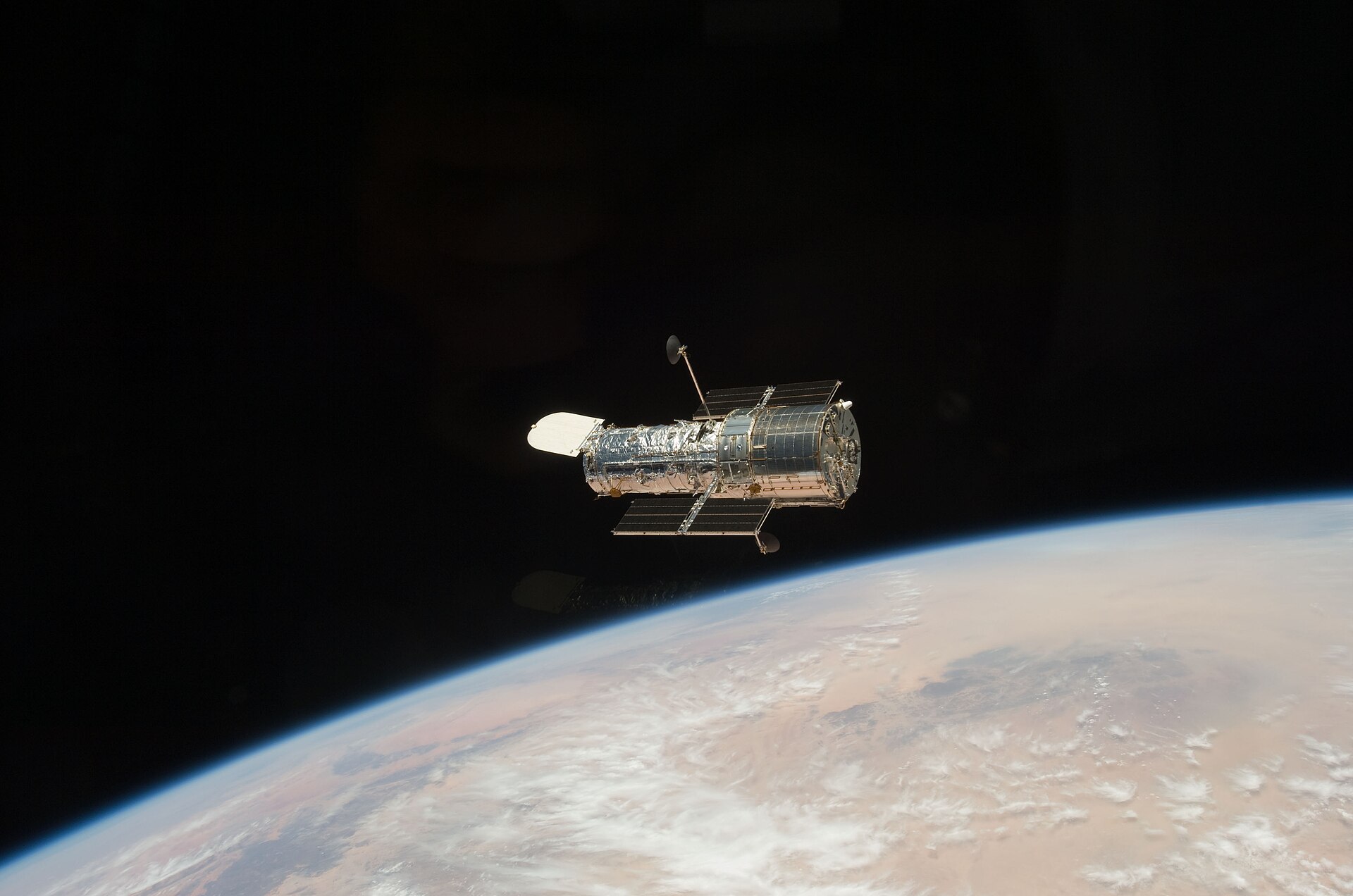
On April 25, 1990, the Space Shuttle Discovery's robotic arm lifted a 11,110-kilogram barrel of mirrors and instruments out of the payload bay and released it into orbit. Six weeks later, the first images came back badly out of focus. The Hubble Space Telescope had been ground to the wrong prescription, and America had just spent $2.5 billion on what the press was calling a 'technoturkey.'

NROL-179 Starshield Satellites Launch from Vandenberg | KeepTrack X Report

NROL-179 Starshield Satellites Launch from Vandenberg | KeepTrack X Report

SpaceX launched NROL-179 from Vandenberg at 1:50 a.m. PDT June 19, carrying Starshield spy satellites for the National Reconnaissance Office.

X Report 23 Nov 2025

X Report 23 Nov 2025

SpaceX continues its robust launch cadence with new Starlink deployments and faces challenges in Starship development following the recent damage to its prototype booster.

Voyager 1

Voyager 1

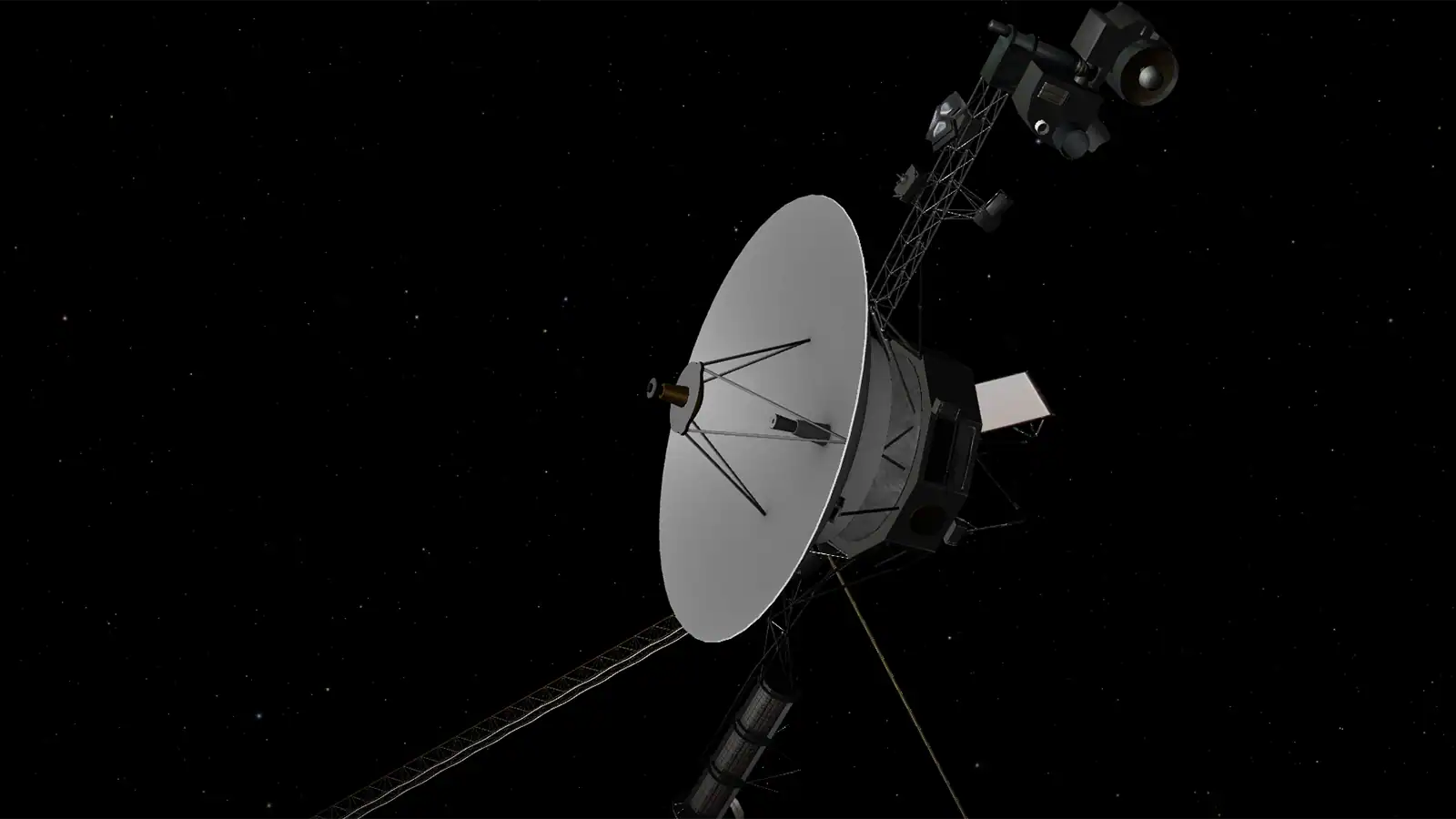
In November 2023, Earth's most distant spacecraft started speaking gibberish. Five months, one dead memory chip, and 30 billion miles of round-trip troubleshooting later, engineers got it talking again - using code written before most of them were born.

Space Brief 23 Feb 2025

Space Brief 23 Feb 2025

SpaceX launches Starlink satellites from both coasts, while first 3D atmospheric map of an exoplanet reveals extreme weather patterns, and Starlink missions push total count over 8,000 satellites.