


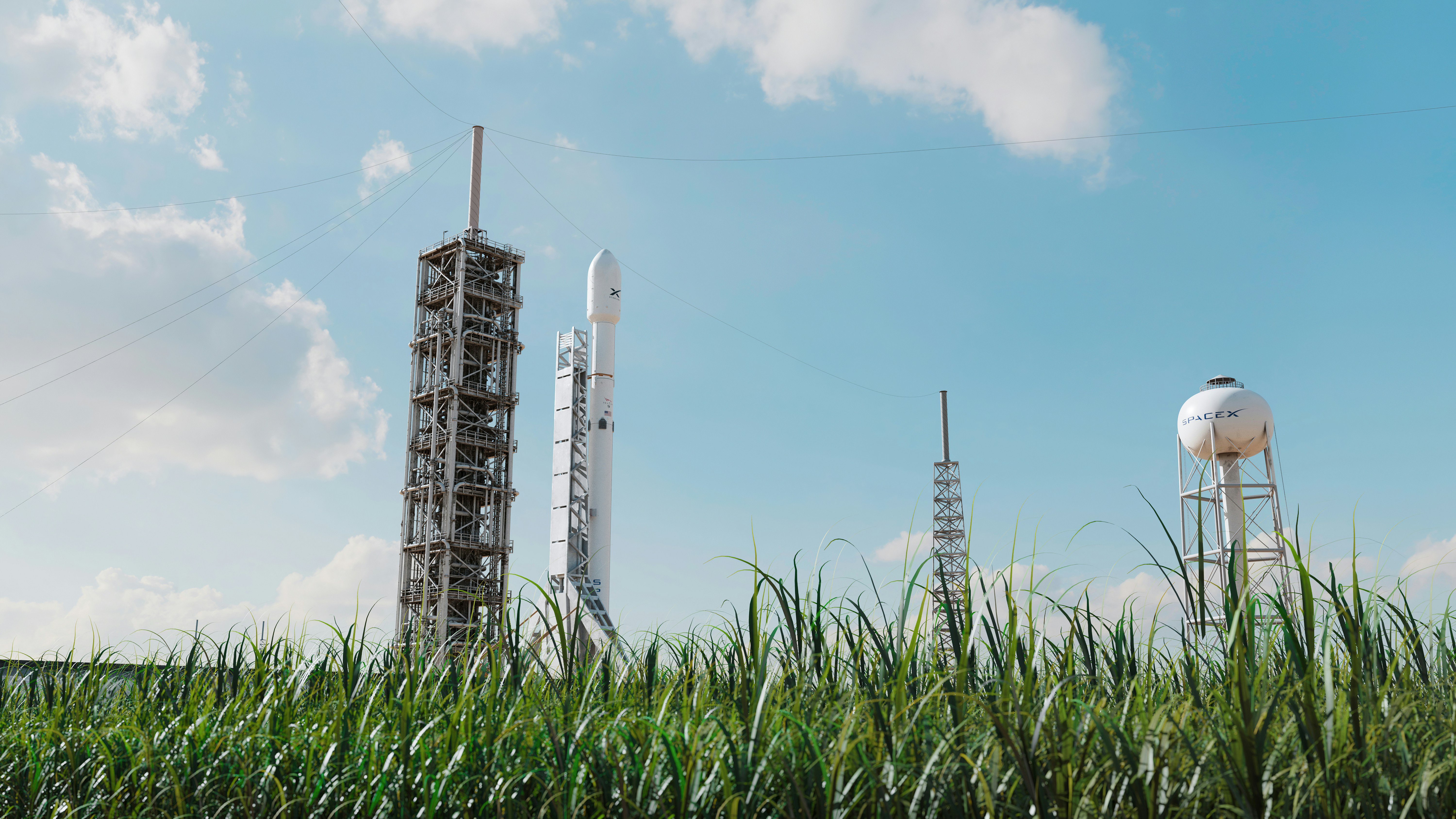
Starlink Mobile US Plan, Ship 40 Static Fire, X Report 27 Jun 2026
Starlink mobile service is planned for the US as SpaceX fires Ship 40's single Raptor in a prelaunch test, with 10,689 Starlink satellites working.


Launch Date
January 7, 2020
Launch Site
XICLF
Launch Pad
LC2
Launch Vehicle
Chang Zheng 3B
NORAD ID
44978
International Designator
2020-002A
Epoch
Thu, 02 Jul 2026 21:27:13 GMT
Apogee
Calculating...
Perigee
Calculating...
Inclination
0.03°
Right Ascension
57.57°
Eccentricity
Calculating...
Argument of Perigee
356.00°
Period
1436.11 min
Mean Motion
1.00 rev/day
Latitude
Calculating...
Longitude
Calculating...
Altitude
Calculating...
Velocity
Calculating...
Name
TJS-5
Alternative Name
Tongxin Jishu Shiyan 5
Type
Status
Owner
CASC
Country
China
Constellation
N/A
Related Satellites
Major Events
N/A
1 44978U 20002A 26183.89390116 -.00000331 00000-0 00000+0 0 9990
2 44978 0.0326 57.5658 0008051 355.9957 296.6619 1.00270809 23863
Source: Celestrak
Length
5
Diameter
2.5
Span
30
Dry Mass
2500
Launch Mass
4000
Shape
Box+ 2 panels
Radar Cross Section
Unknown
Visual Magnitude
Unknown
Color
Unknown
Material Composition
Unknown
Payload
Huoyan-2
Purpose
Early warning ?
Mission
Early warning ?
Manufacturer
SISE
Life Expectancy
Unknown
Bus
FY-4
Configuration
SAST-5000 ?
Motor
?
Equipment
Unknown
Power System
2 deployable solar arrays, batteries
ADCS
Unknown
Transmitter Frequency
Unknown
Learn more about satellites and other related topics.
Starlink mobile service is planned for the US as SpaceX fires Ship 40's single Raptor in a prelaunch test, with 10,689 Starlink satellites working.

This edition highlights SpaceX's ambitious plans for Starship in light of recent developments, a busy launch week featuring multiple missions, and the latest updates on Starlink's operational status.

Today's brief highlights a landmark cooperation between NASA and China to prevent satellite collision, strategic steps in American space leadership through nuclear energy, a U.S. military missile test, and more.

Today’s highlights include successful Falcon 9 launch for MECANO ID, ongoing Starship Block 3 development, and plans for direct-to-device testing next year.
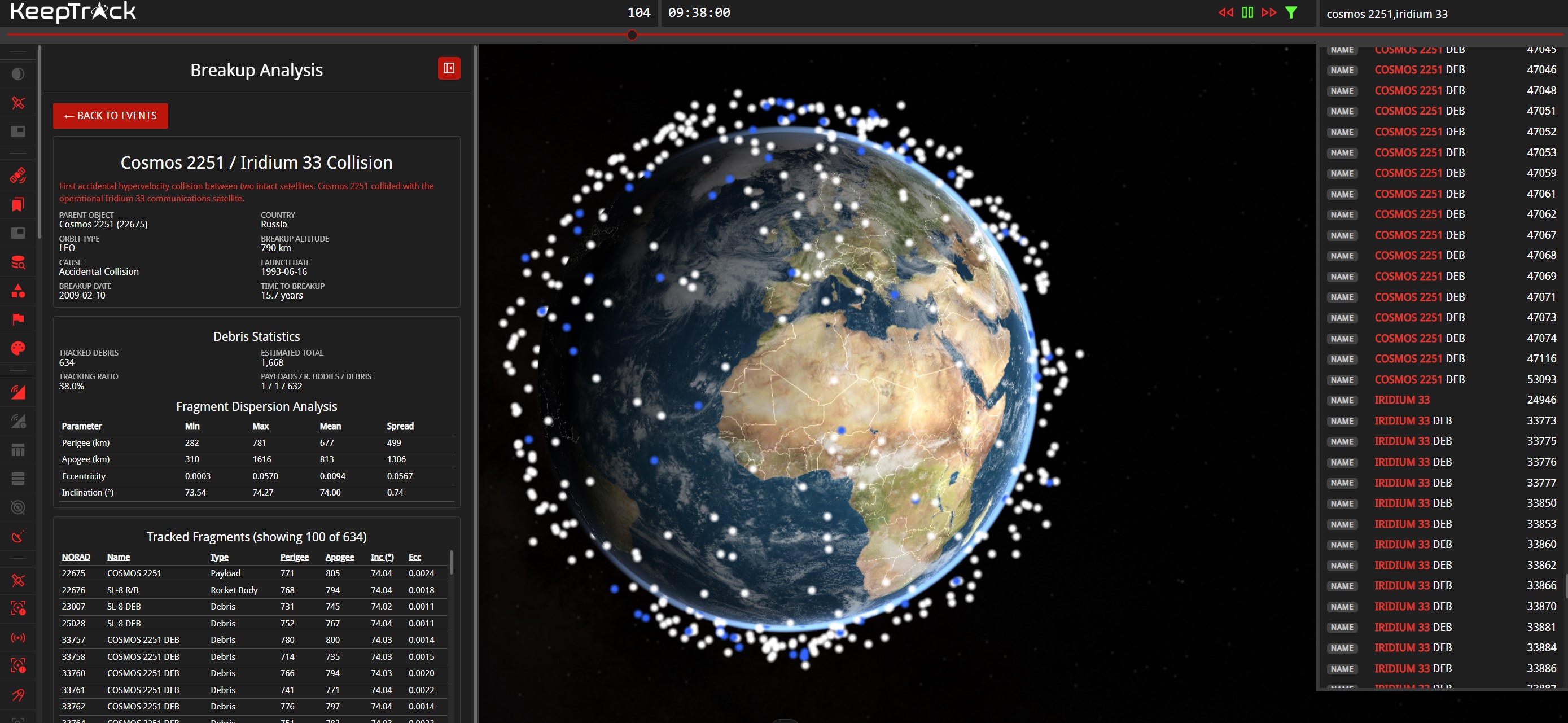
On February 10, 2009, an active Iridium communications satellite and a derelict Soviet military spacecraft slammed into each other 789 kilometers above Siberia. The collision produced more than 2,300 pieces of trackable debris that are still up there. Seventeen years later, the Iridium-Cosmos collision remains the event that made space debris a policy problem the world could no longer ignore.

Today's highlights include Europe's record space budget for independence, Transporter-15's successful launch of 140 payloads, and the damage to the Baikonur pad affecting upcoming ISS missions.

Today's highlights include significant data release from NASA's Atmospheric Waves Experiment, SpaceX's dual launches of Crew-10 and Starlink satellites, and intriguing findings from the arctic ice studies.

Over 27,000 high-speed pieces of space junk now threaten vital satellites, requiring sophisticated tracking and urgent innovation of orbital debris removal methods like harpoons and nets.