


Space Brief 31 Jul 2025
Today's Space Brief brings updates on the U.S. Space Force's upcoming missions, in-space technology strategies, the challenges faced by new launchers, and advancements in satellite communication.


NORAD ID
43572
International Designator
2018-061D
Epoch
Sat, 04 Jul 2026 00:47:42 GMT
Apogee
Calculating...
Perigee
Calculating...
Inclination
86.39°
Right Ascension
49.76°
Eccentricity
Calculating...
Argument of Perigee
90.11°
Period
100.40 min
Mean Motion
14.34 rev/day
Latitude
Calculating...
Longitude
Calculating...
Altitude
Calculating...
Velocity
Calculating...
Name
IRIDIUM 165
Alternative Name
Iridium Next SV165
Type
Status
Owner
IRIDS
Country
United States
Constellation
N/A
Related Satellites
Major Events
N/A
1 43572U 18061D 26185.03312991 .00000067 00000-0 16841-4 0 9994
2 43572 86.3948 49.7592 0002172 90.1113 270.0332 14.34218061415809
Source: Celestrak
Length
3.1
Diameter
1.5
Span
9.4
Dry Mass
700
Launch Mass
860
Shape
Half Hex Prism+2 pan
Radar Cross Section
Unknown
Visual Magnitude
Unknown
Color
Unknown
Material Composition
Unknown
Payload
Iridium Next SV165
Purpose
Communication, traffic monitoring
Mission
Communication, traffic monitoring
Manufacturer
NGISGA
Life Expectancy
10 years (design), 15 years (planned)
Bus
EliteBus
Configuration
ELiTeBus-1000
Motor
?
Equipment
L-band payload, Ka-band cross-links, Ka-band downlinks, ADS-B payload, AIS-receiver (on 58 satellites)
Power System
2 deployable solar arrays, batteries
ADCS
Unknown
Transmitter Frequency
Unknown
Learn more about satellites and other related topics.
Today's Space Brief brings updates on the U.S. Space Force's upcoming missions, in-space technology strategies, the challenges faced by new launchers, and advancements in satellite communication.
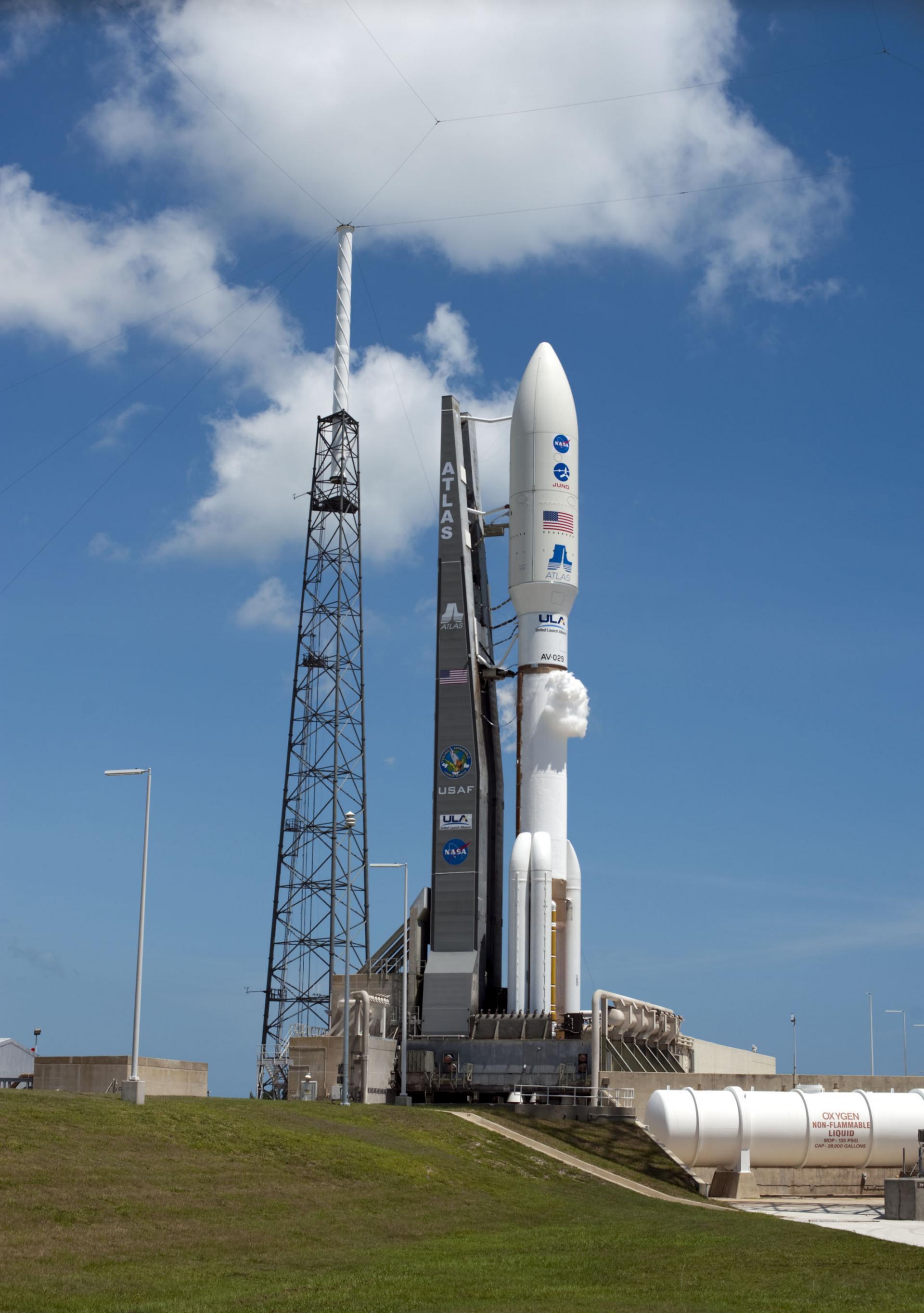
Highlights include China's recent satellite launch, advancements in nuclear propulsion, non-kinetic tech developments for maritime defense, SpaceX's direct-to-device spectrum tests, and maneuvering satellites for Space Force missions.
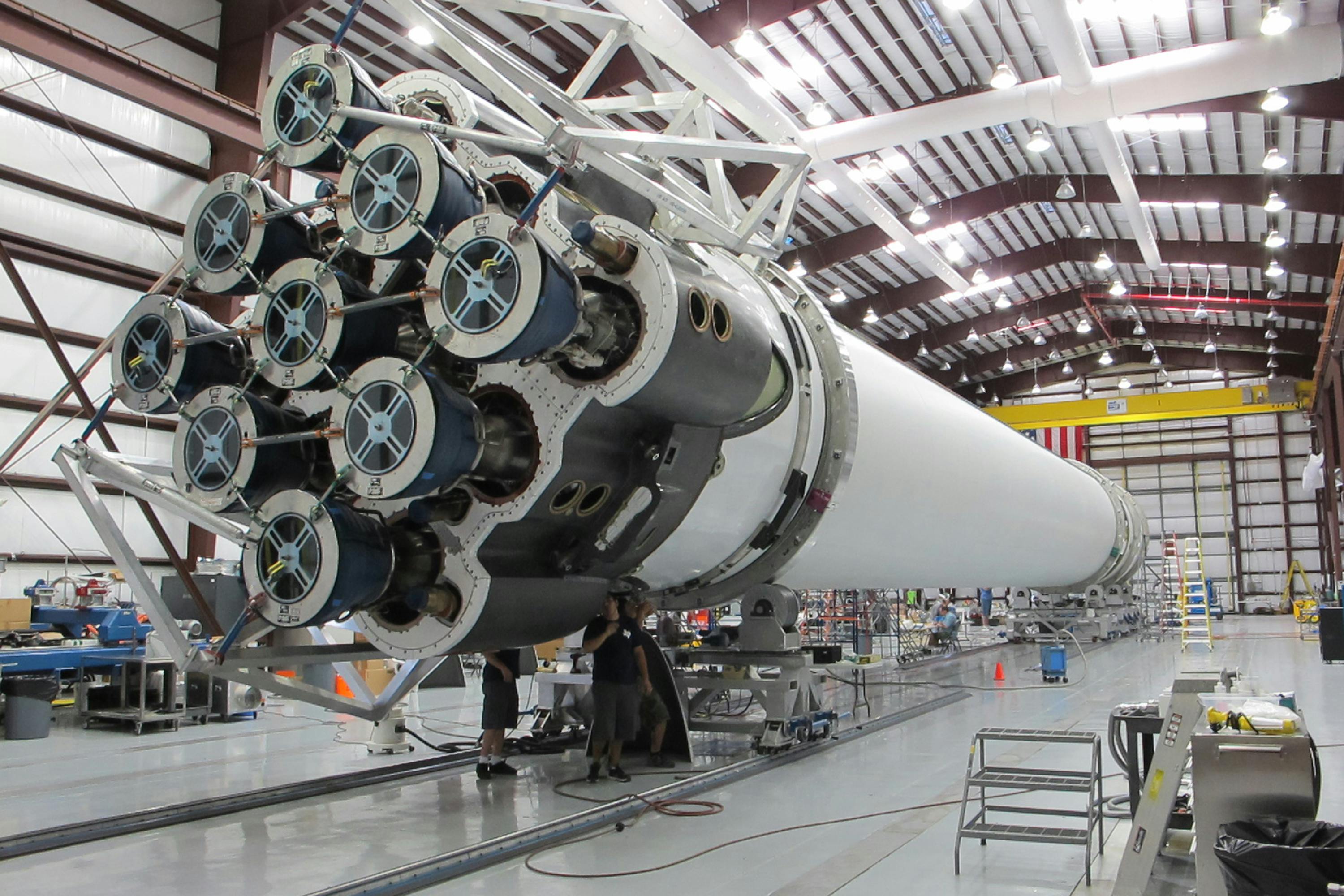
Booster B1067 hit 36 flights on July 9, while SpaceX files to expand Starlink to 100,000 satellites at 4,400 lbs each.

The Kessler Syndrome threatens humanity's future in space as cascading satellite collisions create exponential debris growth. With 36,000+ tracked objects and recent incidents accelerating risks, we face a critical juncture: implement solutions now or potentially lose access to low Earth orbit forever.
Today's brief covers Blue Origin's launch delay, SpaceX's upcoming Starlink mission, and highlights the YAOGAN-43 O1C satellite.
Today's highlights include strategic shifts in the defense sector, innovations in solar technology for space, and developments in satellite-related military projects.

Today's highlights include key advancements for the Dream Chaser, SpaceX's record launches, Moon mission crowding concerns, and updates in European space policy.
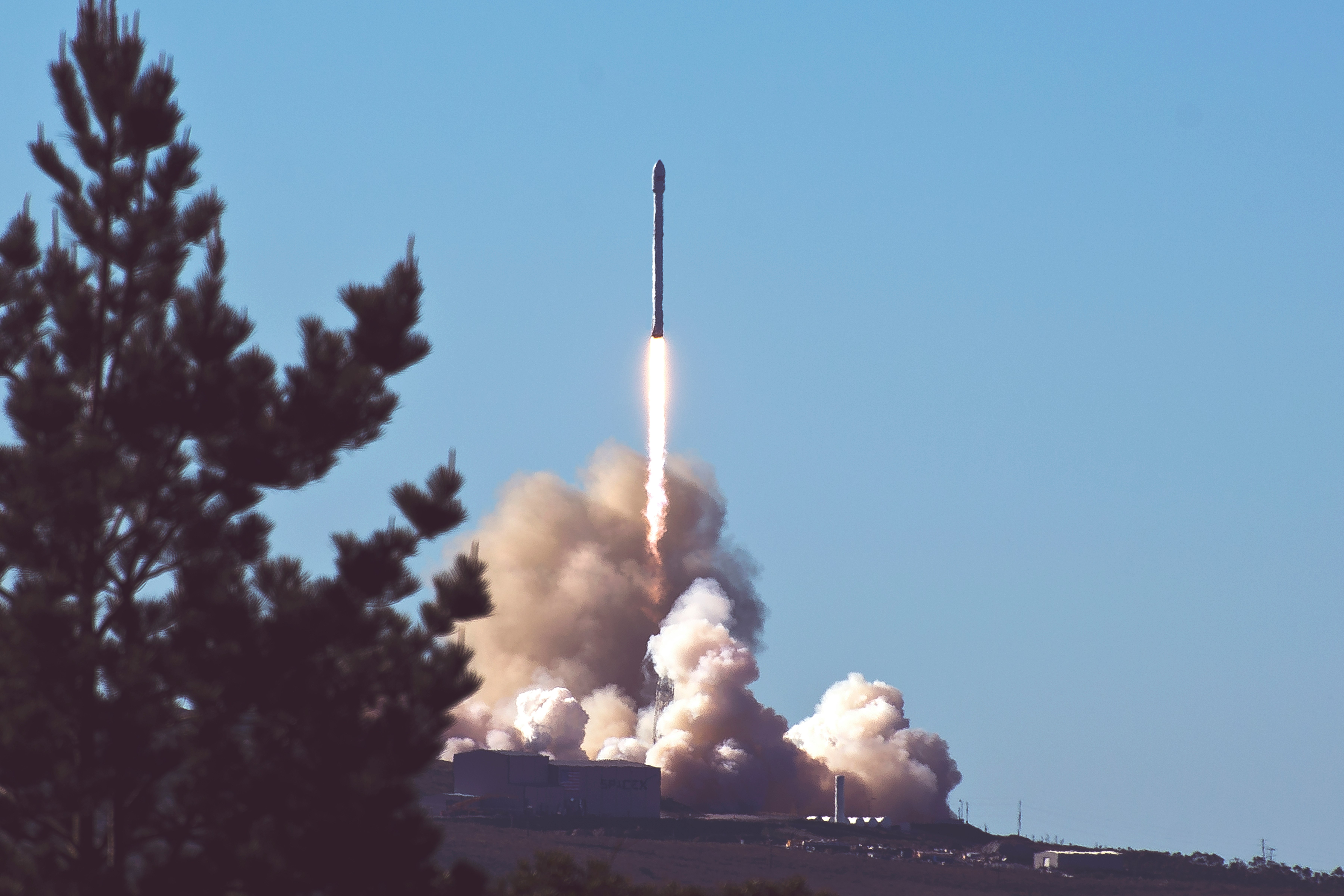
SpaceX launches two Falcon 9 rockets in one day carrying Starlink satellites from both coasts. Most-flown booster achieves record 33rd flight. 28 V2 Mini Optimized sats deployed.