


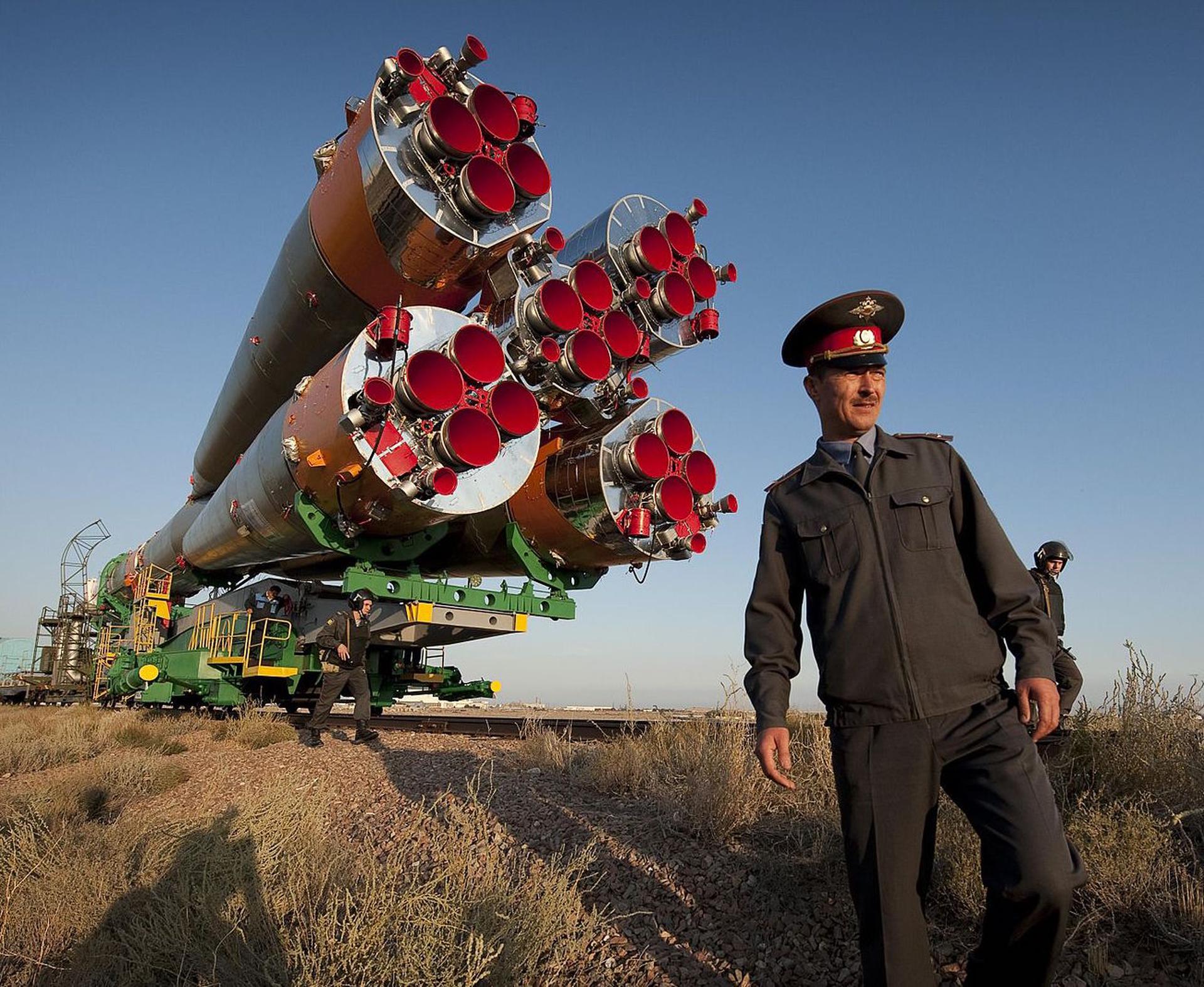
Space Brief 29 Aug 2025
Today's Space Brief highlights emerging technologies in space, a contract for U.S. Space Force missions, developments in military operations, and updates on drone advancements.


Launch Date
April 18, 2018
Launch Site
Launch Pad
LC40
Launch Vehicle
NORAD ID
43435
International Designator
2018-038A
Epoch
Tue, 17 Feb 2026 02:07:24 GMT
Apogee
Calculating...
Perigee
Calculating...
Inclination
56.78°
Right Ascension
39.94°
Eccentricity
Calculating...
Argument of Perigee
74.83°
Period
19685.74 min
Mean Motion
0.07 rev/day
Latitude
Calculating...
Longitude
Calculating...
Altitude
Calculating...
Velocity
Calculating...
Name
TESS
Alternative Name
TESS
Type
Status
Owner
GSFC
Country
United States
Constellation
N/A
Related Satellites
Major Events
N/A
1 43435U 18038A 26047.08847789 -.00000920 00000-0 00000-0 0 9991
2 43435 56.7768 39.9399 4576478 74.8293 9.7062 0.07314938 1769
Source: Celestrak
Length
1.5
Diameter
1.2
Span
3.7
Dry Mass
317
Launch Mass
362
Shape
Flared cyl+2 pan
Radar Cross Section
Unknown
Visual Magnitude
Unknown
Color
Unknown
Material Composition
Unknown
Payload
TESS
Purpose
Astronomy, visible
Mission
Astronomy, visible
Manufacturer
OATKD
Life Expectancy
2 years
Bus
Leostar-2
Configuration
LEOStar-2
Motor
22N AOCS
Equipment
4 x wide field-of-view CCD cameras
Power System
2 deployable solar arrays, batteries
ADCS
Unknown
Transmitter Frequency
Unknown
Learn more about satellites and other related topics.
Today's Space Brief highlights emerging technologies in space, a contract for U.S. Space Force missions, developments in military operations, and updates on drone advancements.

SpaceX gains regulatory approval for a new Starship test flight, further expands its role in U.S. defense, and successfully launches 26 additional Starlink satellites. United Airlines also rolls out Starlink Wi-Fi on its flights.

SpaceX confidentially files for a record-breaking IPO targeting a $1.75T valuation and $80B raise, while a Starlink satellite breaks apart in orbit.

Record-breaking Chinese launches, SDA funding issues, and a new Starlink milestone highlight today's space news.

Today's brief covers a new Space Force contract for advanced tracking systems, innovative debris removal strategies, pivotal new satellite launches, and significant updates in air quality tracking from orbit.
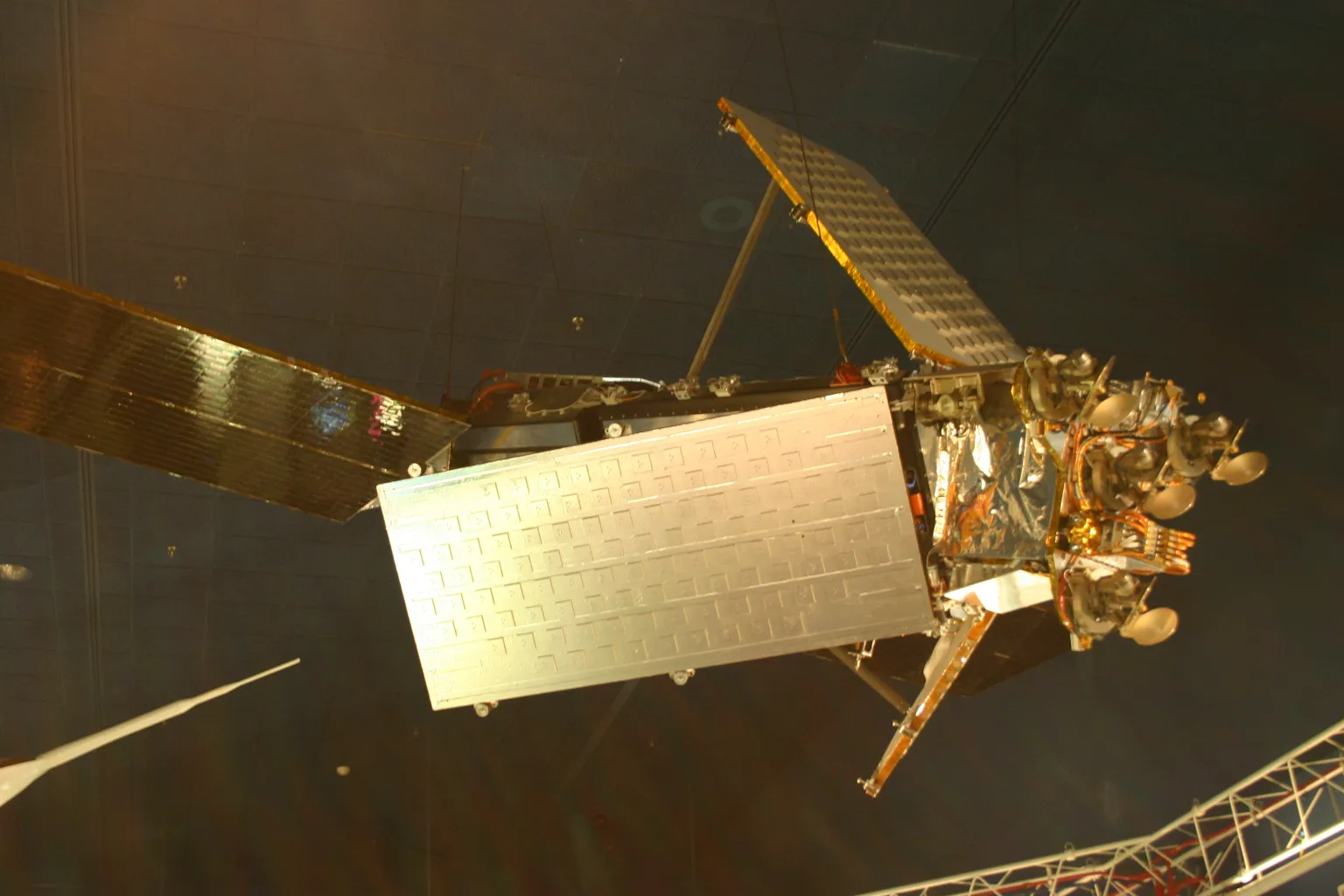
Seventeen years ago today, an operational American communications satellite and a dead Russian military relay crossed paths over Siberia. What happened next created more than 2,000 pieces of trackable debris - and fundamentally changed how the world thinks about space traffic.
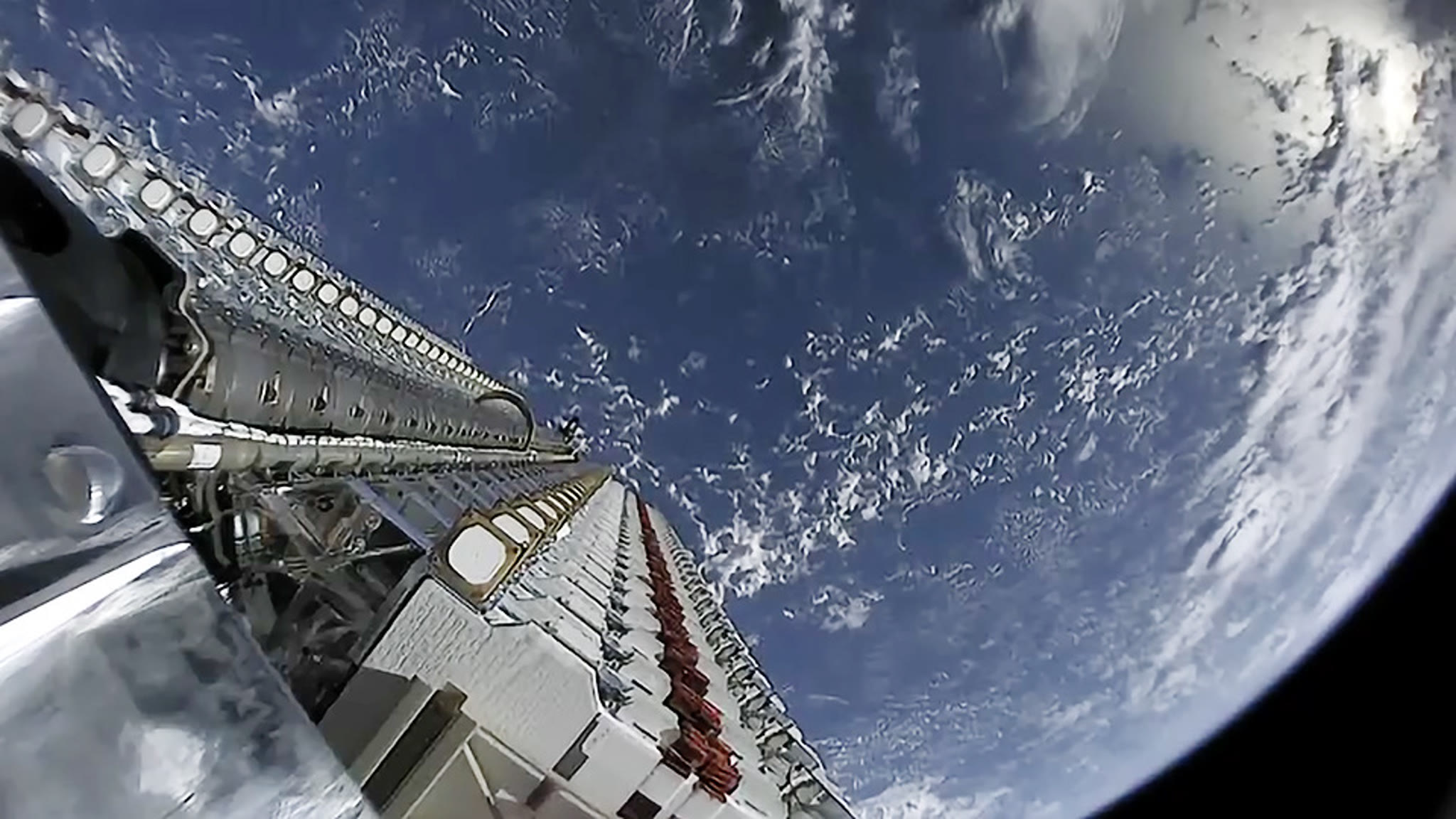
Starlink satellites fired their thrusters to dodge a collision roughly 300,000 times in 2025, about 822 times a day. Behind that number is a fragile, half-automated system of warnings, probabilities, and judgment calls that decides which close approaches are worth a maneuver and which are just noise.
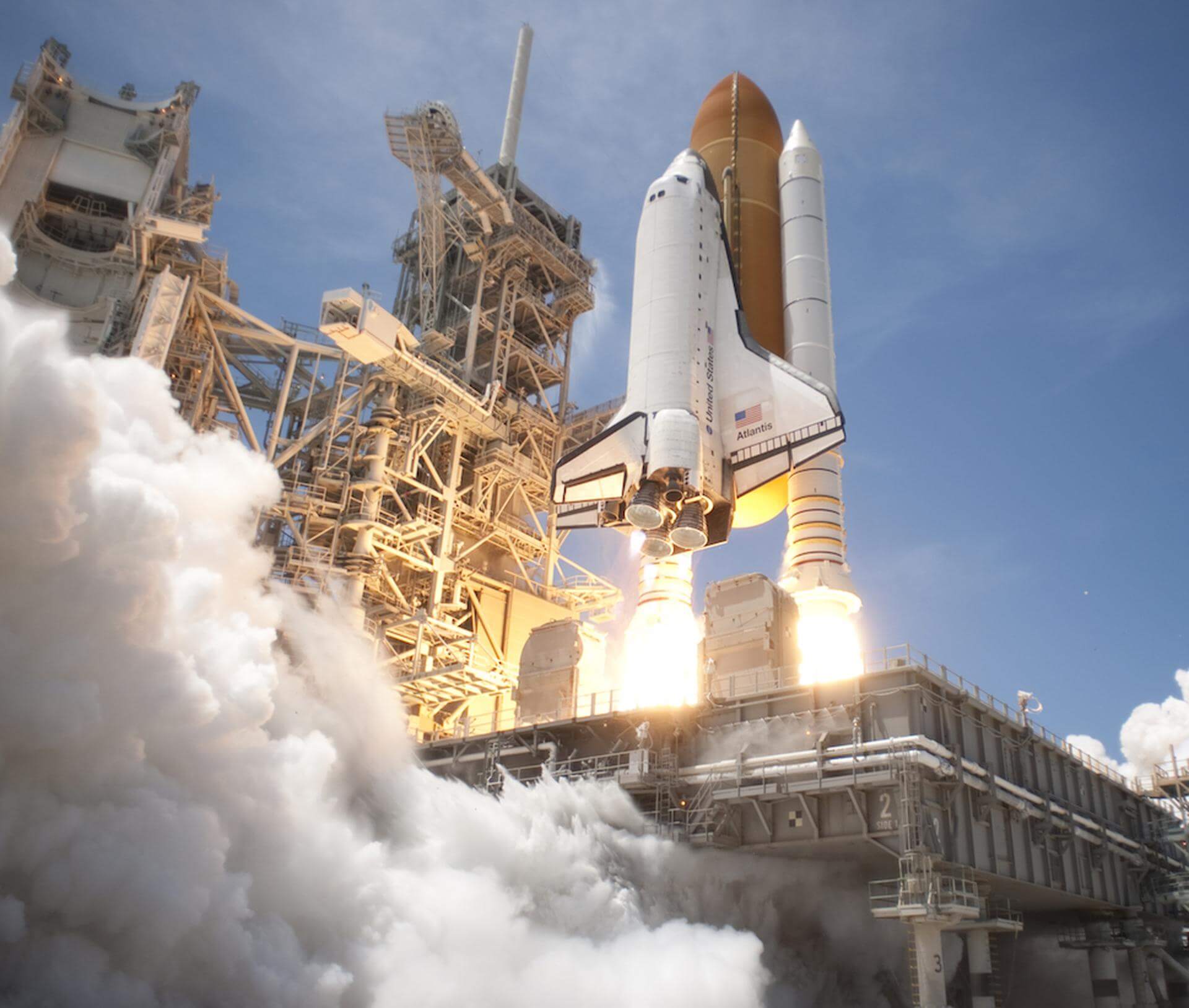
Brig. Gen. Gursharan Sandhoo double-hatted as SDA director and Space Force missile warning PAE head as Pentagon consolidates LEO satellite programs under new acquisition structure.