

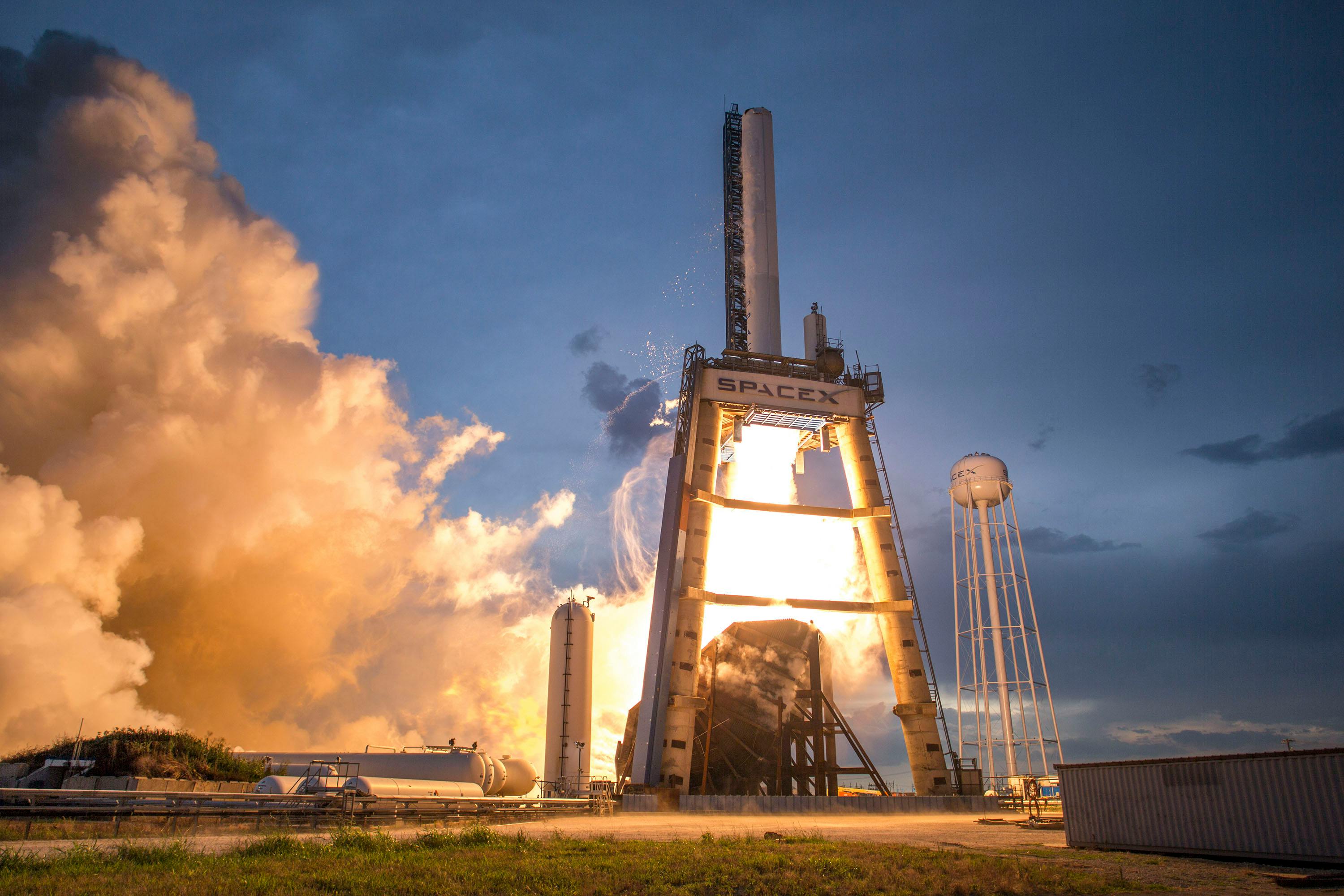
$4.16B Golden Dome Contract Awarded to SpaceX | KeepTrack X Report
SpaceX wins a $4.16B Pentagon contract for missile-tracking satellites, while hitting its 50th Starlink launch of 2026 in a landmark May.


Launch Date
January 12, 2018
Launch Site
SRILR
Launch Pad
FLP
Launch Vehicle
PSLV-XL
NORAD ID
43116
International Designator
2018-004F
Decay Date
11/14/2023
Name
INS-1C
Alternative Name
INS-1C
Type
Status
Owner
ISRO
Country
India
Constellation
N/A
Related Satellites
Major Events
N/A
Apologies, there is no summary for this satellite yet. I am working to generate these for every object in the catalog, but it is going to take time.
Length
0.245
Diameter
0.217
Span
0.7
Dry Mass
11
Launch Mass
11
Shape
Box+ 2 pan
Radar Cross Section
Unknown
Visual Magnitude
Unknown
Color
Unknown
Material Composition
Unknown
Payload
INS-1C
Purpose
Technology
Mission
Technology
Manufacturer
ISRO
Life Expectancy
6 months
Bus
ISAC
Configuration
INS-1 bus
Motor
Unknown
Equipment
MMX-TD
Power System
Solar cells, batteries
ADCS
Unknown
Transmitter Frequency
Unknown
Learn more about satellites and other related topics.
SpaceX wins a $4.16B Pentagon contract for missile-tracking satellites, while hitting its 50th Starlink launch of 2026 in a landmark May.

Exploring new defense agreements with Eutelsat, advances in U.S. Space Force projects, and updates on NATO's strategic discussions.
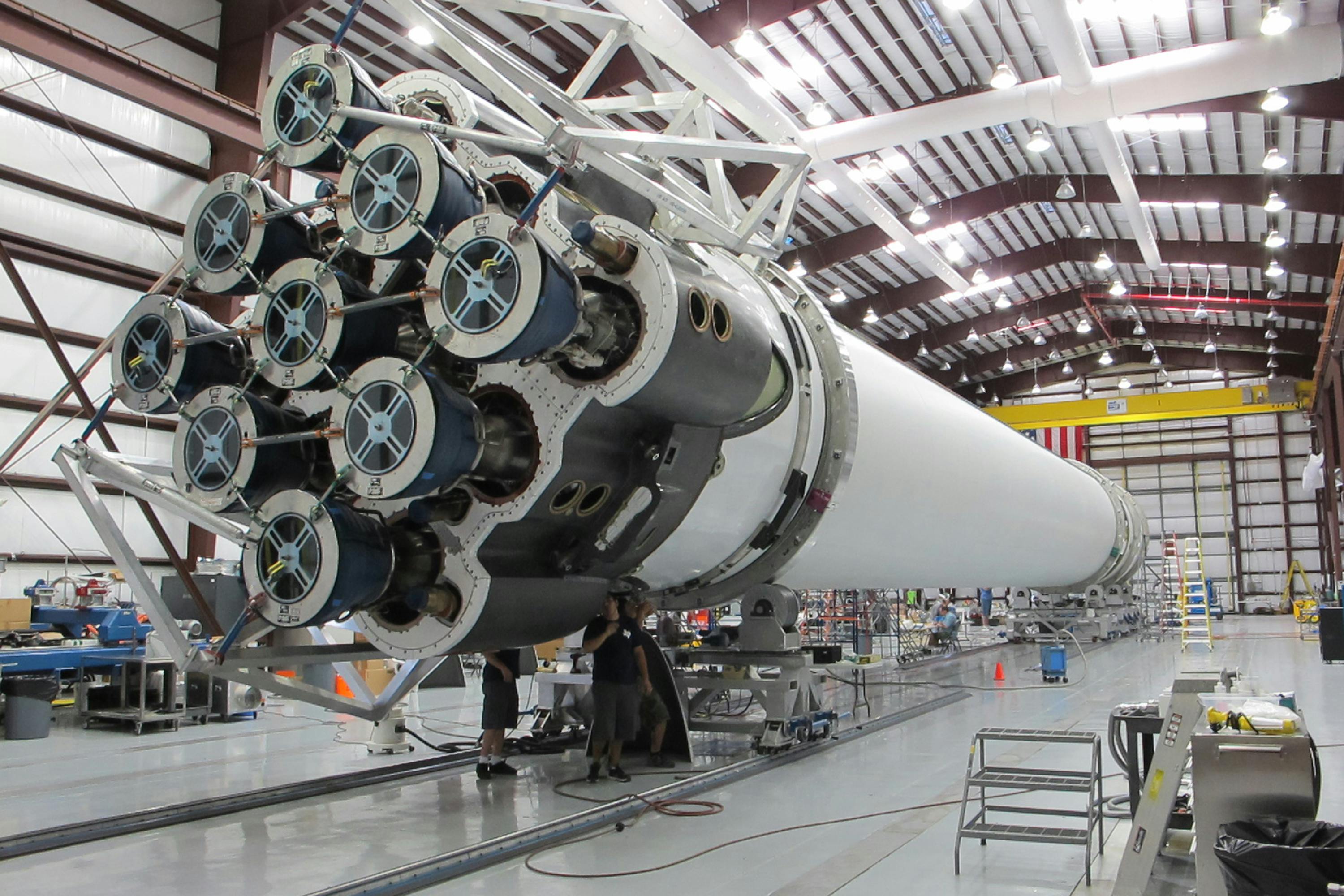
Booster B1067 hit 36 flights on July 9, while SpaceX files to expand Starlink to 100,000 satellites at 4,400 lbs each.
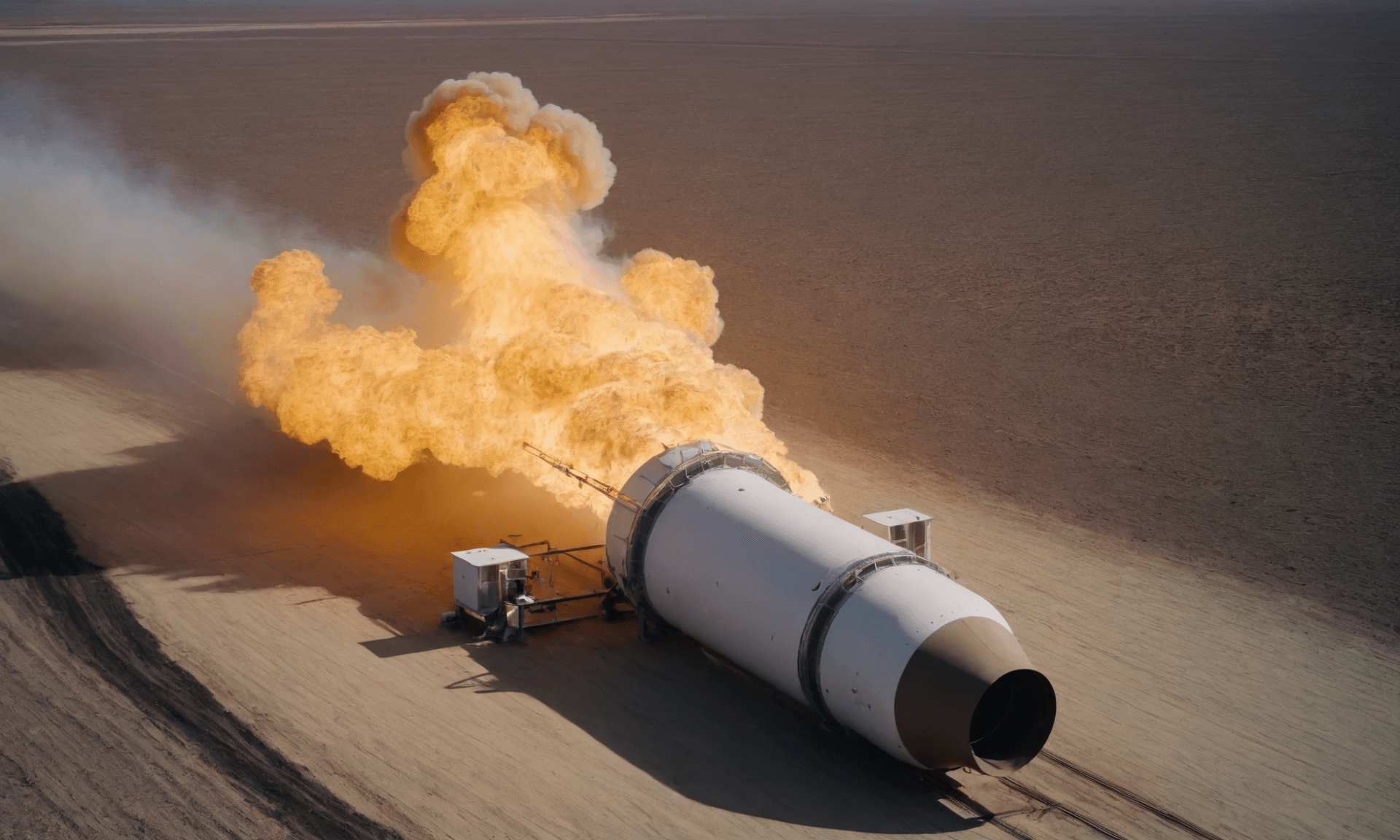
Today's Space Brief covers NASA's decision on Starliner, SpaceX's preparations for the Polaris Dawn mission, and updates on various space activities. Also featured is an in-depth look at the Hubble Space Telescope.

SpaceX successfully launched the Sentinel-6B satellite, marking a significant milestone as its 500th mission with a reused rocket, furthering global sea level monitoring efforts.
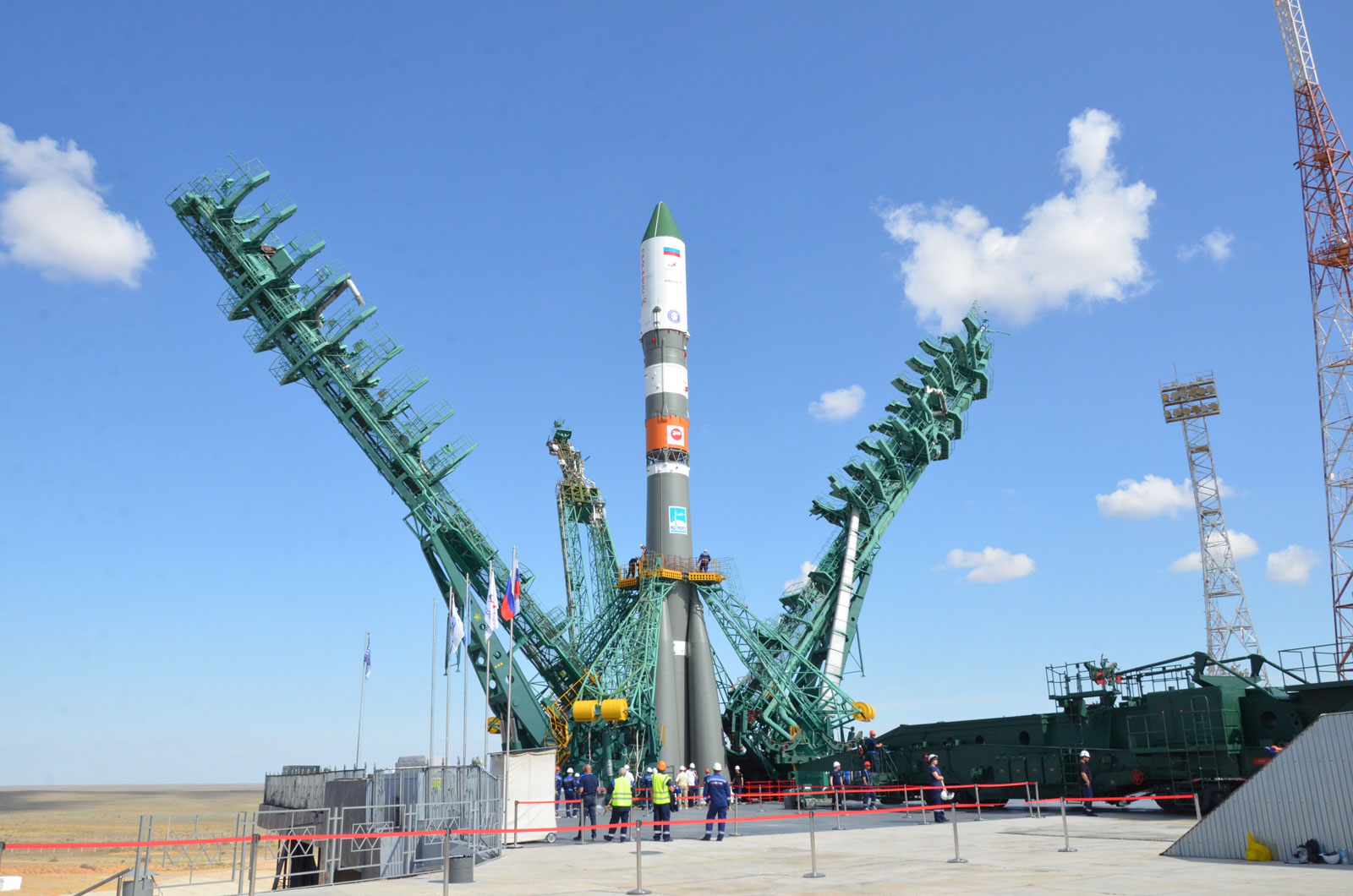
Today's brief covers SpaceX's continued Starlink expansions, Japan's successful Michibiki satellite launch, and challenges faced by India's navigation satellite. Stay updated on crucial satellite events and launches.
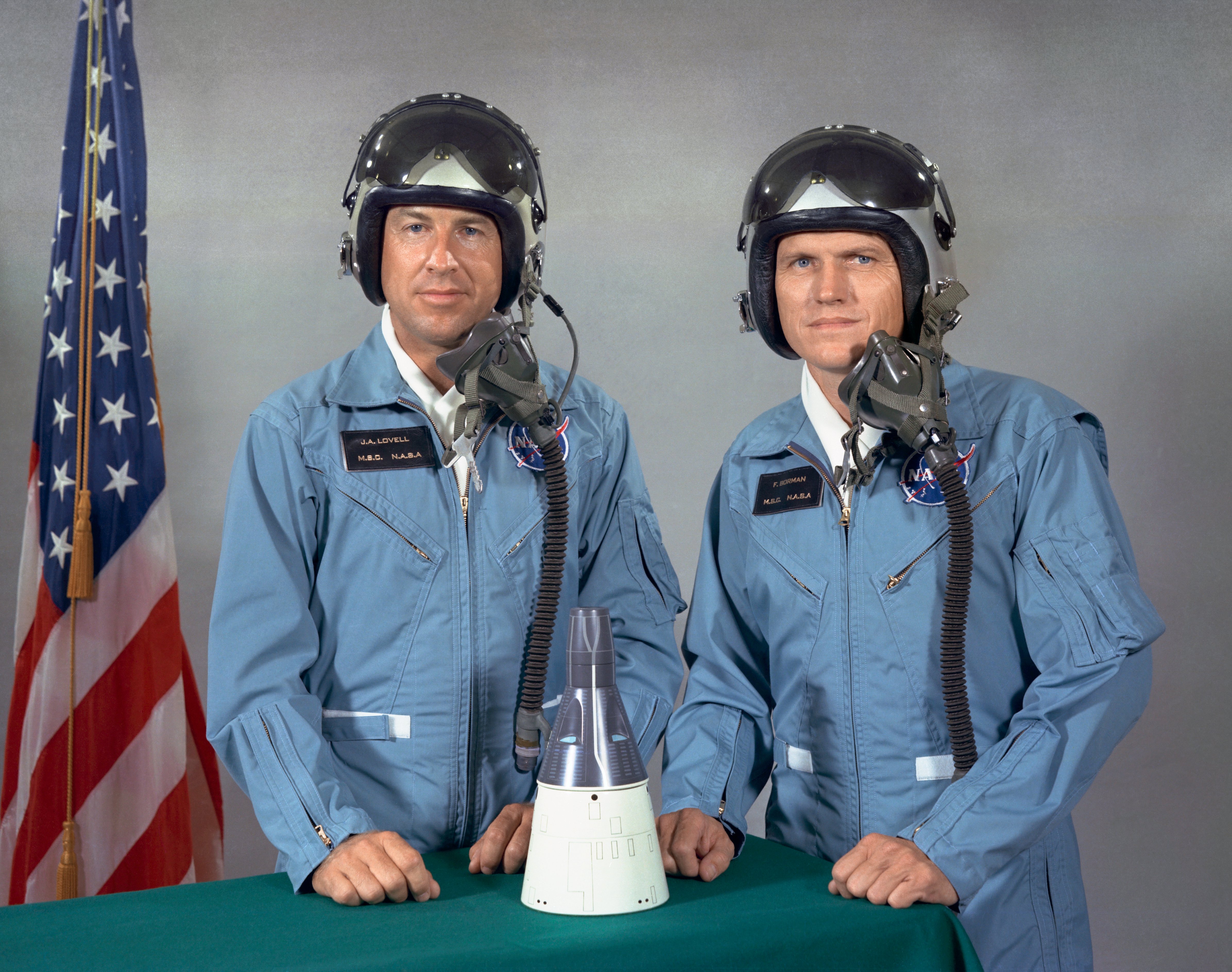
Sixty years ago, Frank Borman and James Lovell launched aboard Gemini 7 for a grueling 14-day mission that would prove humans could endure the journey to the moon and achieve the first true rendezvous in space
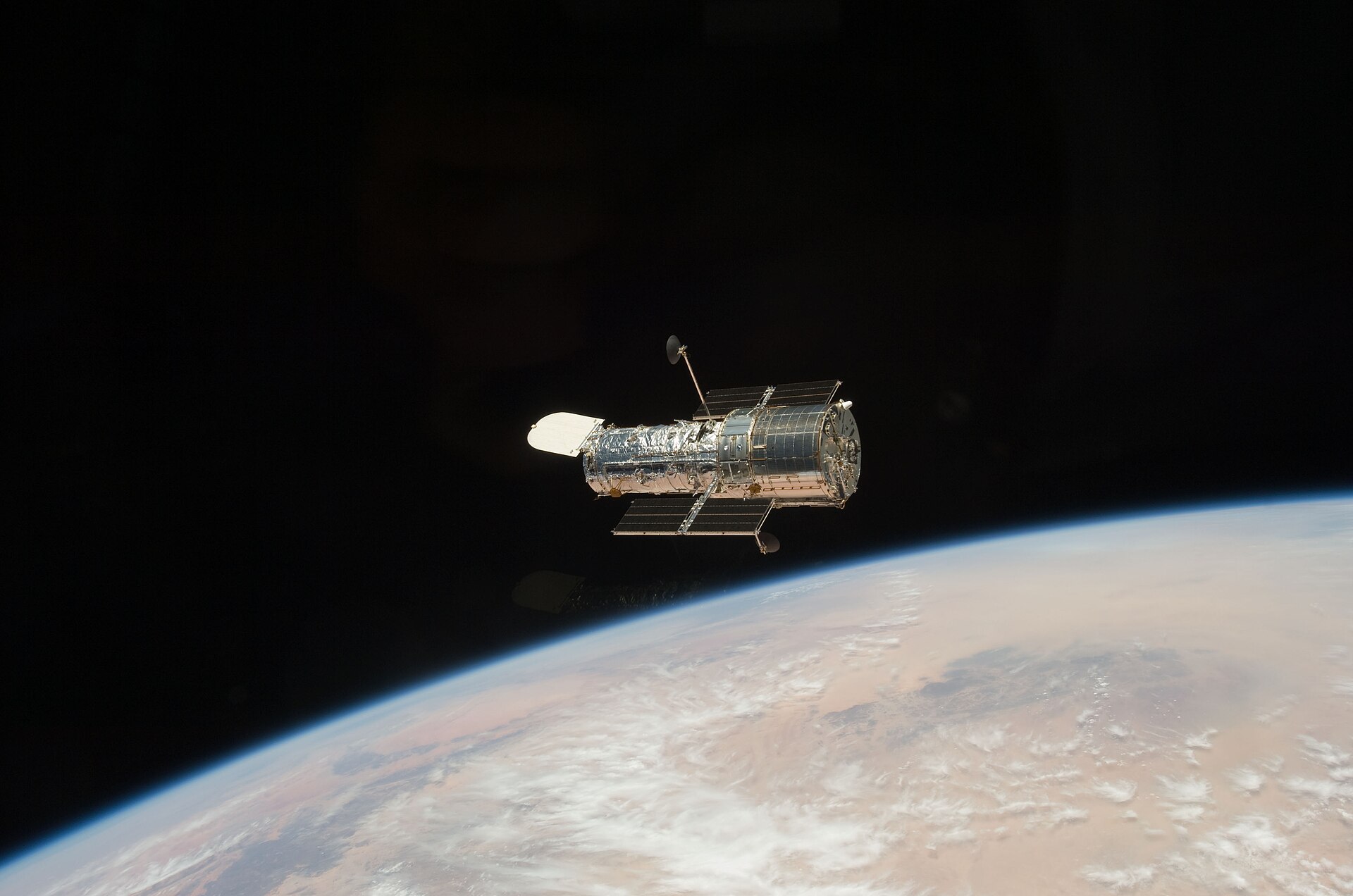
On April 25, 1990, the Space Shuttle Discovery's robotic arm lifted a 11,110-kilogram barrel of mirrors and instruments out of the payload bay and released it into orbit. Six weeks later, the first images came back badly out of focus. The Hubble Space Telescope had been ground to the wrong prescription, and America had just spent $2.5 billion on what the press was calling a 'technoturkey.'