


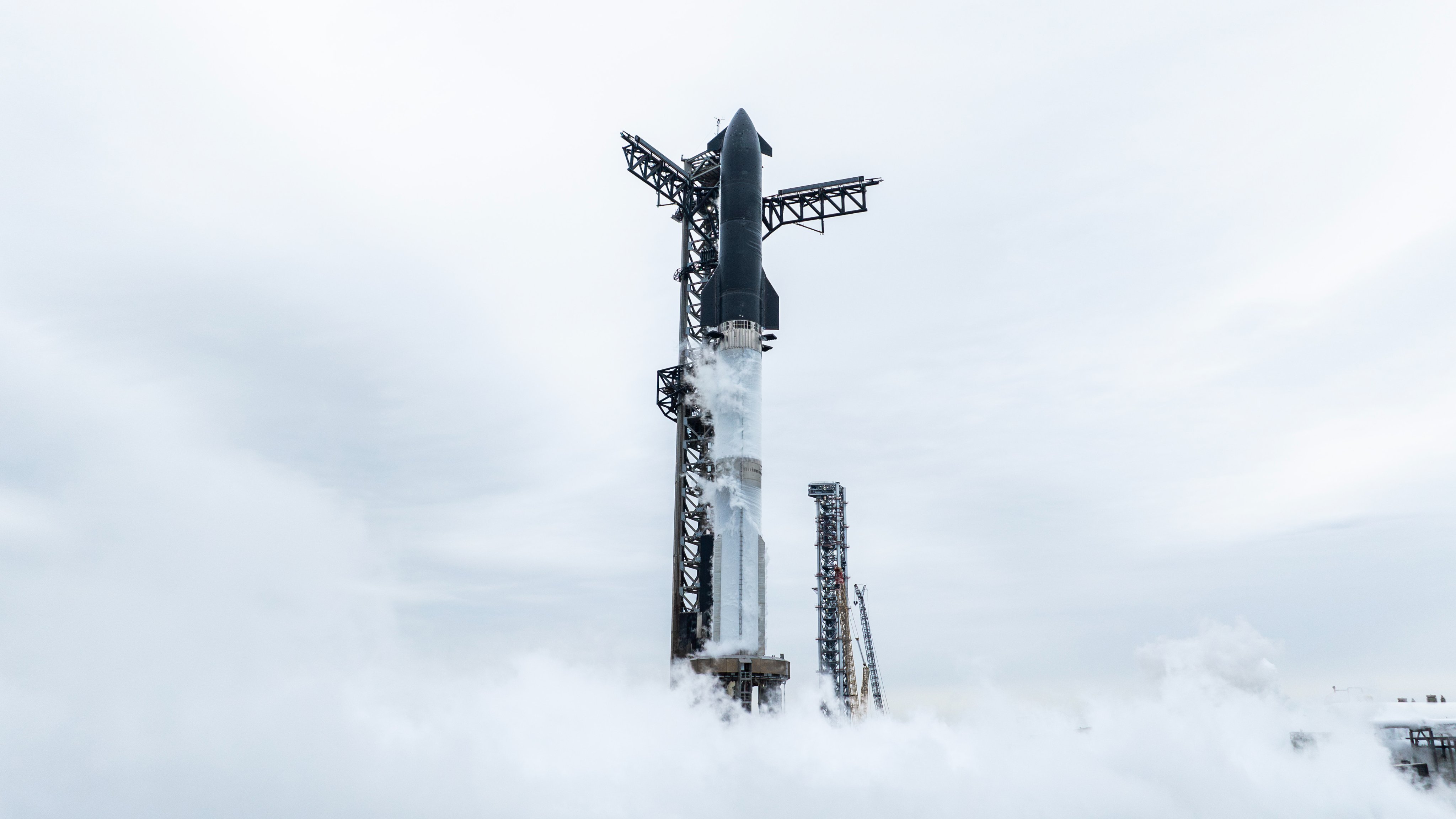
Dragon Delivers 6,500 lbs to ISS; Zenk Space Eyes June Orbital Debut | KeepTrack Space Brief
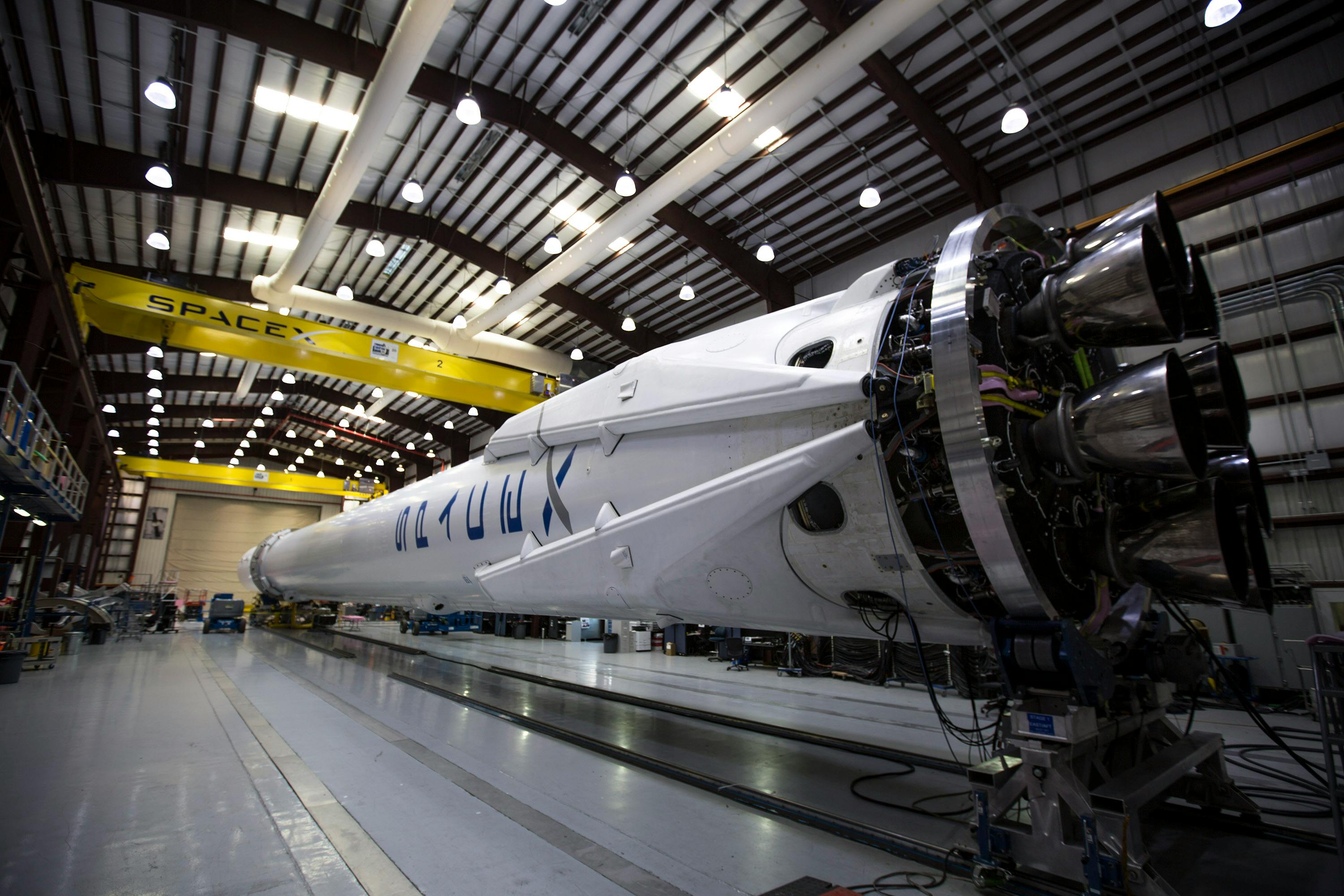
SpaceX Dragon berthed ISS with 6,500 pounds of cargo May 17. China's Zenk Space raised $26M, targeting June for Zhihang-1 rocket's orbital debut.


Launch Date
October 9, 2017
Launch Site
TANSC
Launch Pad
Y
Launch Vehicle
H-IIA 202
NORAD ID
42965
International Designator
2017-062A
Epoch
Fri, 03 Jul 2026 18:03:32 GMT
Apogee
Calculating...
Perigee
Calculating...
Inclination
40.10°
Right Ascension
343.28°
Eccentricity
Calculating...
Argument of Perigee
268.34°
Period
1435.77 min
Mean Motion
1.00 rev/day
Latitude
Calculating...
Longitude
Calculating...
Altitude
Calculating...
Velocity
Calculating...
Name
QZS-4 (MICHIBIKI-4)
Alternative Name
Michibiki-4
Type
Status
Owner
NUSS/JAXA
Country
Japan
Constellation
N/A
Related Satellites
Major Events
N/A
1 42965U 17062A 26184.75246353 -.00000312 00000-0 00000-0 0 9995
2 42965 40.1000 343.2760 0746909 268.3365 79.4461 1.00294465 31967
Source: Celestrak
Length
6.2
Diameter
2.9
Span
25.3
Dry Mass
1802
Launch Mass
4020
Shape
Box + 2 Pan
Radar Cross Section
Unknown
Visual Magnitude
Unknown
Color
Unknown
Material Composition
Unknown
Payload
QZS-4
Purpose
Navigation
Mission
Navigation
Manufacturer
MELCO
Life Expectancy
15 years
Bus
QZSS
Configuration
DS-2000
Motor
LAPS-500
Equipment
transponders
Power System
2 deployable solar arrays, batteries
ADCS
Unknown
Transmitter Frequency
Unknown
Learn more about satellites and other related topics.
SpaceX Dragon berthed ISS with 6,500 pounds of cargo May 17. China's Zenk Space raised $26M, targeting June for Zhihang-1 rocket's orbital debut.
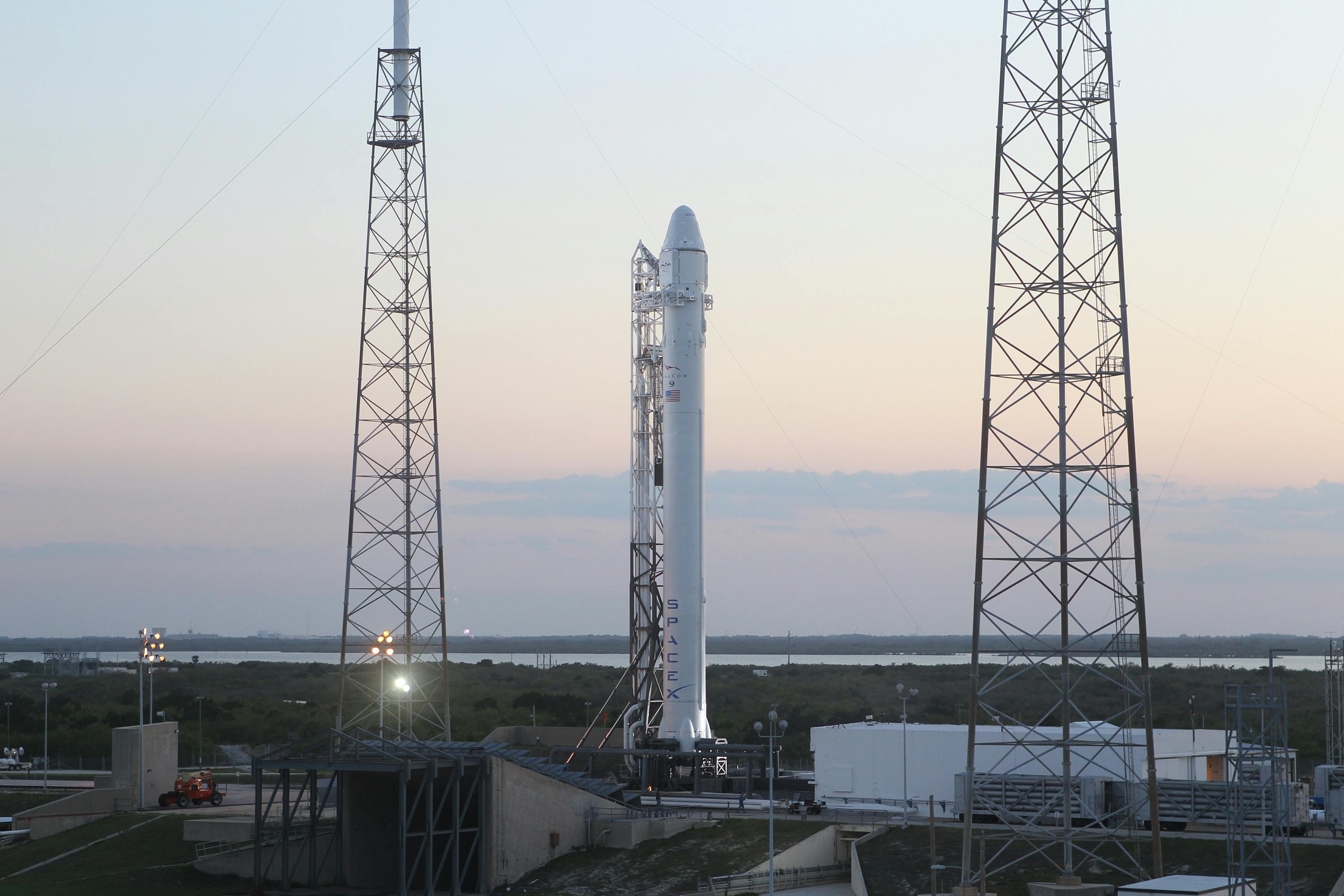
NASA's Inspector General warns of crew survival analysis gaps in Starship lunar lander program as Falcon 9 prepares to lead 8 global launches this week.
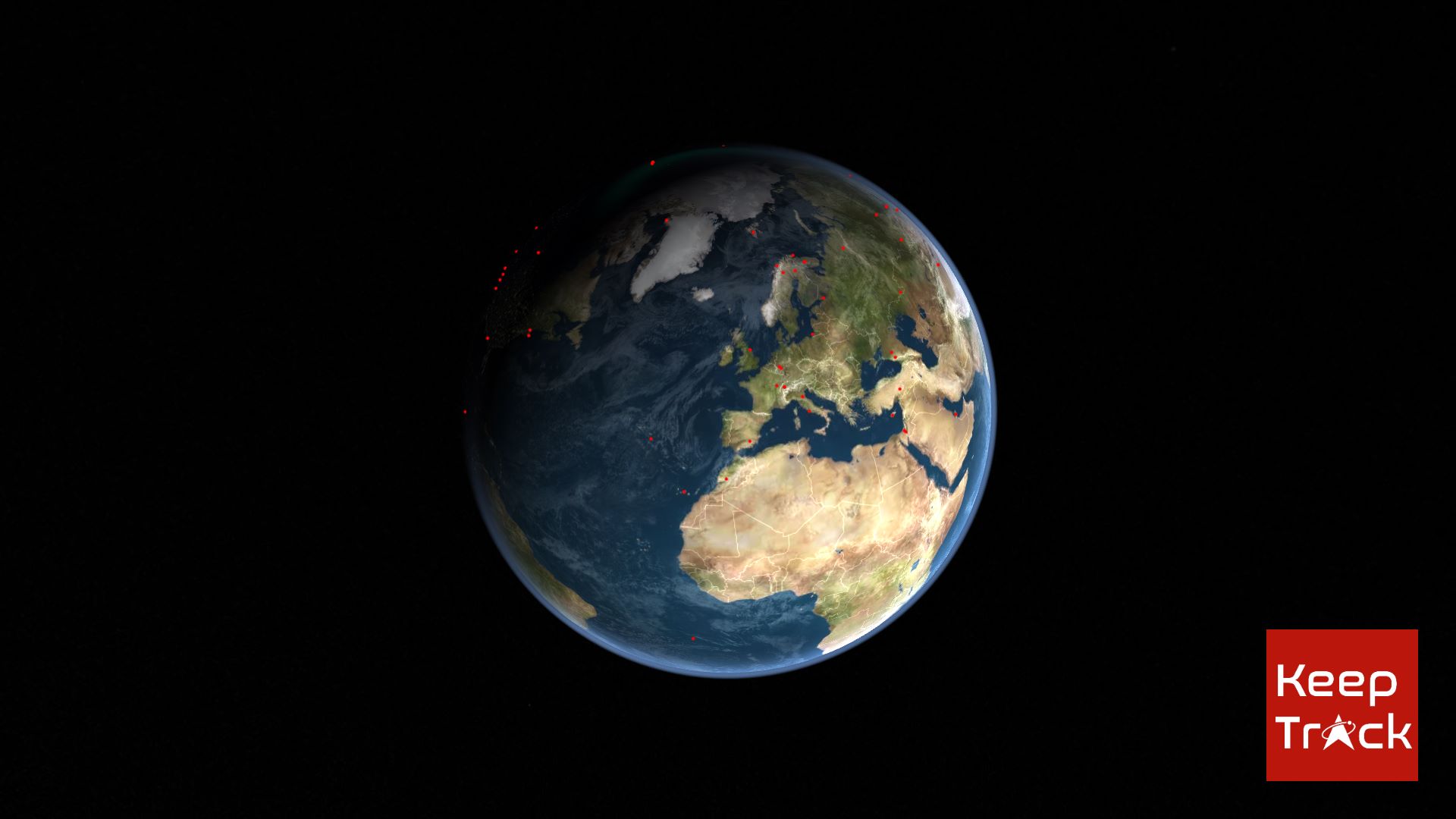
How our ability to track and predict objects in orbit has become the foundation of space safety in an increasingly crowded cosmic neighborhood

Rocket Lab Neutron launch schedule holds at Q4 2026 for the first flight as a five-launch contract lands; barge recovery starts on flight two.

SpaceX successfully launched 28 Starlink satellites on October 7, further expanding its broadband constellation while hosting an active launch schedule this week.
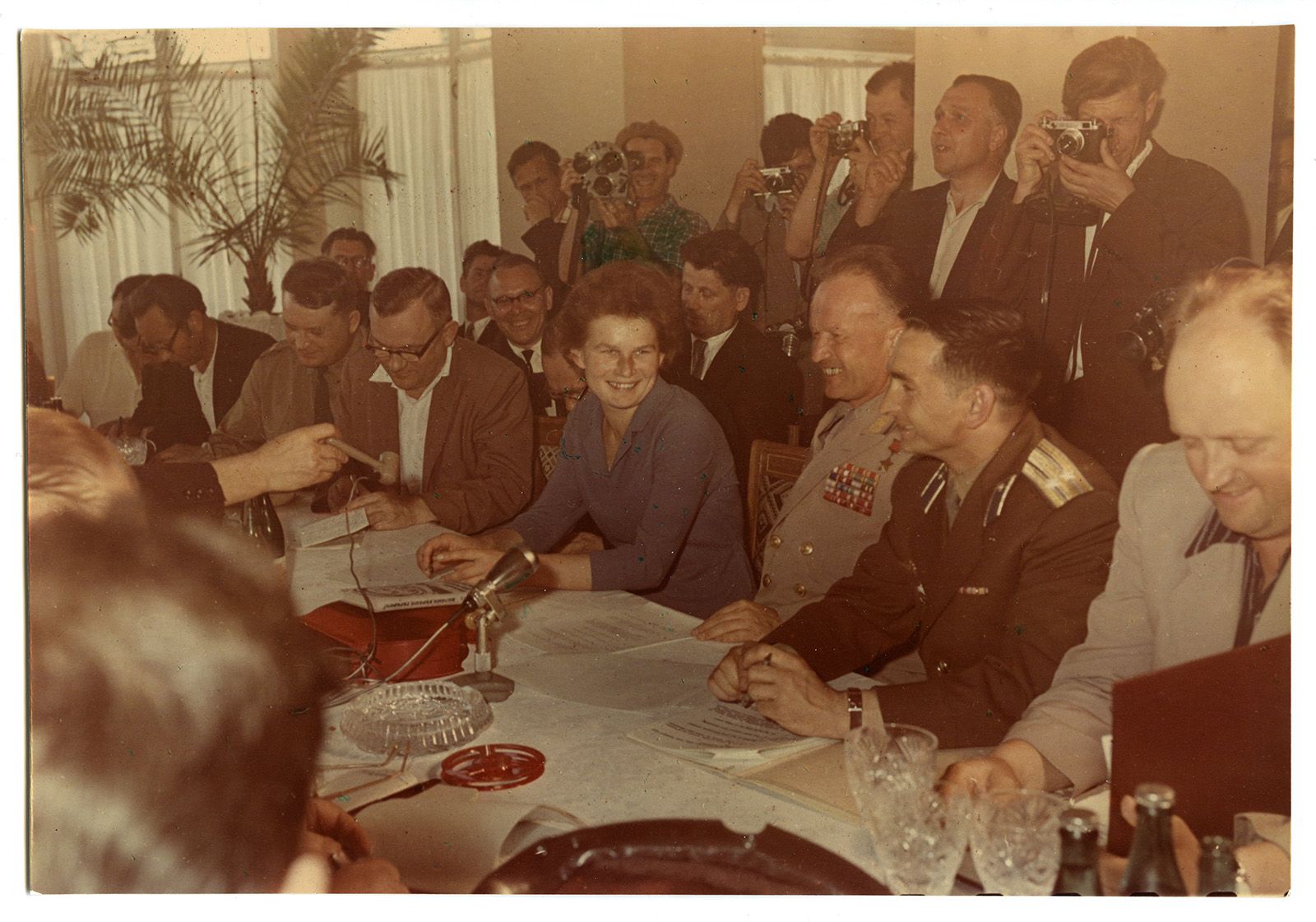
On 16 June 1963, a 26-year-old former textile worker named Valentina Tereshkova launched aboard Vostok 6 and spent nearly three days alone in orbit. She flew 48 times around the Earth, longer than every American astronaut combined, and spotted a dangerous flaw in her descent program that ground controllers had missed.

CENTCOM confirms first-ever combat use of PrSM against Iranian targets. Space Force VP calls for aggressive end strength growth. Artemis II boosters on pad.
SpaceX makes strides on Starship launch pad, upcoming Starlink infusions from California and Florida, and regulatory challenges loom with FCC and C-band spectrum.