


X Report 6 Mar 2025
Starship Flight 8 set for launch, new milestones in the defense sector, and launch updates dominate today's news.



Launch Date
February 24, 2012
Launch Site
XICLF
Launch Pad
LC2
Launch Vehicle
Chang Zheng 3C
NORAD ID
42479
International Designator
2012-008AP
Epoch
Mon, 19 Mar 2018 02:12:42 GMT
Apogee
Calculating...
Perigee
Calculating...
Inclination
20.88°
Right Ascension
280.40°
Eccentricity
Calculating...
Argument of Perigee
234.46°
Period
620.57 min
Mean Motion
2.32 rev/day
Latitude
Calculating...
Longitude
Calculating...
Altitude
Calculating...
Velocity
Calculating...
Name
CZ-3C DEB
Alternative Name
deb CZ-3C Y6
Type
Status
Owner
CASC
Country
China
Constellation
N/A
Related Satellites
Major Events
N/A
1 42479U 12008AP 18077.09215750 .00000125 00000-0 80040-3 0 9992
2 42479 20.8798 280.3968 7169751 234.4619 36.4418 2.32044689 41787
Source: Celestrak
Length
0
Diameter
0
Span
0
Dry Mass
0
Launch Mass
0
Shape
N/A
Radar Cross Section
0.0526
Visual Magnitude
Unknown
Color
Unknown
Material Composition
Unknown
Payload
Unknown
Purpose
Unknown
Mission
Unknown
Manufacturer
CALT
Life Expectancy
Unknown
Bus
Unknown
Configuration
Unknown
Motor
Unknown
Equipment
Unknown
Power System
Unknown
ADCS
Unknown
Transmitter Frequency
Unknown
Learn more about satellites and other related topics.
Starship Flight 8 set for launch, new milestones in the defense sector, and launch updates dominate today's news.
A partial breakup incident involving a Starlink satellite raised concerns, while SpaceX continued its ambitious projects and launches.

SpaceX's Starship gains military attention, a feather-light achievement, and a busy week for Falcon 9.
A Falcon 9 lifted off from SLC-40 at 6:50 a.m. EDT carrying Starlink satellites and Besxar Space Industries semiconductor test pods.
SpaceX successfully launches two lunar landers and clears another milestone with Transporter-12 rideshare mission.
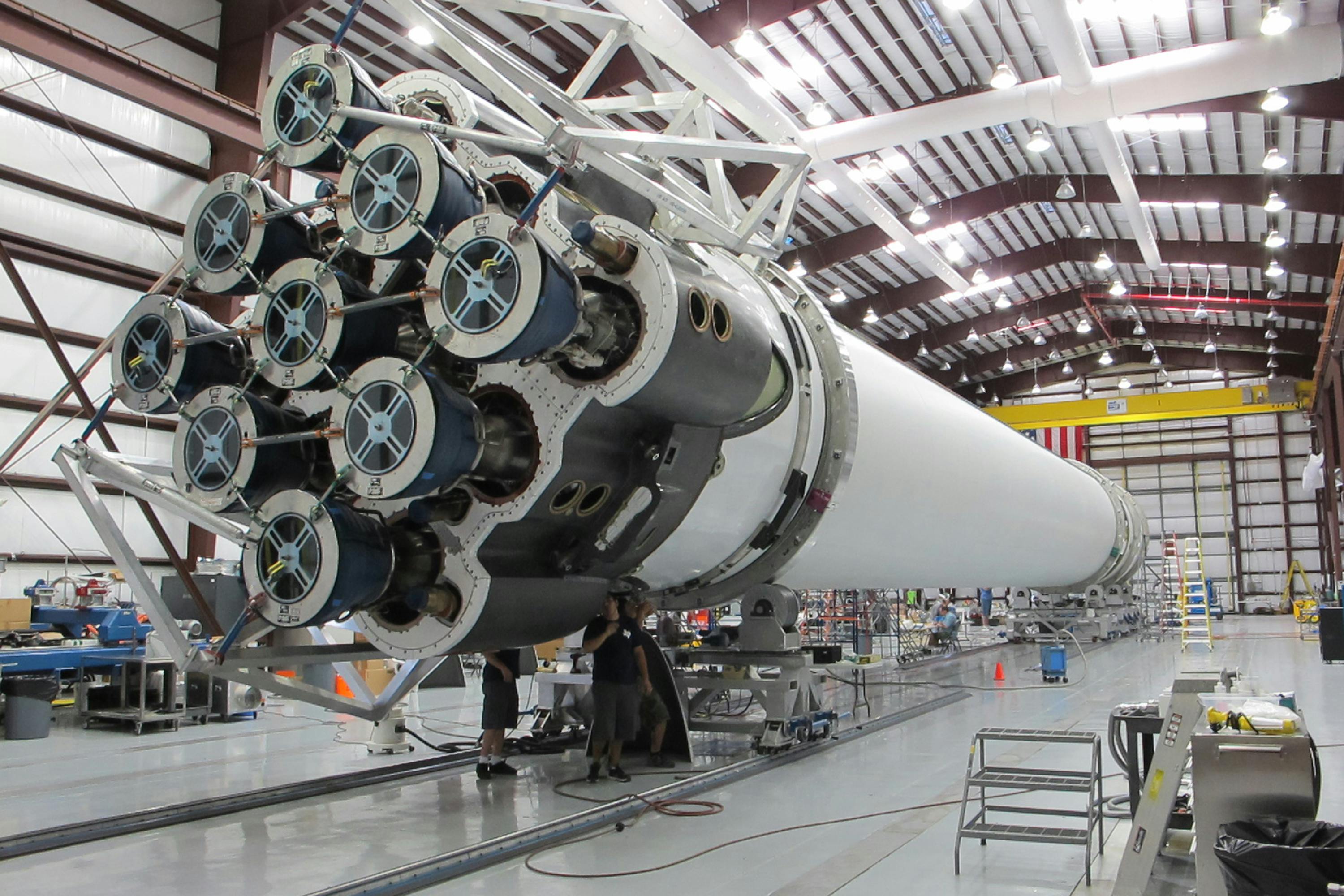
Booster B1067 hit 36 flights on July 9, while SpaceX files to expand Starlink to 100,000 satellites at 4,400 lbs each.
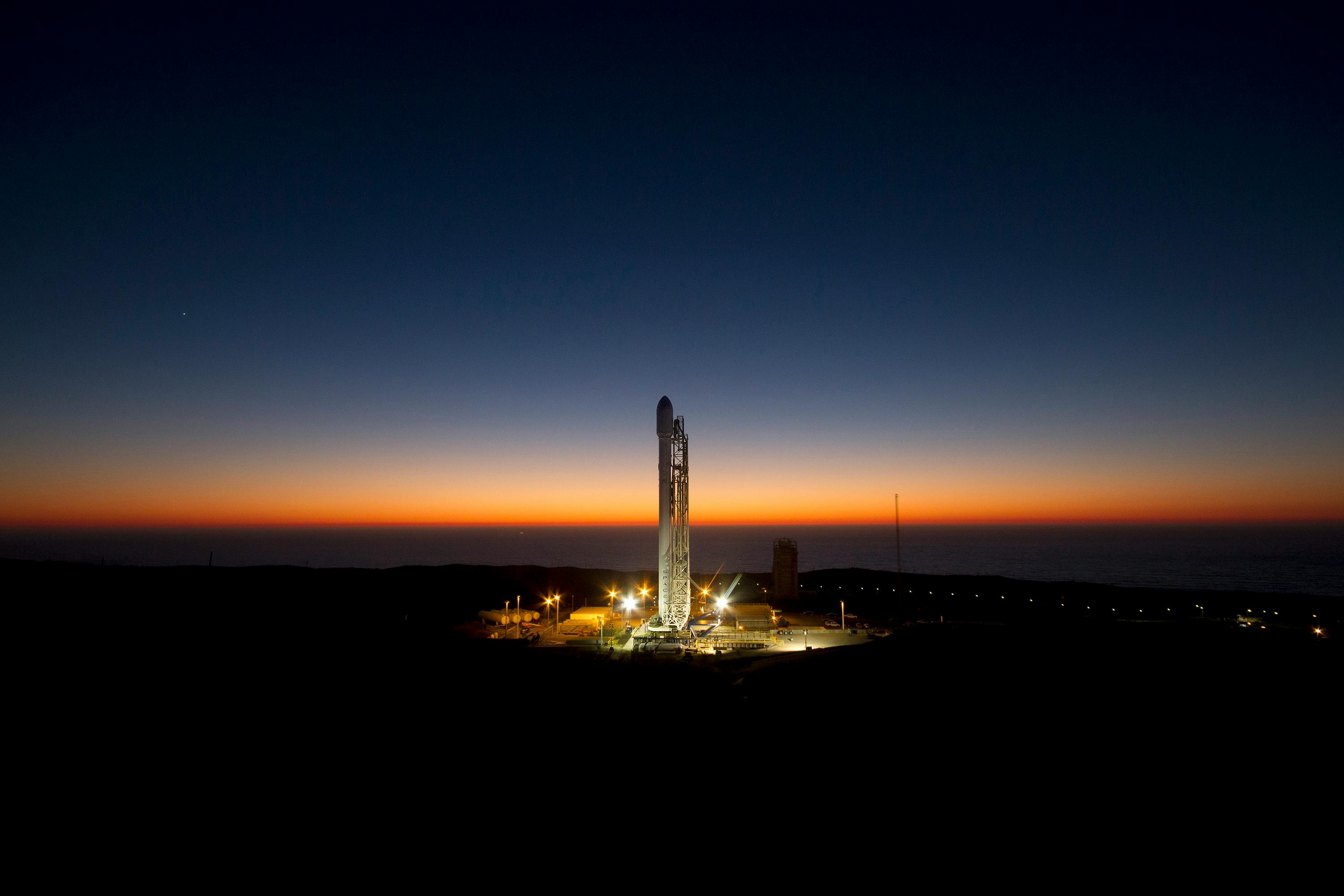
SpaceX sets launch milestones with quick turnarounds and new Starlink deployments, while eyeing rapid Starship expansions next year.
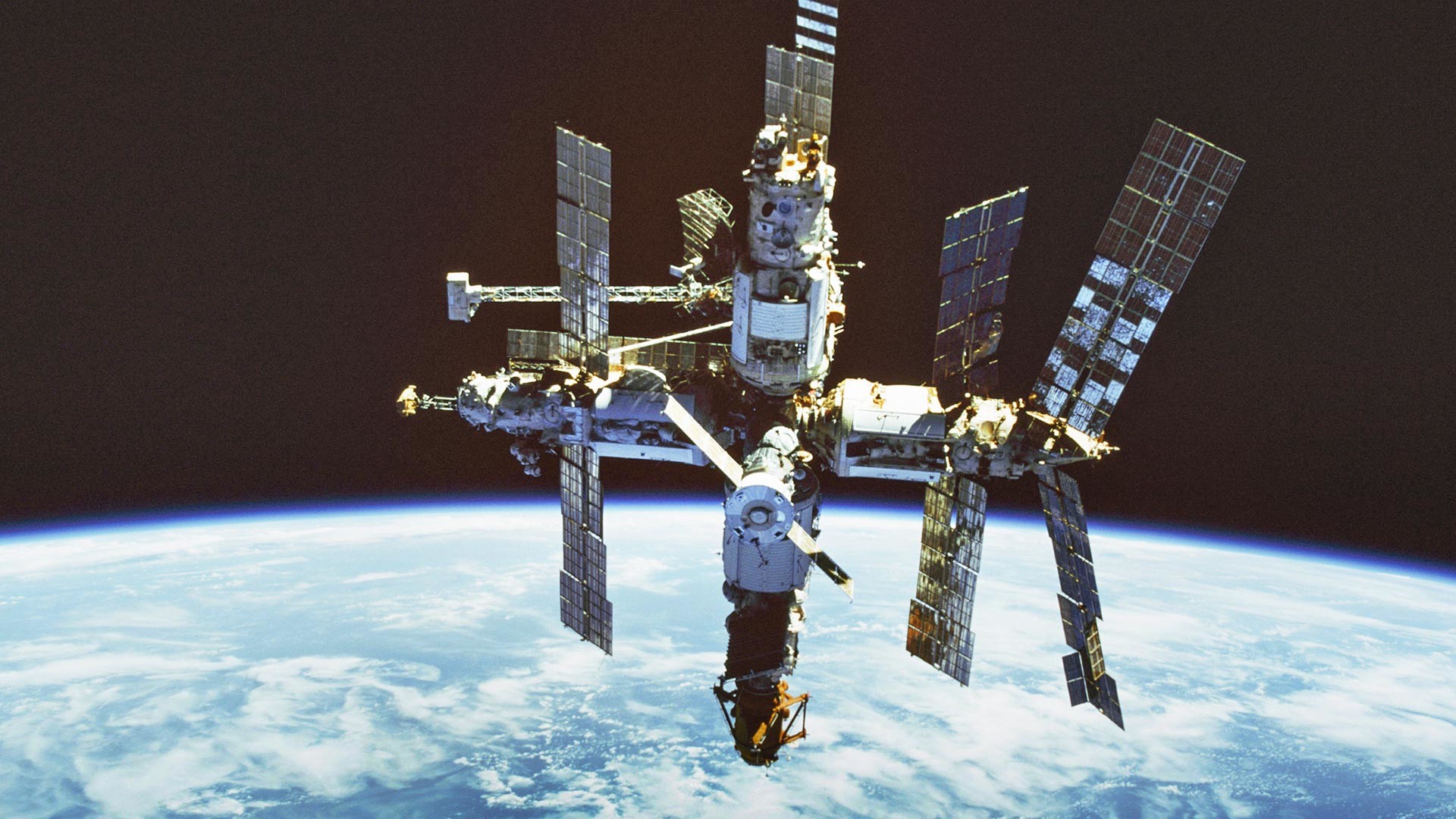
Forty years ago today, the USSR launched a 20-ton aluminum cylinder into low Earth orbit and called it 'Peace.' Over the next 15 years, Mir would host 104 people from 12 countries, survive a fire and a collision, and quietly teach humanity how to live in space.