


ESA's Proba-3 Formation-Flyer Goes Silent | KeepTrack Space Brief
ESA's Proba-3 spacecraft lost contact last month, grounding the dual-satellite solar eclipse mission. Formation flying between both craft is critical for coronagraph science.



Launch Date
June 4, 1981
Launch Site
PLMSC
Launch Pad
LC132/2
Launch Vehicle
Kosmos 11K65M
NORAD ID
42184
International Designator
1981-053SY
Epoch
Sat, 04 Jul 2026 13:19:15 GMT
Apogee
Calculating...
Perigee
Calculating...
Inclination
83.02°
Right Ascension
295.45°
Eccentricity
Calculating...
Argument of Perigee
54.39°
Period
105.70 min
Mean Motion
13.62 rev/day
Latitude
Calculating...
Longitude
Calculating...
Altitude
Calculating...
Velocity
Calculating...
Name
COSMOS 1275 DEB
Alternative Name
deb Kosmos-1275
Type
Status
Owner
GUKOS
Country
Russia
Constellation
N/A
Related Satellites
Major Events
N/A
1 42184U 81053SY 26185.55503986 .00000220 00000+0 25643-3 0 9995
2 42184 83.0233 295.4536 0096541 54.3891 322.4644 13.62377399613925
Source: Celestrak
Length
0
Diameter
0
Span
0
Dry Mass
0
Launch Mass
0
Shape
N/A
Radar Cross Section
0.0037
Visual Magnitude
Unknown
Color
Unknown
Material Composition
Unknown
Payload
Unknown
Purpose
Unknown
Mission
Unknown
Manufacturer
Unknown
Life Expectancy
Unknown
Bus
Unknown
Configuration
Unknown
Motor
Unknown
Equipment
Unknown
Power System
Unknown
ADCS
Unknown
Transmitter Frequency
Unknown
Learn more about satellites and other related topics.
ESA's Proba-3 spacecraft lost contact last month, grounding the dual-satellite solar eclipse mission. Formation flying between both craft is critical for coronagraph science.
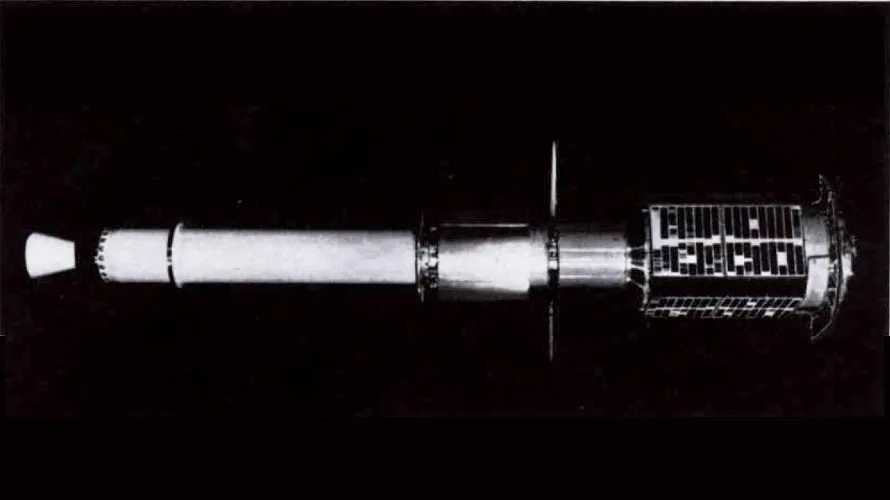
On April 27, 1961, a Scout rocket lifted a 37-kilogram NASA satellite into orbit from Wallops Island carrying the first serious instrument for detecting cosmic gamma rays. Explorer 11 operated for seven months before its tape recorder failed. In that time it registered 22 gamma-ray photons - a pitiful number by modern standards, but enough to launch an entire branch of astronomy.
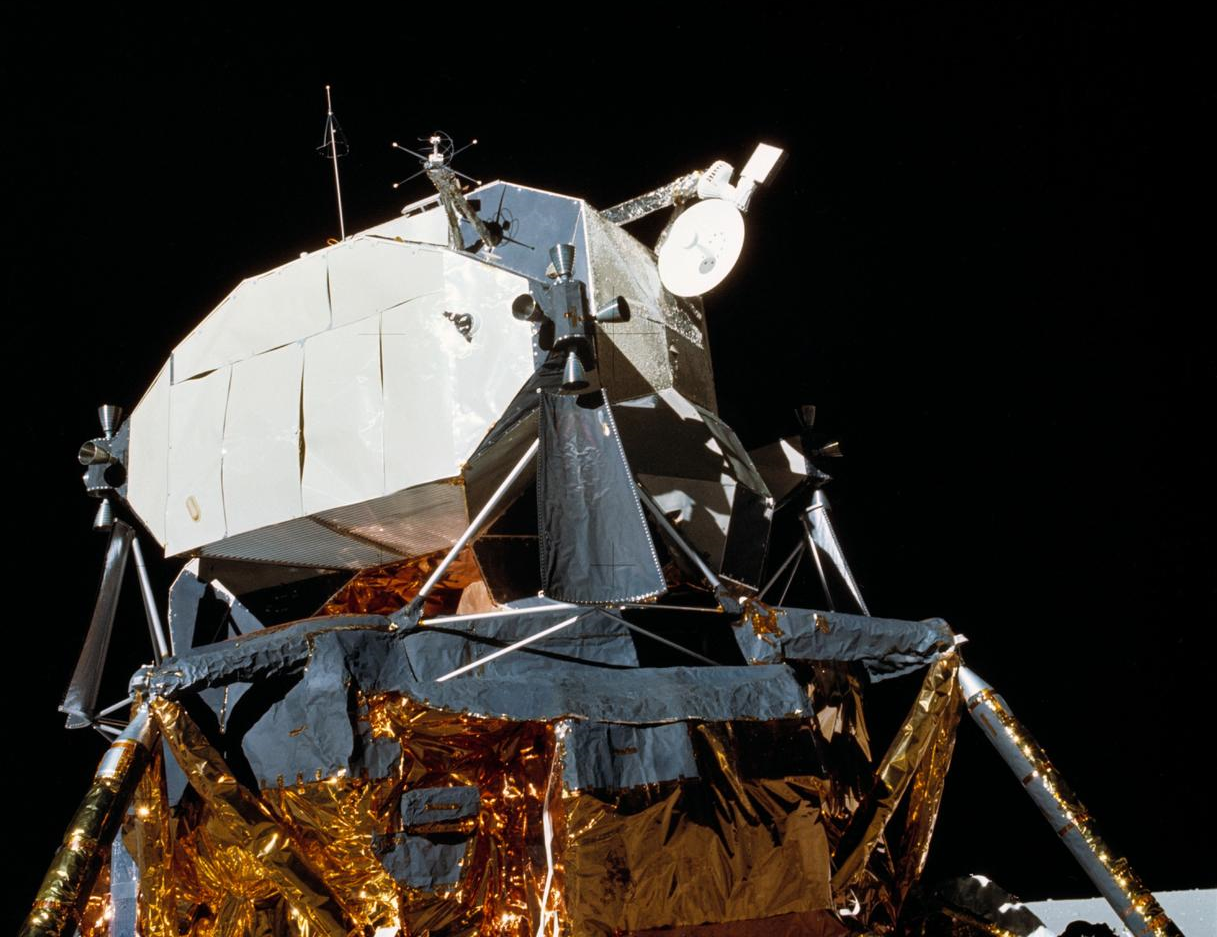
Six hours behind schedule, with a backup engine system shuddering in lunar orbit and mission controllers in Houston running out of options, Apollo 16 came within one meeting of being sent home without landing. The problem was a wobble in a gimbal. The solution was math done under pressure.

Today's brief covers a significant hypersonic flight by Stratolaunch, the US Space Force's missile warning upgrades, and major government space investments.
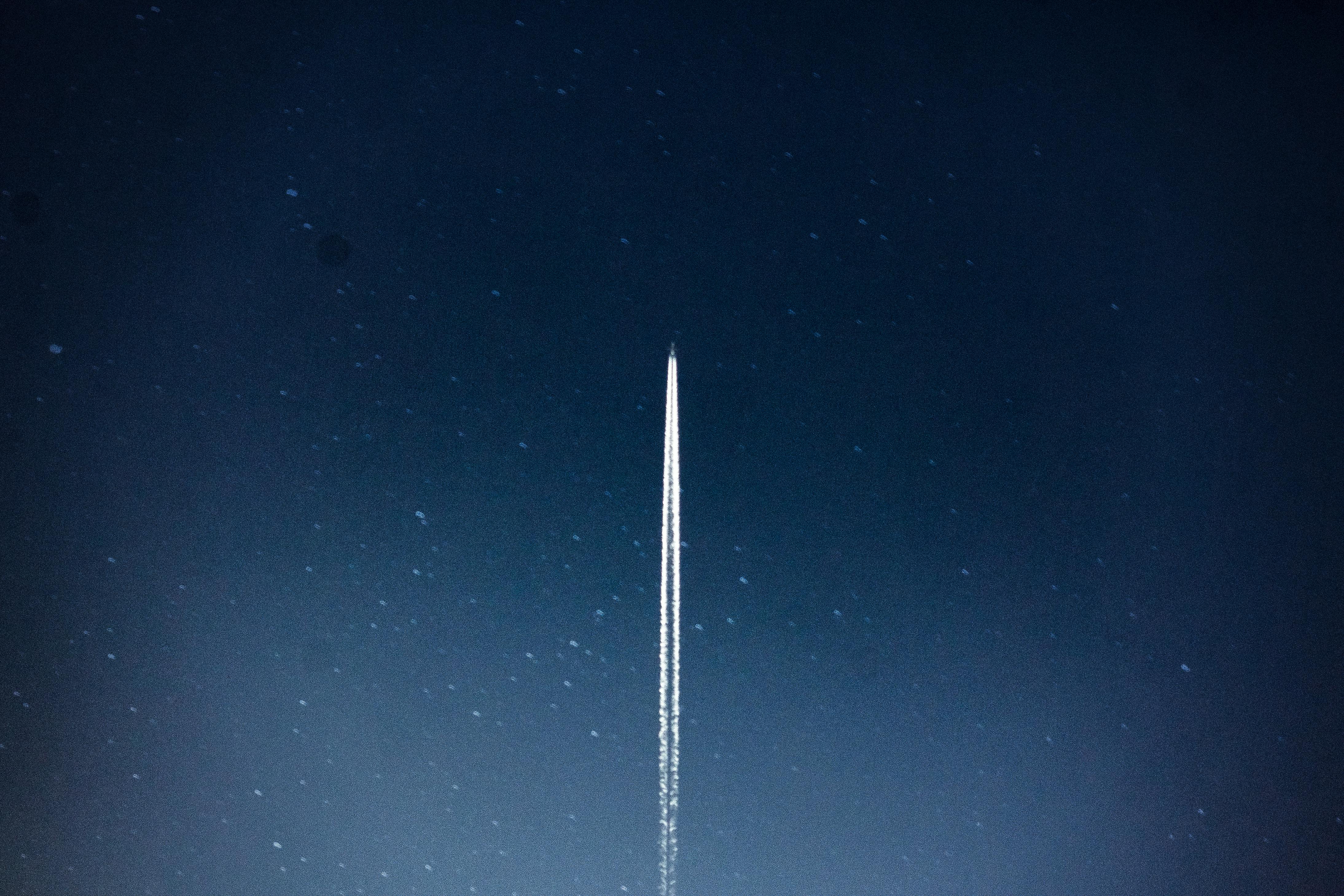
Starlink reaches 9 million active users, while SpaceX prepares for upcoming missions with Flight 12 vehicles readying for 2026.
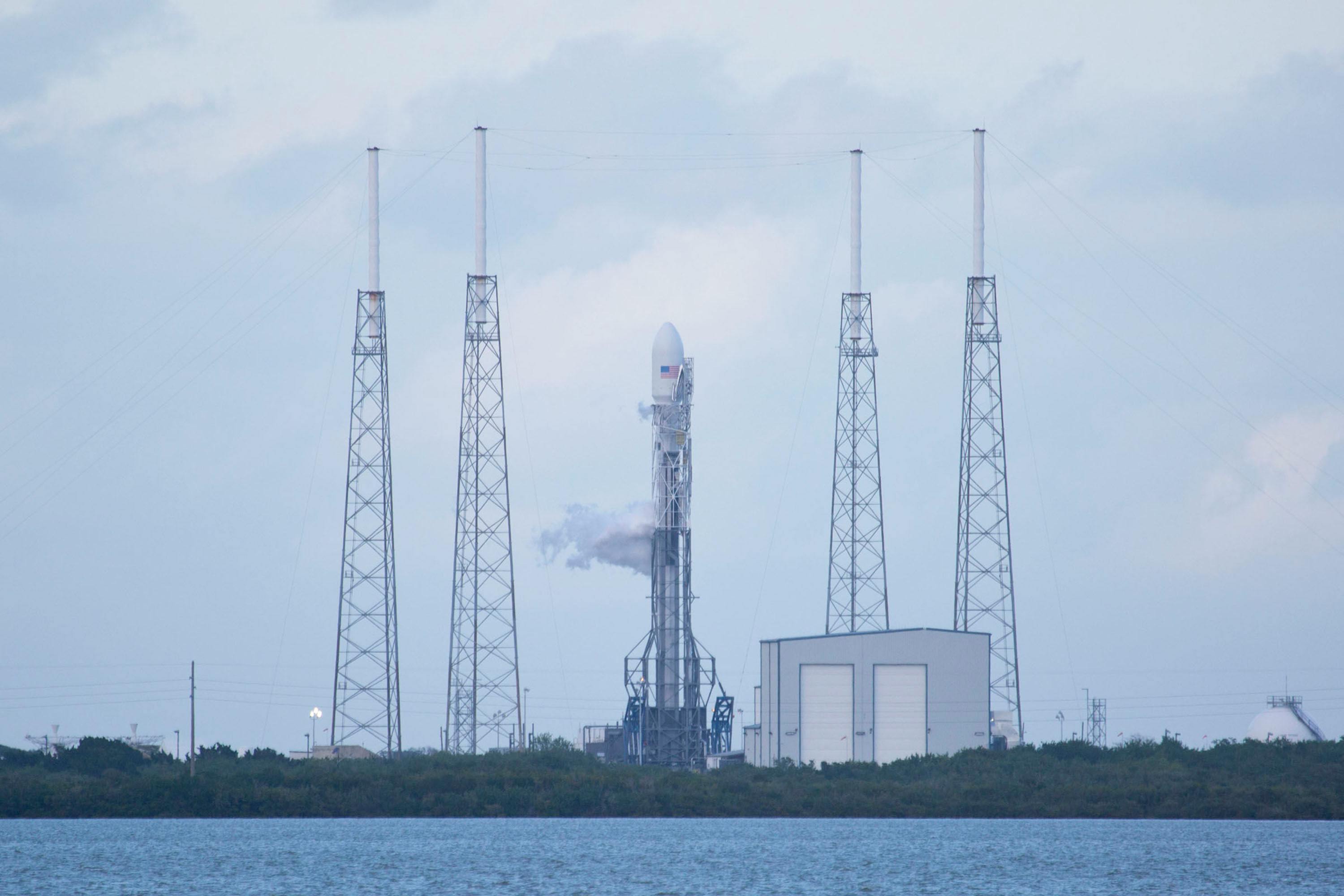
SpaceX achieves its 450th Falcon 9 launch, setting a new turnaround record, while its competitor ULA remains grounded, awaiting clearance from the Space Force.
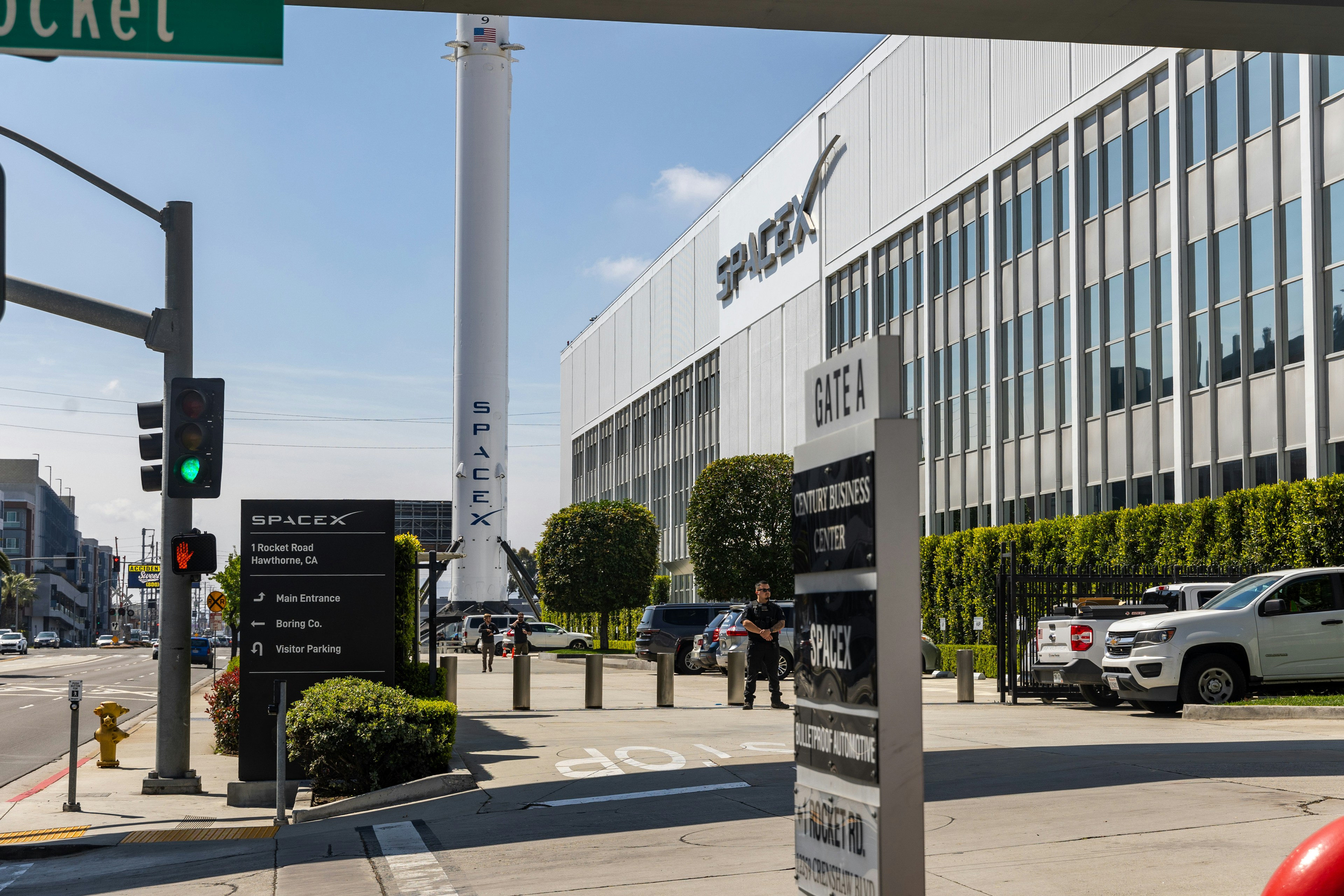
SpaceX's Crew-10 mission safely docks with the ISS, setting up for a crew rotation. Starlink continues its global expansion with additional satellite deployments.

Explore the dynamic realms of Earth's orbits, from LEO to GEO, unraveling the crucial roles they play in global communication, navigation, and surveillance.