


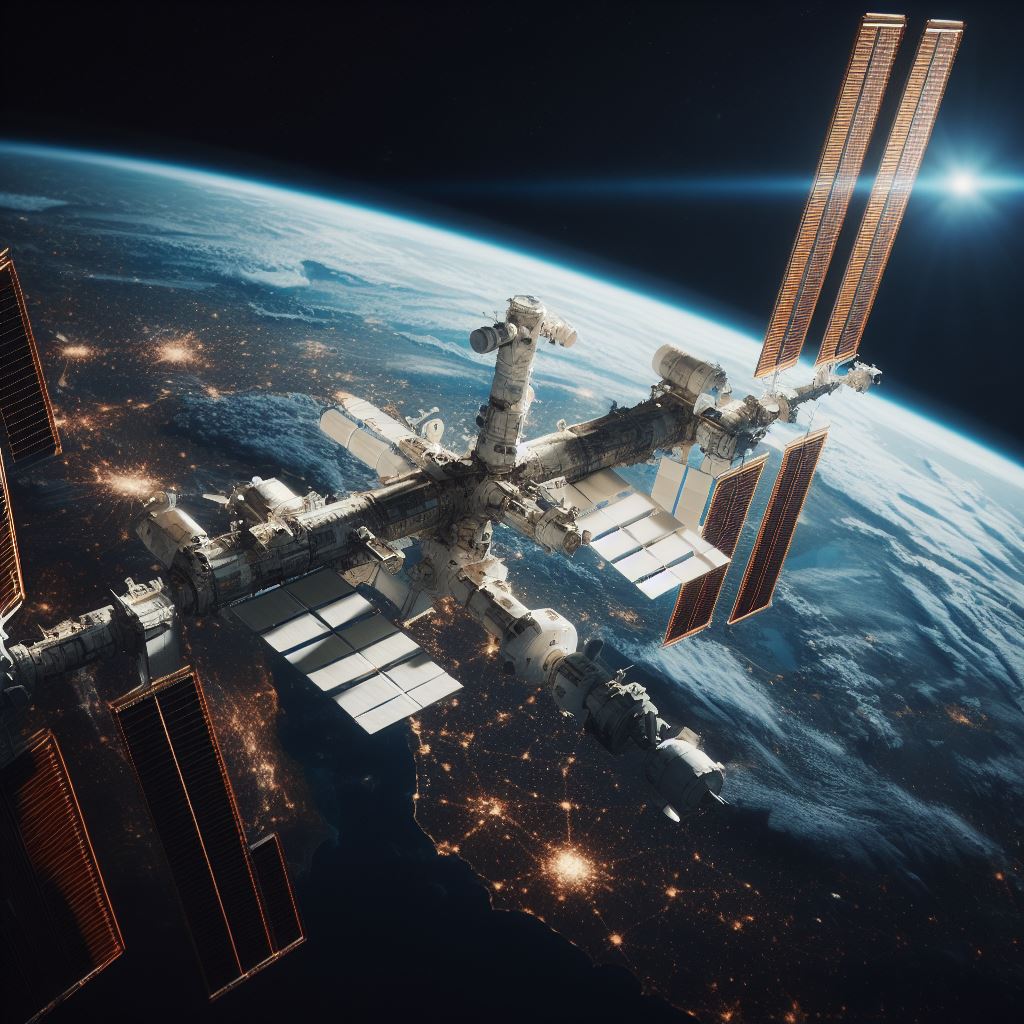
The Evolution of Space Stations
A brief journey through the evolution of space stations, delving into Russia's Mir, the International Space Station, China's Tiangong, and envisioning the future of orbital habitats.


Launch Date
August 19, 2016
Launch Site
Launch Pad
SLC37B
Launch Vehicle
Delta 4M+(4,2)
NORAD ID
41744
International Designator
2016-052A
Epoch
Thu, 25 Jun 2026 15:01:47 GMT
Apogee
Calculating...
Perigee
Calculating...
Inclination
4.22°
Right Ascension
77.10°
Eccentricity
Calculating...
Argument of Perigee
157.18°
Period
1447.23 min
Mean Motion
1.00 rev/day
Latitude
Calculating...
Longitude
Calculating...
Altitude
Calculating...
Velocity
Calculating...
Name
USA 270
Alternative Name
USA 270
Type
Status
Owner
AFSPC
Country
United States
Constellation
N/A
Related Satellites
Major Events
N/A
1 41744U 16052A 26176.62624484 -.00000284 00000-0 00000+0 0 9996
2 41744 4.2178 77.0981 0000668 157.1810 56.2495 0.99500516 28218
Source: Celestrak
Length
2
Diameter
2
Span
5
Dry Mass
500
Launch Mass
500
Shape
Box + 2 pan
Radar Cross Section
Unknown
Visual Magnitude
Unknown
Color
Unknown
Material Composition
Unknown
Payload
Hornet 3
Purpose
Space surveillance
Mission
Space surveillance
Manufacturer
OATKD
Life Expectancy
6 years
Bus
GeoStar-1
Configuration
GeoStar-1
Motor
AOCS
Equipment
Unknown
Power System
2 deployable solar arrays, batteries
ADCS
Unknown
Transmitter Frequency
Unknown
Learn more about satellites and other related topics.
A brief journey through the evolution of space stations, delving into Russia's Mir, the International Space Station, China's Tiangong, and envisioning the future of orbital habitats.
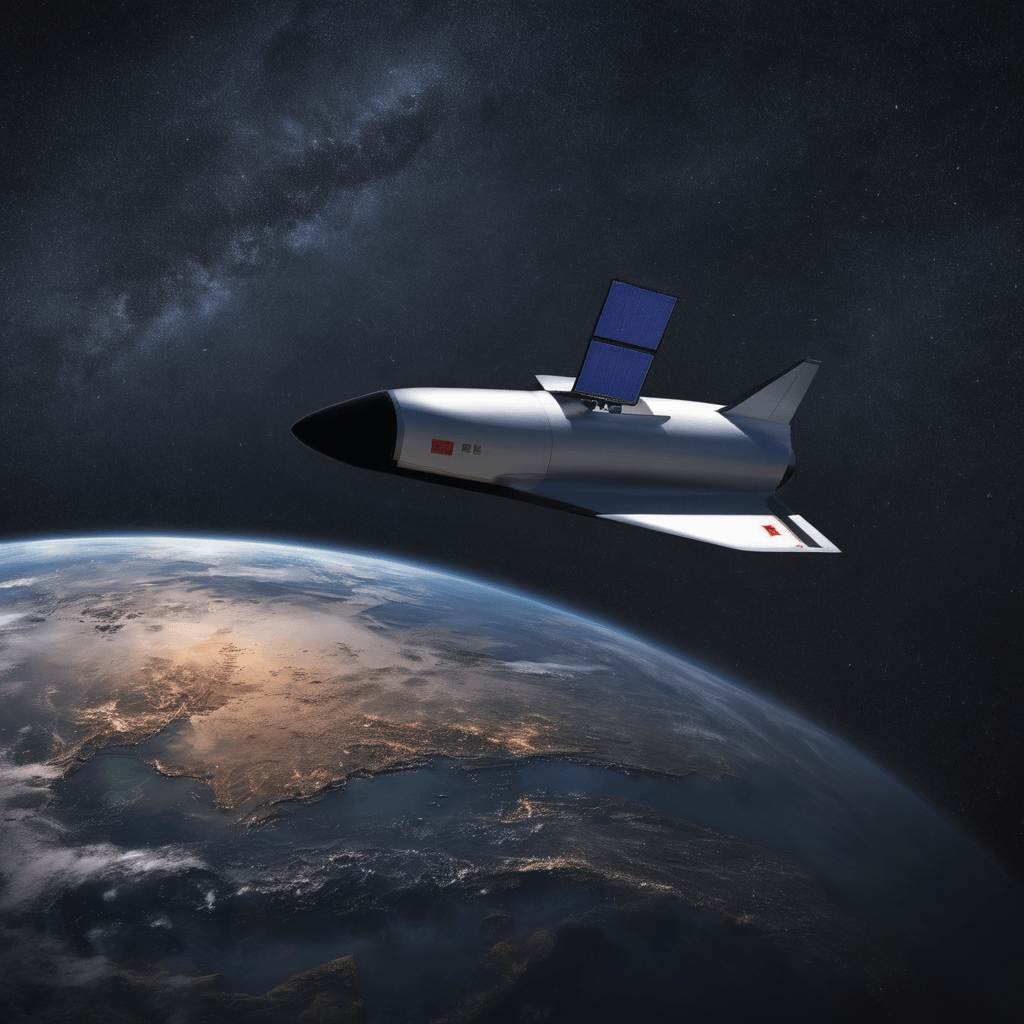
Details on China's current Shenlong spaceplane mission and its recent deployment of six objects.

SpaceX safely returns Crew-9 from ISS, launches new Starlink satellites, and showcases its satellite kit production capabilities.
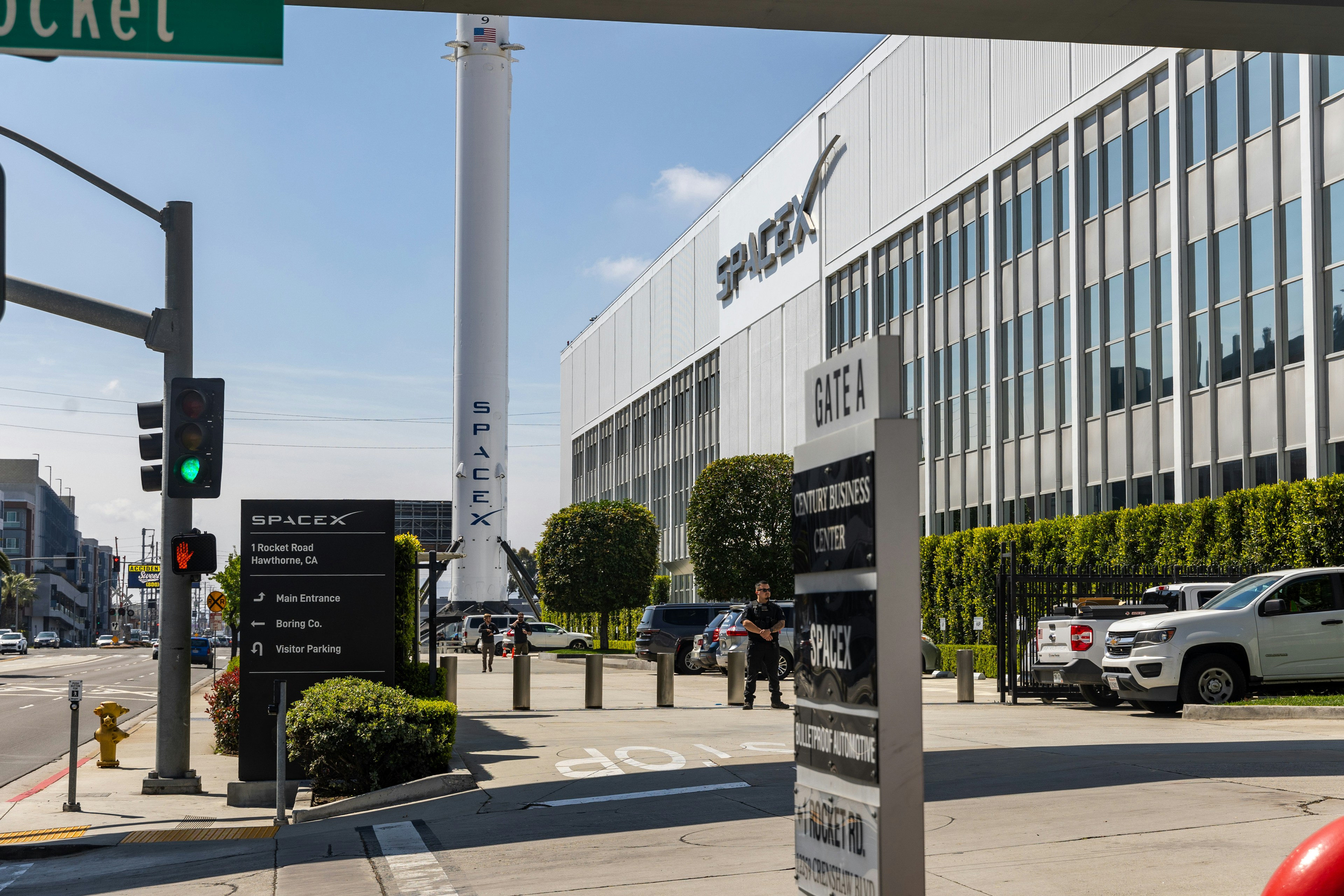
How many Starlink satellites are in orbit in 2026? SpaceX passed 10,000 after the Starlink 17-24 launch, with 10,020 in orbit and 11,529 launched.
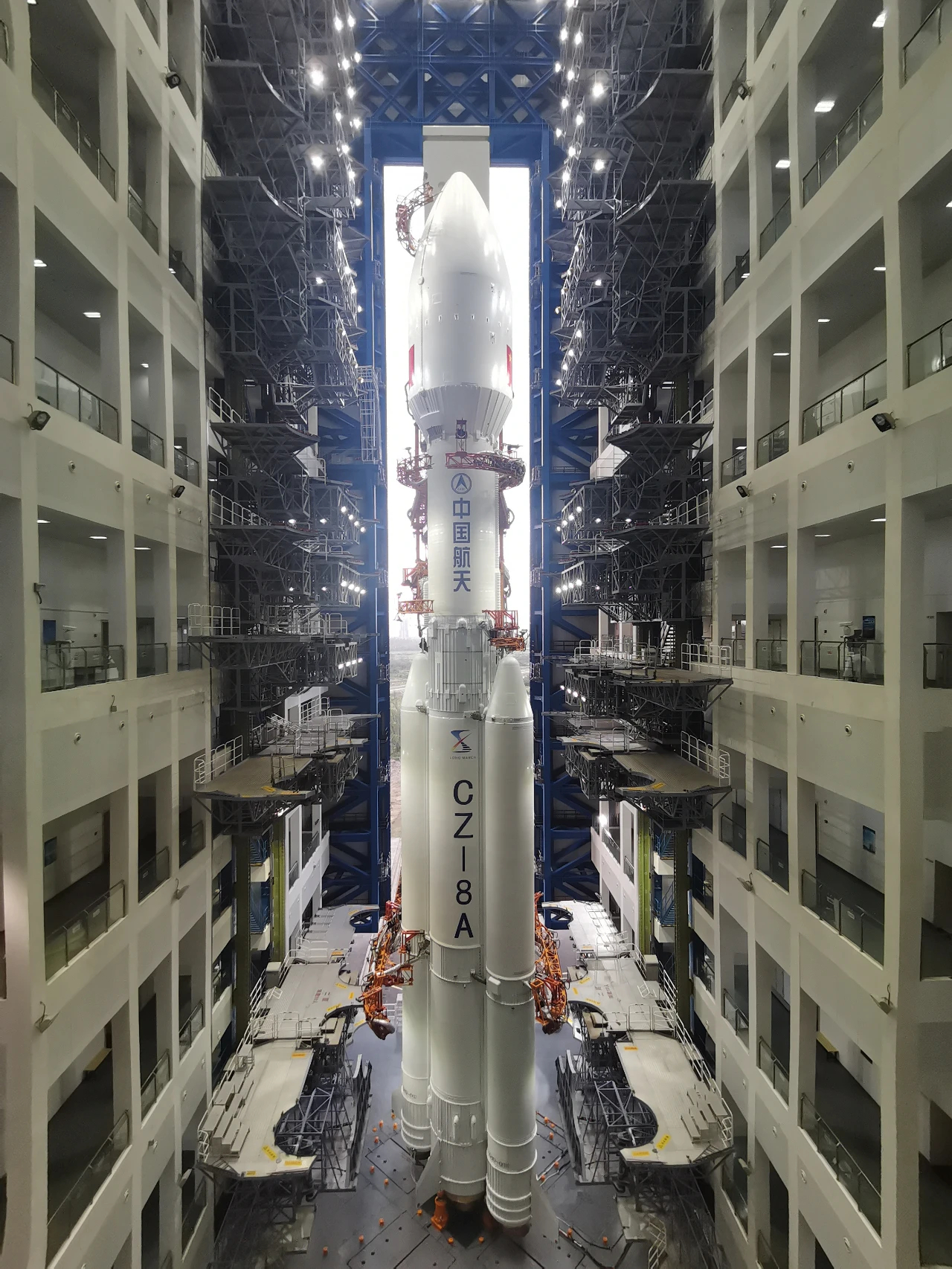
Today's briefing covers Rocket Lab's strategic acquisition, Space Dynamics Lab's new collaboration with the Space Force, and shifts within the Pentagon's AI division.
Key updates include a potential delay for the Starship lunar lander, successful static fire tests for Ship 38, and the latest Starlink satellite launch plans.

Today's briefing covers China's announcement of the Beidou system upgrade, launch updates for Vega C, challenges to global GPS reliability, and delays in the VERITAS Venus mission.

The Kessler Syndrome threatens humanity's future in space as cascading satellite collisions create exponential debris growth. With 36,000+ tracked objects and recent incidents accelerating risks, we face a critical juncture: implement solutions now or potentially lose access to low Earth orbit forever.