

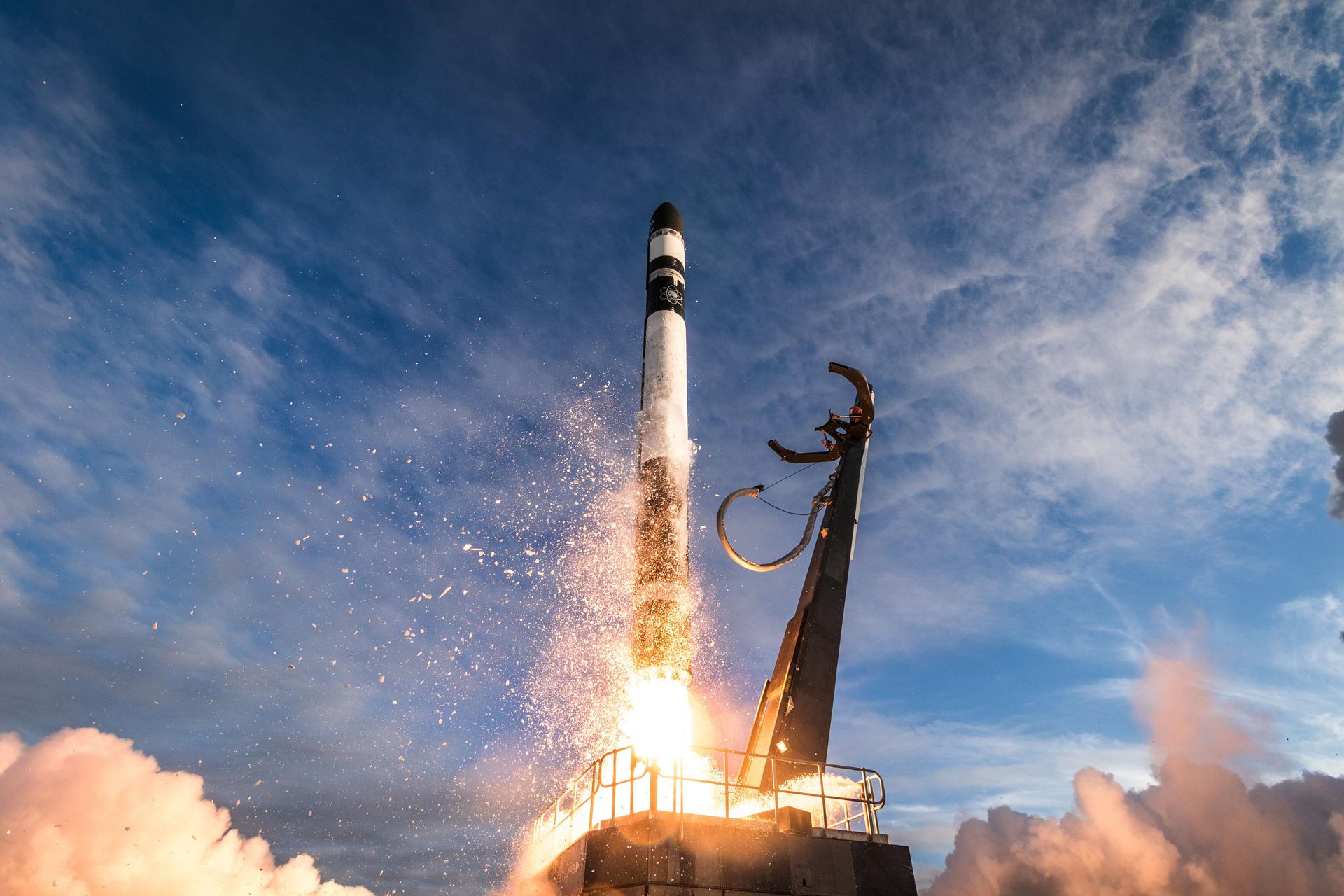
Space Brief 23 Jan 2025
Today's briefing covers the U.S. Space Force's substantial investments in commercial satellite services, a strategic military shift, Chinese space station upgrades, and NASA's policy changes.


Launch Date
April 5, 2016
Launch Site
JSC
Launch Pad
LC603
Launch Vehicle
Chang Zheng 2D
NORAD ID
41455
International Designator
2016-023E
Decay Date
7/1/2016
Name
SJ-10 MODULE
Alternative Name
Shi Jian 10
Type
Status
Owner
CASC
Country
China
Constellation
N/A
Related Satellites
Major Events
N/A
Length
1.6
Diameter
2.2
Span
2.2
Dry Mass
1260
Launch Mass
1260
Shape
Frust
Radar Cross Section
6.142
Visual Magnitude
Unknown
Color
Unknown
Material Composition
Unknown
Payload
SJ-10
Purpose
Unknown
Mission
Unknown
Manufacturer
CAST
Life Expectancy
Unknown
Bus
FSW-1
Configuration
Unknown
Motor
Unknown
Equipment
Unknown
Power System
Unknown
ADCS
Unknown
Transmitter Frequency
Unknown
Learn more about satellites and other related topics.
Today's briefing covers the U.S. Space Force's substantial investments in commercial satellite services, a strategic military shift, Chinese space station upgrades, and NASA's policy changes.

Explore China's ambitions to expand its Tiangong space station, NASA's next steps for the Europa Clipper mission, and ESA's efforts to support the European space industry. Discover the latest in satellite tracking and consider the fascinating findings on potential life on Mars.
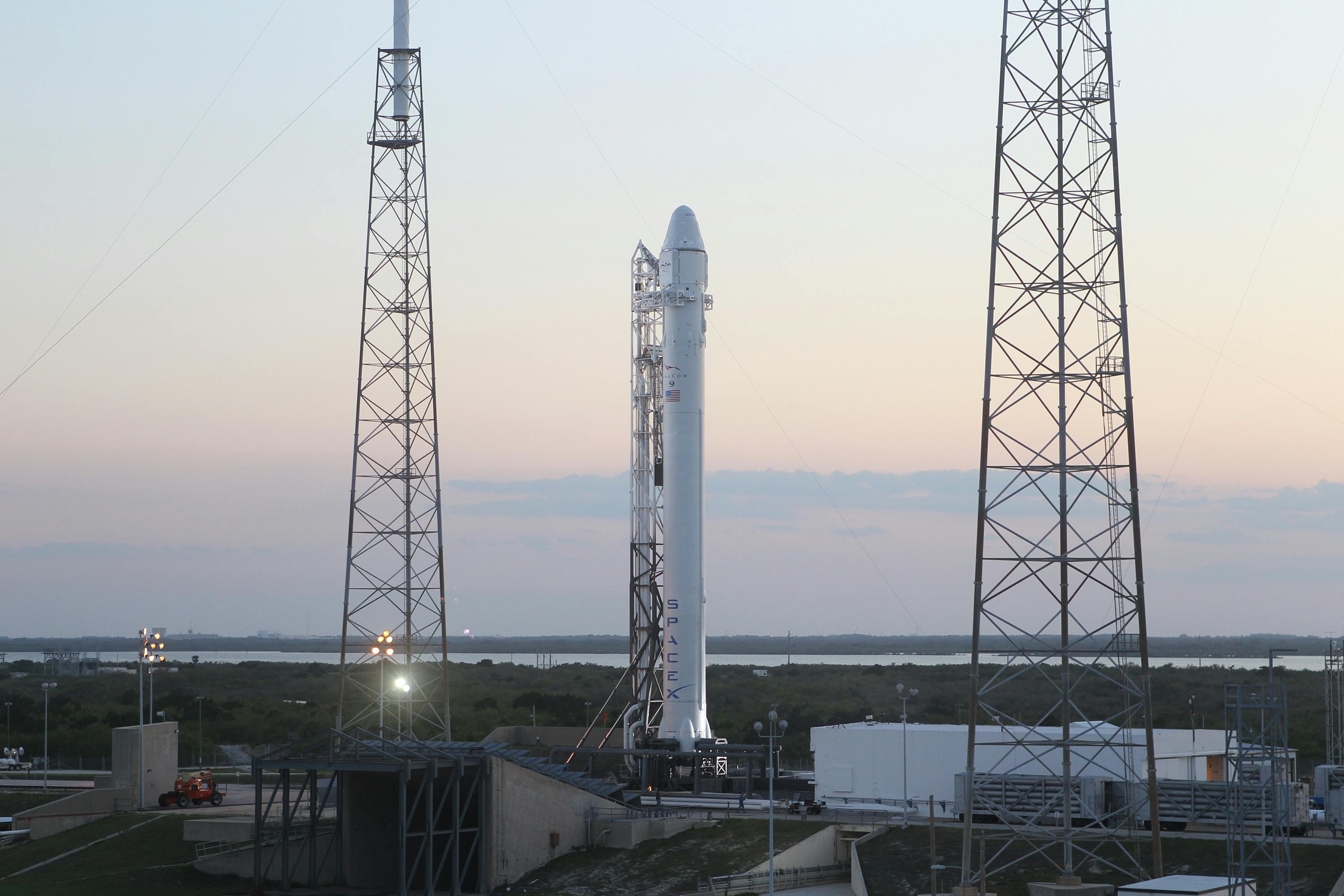
NASA's Inspector General warns of crew survival analysis gaps in Starship lunar lander program as Falcon 9 prepares to lead 8 global launches this week.
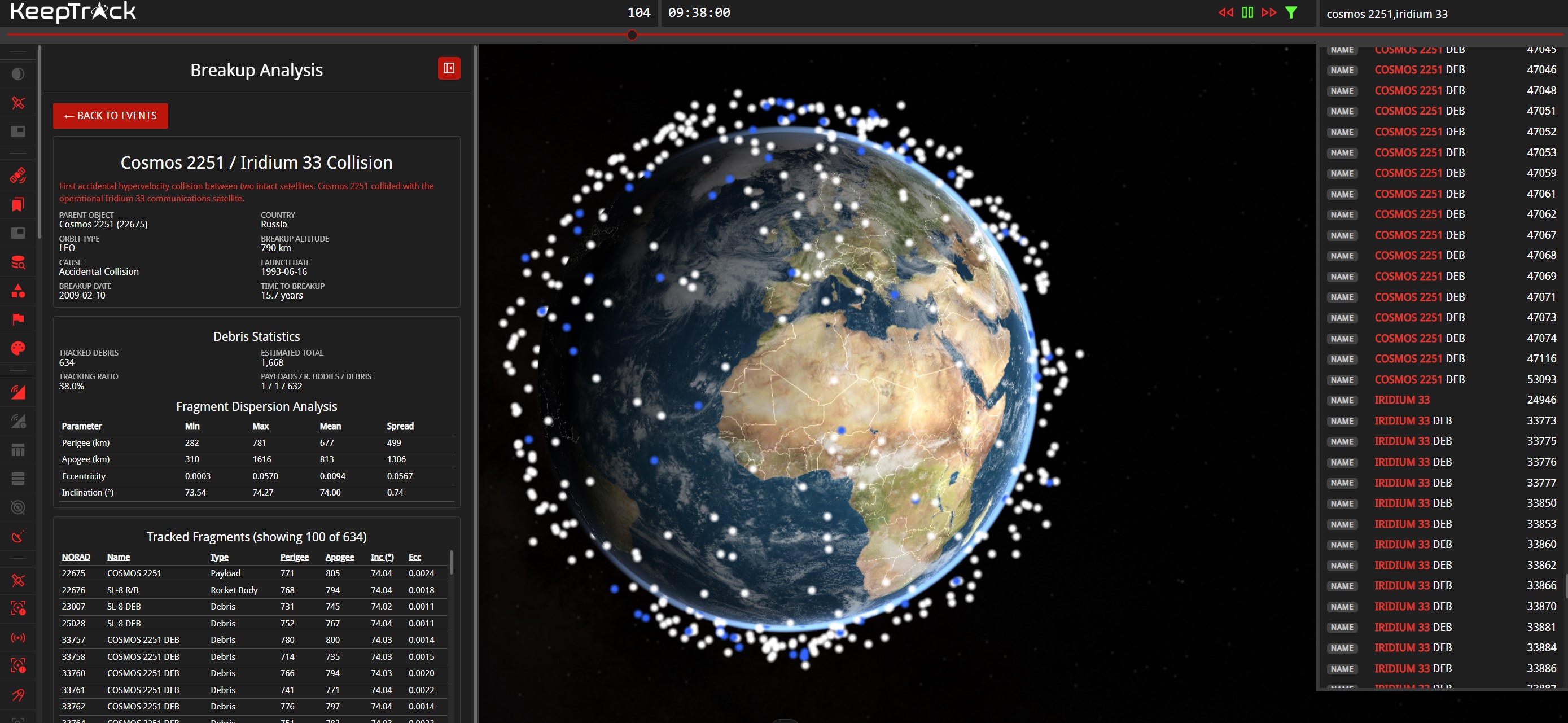
On February 10, 2009, an active Iridium communications satellite and a derelict Soviet military spacecraft slammed into each other 789 kilometers above Siberia. The collision produced more than 2,300 pieces of trackable debris that are still up there. Seventeen years later, the Iridium-Cosmos collision remains the event that made space debris a policy problem the world could no longer ignore.

SpaceX military contract: $57M to demo Link-182 waveform satellite crosslinks for Golden Dome missile defense. FCC denies its spectrum bid.

Uncover the top companies dominating the satellite industry. From SpaceX to One Web, learn who's leading in space assets. Full list inside.
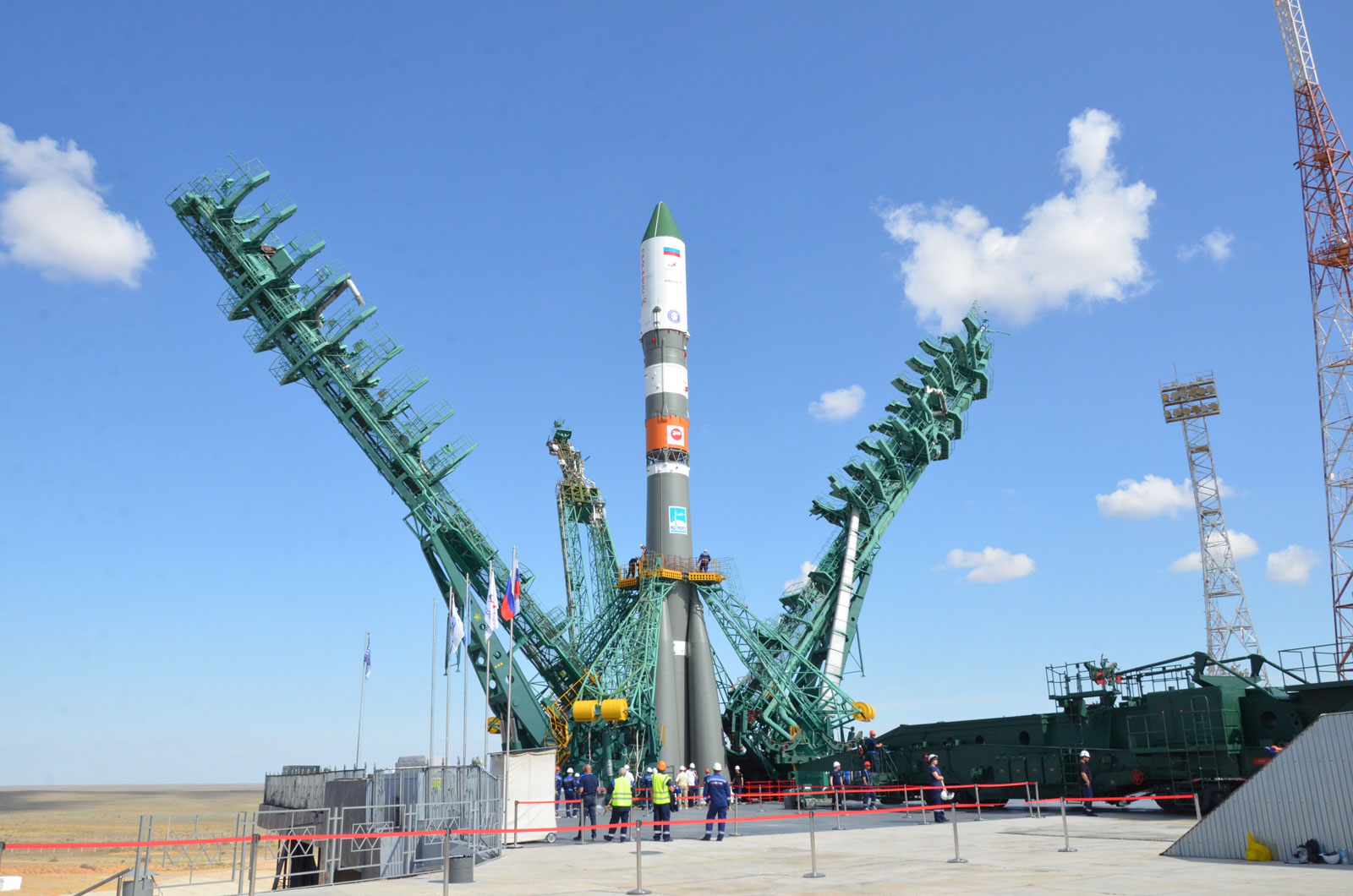
Today's brief highlights significant shifts in military space spending due to the Golden Dome program, the U.S. Space Force's advancements in tactical satellite communications, and NASA's race to nuclear power in space.

Blue Origin's New Glenn successfully reused its first stage booster for the first time on Mission 3, launching April 19. Booster reuse accelerates operational tempo.