NAVSTAR 76 (USA 266) (41328)

COSPAR: 2016-007A | Alt Name: GPS IIF-12

Image
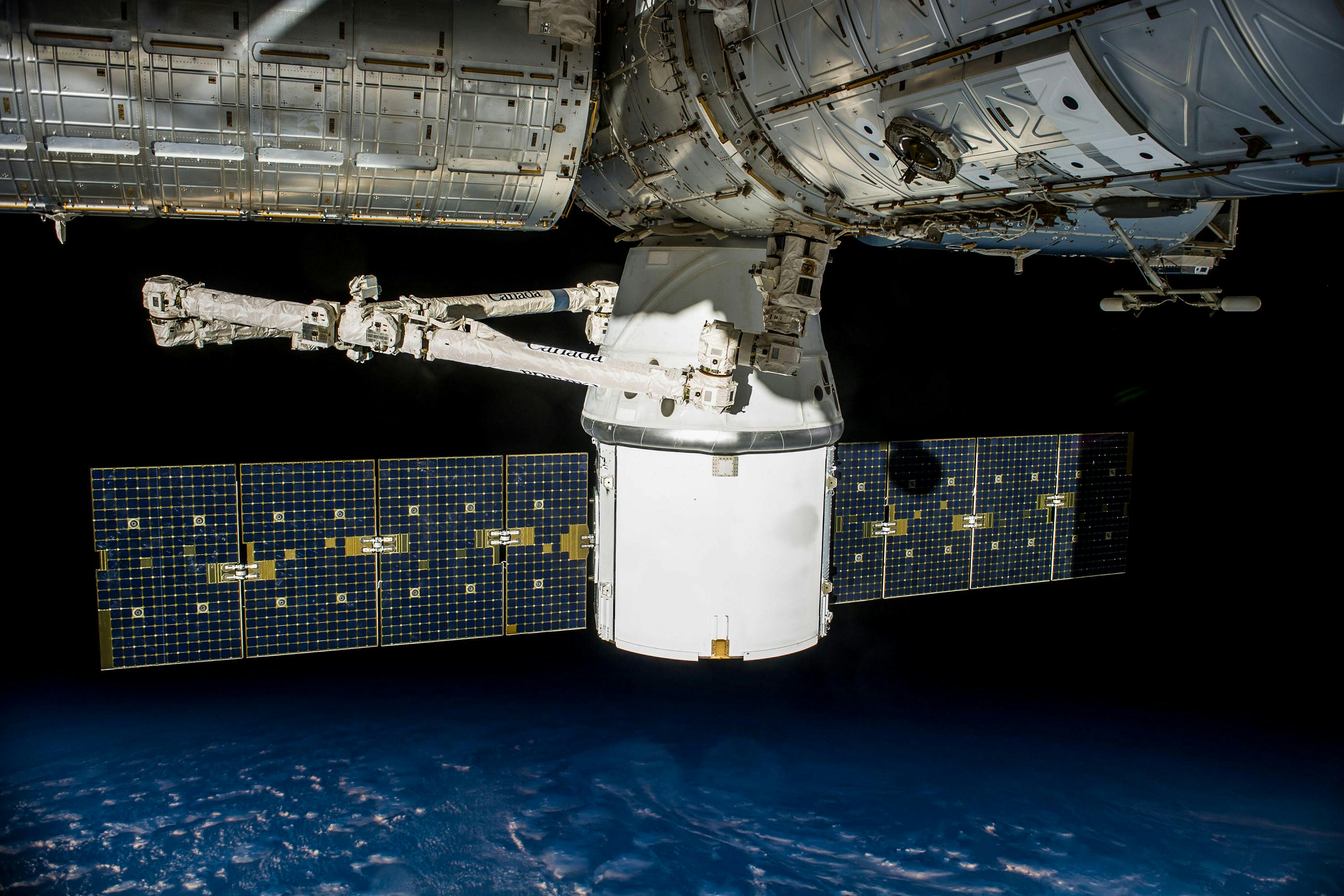
NAVSTAR 76 (USA 266) Satellite Image
Additional Sources
Launch Details

Launch Date

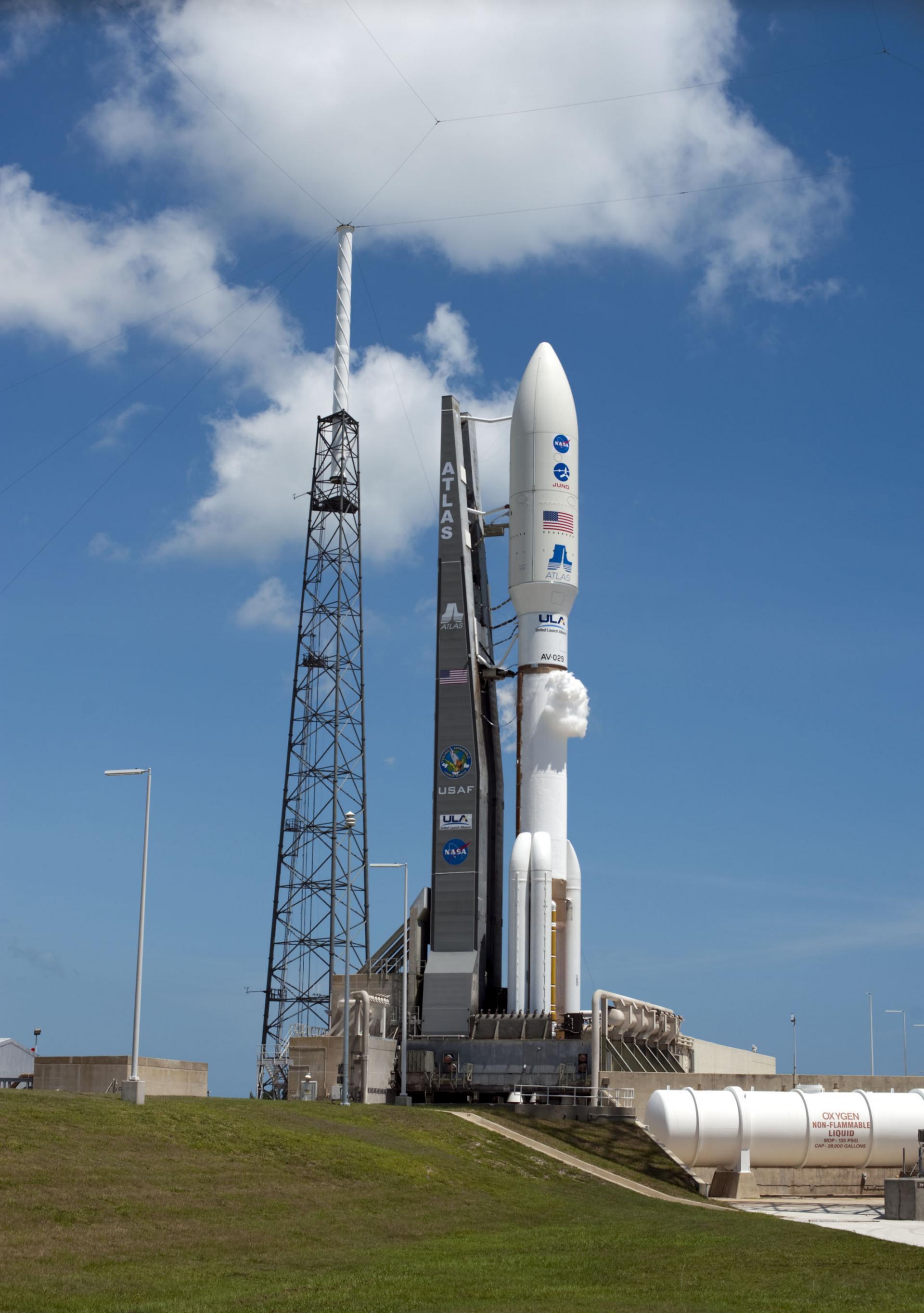
February 5, 2016

Launch Pad

SLC41

Launch Vehicle

Atlas V 401

Orbital Elements

NORAD ID

41328

International Designator

2016-007A

Epoch

Fri, 03 Jul 2026 19:43:46 GMT

Apogee

Calculating...

Perigee

Calculating...

Inclination

55.53°

Right Ascension

88.80°

Eccentricity

Calculating...

Argument of Perigee

247.42°

Period

717.93 min

Mean Motion

2.01 rev/day

Latitude

Calculating...

Longitude

Calculating...

Altitude

Calculating...

Velocity

Calculating...

Polar Plot
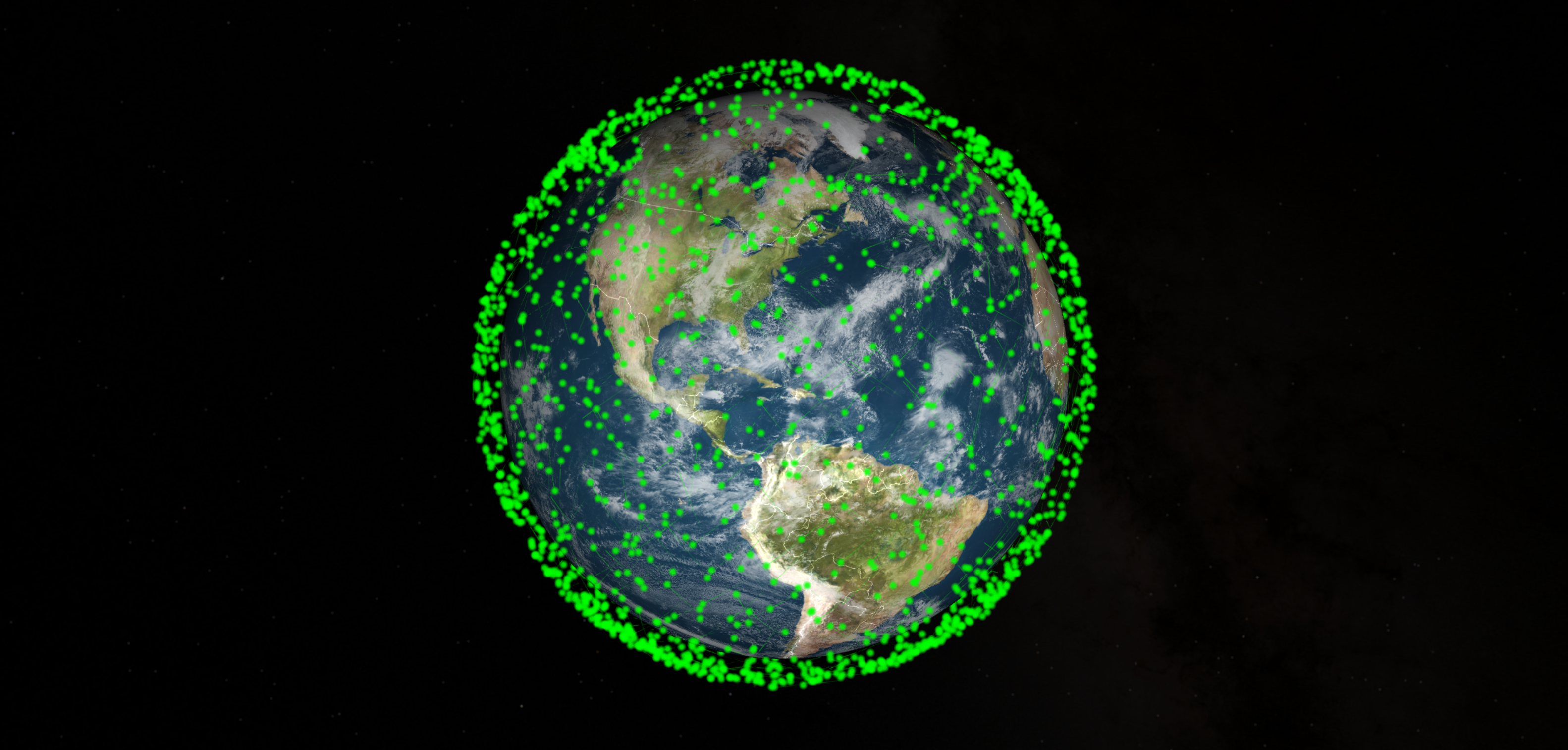
3D Visualization
Basic Satellite Info

Name

NAVSTAR 76 (USA 266)

Alternative Name

GPS IIF-12

Type

Payload

Status

Operational

Owner

AFSMC

Country

United States

Constellation

N/A

Related Satellites

Major Events

N/A

Latest TLEs
1 41328U 16007A   26184.82206197 -.00000008  00000+0  00000+0 0  9995
2 41328  55.5329  88.8003 0096059 247.4210 111.5990 02.00575935 76178

Source: Celestrak

Summary
NAVSTAR 76 (USA 266), also known as GPS IIF-12, is a navigation satellite belonging to the United States Air Force Space Command (AFSMC). It was launched on February 5, 2016, from Cape Canaveral Air Force Station's SLC41 using an Atlas V 401 launch vehicle. The spacecraft measures 2.5 meters in length and has a diameter of 1.8 meters with a span of 18 meters due to its solar arrays. Weighing 1630 kg at launch, it has a dry mass of approximately 1500 kg. The satellite is equipped with two deployable solar arrays for power generation along with batteries and utilizes 3-axis stabilization for orientation control. Designed by Boeing (BOES) as part of the GPS IIF series, this satellite operates in a navigation role, carrying the GPS SVN 70 payload. With an expected lifetime of 12 years, NAVSTAR 76 is intended to provide precise positioning data for military and civilian use.
Physical Characteristics

Length

2.5

Diameter

1.8

Span

18

Dry Mass

1500

Launch Mass

1630

Shape

Box + 2 Pan

Radar Cross Section

26.1193

Visual Magnitude

Unknown

Color

Unknown

Material Composition

Unknown

Technical Details

Payload

GPS SVN 70

Purpose

Navigation

Mission

Navigation

Manufacturer

BOES

Life Expectancy

12 years

Bus

GPS IIF

Configuration

3-Axis stabilized

Motor

AOCS

Equipment

?

Power System

2 deployable solar arrays, batteries

ADCS

Unknown

Transmitter Frequency

Unknown

Map
This tool will help you track the satellite's position and predict its upcoming passes over your location. Simply input the coordinates or click the geolocation button to get started.
Next Pass
Azimuth Elevation Time (Local)
Start Azimuth
Max Elevation
Stop Azimuth
Time Until
Pass Duration

Satellite Articles

View All Posts »

Learn more about satellites and other related topics.

X Report 16 Jul 2025

X Report 16 Jul 2025

SpaceX successfully launched another batch of Starlink satellites while marking a significant milestone with the 500th Falcon 9 mission. Additionally, the company is preparing for further testing of its Starship system and has begun collaborating with Amazon on their Project Kuiper constellation.
Boeing Starliner Grounded Until Mid-2027, NASA Warns | KeepTrack Space Brief

Boeing Starliner Grounded Until Mid-2027, NASA Warns | KeepTrack Space Brief

Boeing CST-100 Starliner faces up to one year delay before return-to-flight. NASA safety panel cites unresolved technical problems since mid-2024 crewed test.

Falcon Heavy Returns After 18-Month Hiatus | KeepTrack X Report

Falcon Heavy Returns After 18-Month Hiatus | KeepTrack X Report

SpaceX's Falcon Heavy flew for the first time in 18 months on April 29, while Starlink hit 51 Falcon 9 launches in 2026 with 10,280 satellites working.

Your Phone Already Talks to Space

Your Phone Already Talks to Space

SpaceX quietly built the world's largest 4G network without a single cell tower. Over 650 satellites now connect standard smartphones directly from orbit, and most people carrying compatible phones don't know the service exists.

Artemis 2 Crew First Lunar-Bound Humans Since 1972 | KeepTrack Space Brief

Artemis 2 Crew First Lunar-Bound Humans Since 1972 | KeepTrack Space Brief

Artemis 2 Orion carries first humans toward the Moon in 53 years. Spacecraft in good health after trans-lunar injection; lunar flyby observation plan due April 6.

GAO Warns Space Force Satellite Costs Rising, Workforce Cuts Add Risk | KeepTrack Space Brief

GAO Warns Space Force Satellite Costs Rising, Workforce Cuts Add Risk | KeepTrack Space Brief

GAO flags growing cost problems across Space Force satellite portfolio with workforce reductions compounding risks to missile-warning constellations like NGG and SWAT.

Space Brief 8 Nov 2025

Space Brief 8 Nov 2025

Today's Space Brief covers major developments in Pentagon procurement methods, strategic satellite intelligence advancements, and increasing interest in drone technology within the defense sector.

NROL-179 Starshield Satellites Launch from Vandenberg | KeepTrack X Report

NROL-179 Starshield Satellites Launch from Vandenberg | KeepTrack X Report

SpaceX launched NROL-179 from Vandenberg at 1:50 a.m. PDT June 19, carrying Starshield spy satellites for the National Reconnaissance Office.