


The Space Station Space Race
As the International Space Station nears retirement, private companies are stepping up to fill the void with their own space stations. Discover the key players and the potential impact on space exploration.


Launch Date
September 25, 2015
Launch Site
JSC
Launch Pad
LC43/95
Launch Vehicle
Chang Zheng 11
NORAD ID
40927
International Designator
2015-051C
Decay Date
3/31/2021
Name
TIANWANG 1B (TW-1B)
Alternative Name
NJUST-2
Type
Status
Owner
NJUST
Country
China
Constellation
N/A
Related Satellites
Major Events
N/A
Length
0.239
Diameter
0.114
Span
0.239
Dry Mass
1.7
Launch Mass
1.7
Shape
Box
Radar Cross Section
0.063
Visual Magnitude
Unknown
Color
Unknown
Material Composition
Unknown
Payload
TW-1B
Purpose
Technology
Mission
Technology
Manufacturer
NJUST
Life Expectancy
Unknown
Bus
Cubesat 2U
Configuration
CubeSat (2U)
Motor
Cold gas ?
Equipment
AIS-receiver
Power System
Solar cells, batteries
ADCS
Unknown
Transmitter Frequency
Unknown
Learn more about satellites and other related topics.
As the International Space Station nears retirement, private companies are stepping up to fill the void with their own space stations. Discover the key players and the potential impact on space exploration.

SpaceX made significant strides with the launch of 28 Starlink satellites while navigating regulatory challenges regarding rural broadband funding. Additionally, developments on the Crew Dragon mission continue to evolve with a change in cosmonaut assignment.
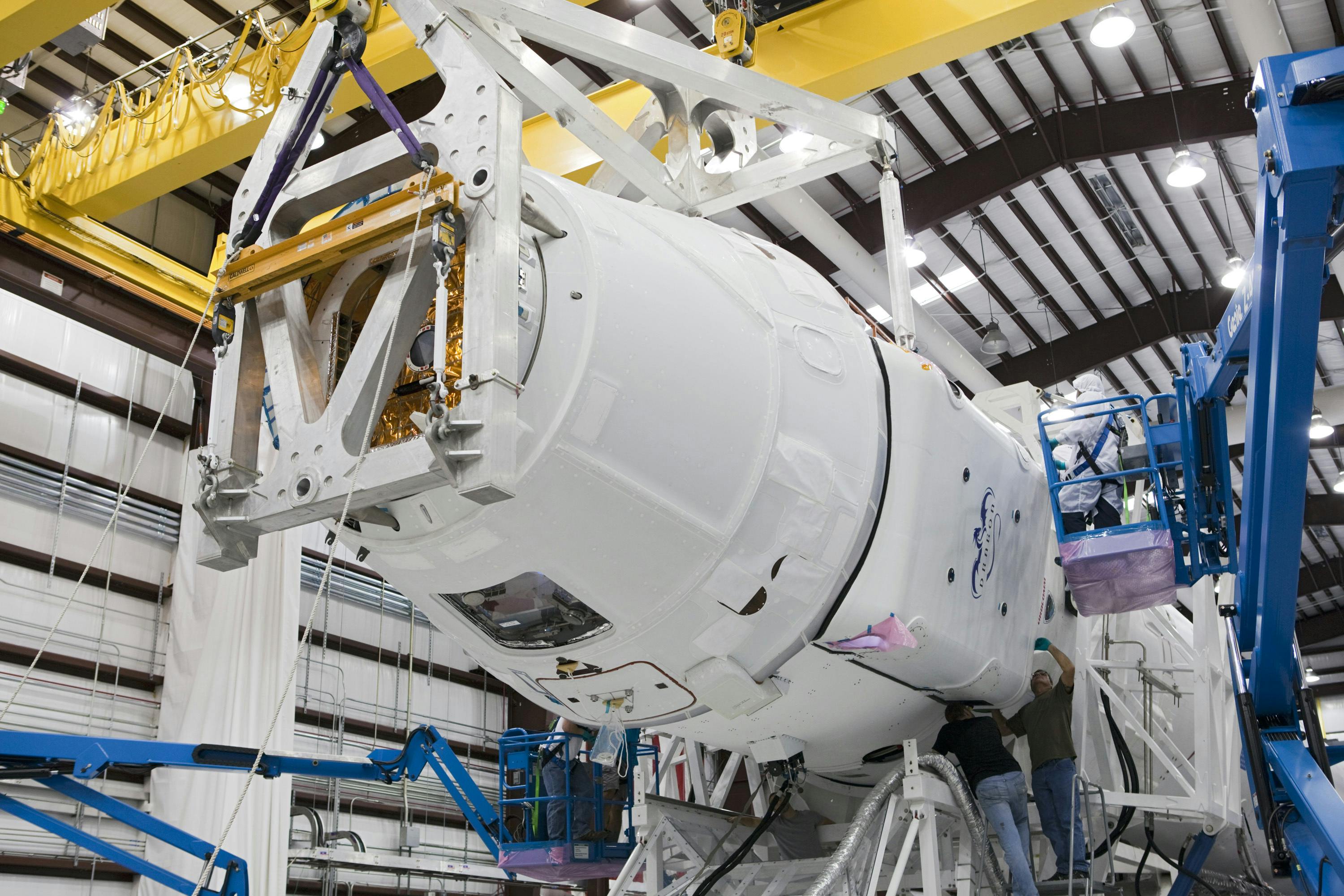
SpaceX hit 50 launches in 2026 on April 26. Falcon Heavy's ViaSat-3 mission, only its 12th flight, scrubbed on weather at Kennedy; new date pending.

Today's Space Brief covers significant satellite launches by SpaceX, an automated collision avoidance system development, Rocket Lab's strategic acquisition, and the rise of corporate-named satellites in orbit.

SpaceX's latest Starlink satellite launch boosts their constellation and Starship development progresses steadily.

Today's highlights include significant legal disputes in military satellite contracts, strategic investments in the defense space sector, and updates on major military budget developments impacting space capabilities.
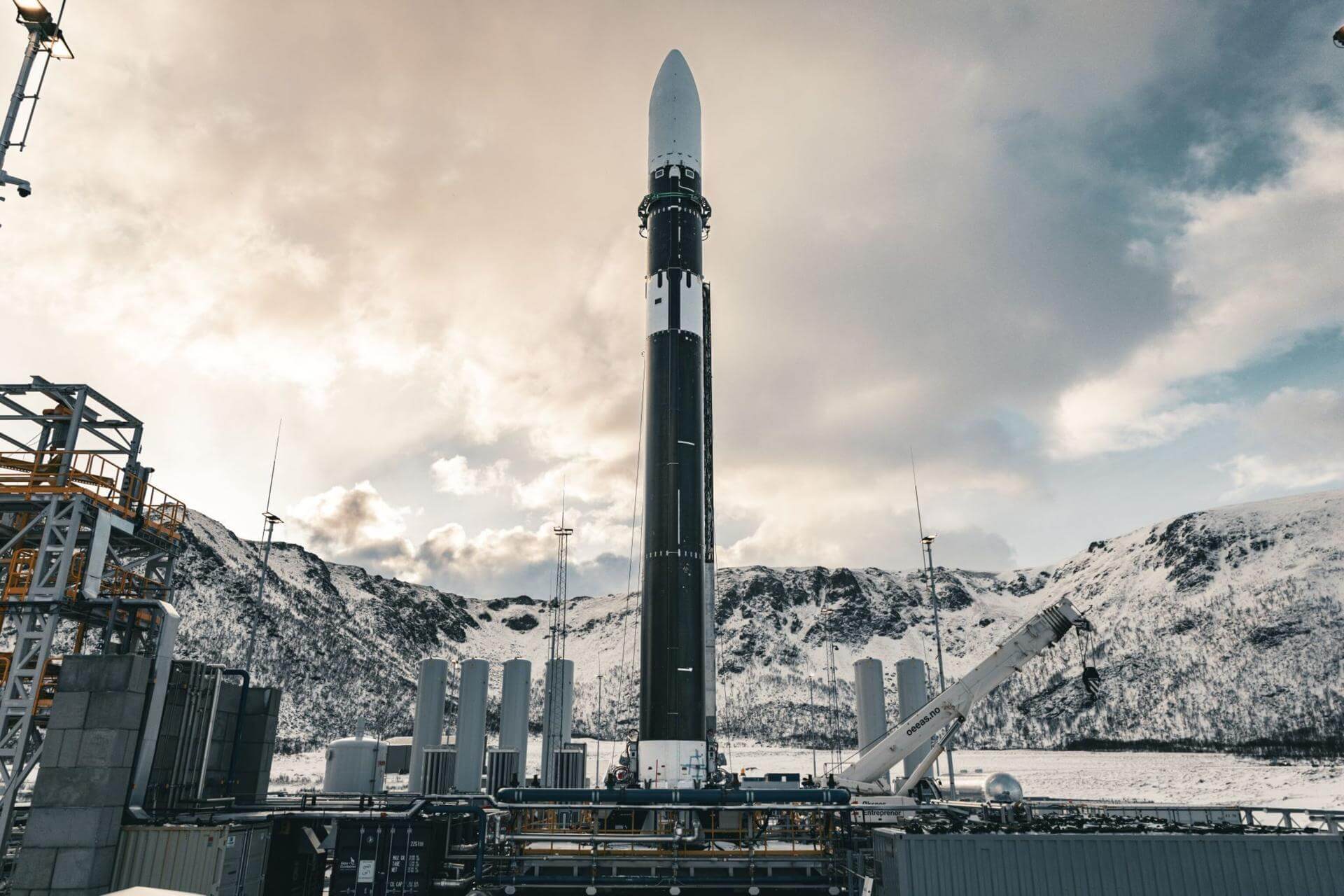
Exploring the future of space with concerns on space debris, rapid growth in orbital data centers, and new developments at launch sites.
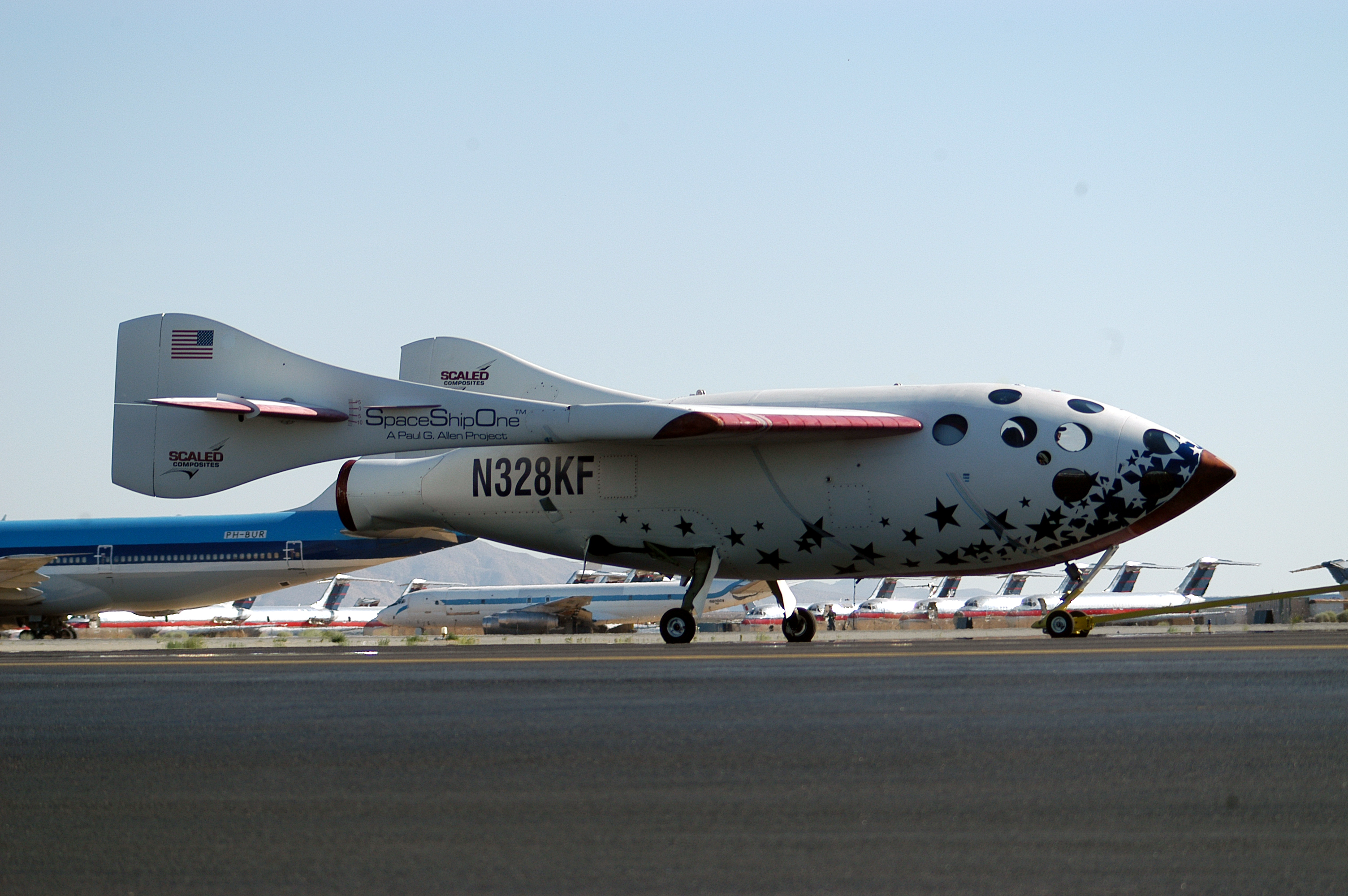
On 21 June 2004, a 63-year-old test pilot rode a homebuilt rocket plane to 100,124 meters above the Mojave Desert, clearing the edge of space by about the length of a city block. He came down the first private astronaut in history, holding a sign that read 'SpaceShipOne, GovernmentZero.'