



Space Brief 17 Jan 2025
Today's brief covers developments involving Space Force officials, Sierra Space's satellite milestone, and Voyager Space's rebranding for national security focus. Additionally, we spotlight the Cosmos 447 satellite.


Launch Date
December 27, 2014
Launch Site
Launch Pad
LC200/39
Launch Vehicle
Proton-M/Briz-M
NORAD ID
40364
International Designator
2014-089A
Epoch
Sat, 04 Jul 2026 05:28:02 GMT
Apogee
Calculating...
Perigee
Calculating...
Inclination
0.05°
Right Ascension
355.23°
Eccentricity
Calculating...
Argument of Perigee
78.81°
Period
1436.11 min
Mean Motion
1.00 rev/day
Latitude
Calculating...
Longitude
Calculating...
Altitude
Calculating...
Velocity
Calculating...
Name
ASTRA 2G
Alternative Name
Astra 2G
Type
Status
Owner
SESSA
Country
Luxembourg
Constellation
N/A
Related Satellites
Major Events
N/A
1 40364U 14089A 26185.22780404 .00000162 00000-0 00000-0 0 9997
2 40364 0.0456 355.2308 0004856 78.8100 318.4089 1.00270751 42133
Source: Celestrak
Length
6.8
Diameter
2.8
Span
39.8
Dry Mass
3000
Launch Mass
6002
Shape
Box + 2 panels
Radar Cross Section
0.003
Visual Magnitude
Unknown
Color
Unknown
Material Composition
Unknown
Payload
Astra 2G
Purpose
Communication (Direct Broadcasting)
Mission
Communication (Direct Broadcasting)
Manufacturer
ADST
Life Expectancy
15 years
Bus
Eurostar 3000
Configuration
Eurostar-3000
Motor
R-4D
Equipment
60 Ku- and 3 Ka-band transponders (#2E, #2F); 62 Ku- and 4 Ka-band transponders (#2G)
Power System
2 deployable solar arrays, batteries
ADCS
Unknown
Transmitter Frequency
Unknown
Learn more about satellites and other related topics.
Today's brief covers developments involving Space Force officials, Sierra Space's satellite milestone, and Voyager Space's rebranding for national security focus. Additionally, we spotlight the Cosmos 447 satellite.
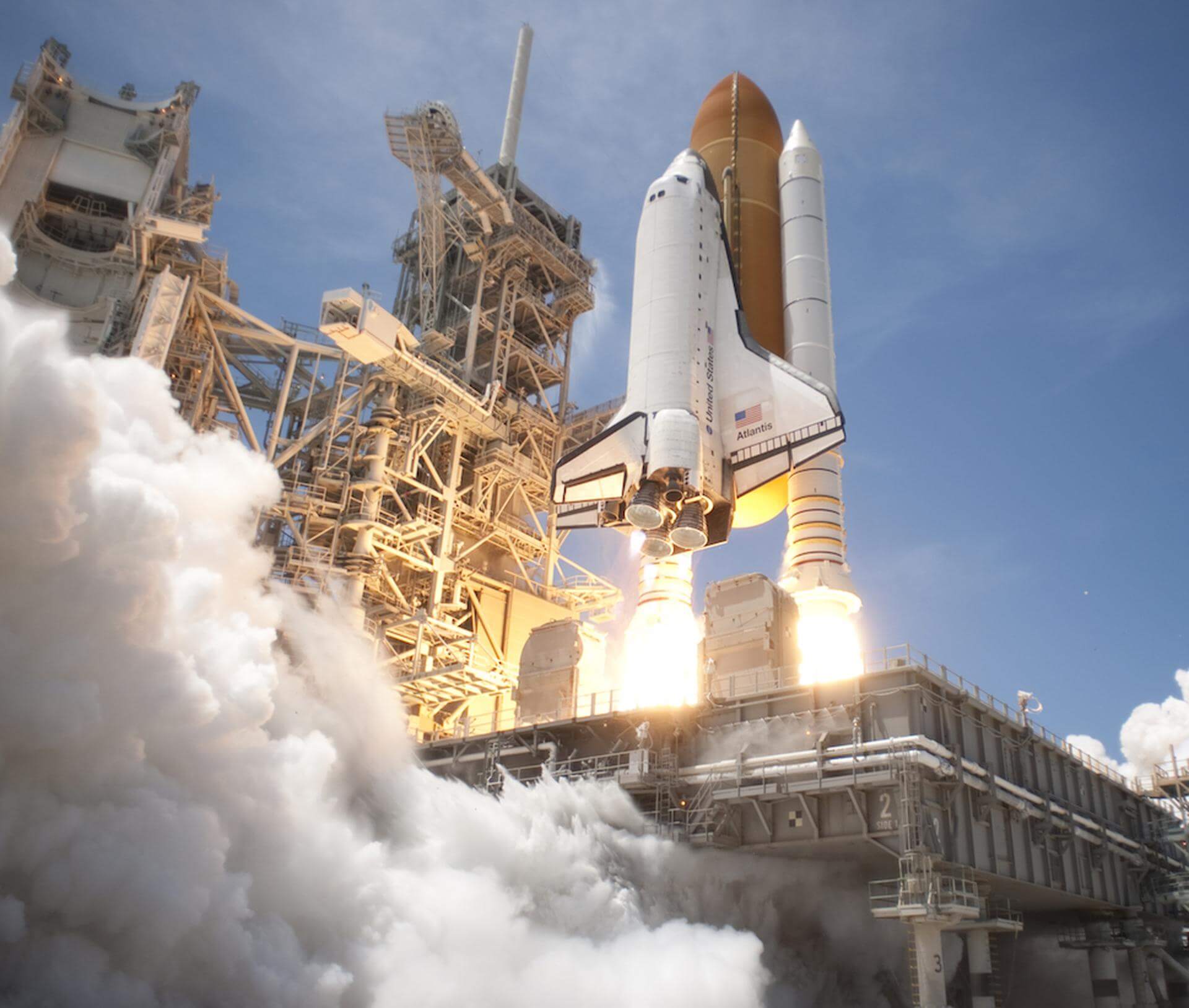
Boeing CST-100 Starliner faces up to one year delay before return-to-flight. NASA safety panel cites unresolved technical problems since mid-2024 crewed test.
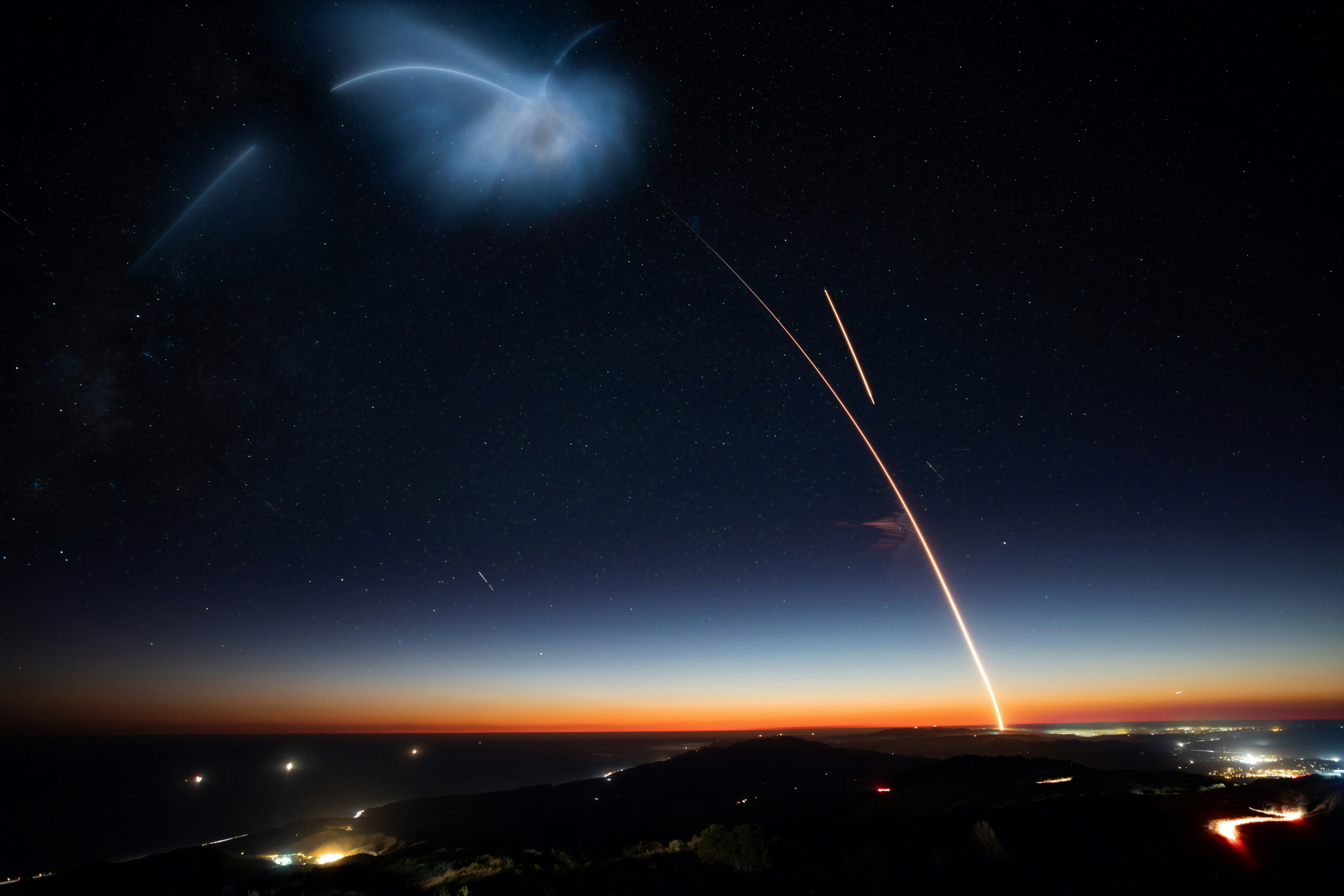
In a landmark achievement, SpaceX celebrated its 500th Falcon 9 launch by deploying 27 Starlink satellites while simultaneously advancing its reuse strategy with record-breaking milestones.
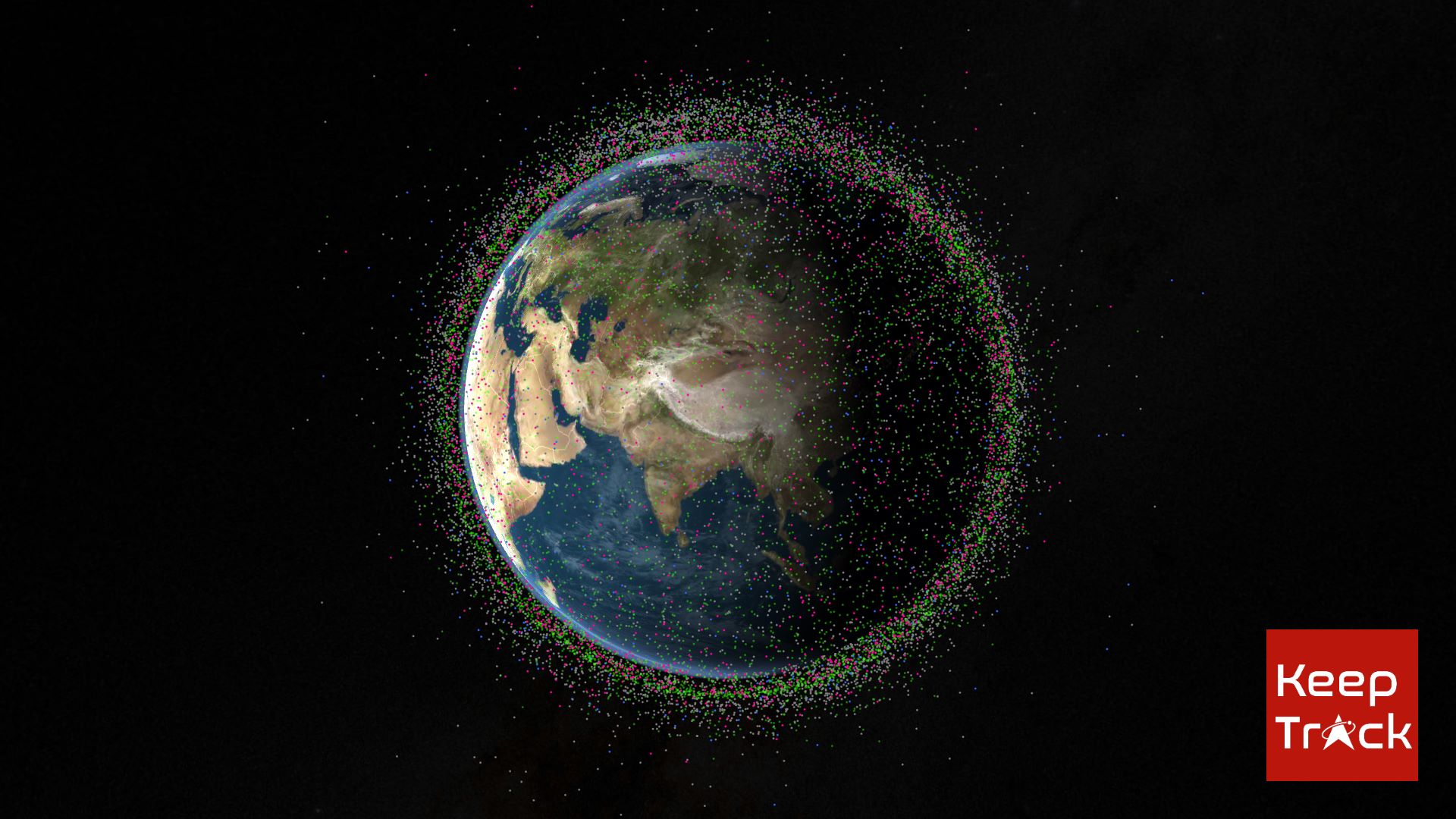
The bustling downtown of space: where most satellites operate, communication networks bloom, and the challenges of atmospheric drag and radiation shape our approach to space operations

Today's highlights include the ongoing Crew-11 mission launch and Starship preparations for its upcoming test flight.
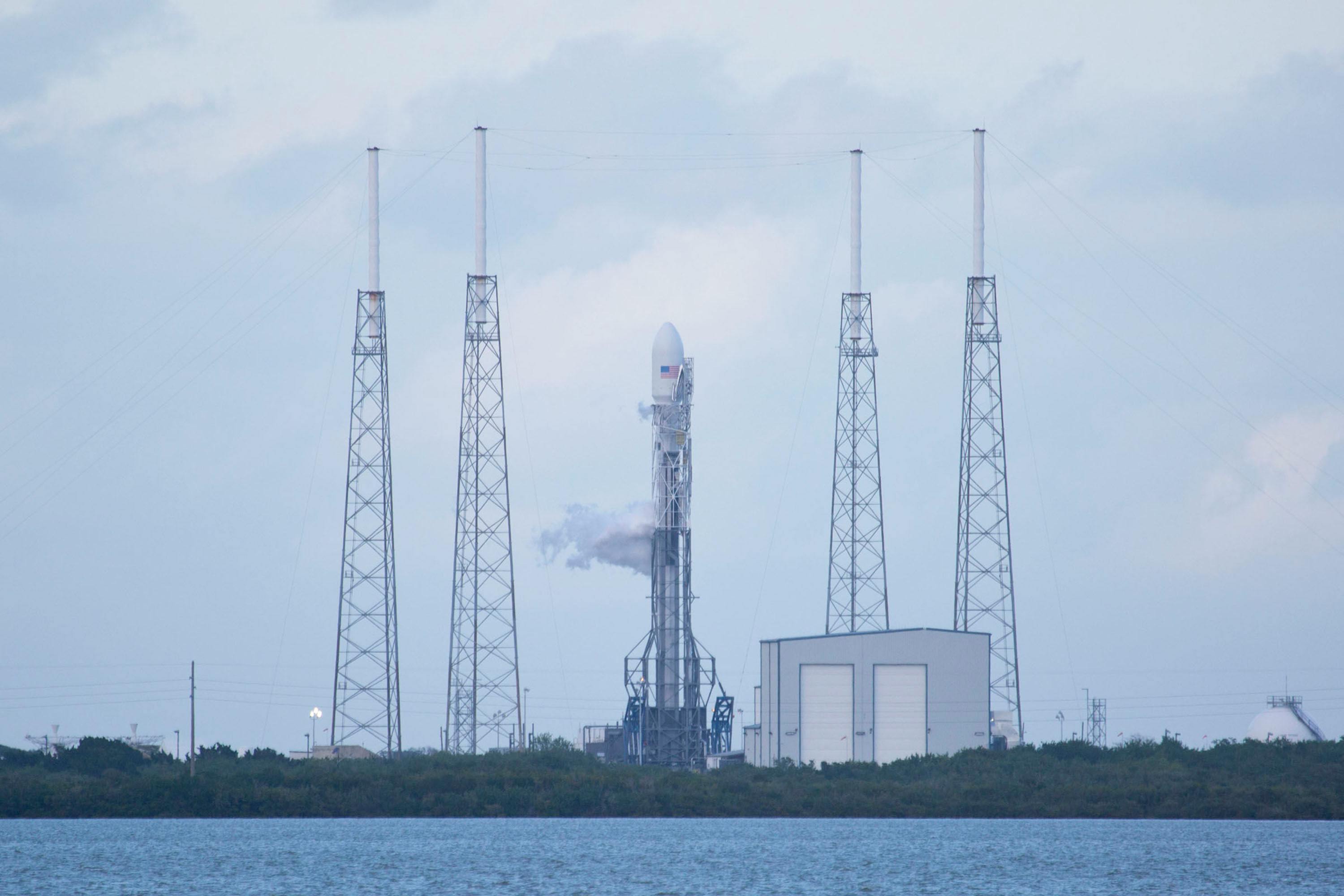
SpaceX prepares to launch 27 Starlink satellites in its first mission since the recent Starship explosion, while the FAA investigates debris reports from the failed test flight.
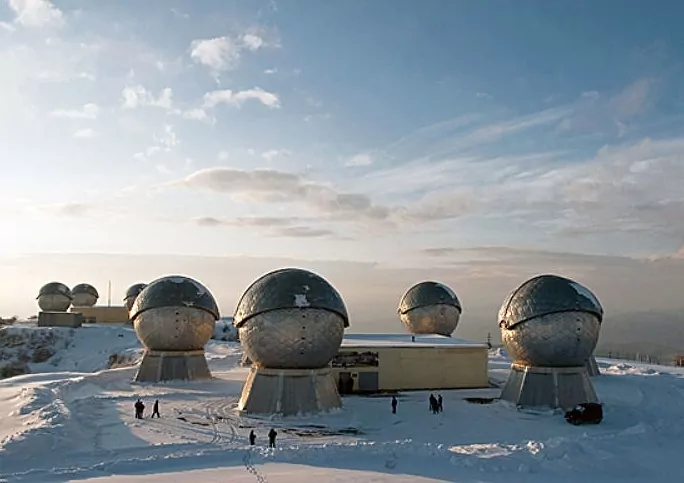
An analysis of Russia's independent space tracking system and how it compares to the established U.S. Space Surveillance Network

SpaceX made significant strides with the launch of 28 Starlink satellites while navigating regulatory challenges regarding rural broadband funding. Additionally, developments on the Crew Dragon mission continue to evolve with a change in cosmonaut assignment.