


Space Brief 10 Nov 2024
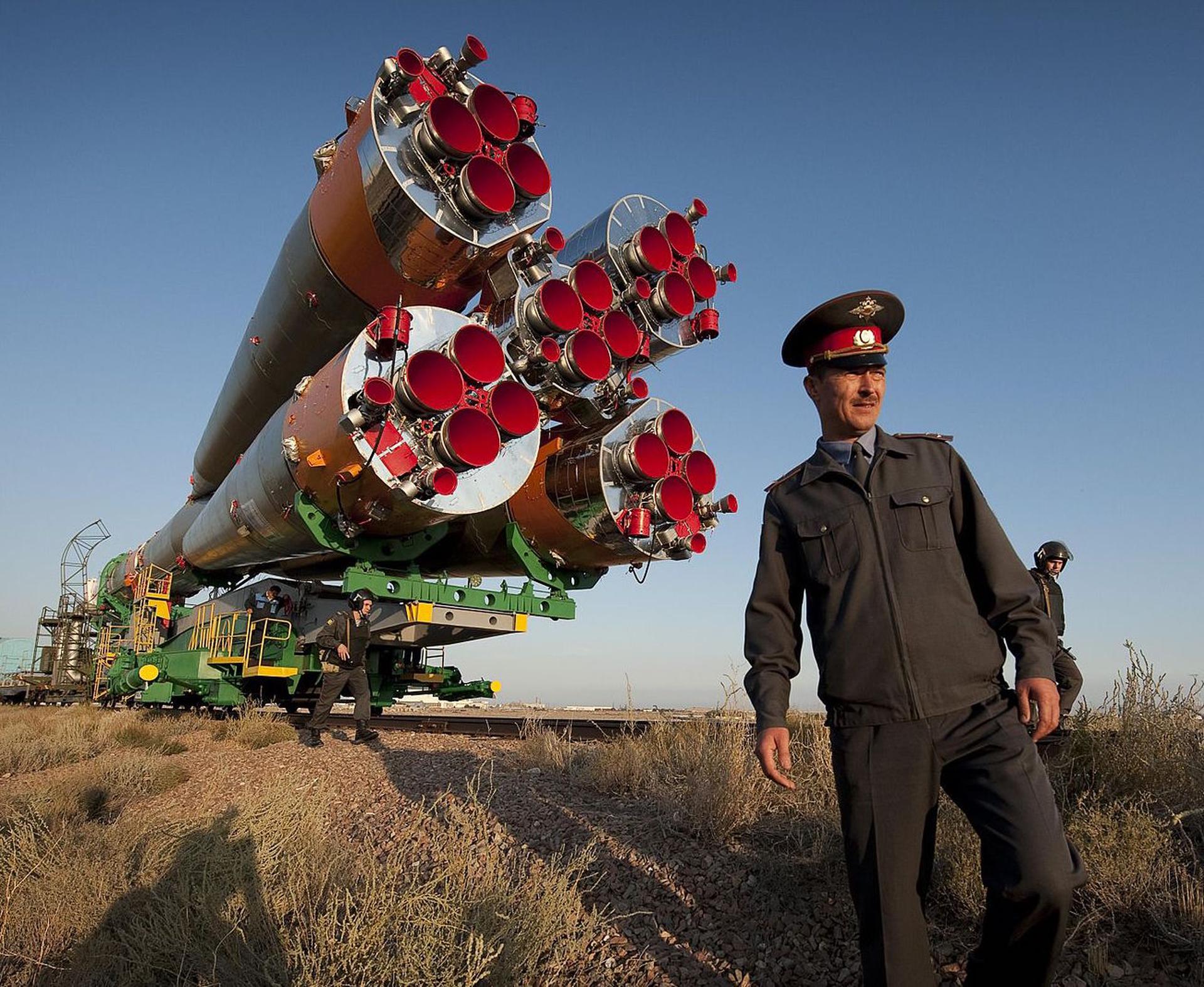
Long March 2C launches four PIESAT-2 radar satellites, Gilmour Space secures Australia's first orbital launch permit, NASA extends ISS cargo contracts through 2030, ESA and Arianespace face industry crossroads.


Launch Date
July 10, 2014
Launch Site
FRGUI
Launch Pad
ELS
Launch Vehicle
Soyuz-ST-B
NORAD ID
40080
International Designator
2014-038B
Epoch
Sat, 04 Jul 2026 01:01:23 GMT
Apogee
Calculating...
Perigee
Calculating...
Inclination
0.05°
Right Ascension
344.22°
Eccentricity
Calculating...
Argument of Perigee
88.87°
Period
287.93 min
Mean Motion
5.00 rev/day
Latitude
Calculating...
Longitude
Calculating...
Altitude
Calculating...
Velocity
Calculating...
Name
O3B FM7
Alternative Name
O3b FM7
Type
Status
Owner
O3B
Country
United Kingdom
Constellation
N/A
Related Satellites
Major Events
N/A
1 40080U 14038B 26185.04263523 -.00000013 00000-0 00000-0 0 9990
2 40080 0.0458 344.2227 0003691 88.8664 286.9509 5.00115680218729
Source: Celestrak
Length
4
Diameter
2
Span
12
Dry Mass
500
Launch Mass
700
Shape
Box trap+2 pan
Radar Cross Section
1.4019
Visual Magnitude
Unknown
Color
Unknown
Material Composition
Unknown
Payload
O3b 7
Purpose
Communication
Mission
Communication
Manufacturer
THALR
Life Expectancy
10 years
Bus
Prisma
Configuration
ELiTeBus-1000
Motor
LS-400 AOCS
Equipment
12 Ka-Band transponders
Power System
2 deployable solar arrays, batteries
ADCS
Unknown
Transmitter Frequency
Unknown
Learn more about satellites and other related topics.
Long March 2C launches four PIESAT-2 radar satellites, Gilmour Space secures Australia's first orbital launch permit, NASA extends ISS cargo contracts through 2030, ESA and Arianespace face industry crossroads.
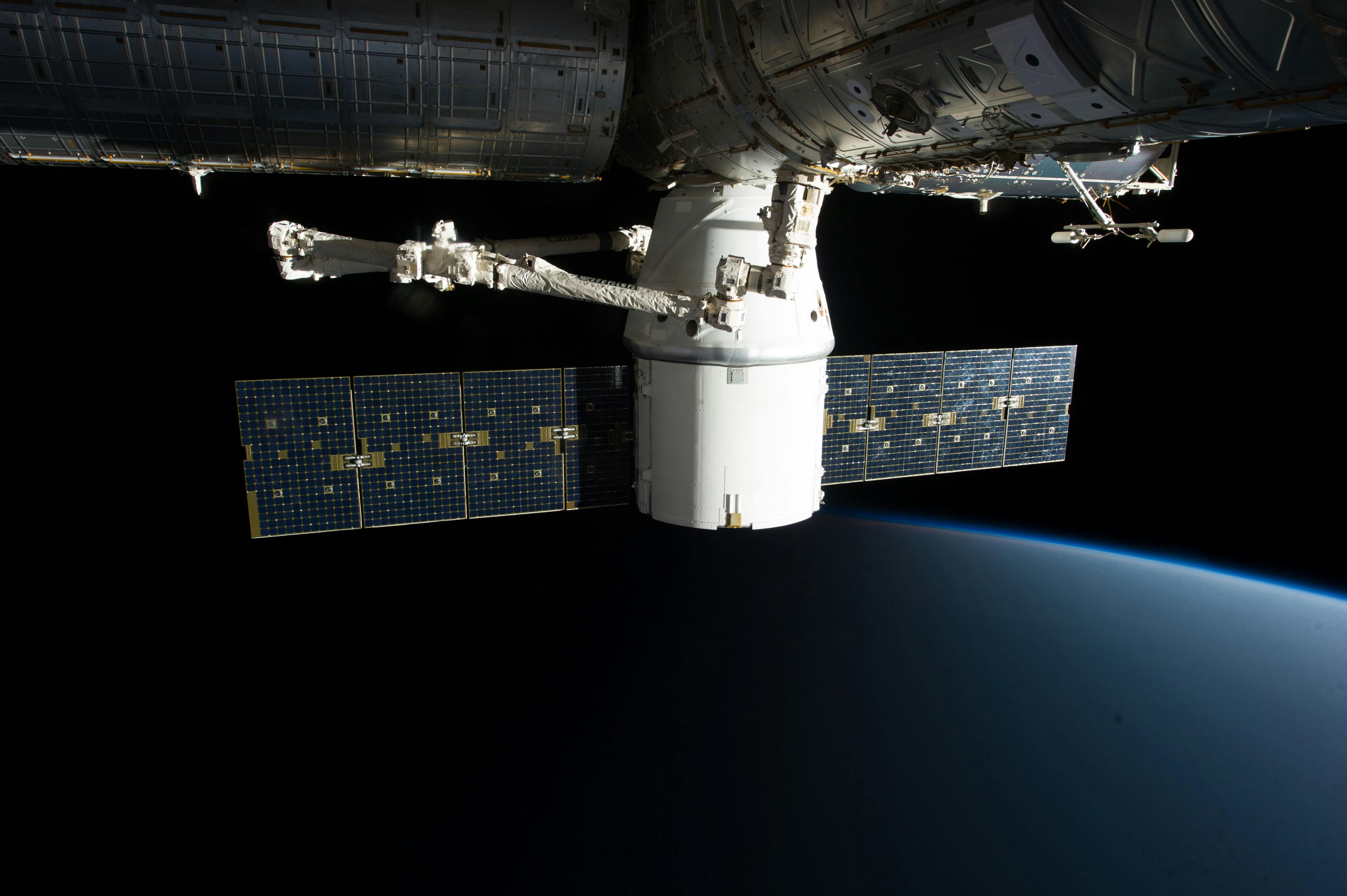
SpaceX and NASA swap Crew Dragon for Crew-10 mission; exciting 'space jellyfish' phenomena from recent launch.

Discover the latest innovations from Rocket Lab, new developments in hypersonic flight, and significant advances in satellite technology with BlackSky. Gain insights into the Space Force's mission and MIT physicists' breakthroughs in observing atoms.
Today's Space Brief highlights a SpaceX launch of Starlink satellites, international efforts to tackle space debris, and innovative lunar power solutions from China.

SpaceX Starlink launch cadence 2026: missions 26 and 27 lift off 37 minutes apart on March 13, with 25 and 29 satellites per Falcon 9, 54 in one morning.
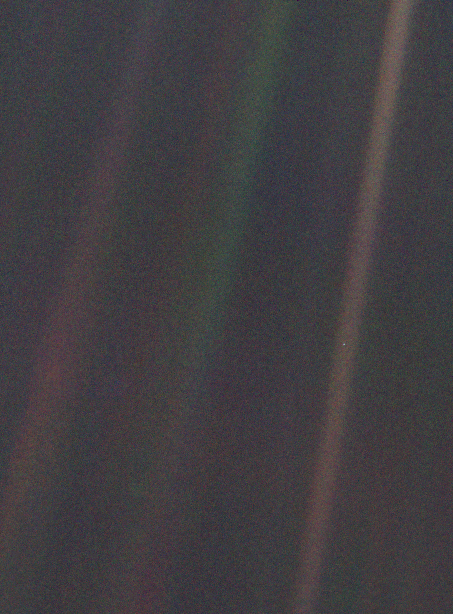
Thirty-five years ago, Voyager 1 captured a revolutionary series of images from the edge of our solar system, forever changing how humanity sees its place in the cosmos
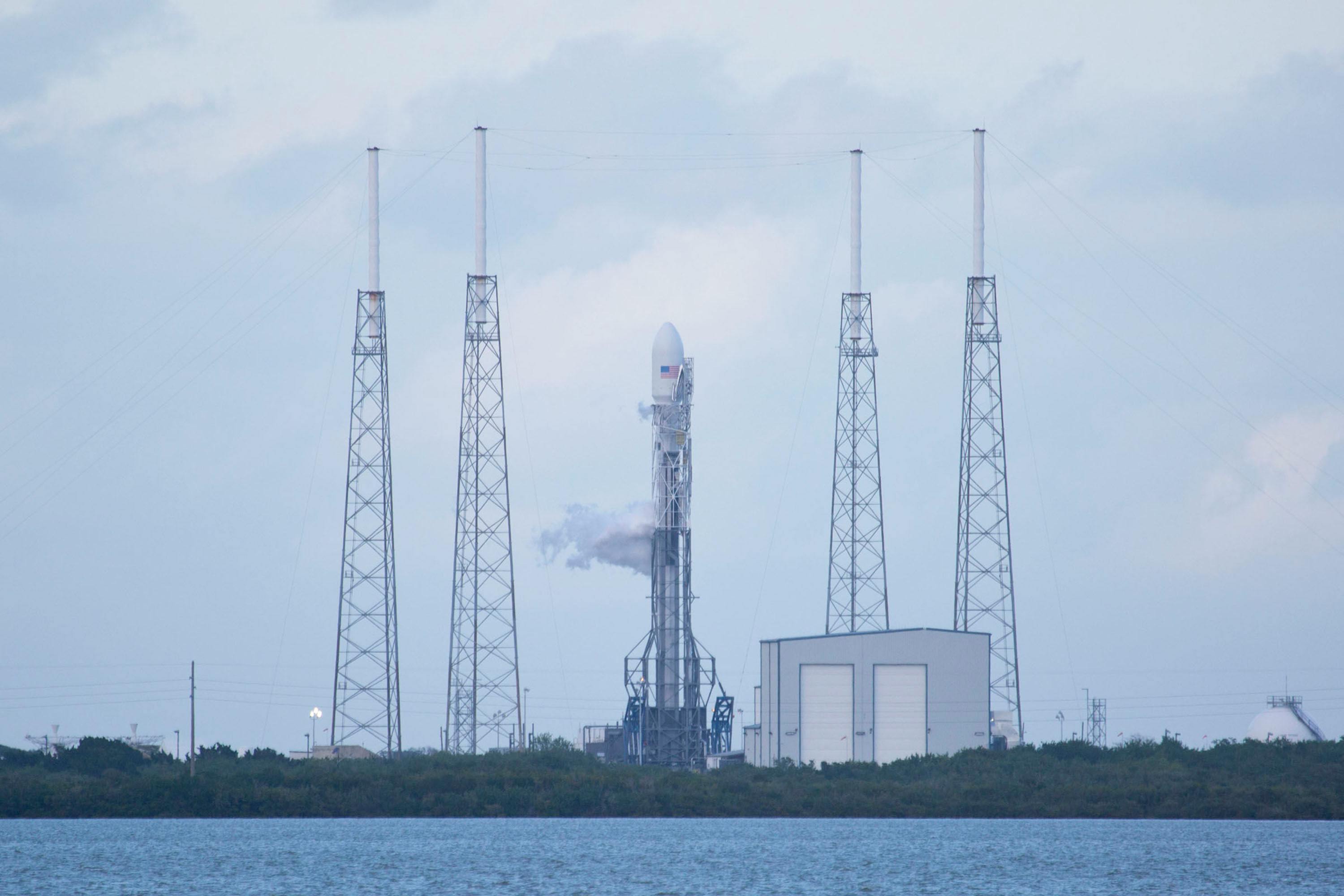
SpaceX achieves its 450th Falcon 9 launch, setting a new turnaround record, while its competitor ULA remains grounded, awaiting clearance from the Space Force.

For nearly two decades, the U.S. Air Force and Space Force have been the world's unofficial civilian space traffic control system. The Department of Commerce's Traffic Coordination System for Space (TraCSS) is now taking over that job for commercial satellite operators - in stages, against persistent congressional pressure to kill the program, and with Department of Defense advocates pushing to make it happen before it is too late.