

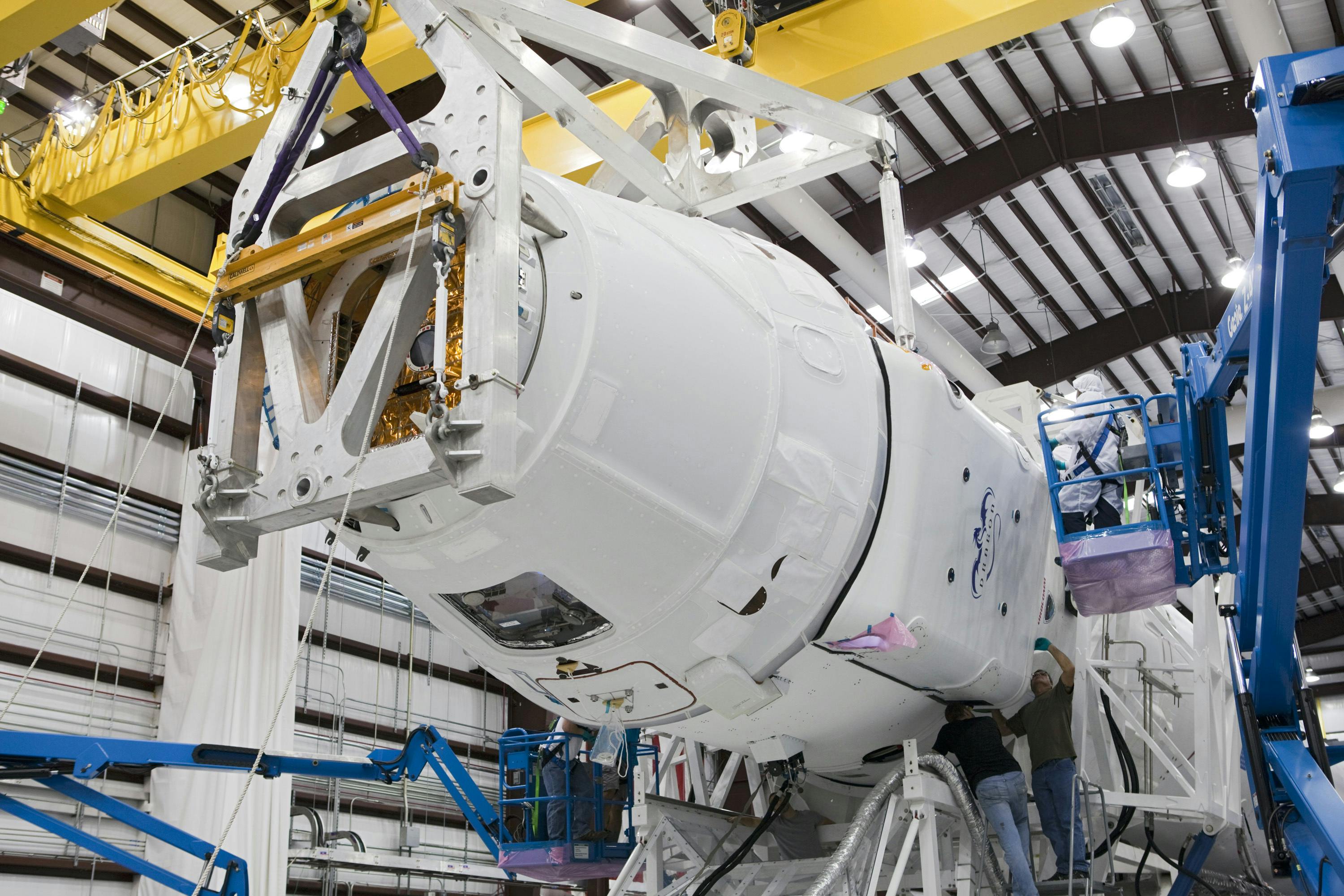
X Report 25 Feb 2025
SpaceX has completed the investigation into Starship Flight 7, announcing causes ahead of the next planned launch, while numerous missions are lined up for launch this week.


Launch Date
June 19, 2014
Launch Site
DLS
Launch Pad
Sh370/13
Launch Vehicle
Dnepr
NORAD ID
40036
International Designator
2014-033AC
Decay Date
3/14/2025
Name
FLOCK 1C-6
Alternative Name
Flock 1c-6
Type
Status
Owner
PLABS
Country
United States
Constellation
N/A
Related Satellites
Major Events
N/A
Length
0.3
Diameter
0.1
Span
0.3
Dry Mass
4.25
Launch Mass
4.25
Shape
Box+2 pan
Radar Cross Section
0.076
Visual Magnitude
Unknown
Color
Unknown
Material Composition
Unknown
Payload
Dove 0908
Purpose
Technology
Mission
Technology
Manufacturer
PLABS
Life Expectancy
~ 1 year (ISS orbit); 2-3 years (SSO)
Bus
Cubesat 3U
Configuration
CubeSat (3U)
Motor
None (most); FEEP (#Flock-3p')
Equipment
PS0, PS1 or PS2 imaging payload
Power System
Solar cells, batteries
ADCS
Unknown
Transmitter Frequency
Unknown
Learn more about satellites and other related topics.
SpaceX has completed the investigation into Starship Flight 7, announcing causes ahead of the next planned launch, while numerous missions are lined up for launch this week.

Today's brief covers the U.S. Space Force's orbital carrier initiative, ULA Vulcan's approval for military launches, Rocket Lab's new contract with the Space Force, integrated data layers for military command, and advances in tactical surveillance.

Katalyst's Link spacecraft passes key testing milestone ahead of June 2026 launch to rescue NASA's $500M SPARCS telescope. In-space servicing mission will create trackable conjunction risk during approach and docking phase.
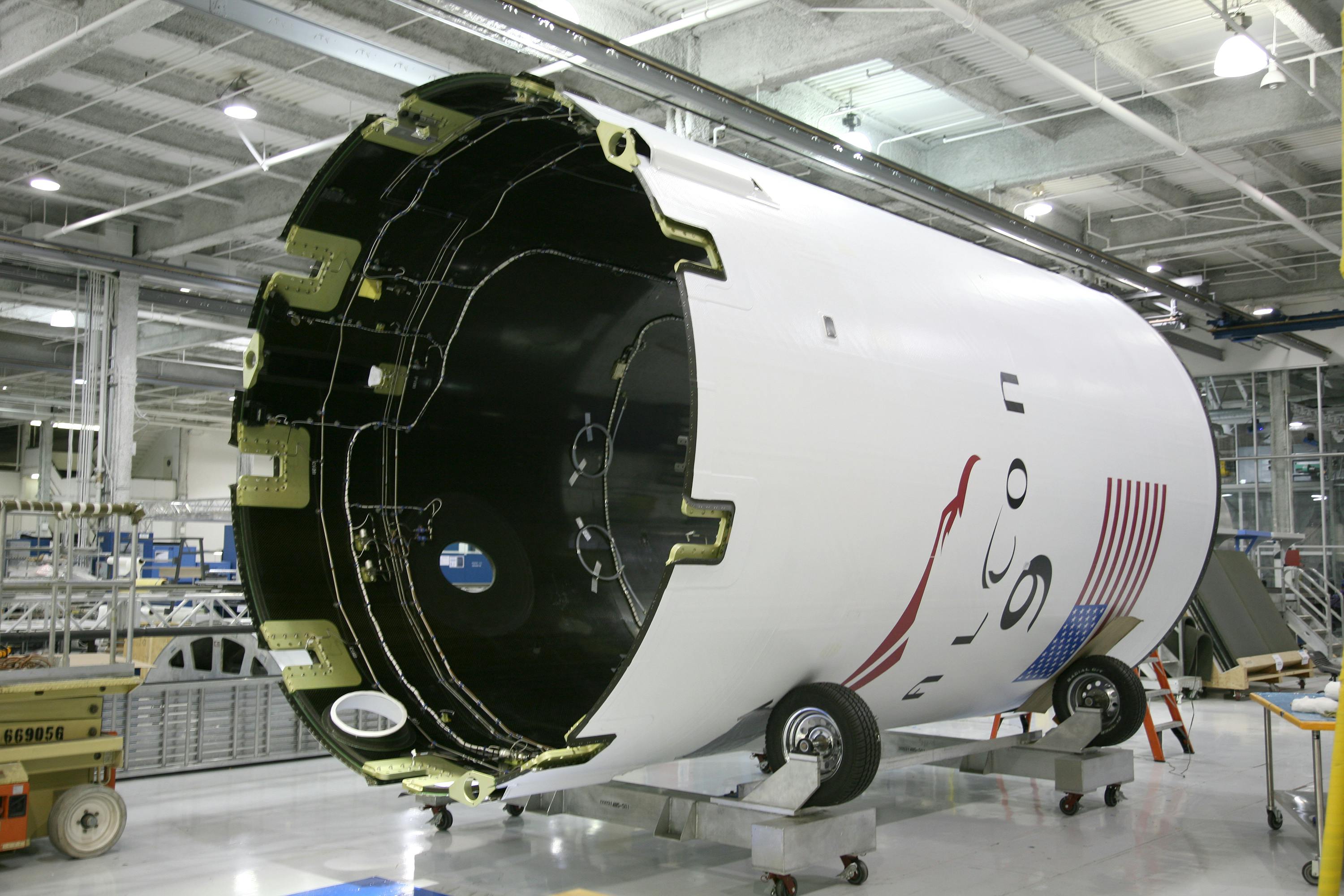
SpaceX stacks Super Heavy booster in preparation for Starship's 12th test flight. Three launches planned this week including ISRO rideshare mission. Musk shares AI and robotics predictions on podcast.

Today's brief covers the new Space Force operations doctrine, international defense collaborations by the UAE, and satellite tracking technology innovations.
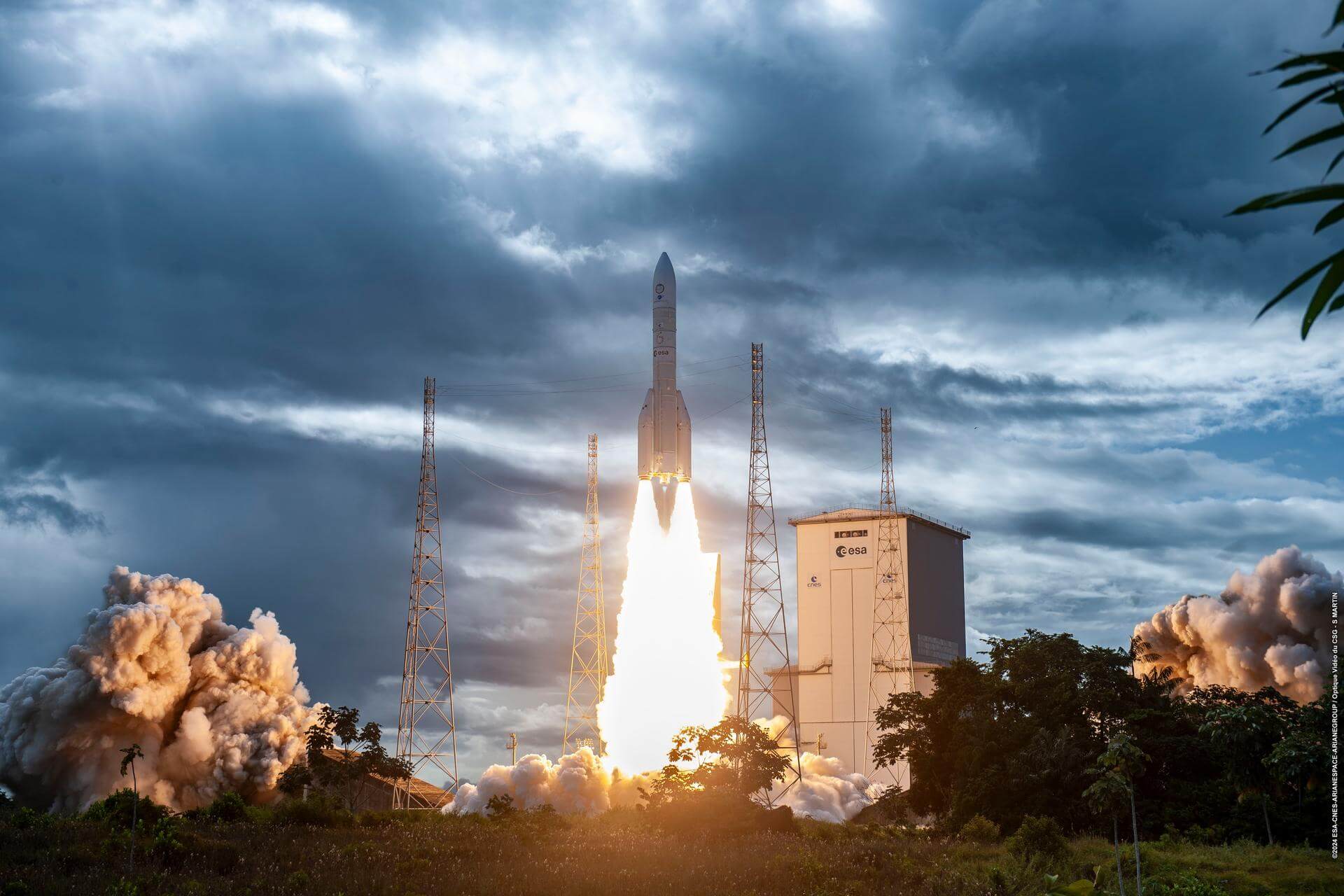
Today's Space Brief covers key developments including U.S. Space Force tech accelerator, SpaceX veterans' startup funding, ULA's expected dominance in national security missions, and new satellite activity.

SpaceX successfully launched 28 Starlink satellites while preparing for the upcoming Ax-4 mission to the ISS. Significant progress continues in their ongoing space endeavors.
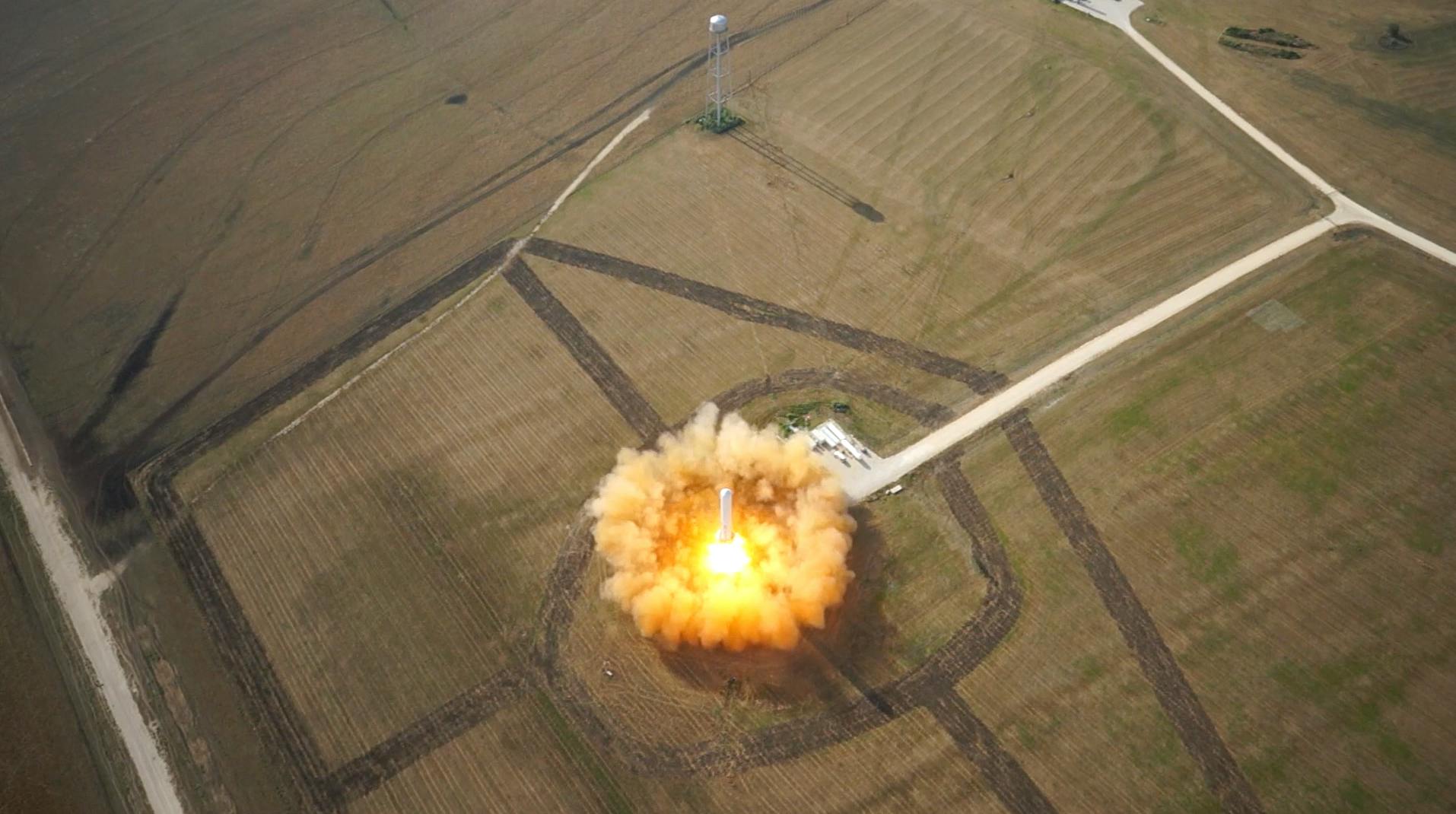
SpaceX surged 19% on Nasdaq debut as Falcon 9 B1093 deployed 24 Starlink satellites — the 1,500th launched in 2026 — while Dragon CRS-34 heads home.