


SpaceX Wins $57M Golden Dome Satellite Crosslink Deal | KeepTrack Space Brief
SpaceX secures $57 million military contract for Link-182 satellite crosslink demo supporting Golden Dome missile defense. Also joins software working group.


Launch Date
April 10, 2014
Launch Site
Launch Pad
SLC41
Launch Vehicle
Atlas V 541
NORAD ID
39652
International Designator
2014-020A
Decay Date
Unknown
Name
USA 250
Alternative Name
USA 250
Type
Status
Owner
NROC
Country
United States
Constellation
N/A
Related Satellites
Major Events
N/A
Length
7
Diameter
4
Span
30
Dry Mass
3000
Launch Mass
3850
Shape
Cyl + 2 Pan+ Dish
Radar Cross Section
Unknown
Visual Magnitude
Unknown
Color
Unknown
Material Composition
Unknown
Payload
SHARP 1
Purpose
SIGINT, ELINT, COMINT ?
Mission
SIGINT, ELINT, COMINT ?
Manufacturer
UNKUS
Life Expectancy
Unknown
Bus
New Orion
Configuration
Large Dish Antenna, 3-Axis-Stabilization
Motor
UNK
Equipment
?
Power System
Unknown
ADCS
Unknown
Transmitter Frequency
Unknown
Learn more about satellites and other related topics.
SpaceX secures $57 million military contract for Link-182 satellite crosslink demo supporting Golden Dome missile defense. Also joins software working group.

Landsat 7 launched on April 15, 1999, designed to last five years. It operated for twenty-five, survived a failure that destroyed a fifth of every image it took, and became part of the longest continuous record of Earth's surface ever assembled. Then they made the data free.
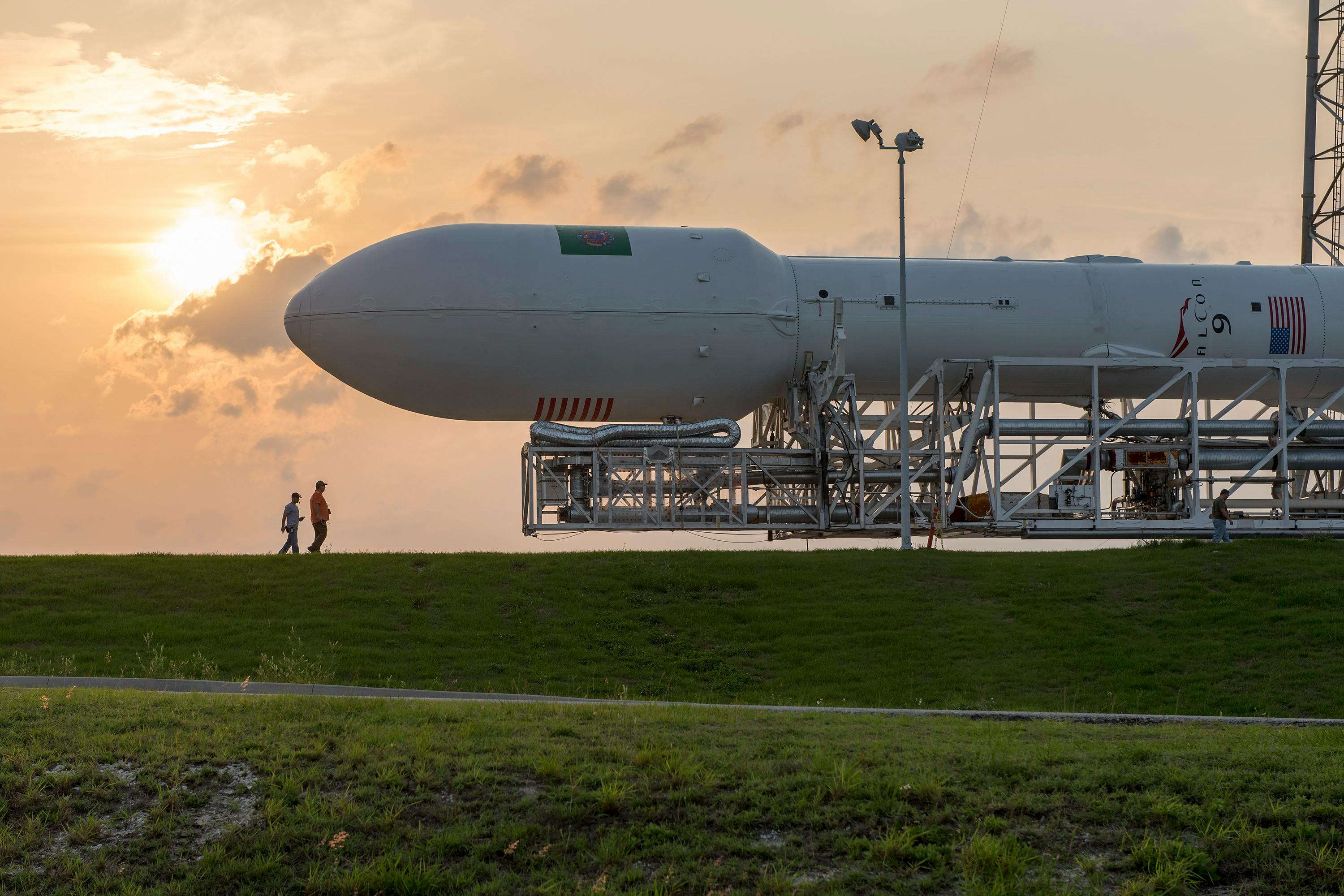
SpaceX debuted on Nasdaq as SPCX at $135/share, raising a record $75B and pushing Elon Musk's net worth past $1 trillion for the first time.
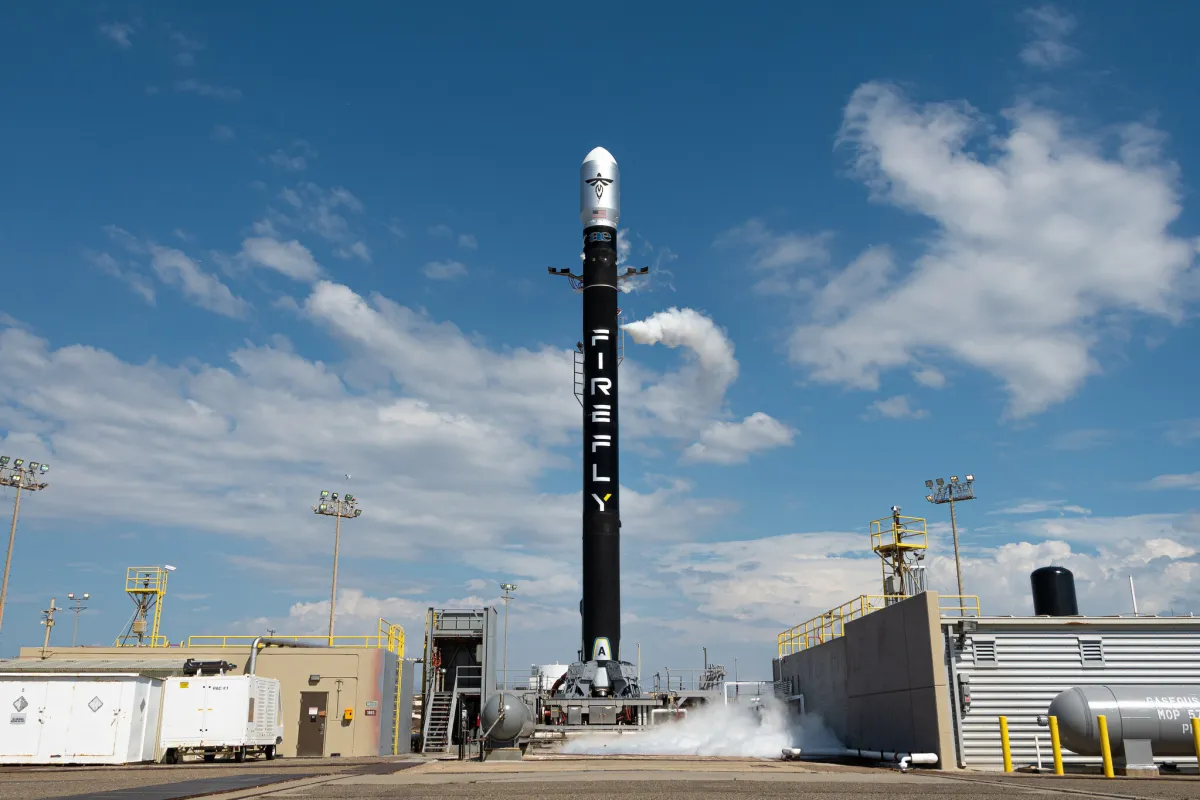
Explore exciting updates on satellite reentries impacting Earth's atmosphere, China's ambitious space exploration plans, and the latest advancements in the search for extraterrestrial life.

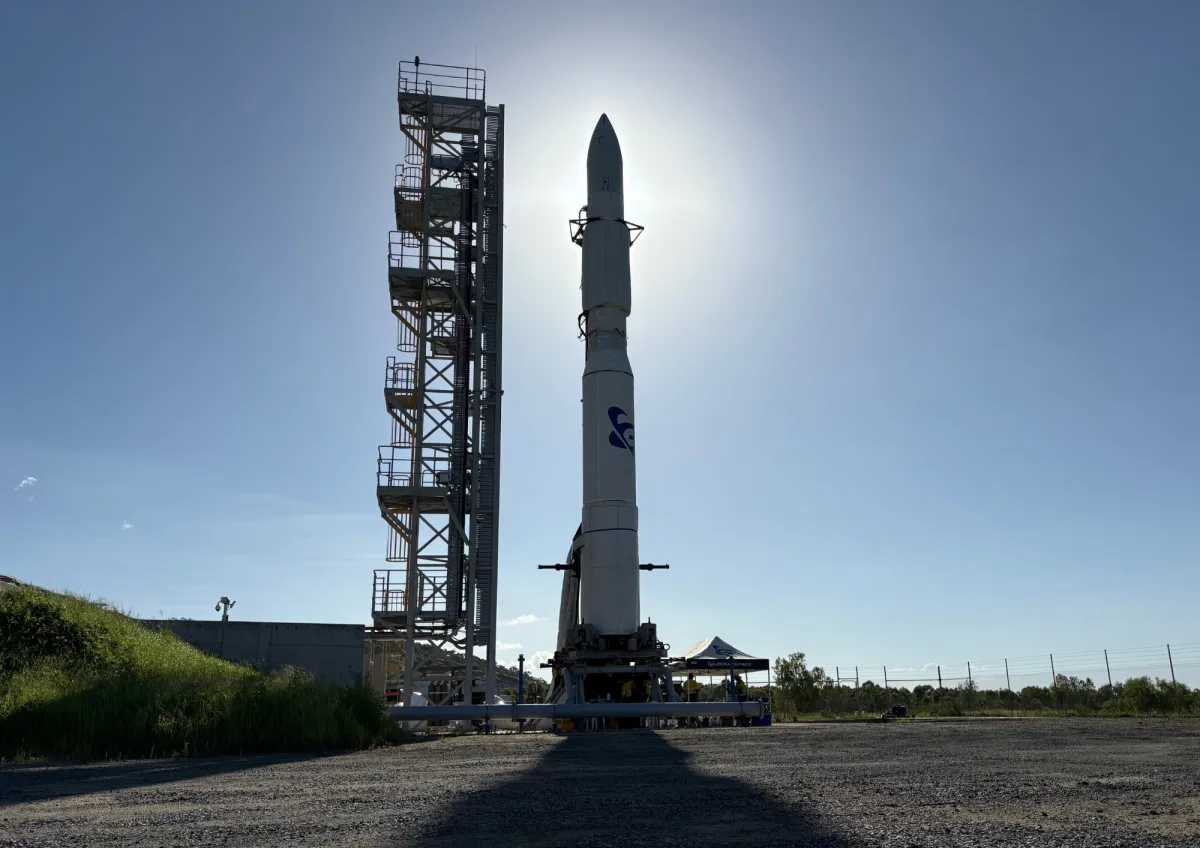
Today's briefing covers collaborations enhancing defense capabilities, new satellite technologies entering the market, and strategic shifts in military satellite applications.
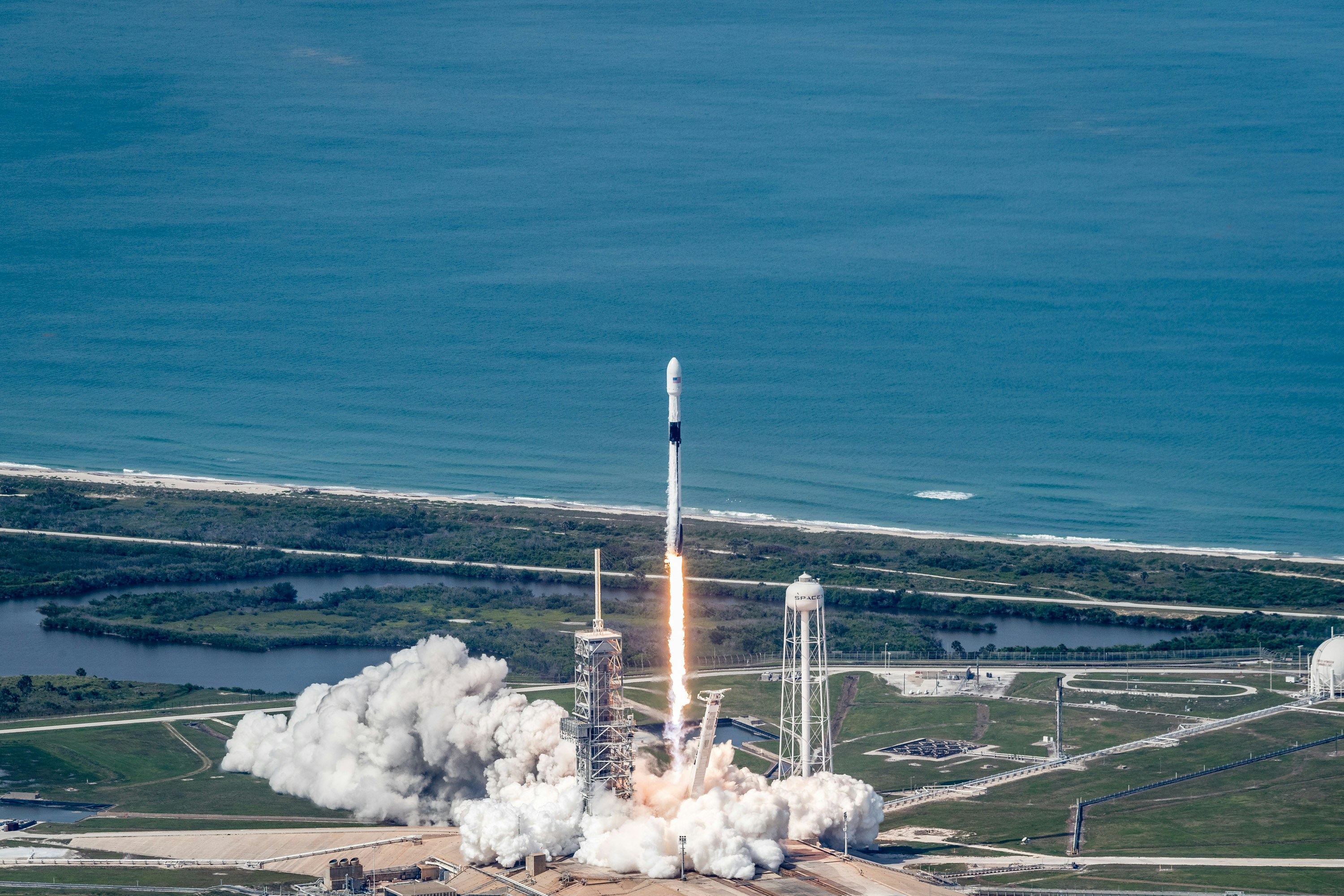
Today's briefing highlights SpaceX's recent launch of spy satellites, a US Space Force contract for deep space tracking, and advancements in quantum communications in space.
Starship receives FAA approval for its next test flight, while SpaceX prepares to launch more Starlink satellites amidst reaching 5 million subscribers.
SpaceX Starlink updates for 2026 open with Starlink 6-88: 29 satellites from Cape Canaveral on Jan 4, after a record 165-launch 2025.