


Understanding Earth's Orbits and Their Applications
Explore the dynamic realms of Earth's orbits, from LEO to GEO, unraveling the crucial roles they play in global communication, navigation, and surveillance.



Launch Date
August 6, 2012
Launch Site
Launch Pad
LC81/24
Launch Vehicle
Proton-M/Briz-M
NORAD ID
38968
International Designator
2012-044DB
Decay Date
4/30/2013
Name
BREEZE-M DEB
Alternative Name
deb Briz-M No. 99532
Type
Status
Owner
KHRR
Country
Russia
Constellation
N/A
Related Satellites
Major Events
N/A
Length
0
Diameter
0
Span
0
Dry Mass
0
Launch Mass
0
Shape
N/A
Radar Cross Section
0.0823
Visual Magnitude
Unknown
Color
Unknown
Material Composition
Unknown
Payload
Unknown
Purpose
Unknown
Mission
Unknown
Manufacturer
KHRR
Life Expectancy
Unknown
Bus
Briz
Configuration
Unknown
Motor
Unknown
Equipment
Unknown
Power System
Unknown
ADCS
Unknown
Transmitter Frequency
Unknown
Learn more about satellites and other related topics.
Explore the dynamic realms of Earth's orbits, from LEO to GEO, unraveling the crucial roles they play in global communication, navigation, and surveillance.
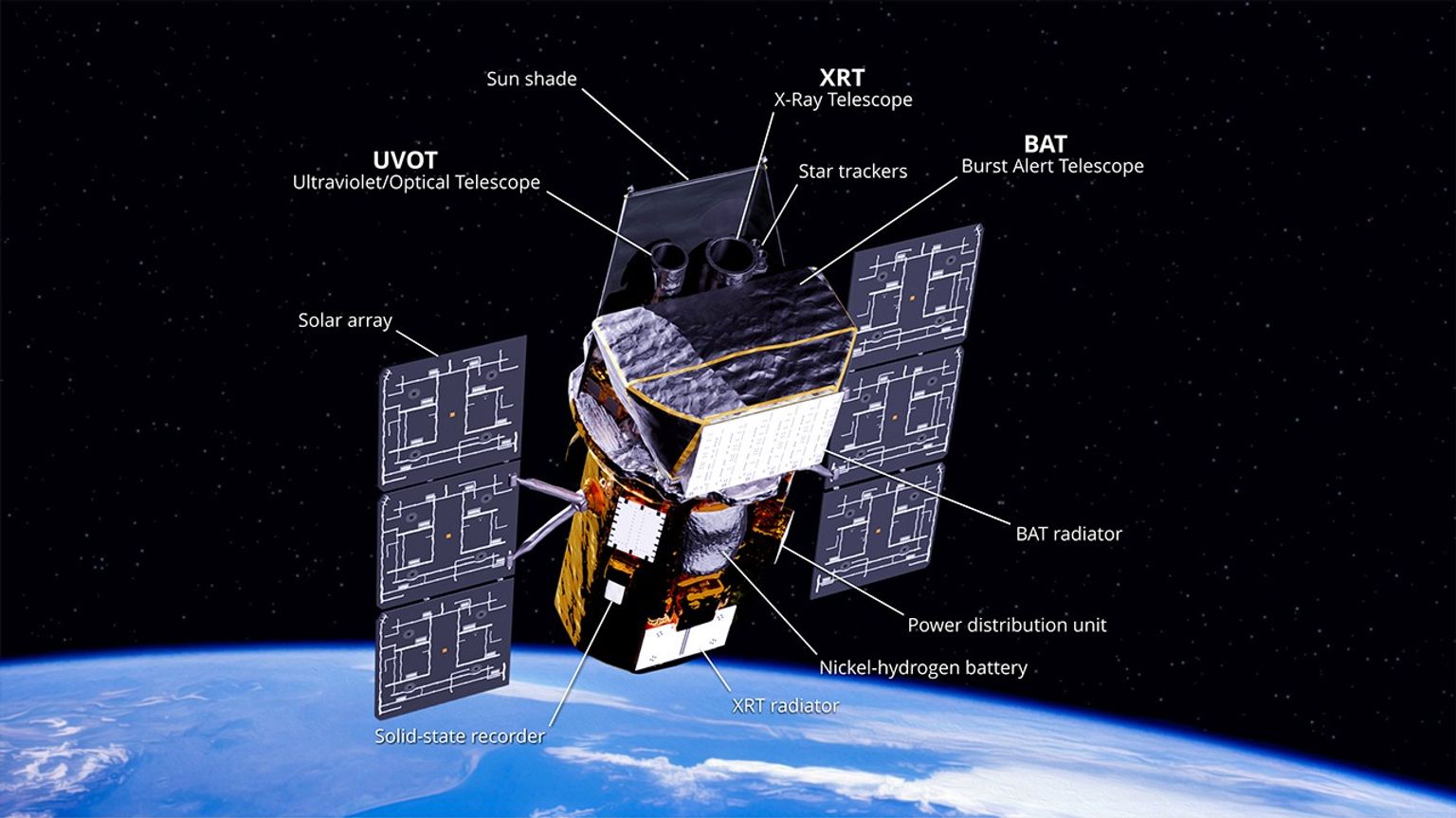
Designed for a two-year mission to catch gamma-ray bursts in the act, Swift is now 21 years old, slowly falling out of the sky, and the subject of an unprecedented private rescue mission. Nobody planned for it to be this hard to let go.

Space Force procures second Otter spacecraft for satellite repositioning. Momentus and NASA sign Space Act Agreement for orbital servicing tests. Pentagon delays contractor review.
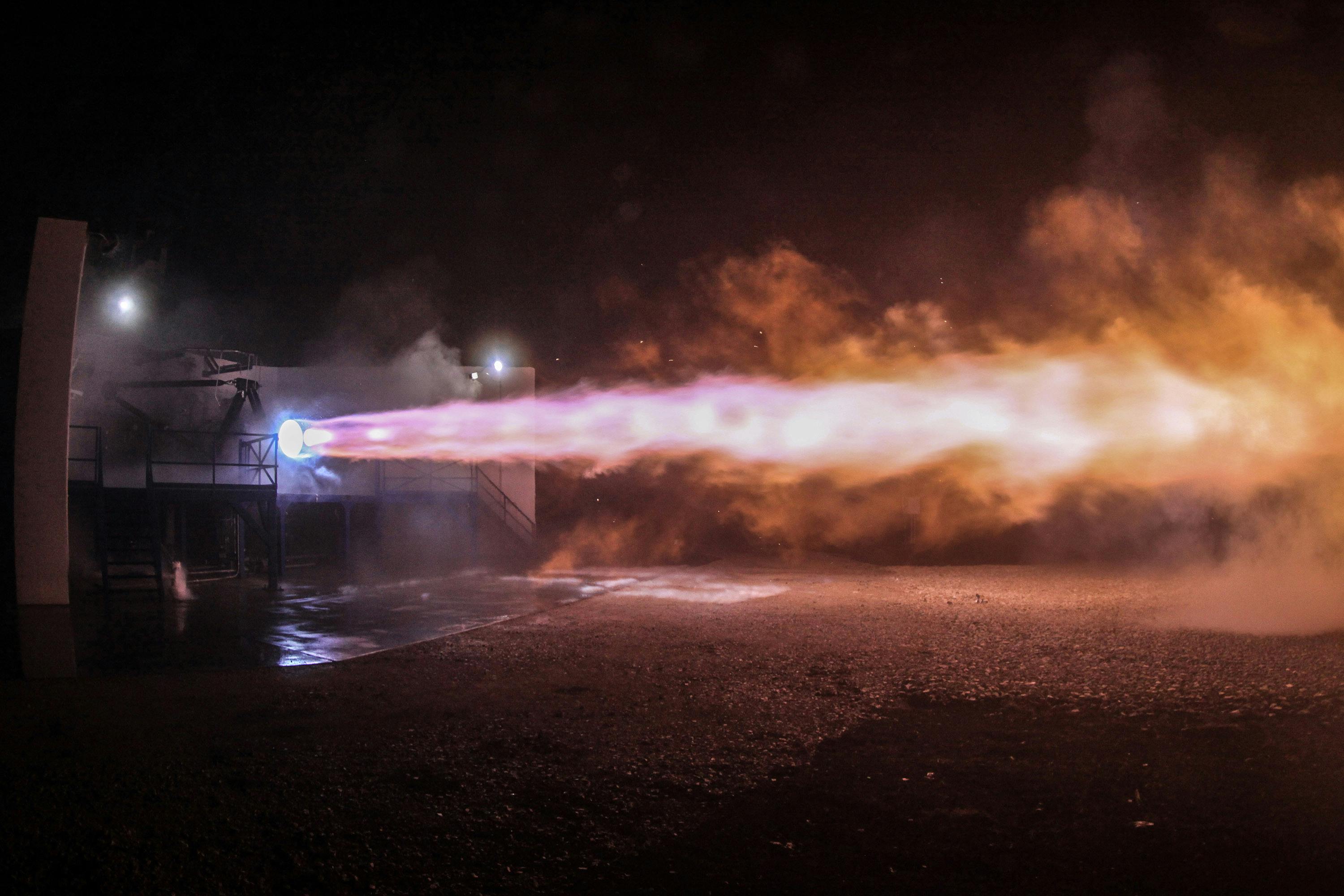
SpaceX's Crew-10 astronauts are set to return to Earth after a five-month mission, while the company prepares for the launch of 24 new Starlink satellites from Vandenberg Space Force Base.

Iran successfully struck U.S. aircraft in Saudi Arabia despite maxed-out defensive posture. Space Force ISR and missile warning gaps exposed. Tracking impacts.
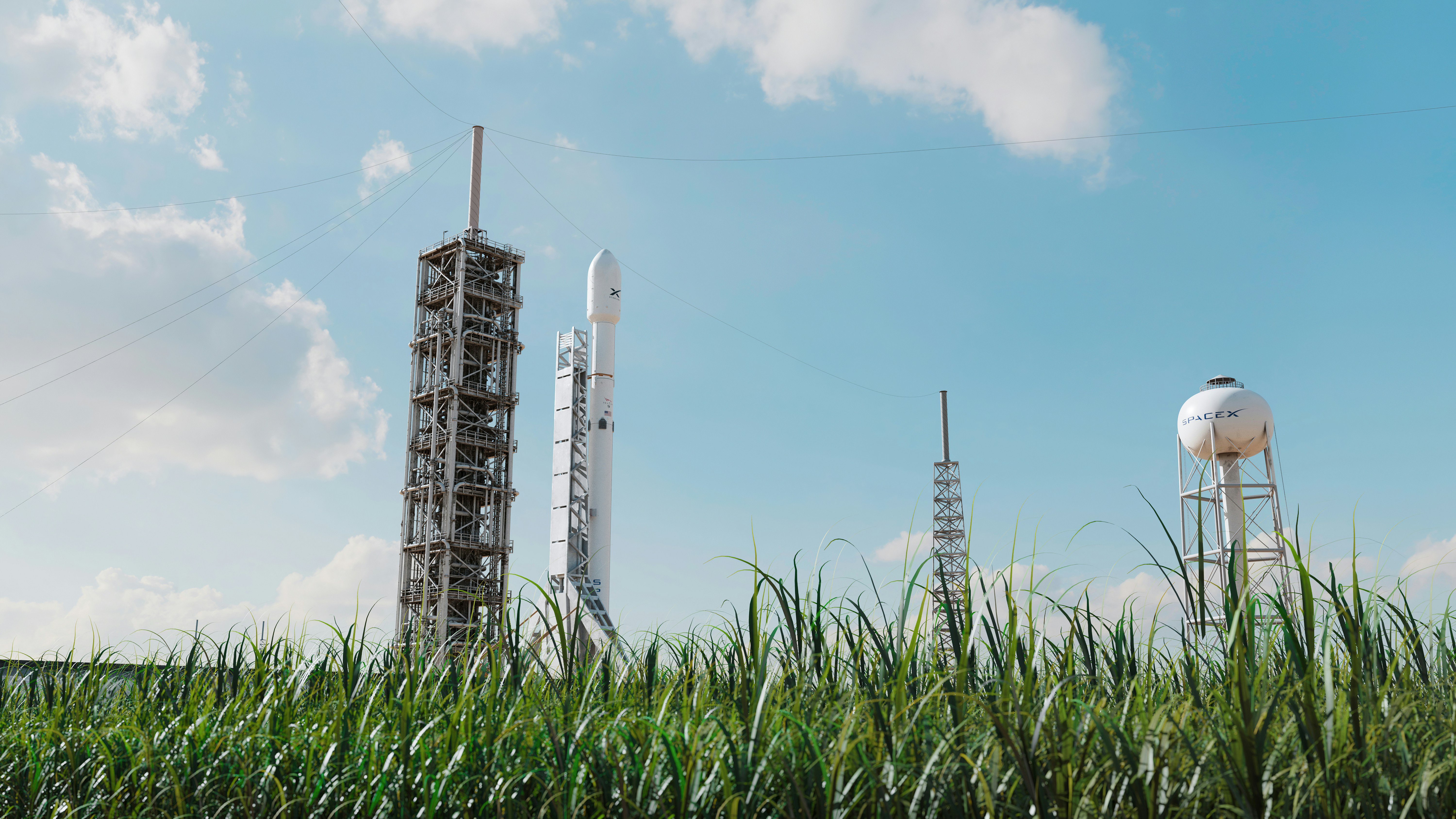
SpaceX successfully launched 27 Starlink satellites while facing new competition for its satellite programs, including potential alternatives for the Space Force.
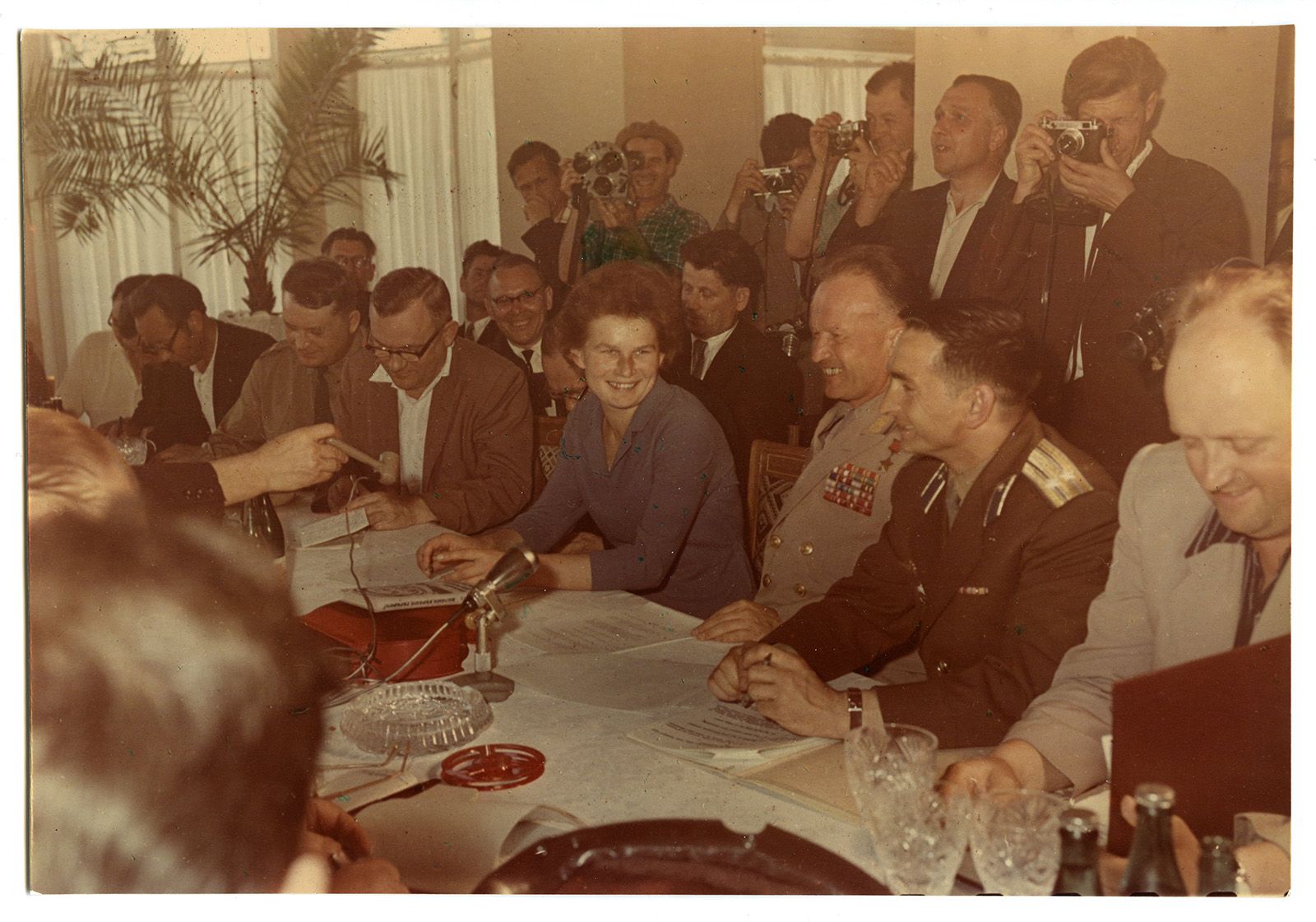
On 16 June 1963, a 26-year-old former textile worker named Valentina Tereshkova launched aboard Vostok 6 and spent nearly three days alone in orbit. She flew 48 times around the Earth, longer than every American astronaut combined, and spotted a dangerous flaw in her descent program that ground controllers had missed.

Fifty-four years ago, a Saturn V rocket lifted off carrying three astronauts determined to prove America could still reach the Moon after the near-disaster of Apollo 13