


X Report 16 Nov 2025
SpaceX successfully launched 29 Starlink satellites on November 14, marking the first of two rapid-fire Falcon 9 missions from Florida's Space Coast in under four hours.


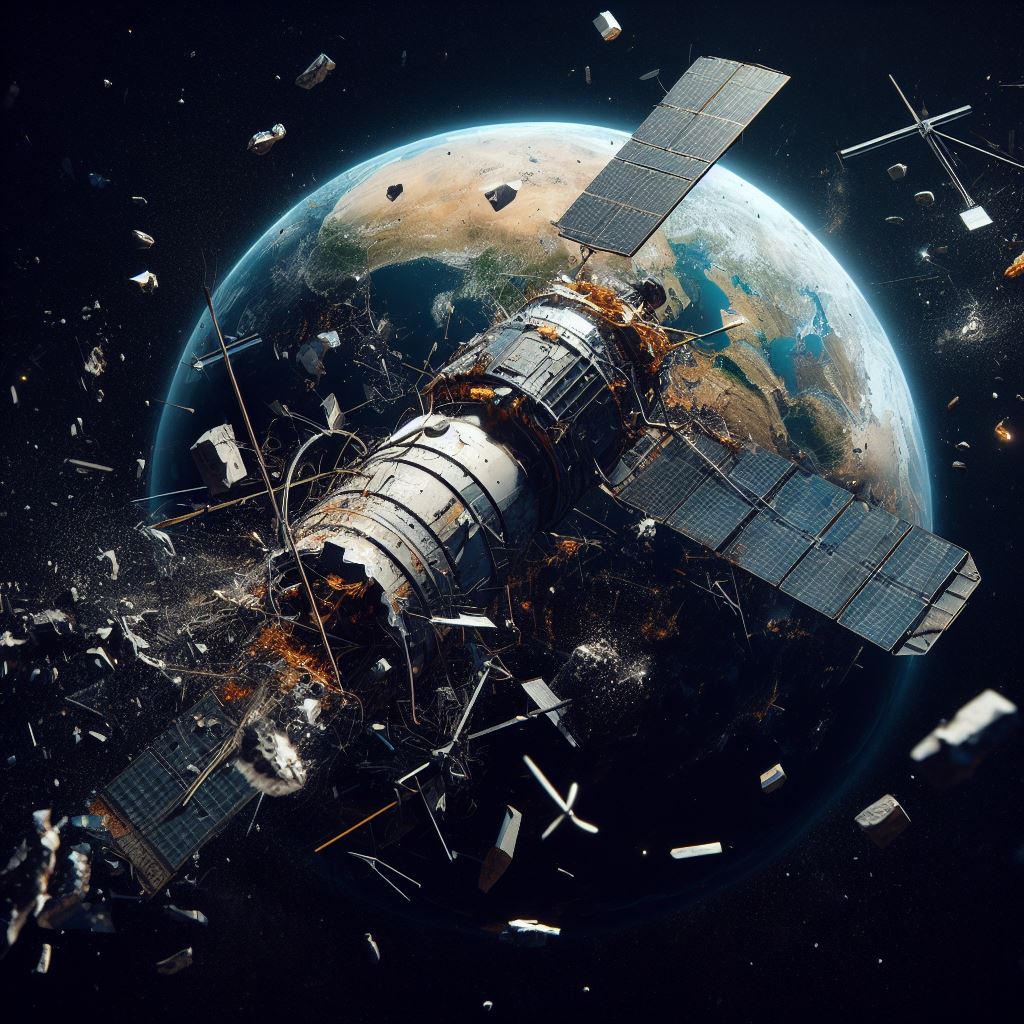
Launch Date
May 10, 1999
Launch Site
TAISC
Launch Pad
LC7
Launch Vehicle
Chang Zheng 4B
NORAD ID
38714
International Designator
1999-025ETF
Decay Date
4/27/2023
Name
FENGYUN 1C DEB
Alternative Name
deb FY-1C
Type
Status
Owner
CASC
Country
China
Constellation
N/A
Related Satellites
Major Events
N/A
Length
0
Diameter
0
Span
0
Dry Mass
0
Launch Mass
0
Shape
N/A
Radar Cross Section
0.012
Visual Magnitude
Unknown
Color
Unknown
Material Composition
Unknown
Payload
Unknown
Purpose
Unknown
Mission
Unknown
Manufacturer
Unknown
Life Expectancy
Unknown
Bus
Unknown
Configuration
Unknown
Motor
Unknown
Equipment
Unknown
Power System
Unknown
ADCS
Unknown
Transmitter Frequency
Unknown
Learn more about satellites and other related topics.
SpaceX successfully launched 29 Starlink satellites on November 14, marking the first of two rapid-fire Falcon 9 missions from Florida's Space Coast in under four hours.
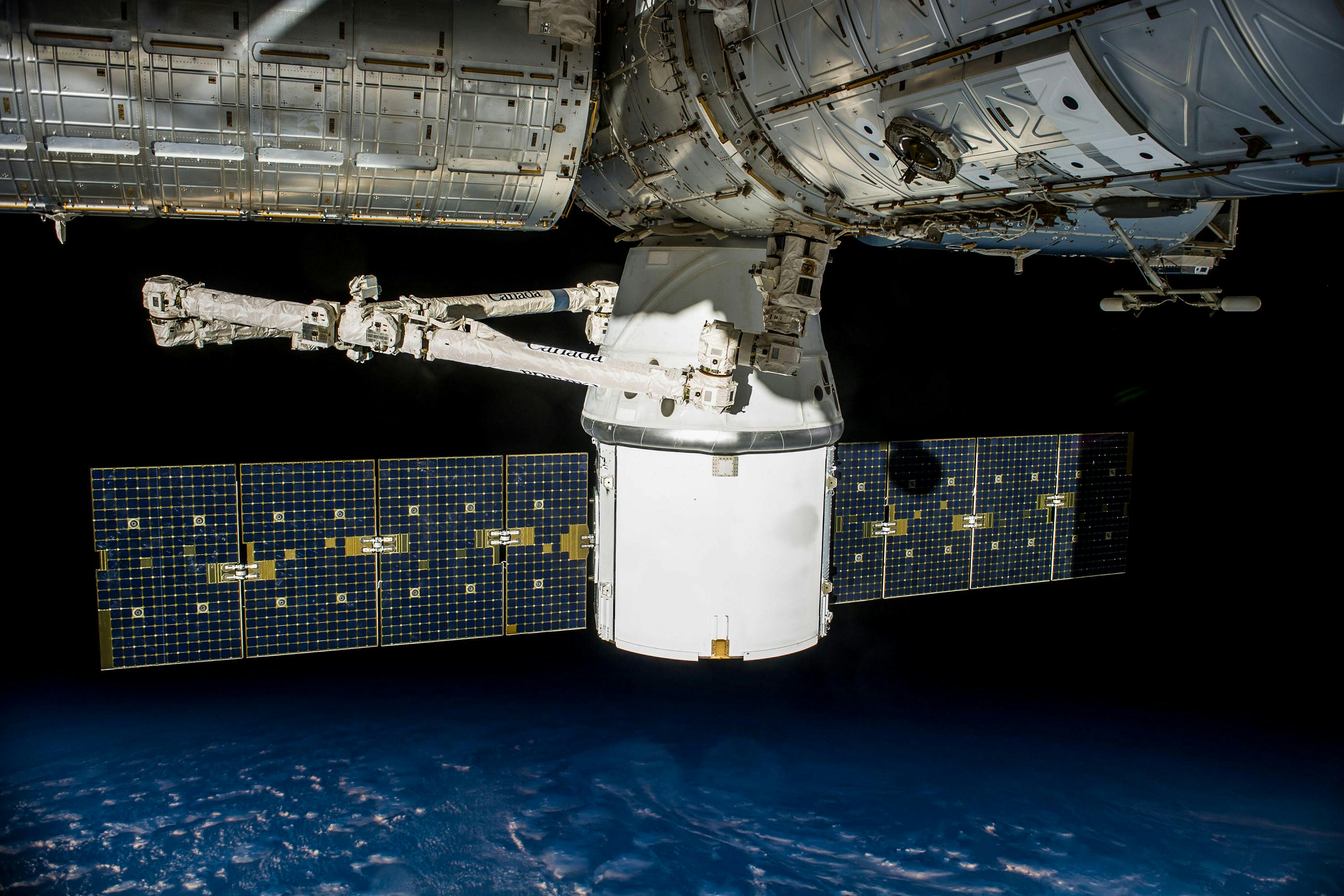
Today's report highlights a catastrophic failure during Starship preparations, significant advancements in Starlink services in Ukraine and India, and the successful launch of 28 Starlink satellites.
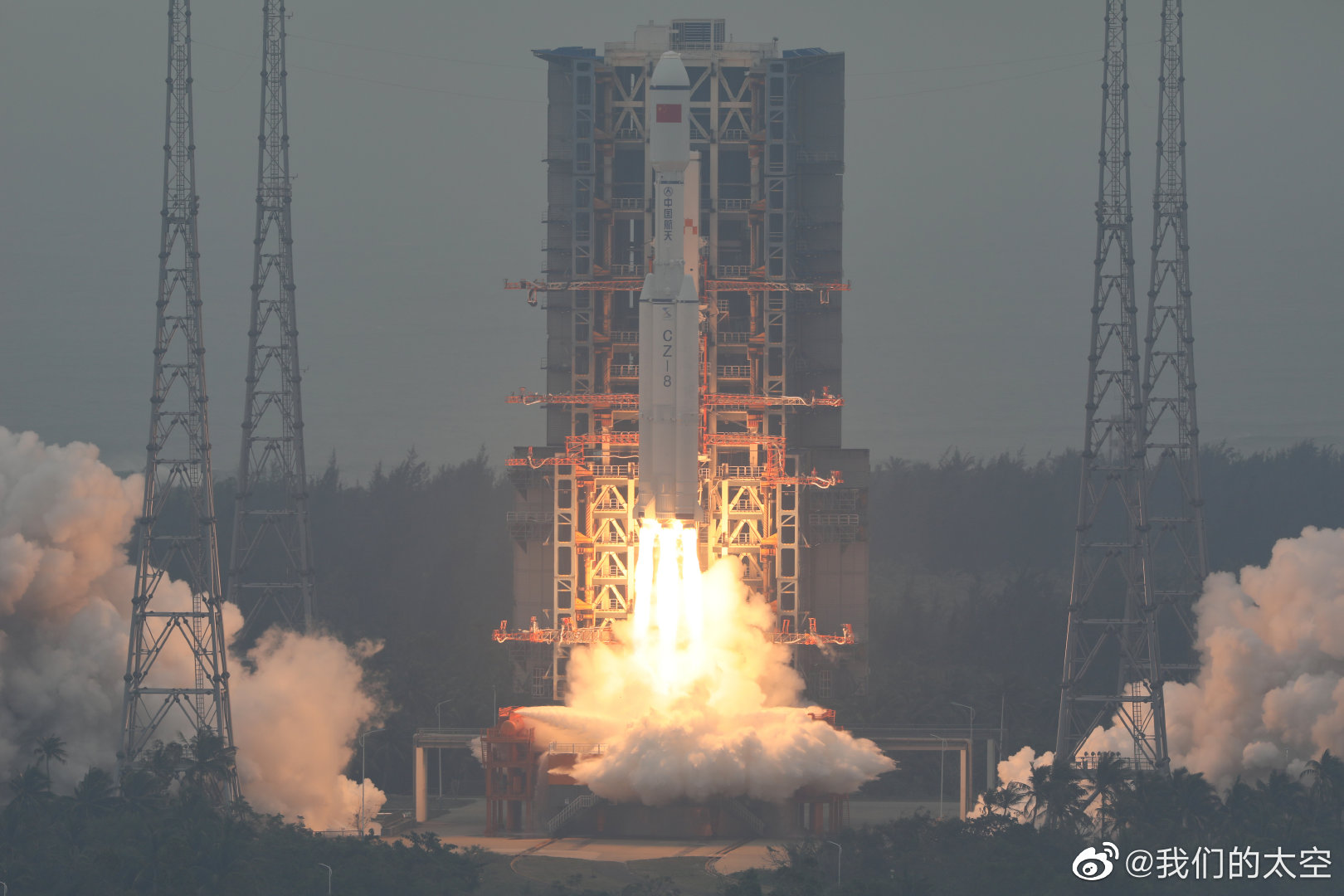
In today's brief: high-profile personnel changes in the Space Force, the inclusion of Space Force in historical political events, and strategic shifts in defense highlighted with a focus on satellite applications.

Today we explore defense-driven shifts in satellite operations amid geopolitical tensions and innovative projects pushing the boundaries of space technology.
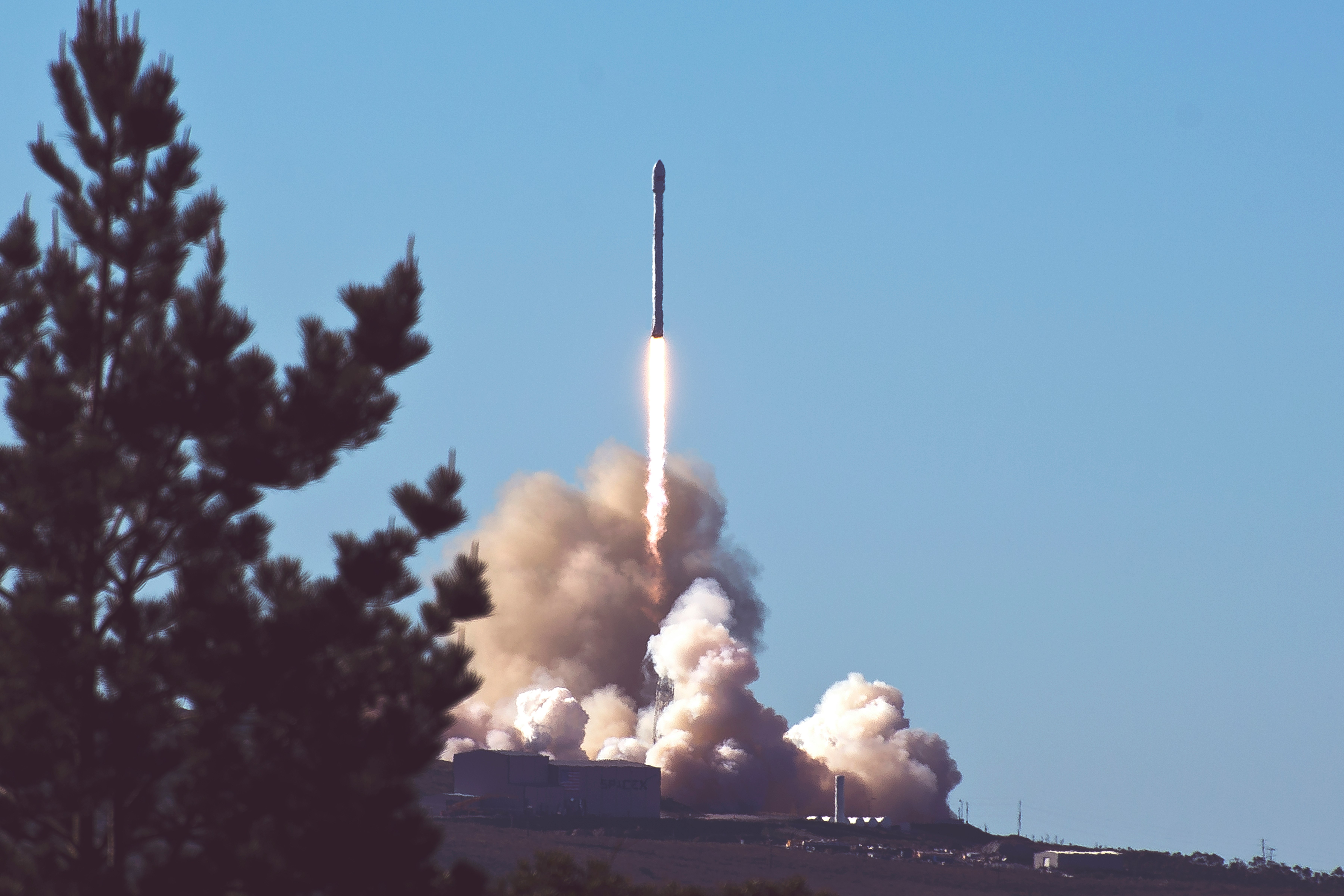
SpaceX launches two Falcon 9 rockets in one day carrying Starlink satellites from both coasts. Most-flown booster achieves record 33rd flight. 28 V2 Mini Optimized sats deployed.

ULA's Vulcan rocket grounded, imperiling Space Force WGS-11 communications satellite and Next-Gen OPIR missile warning payload. Both missions lack backup launch options.
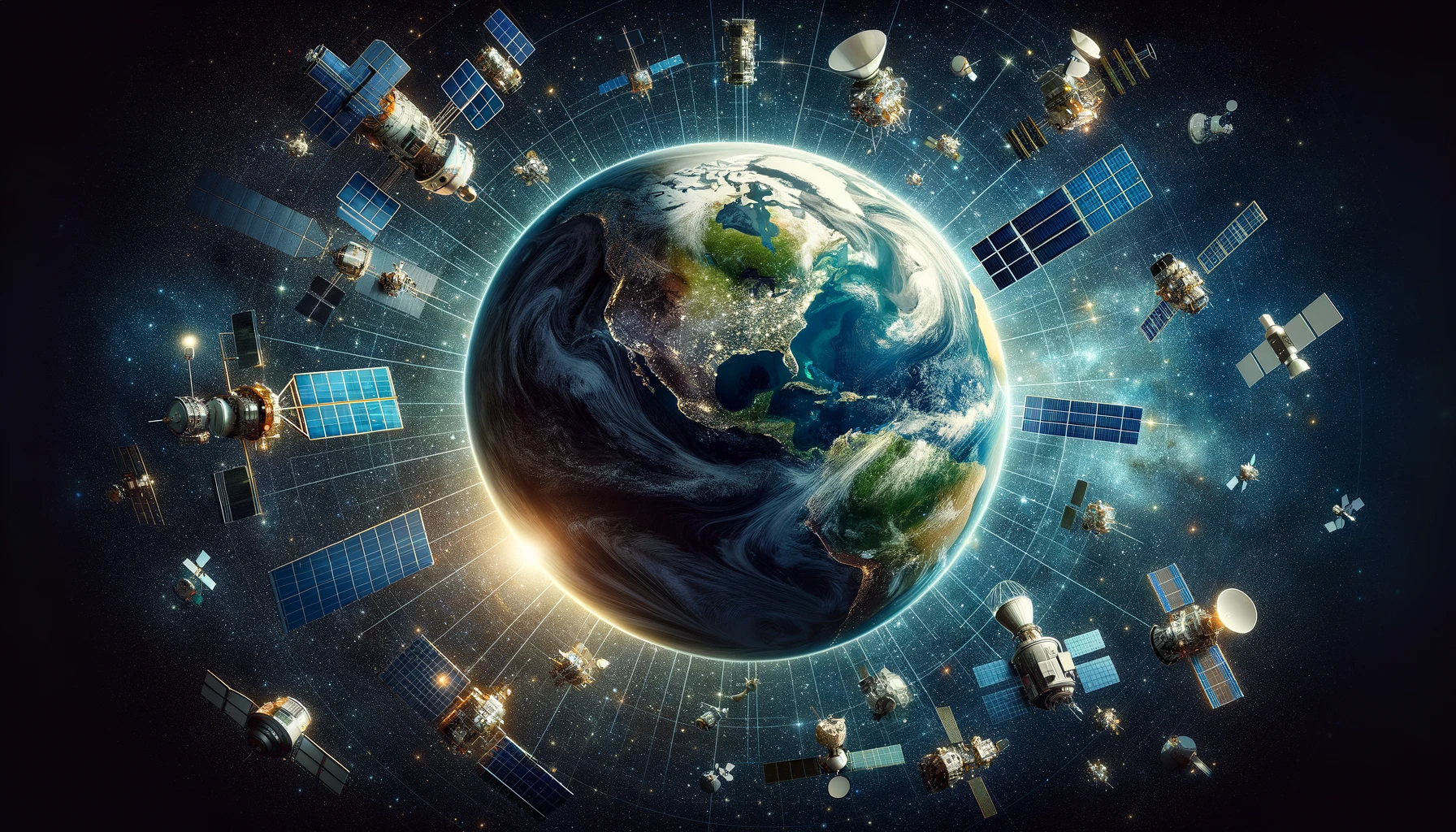
Explore the dynamic realms of Earth's orbits, from LEO to GEO, unraveling the crucial roles they play in global communication, navigation, and surveillance.
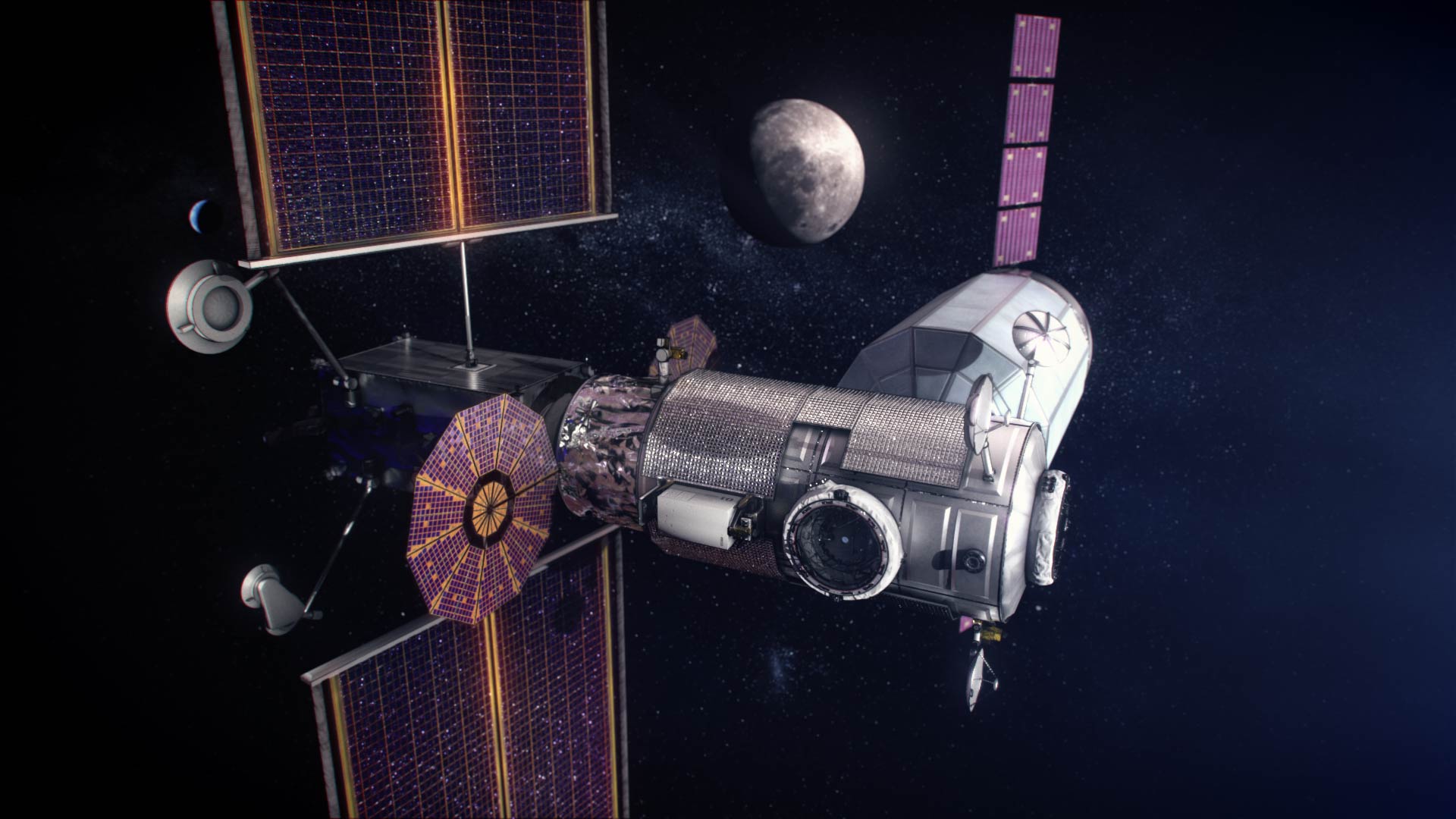
The volume of space between Earth and the Moon is roughly a thousand times larger than the orbit we actually watch, and almost none of it is under surveillance. As the U.S. and China race to build lunar outposts, the Space Force is scrambling to put eyes on a region it has been effectively blind to.