


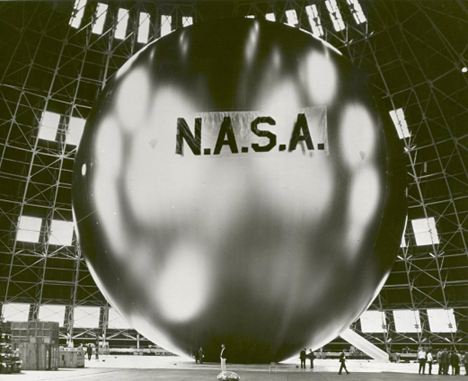
The Day a Giant Space Balloon United the Cold War
When a 135-foot inflatable mirror bounced a radio signal from England to Russia, it became the first joint US-Soviet space venture - and changed how we think about satellite communication.



Launch Date
March 14, 2008
Launch Site
Launch Pad
LC200/39
Launch Vehicle
Proton-M/Briz-M
NORAD ID
38593
International Designator
2008-011AQ
Epoch
Wed, 04 Mar 2026 03:26:55 GMT
Apogee
Calculating...
Perigee
Calculating...
Inclination
49.37°
Right Ascension
324.98°
Eccentricity
Calculating...
Argument of Perigee
248.30°
Period
474.43 min
Mean Motion
3.04 rev/day
Latitude
Calculating...
Longitude
Calculating...
Altitude
Calculating...
Velocity
Calculating...
Name
BREEZE-M DEB
Alternative Name
deb Briz-M No. 88525
Type
Status
Owner
KHRR
Country
Russia
Constellation
N/A
Related Satellites
Major Events
N/A
1 38593U 08011AQ 26062.14369506 .00000344 00000-0 15218-2 0 9998
2 38593 49.3651 324.9829 6606480 248.2976 32.4919 3.03519349166214
Source: Celestrak
Length
0
Diameter
0
Span
0
Dry Mass
0
Launch Mass
0
Shape
N/A
Radar Cross Section
0.1308
Visual Magnitude
Unknown
Color
Unknown
Material Composition
Unknown
Payload
Unknown
Purpose
Unknown
Mission
Unknown
Manufacturer
Unknown
Life Expectancy
Unknown
Bus
Unknown
Configuration
Unknown
Motor
Unknown
Equipment
Unknown
Power System
Unknown
ADCS
Unknown
Transmitter Frequency
Unknown
Learn more about satellites and other related topics.
When a 135-foot inflatable mirror bounced a radio signal from England to Russia, it became the first joint US-Soviet space venture - and changed how we think about satellite communication.
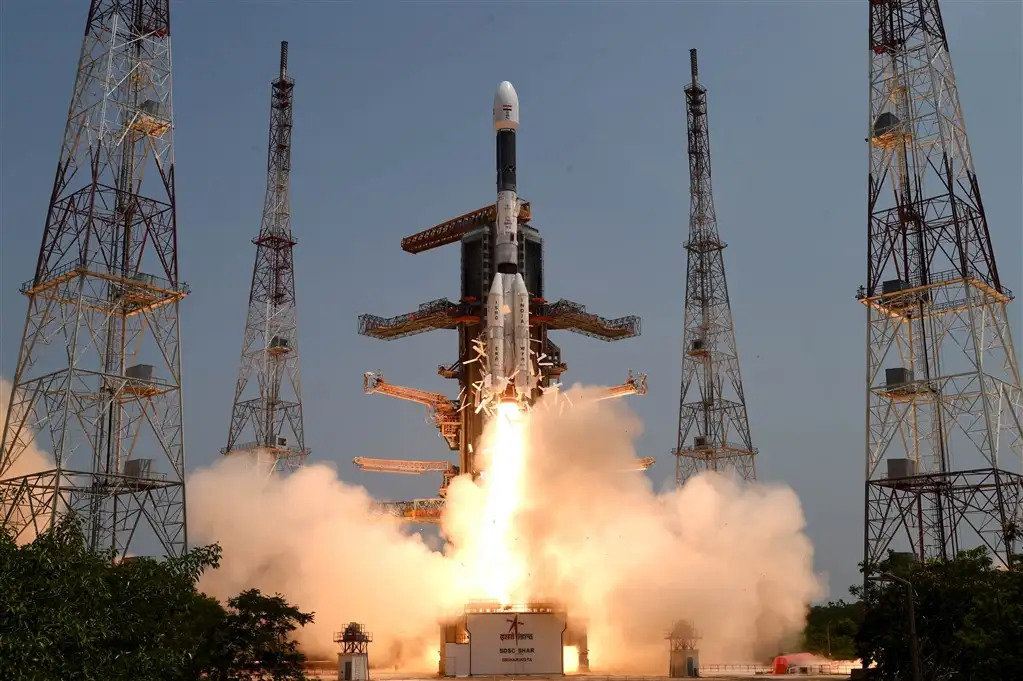
Focus on Varda's second mission launch, new U.S. Defense Department tool for satellite anomaly investigation, and a detailed Satellite Spotlight on CELESTIS 21/Varisat 1C.
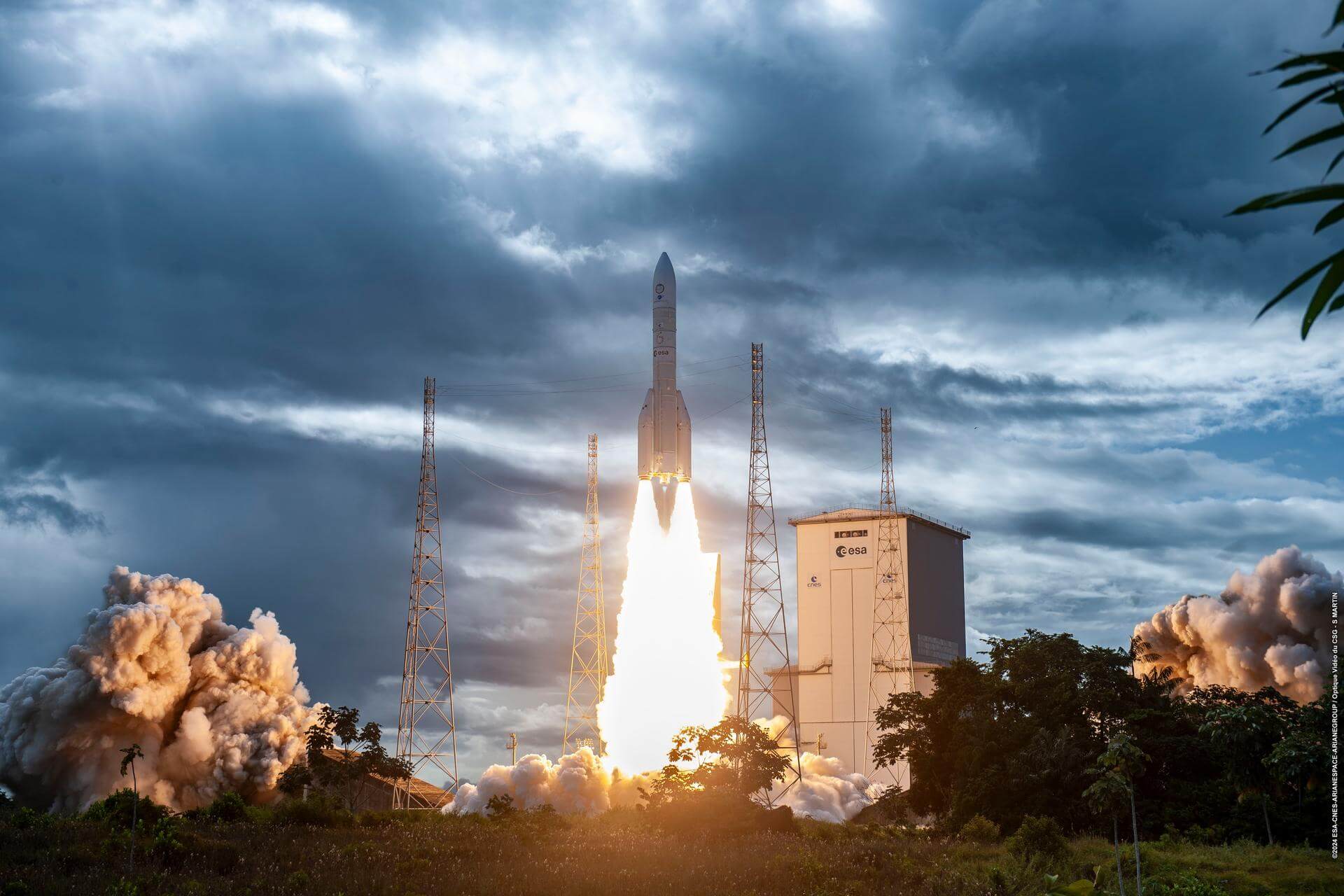
SpaceX launches Starlink satellites from both coasts, while first 3D atmospheric map of an exoplanet reveals extreme weather patterns, and Starlink missions push total count over 8,000 satellites.

Today's highlights include SpaceX's record-setting Starlink launch, Redwire's contract for USSF, and military satellite developments.
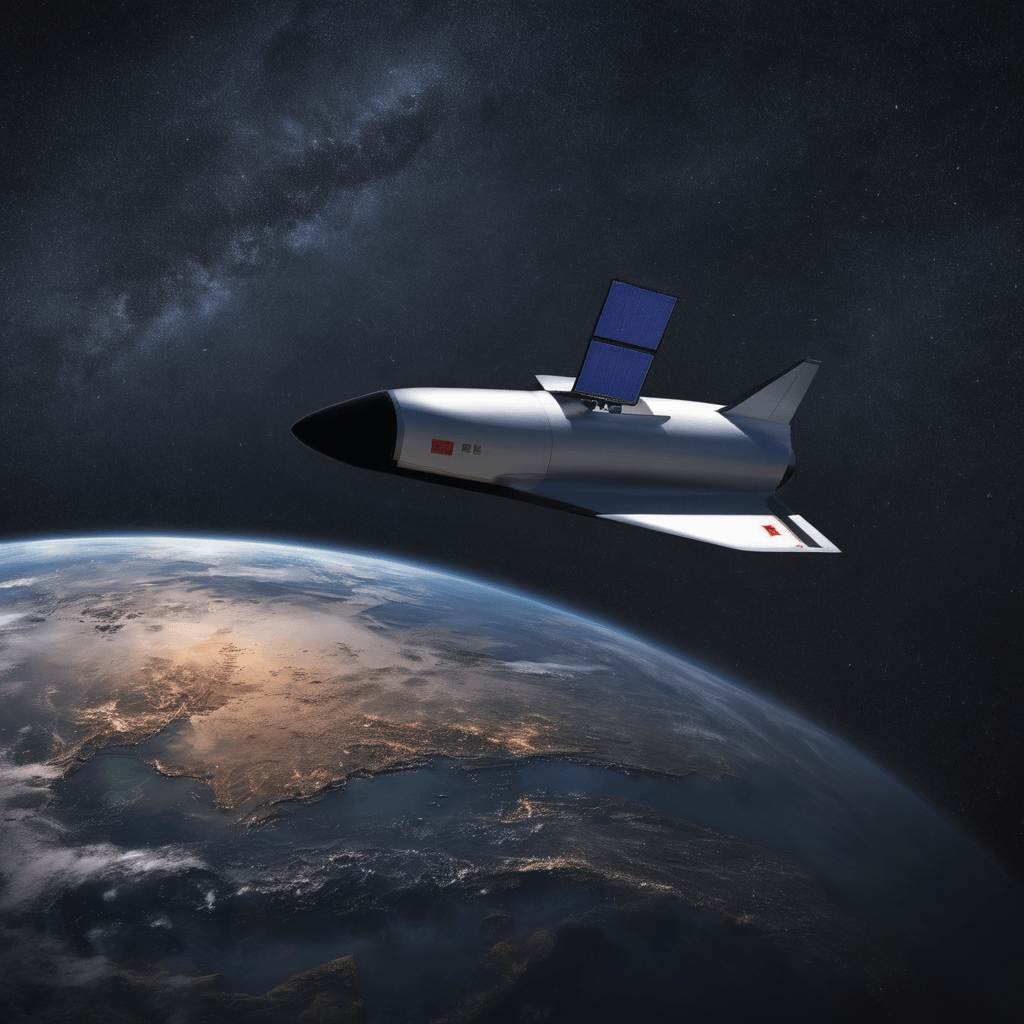
Details on China's current Shenlong spaceplane mission and its recent deployment of six objects.
On April 27, 1961, a Scout rocket lifted a 37-kilogram NASA satellite into orbit from Wallops Island carrying the first serious instrument for detecting cosmic gamma rays. Explorer 11 operated for seven months before its tape recorder failed. In that time it registered 22 gamma-ray photons - a pitiful number by modern standards, but enough to launch an entire branch of astronomy.

Blue Origin's New Glenn rocket exploded hours after USSF and NRO awarded national security launch contract. Impact on NSSL competition unclear.
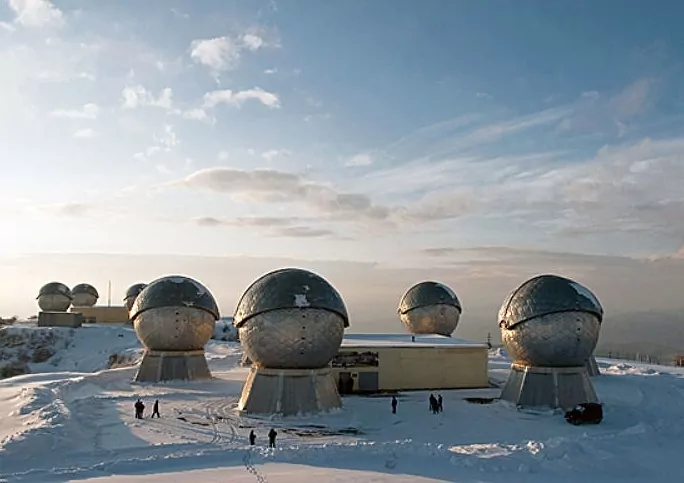
An analysis of Russia's independent space tracking system and how it compares to the established U.S. Space Surveillance Network