

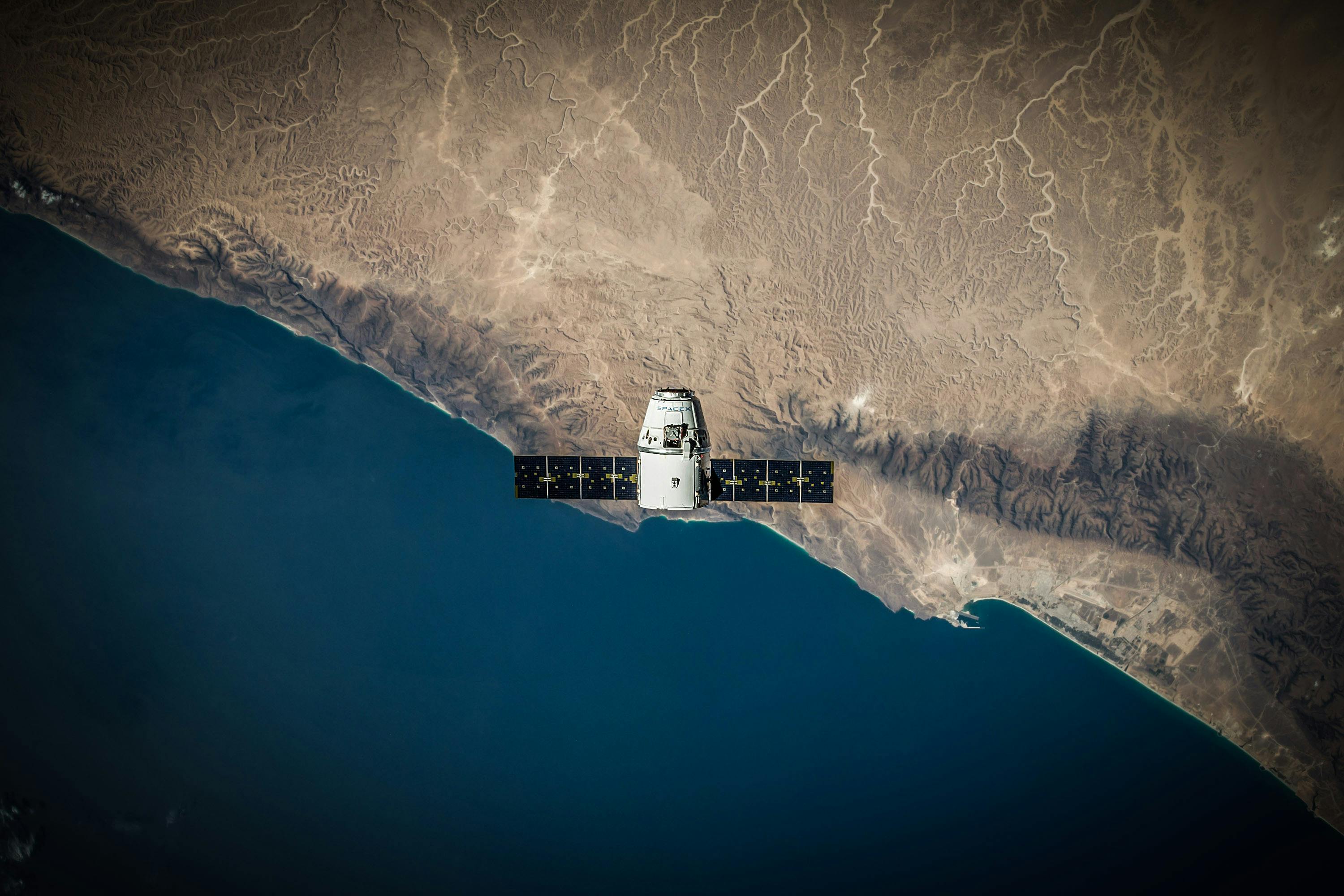
X Report 10 Apr 2025
SpaceX gears up for multiple Falcon 9 launches, amidst challenges from Project Kuiper and environmental concerns.


Launch Date
October 12, 2011
Launch Site
SRILR
Launch Pad
FLP
Launch Vehicle
PSLV
NORAD ID
37838
International Designator
2011-058A
Decay Date
3/7/2023
Name
MEGHA-TROPIQUES
Alternative Name
Megha-Tropiques
Type
Status
Owner
ISRO/CNES
Country
India
Constellation
N/A
Related Satellites
Major Events
N/A
Length
1.6
Diameter
1.1
Span
12
Dry Mass
950
Launch Mass
1000
Shape
Box + 2 Pan
Radar Cross Section
4.8139
Visual Magnitude
Unknown
Color
Unknown
Material Composition
Unknown
Payload
Megha-Tropiques
Purpose
Earth Science
Mission
Earth Science
Manufacturer
ISAC
Life Expectancy
Unknown
Bus
IRS
Configuration
IRS Bus
Motor
AOCS
Equipment
MADRAS, SAPHIR, SCARAB
Power System
2 deployable solar arrays, batteries
ADCS
Unknown
Transmitter Frequency
Unknown
Learn more about satellites and other related topics.
SpaceX gears up for multiple Falcon 9 launches, amidst challenges from Project Kuiper and environmental concerns.
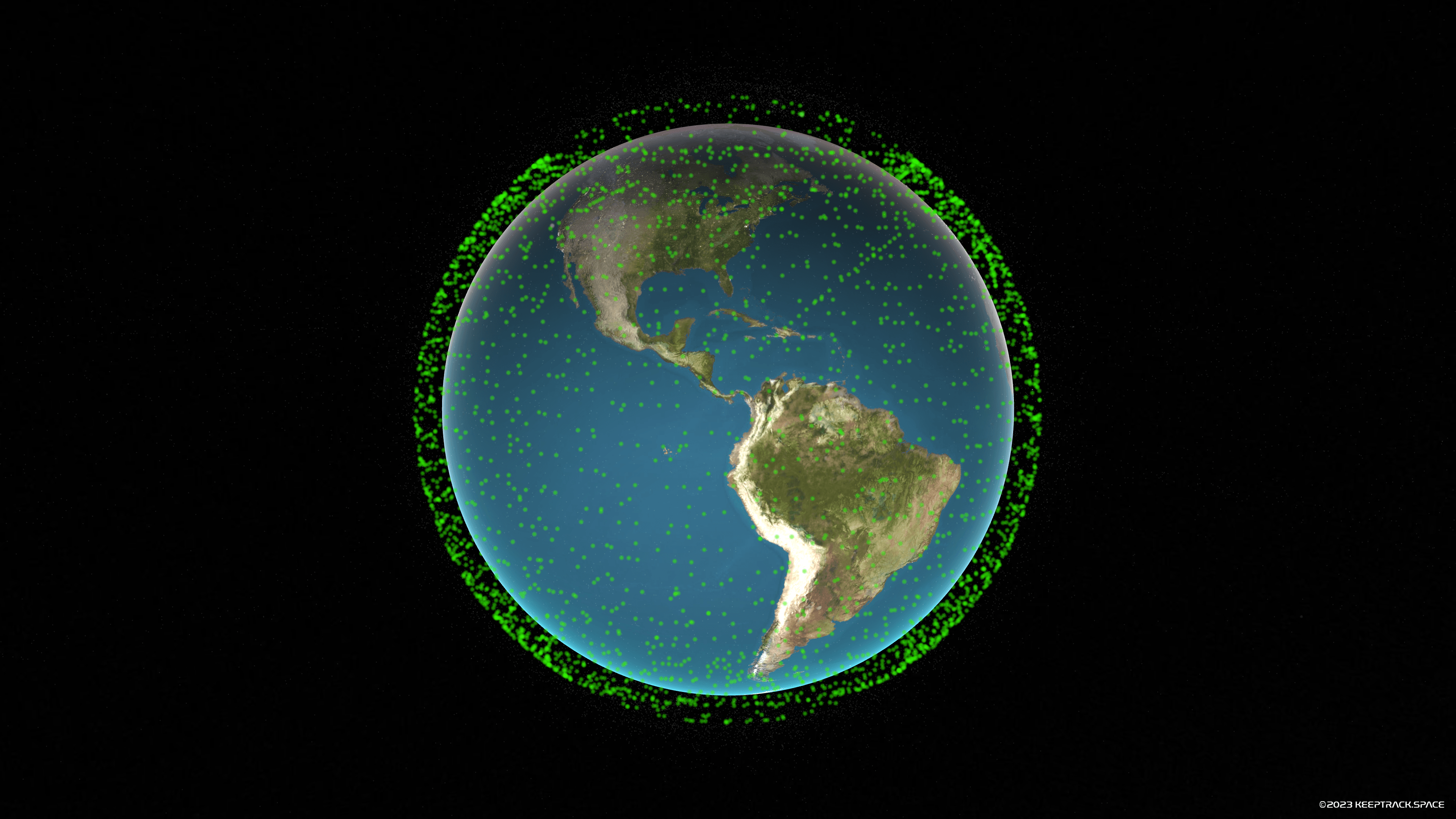
The U.S. Federal Communications Commission reaffirms its decision to deny SpaceX's Starlink unit $885.5 million in rural broadband subsidies, impacting the company's plans for expanding internet access.
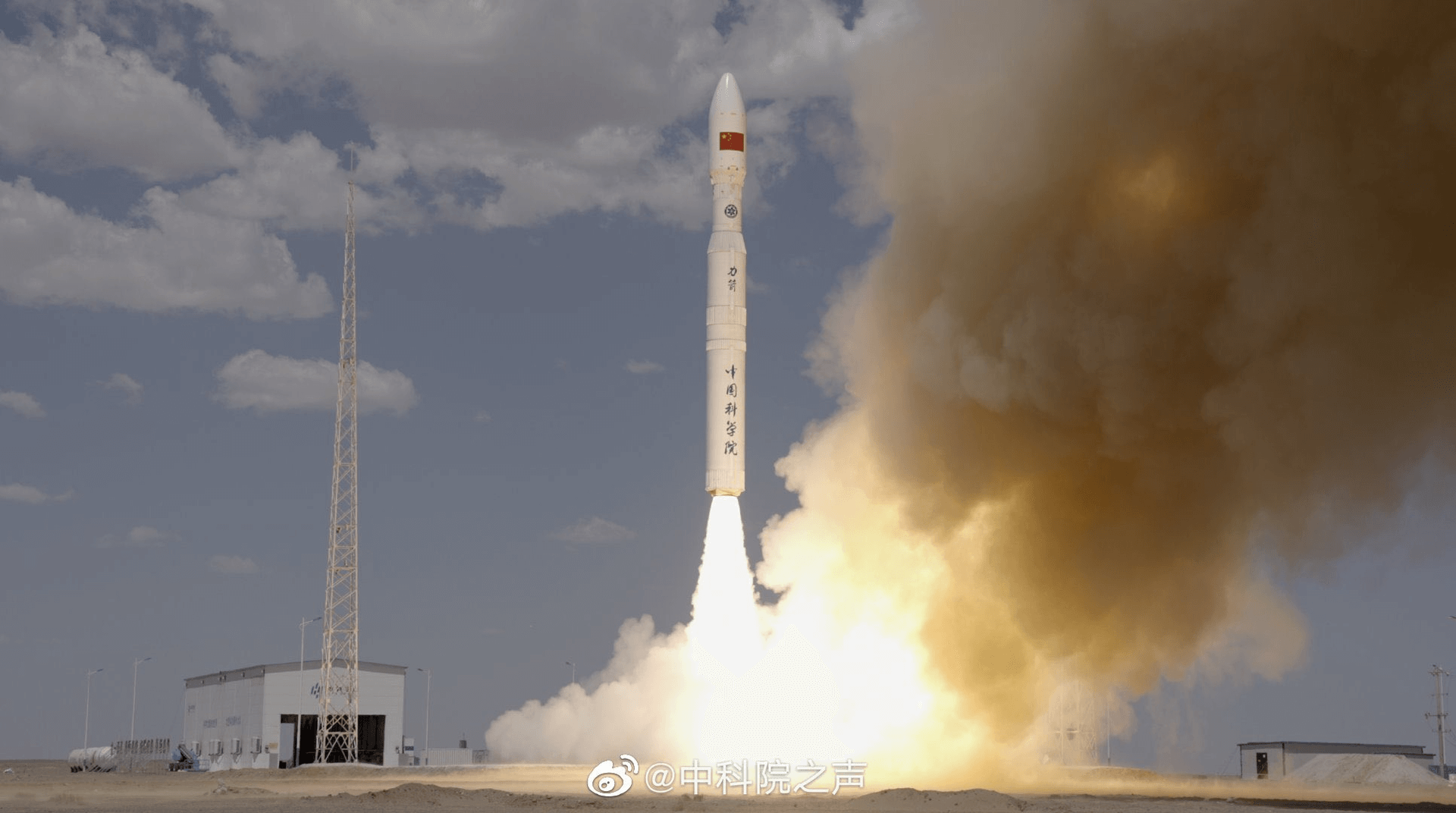
Today's brief highlights a nuclear battery startup's funding boost, advisory board additions in the space sector, and key military updates impacting space operations.
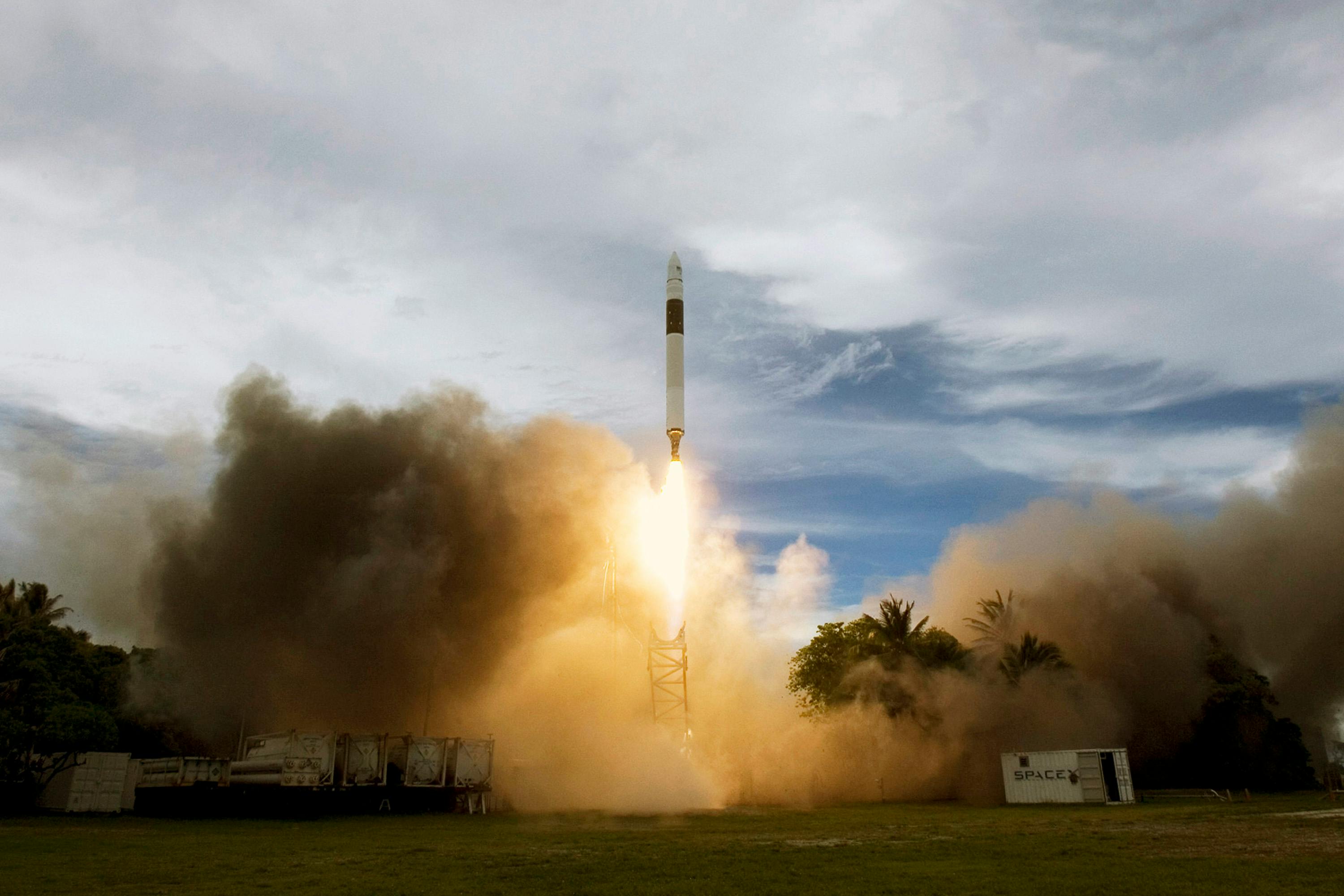
SpaceX successfully launched 28 Starlink satellites, marking a significant milestone with its 500th Falcon rocket landing. Meanwhile, the Starship program reflects on its journey through ten flights, and competition with Amazon's Project Kuiper heats up as JetBlue opts for their in-flight Wi-Fi service.

Today's Space Brief highlights the U.S. Air Force's $48 million investment in testing reentry capsules, a Pentagon-backed GPS alternative, and the Space Force's quest for funding autonomy.

Today's updates cover Vantor's satellites overcoming tracking challenges, a startup's ambitious missile defense test, and more pivotal space events.
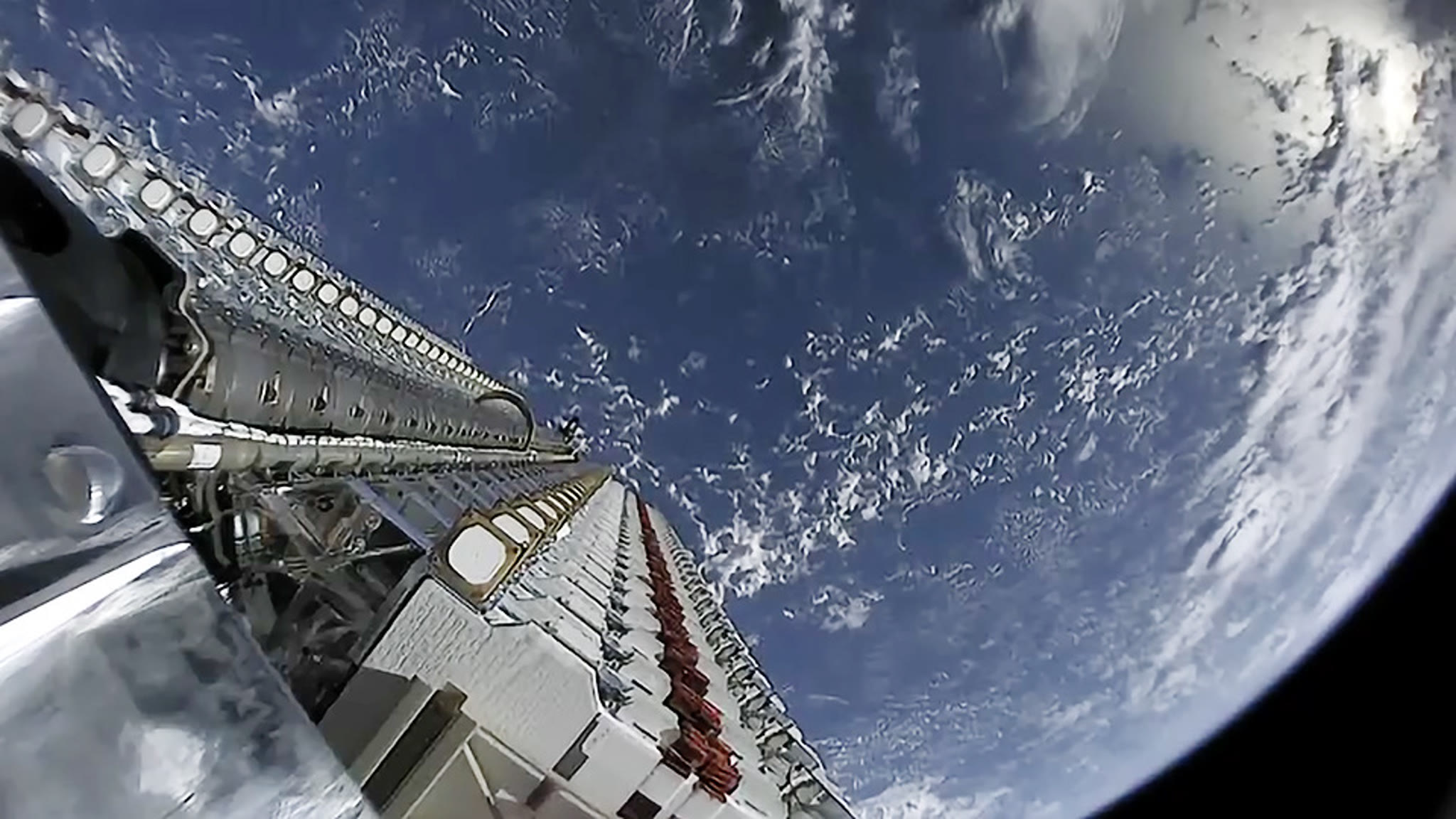
Starlink satellites fired their thrusters to dodge a collision roughly 300,000 times in 2025, about 822 times a day. Behind that number is a fragile, half-automated system of warnings, probabilities, and judgment calls that decides which close approaches are worth a maneuver and which are just noise.
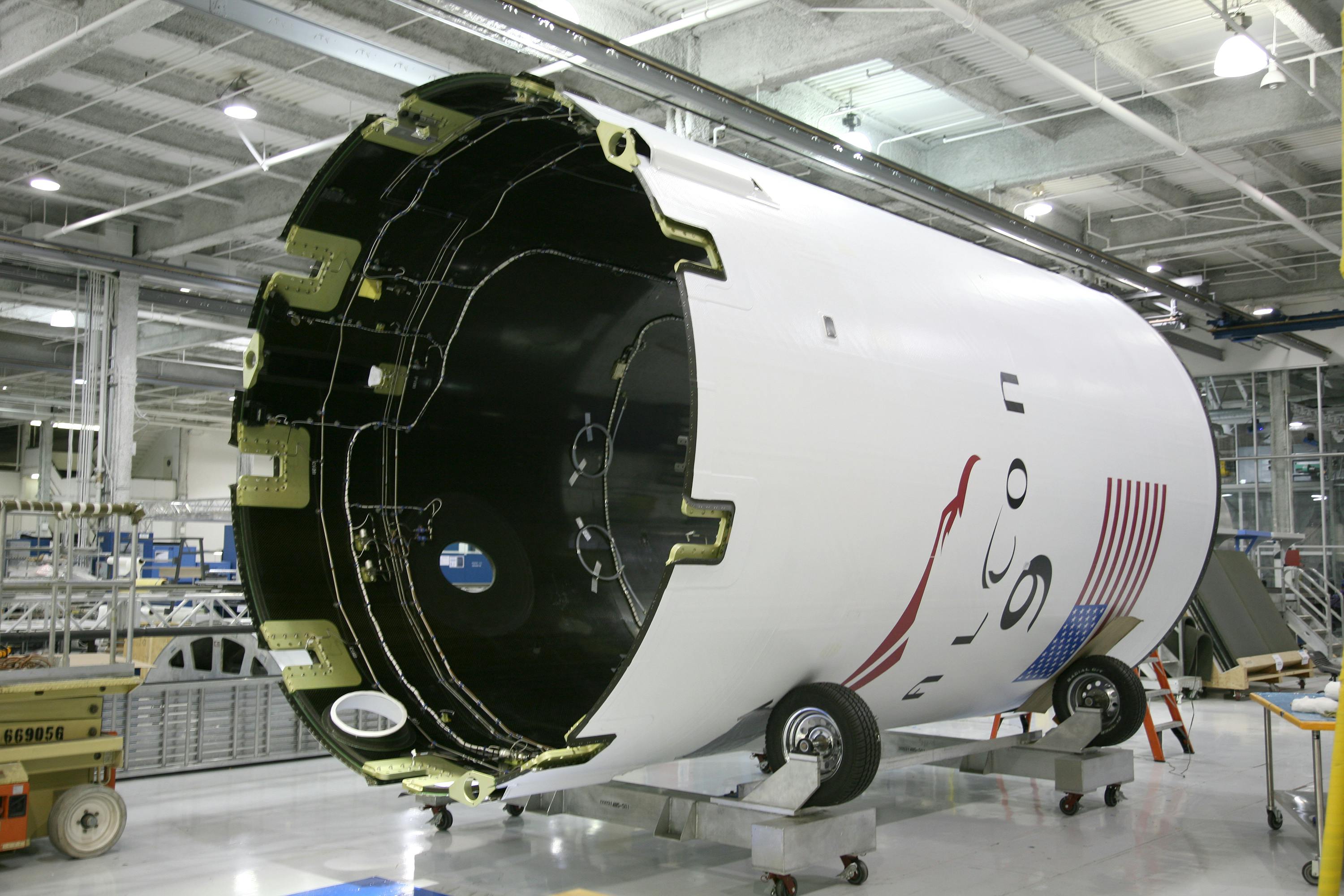
SpaceX gears up for distinctive Starship tests and milestone Starlink deployments as the new year takes off.