

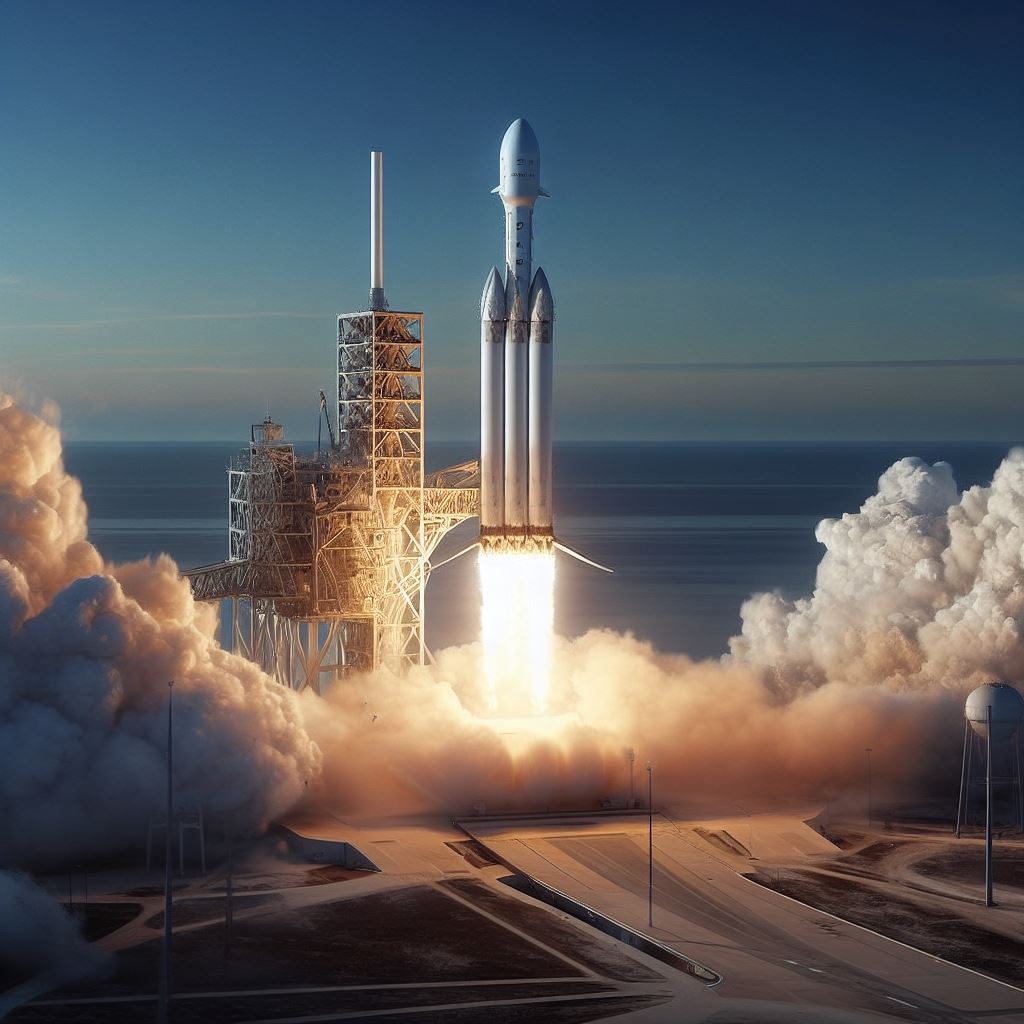
Space Brief 20 Aug 2024
Polaris Dawn's upcoming commercial spacewalk, successful lunar orbit by Chinese spacecraft, and more space news including SpaceX's Starlink mission, RFA's static-fire failure, and advances in satellite technology.


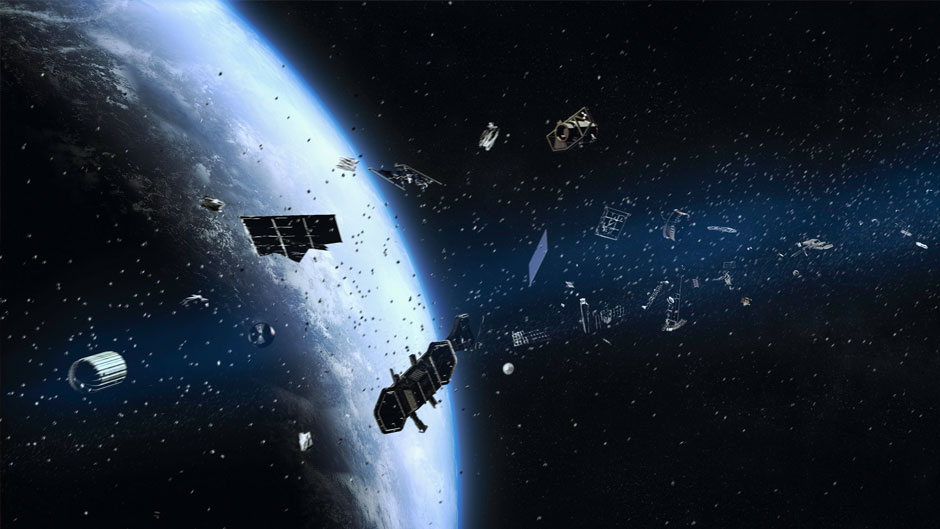
Launch Date
May 10, 1999
Launch Site
TAISC
Launch Pad
LC7
Launch Vehicle
Chang Zheng 4B
NORAD ID
37463
International Designator
1999-025EJH
Decay Date
9/24/2024
Name
FENGYUN 1C DEB
Alternative Name
deb FY-1C
Type
Status
Owner
CASC
Country
China
Constellation
N/A
Related Satellites
Major Events
N/A
Length
0
Diameter
0
Span
0
Dry Mass
0
Launch Mass
0
Shape
N/A
Radar Cross Section
0.008
Visual Magnitude
Unknown
Color
Unknown
Material Composition
Unknown
Payload
Unknown
Purpose
Unknown
Mission
Unknown
Manufacturer
Unknown
Life Expectancy
Unknown
Bus
Unknown
Configuration
Unknown
Motor
Unknown
Equipment
Unknown
Power System
Unknown
ADCS
Unknown
Transmitter Frequency
Unknown
Learn more about satellites and other related topics.
Polaris Dawn's upcoming commercial spacewalk, successful lunar orbit by Chinese spacecraft, and more space news including SpaceX's Starlink mission, RFA's static-fire failure, and advances in satellite technology.

Today's Space Brief highlights the latest developments in China's megaconstellation funding, Russia's nuclear posturing in Europe, and other significant military activities.

Today's brief covers key industry movements in space logistics and satellite production, including Rocket Lab's new U.S. Air Force contract, Sierra Space's strides in GPS technology, and more.
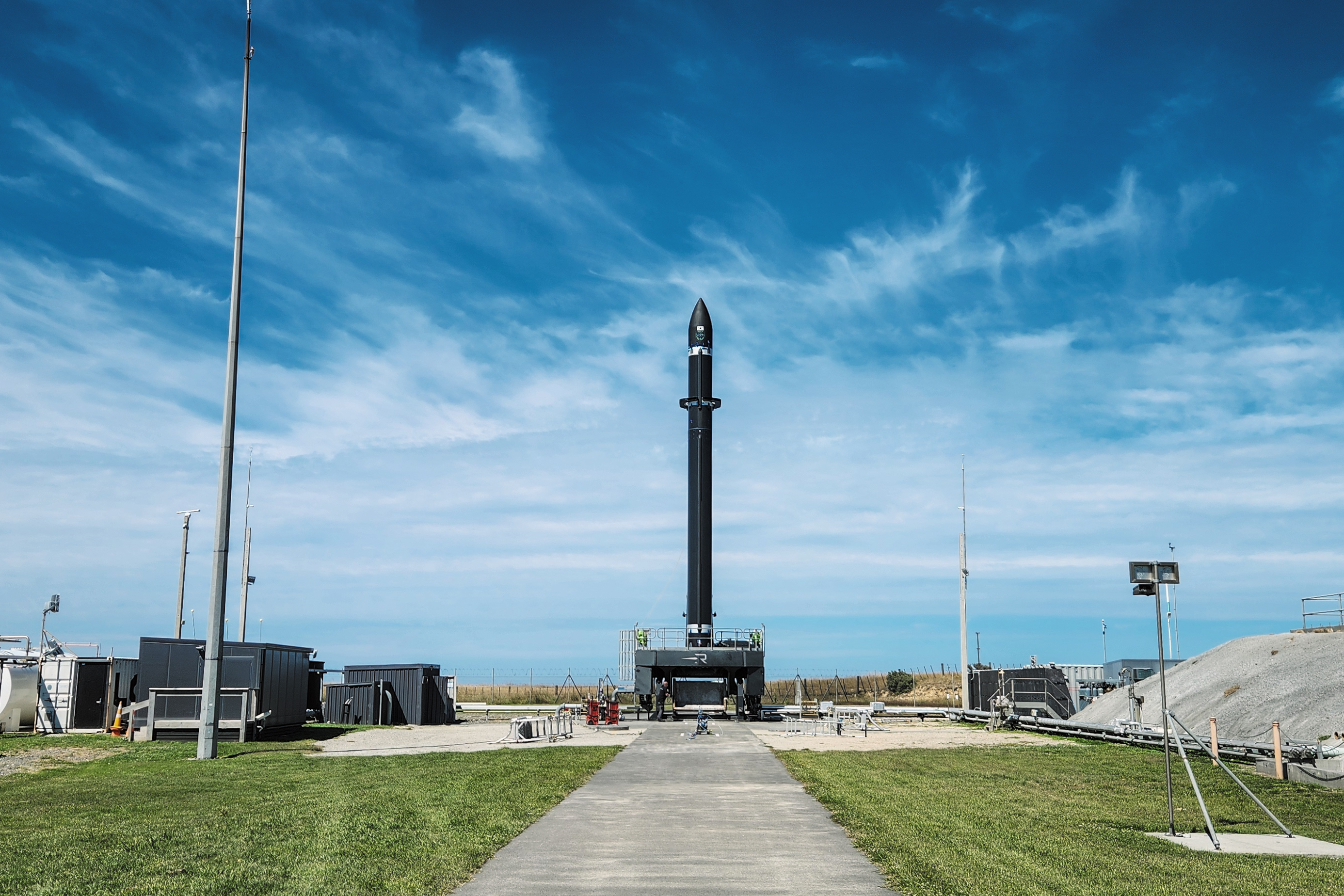
Today's highlights include Japan's new military satellite imagery initiative, NASA's SPHEREx map, and AST BlueBird 6's groundbreaking cellular array in low Earth orbit.
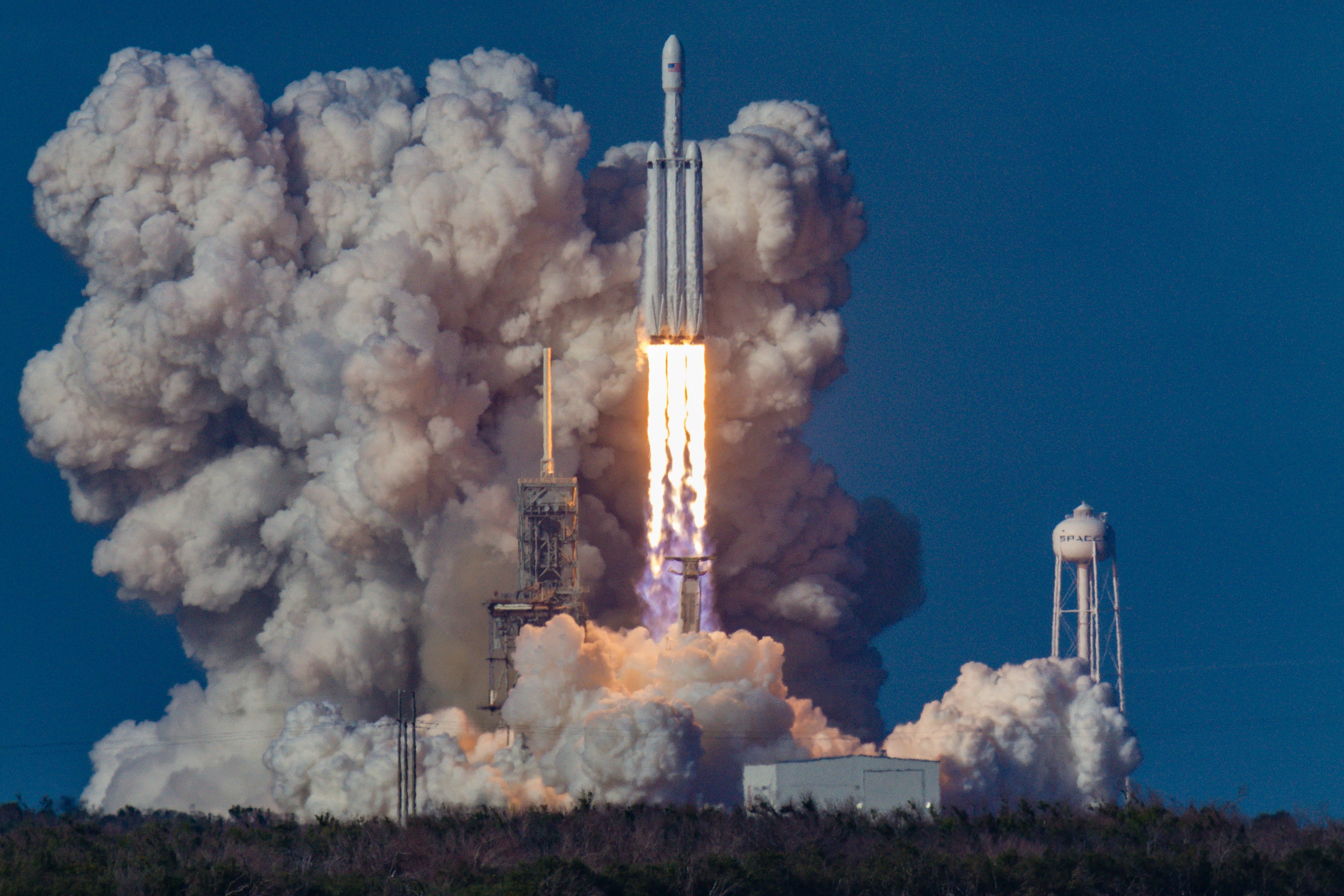
SpaceX successfully launched 28 Starlink satellites from Florida, continuing its momentum in expanding global internet coverage.

Explore a comprehensive breakdown of satellite counts by country, detailing the USA, Russia, China, and others.

Today's brief covers a groundbreaking national security mission for ULA's Vulcan, NASA's collaboration with LeoLabs for enhanced collision avoidance, and SEOPS' new satellite tracking services, among other key developments.

Explore the dynamic realms of Earth's orbits, from LEO to GEO, unraveling the crucial roles they play in global communication, navigation, and surveillance.