

NASA OIG Flags Starship Artemis Gaps as Falcon 9 Eyes 8-Launch Week | KeepTrack X Report
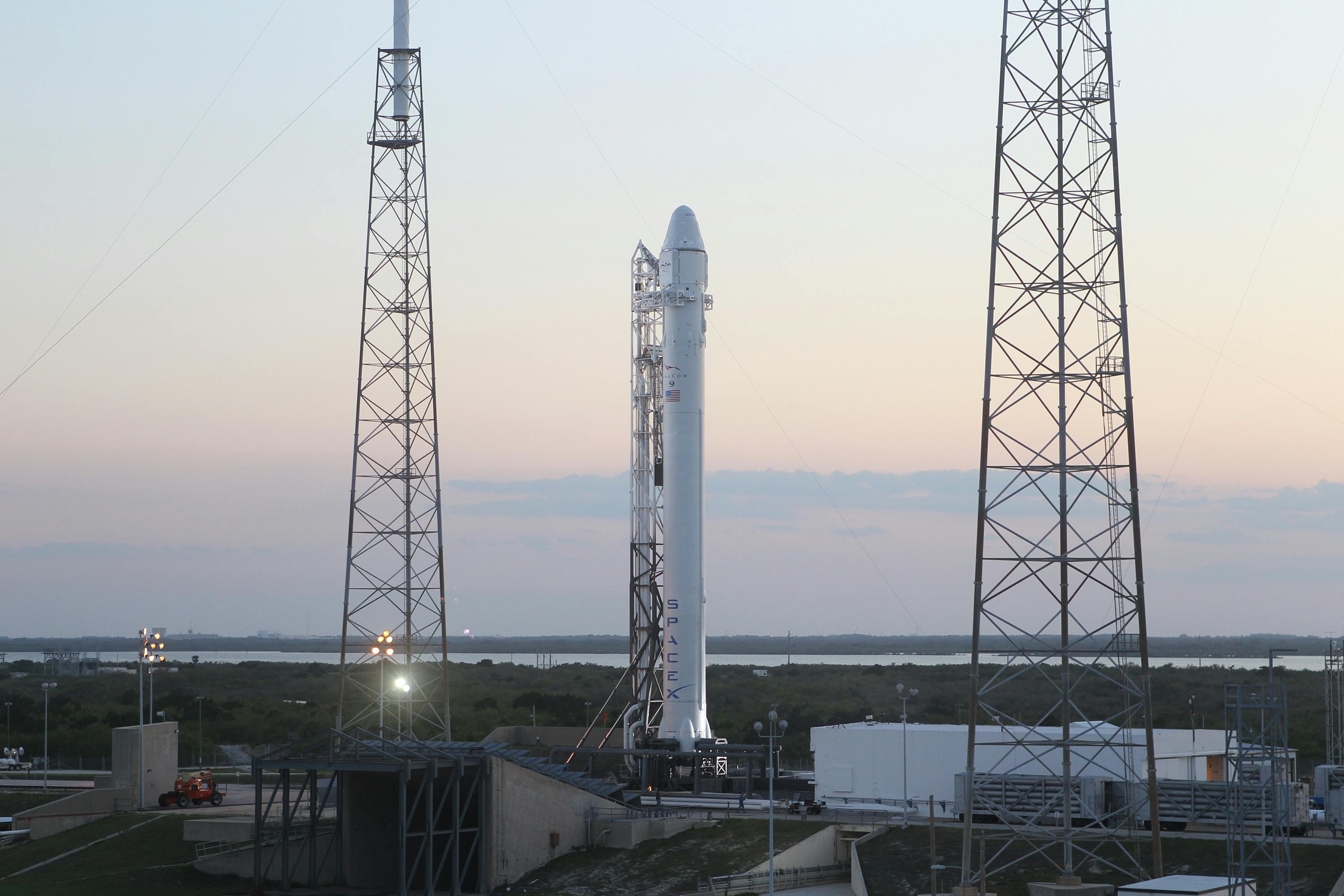
NASA's Inspector General warns of crew survival analysis gaps in Starship lunar lander program as Falcon 9 prepares to lead 8 global launches this week.


Launch Date
December 8, 2010
Launch Site
Launch Pad
LC40
Launch Vehicle
NORAD ID
37252
International Designator
2010-066J
Decay Date
12/22/2010
Name
MAYFLOWER
Alternative Name
Caerus/Mayflower
Type
Status
Owner
NGAS/USCMR
Country
United States
Constellation
N/A
Related Satellites
Major Events
N/A
Length
0.3
Diameter
0.1
Span
0.8
Dry Mass
4
Launch Mass
4
Shape
Box + 2 Pan
Radar Cross Section
0.0501
Visual Magnitude
Unknown
Color
Unknown
Material Composition
Unknown
Payload
Caerus
Purpose
Technology
Mission
Technology
Manufacturer
NGNW/PUMPK/USCMR
Life Expectancy
Unknown
Bus
Cubesat 3U
Configuration
CubeSat (3U) consisting of a 1U bus and 2U payload modules, two deployable solar arrays
Motor
None
Equipment
Unknown
Power System
2 deployable fixed solar arrays, batteries
ADCS
Unknown
Transmitter Frequency
Unknown
Learn more about satellites and other related topics.
NASA's Inspector General warns of crew survival analysis gaps in Starship lunar lander program as Falcon 9 prepares to lead 8 global launches this week.
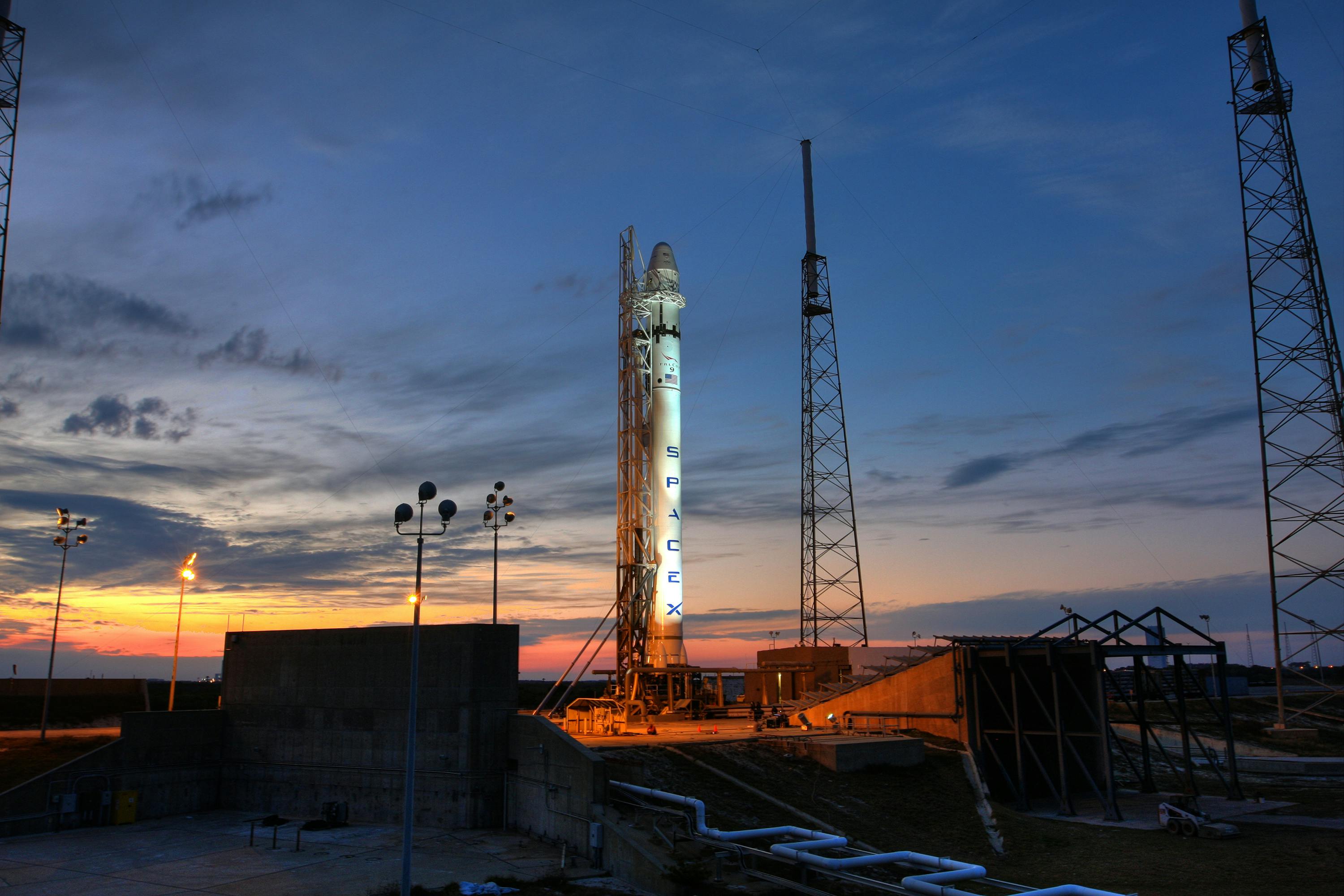
Starlink constellation size in 2026: 9,931 satellites in orbit, 9,920 working from 11,463 launched. Starlink 17-18 adds 25 more from Vandenberg.

China expands its classified satellite series, Space Force advances cloud-based ground station marketplaces, and the Pentagon grows its satellite network partner list. Highlighting new roles for sensor technology in tracking space debris.
SpaceX successfully launches NASA missions, prepares for Crew-10 flight, and overcomes Falcon 9 launch anomalies.

A brief journey through the evolution of space stations, delving into Russia's Mir, the International Space Station, China's Tiangong, and envisioning the future of orbital habitats.
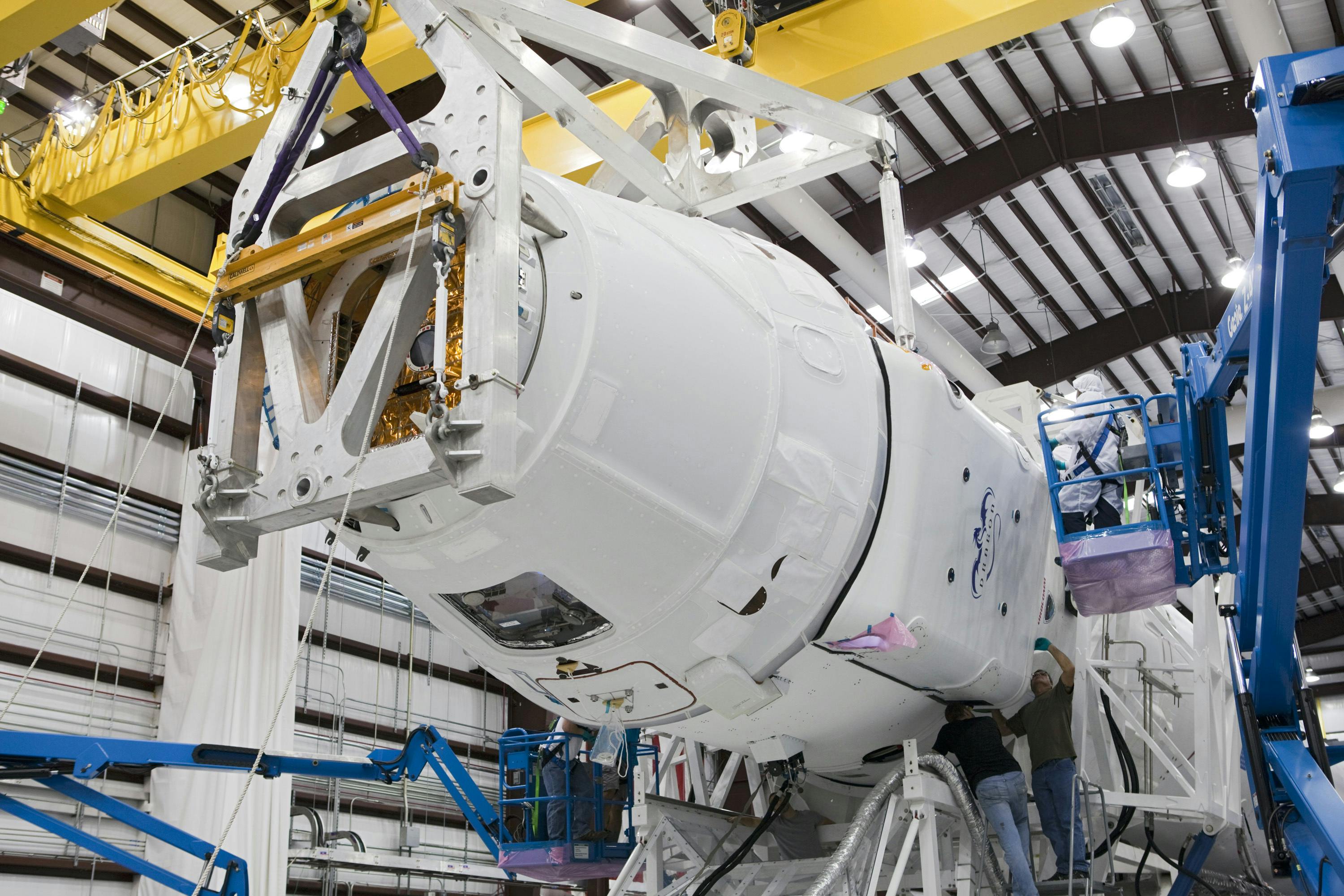
SpaceX hit 50 launches in 2026 on April 26. Falcon Heavy's ViaSat-3 mission, only its 12th flight, scrubbed on weather at Kennedy; new date pending.

Space debris poses a mounting threat to both satellites and space missions. As we send more objects into orbit, the likelihood of collisions and subsequent breakups producing dangerous space debris increases. Recognizing the major events that have generated this dangerous space junk is pivotal in ensuring the safety of future space missions.

Today's highlights include recent missile deals impacting military satellite launches, a Navy salvage operation in the South China Sea, and defense updates from the Manama Dialogue 2025.