


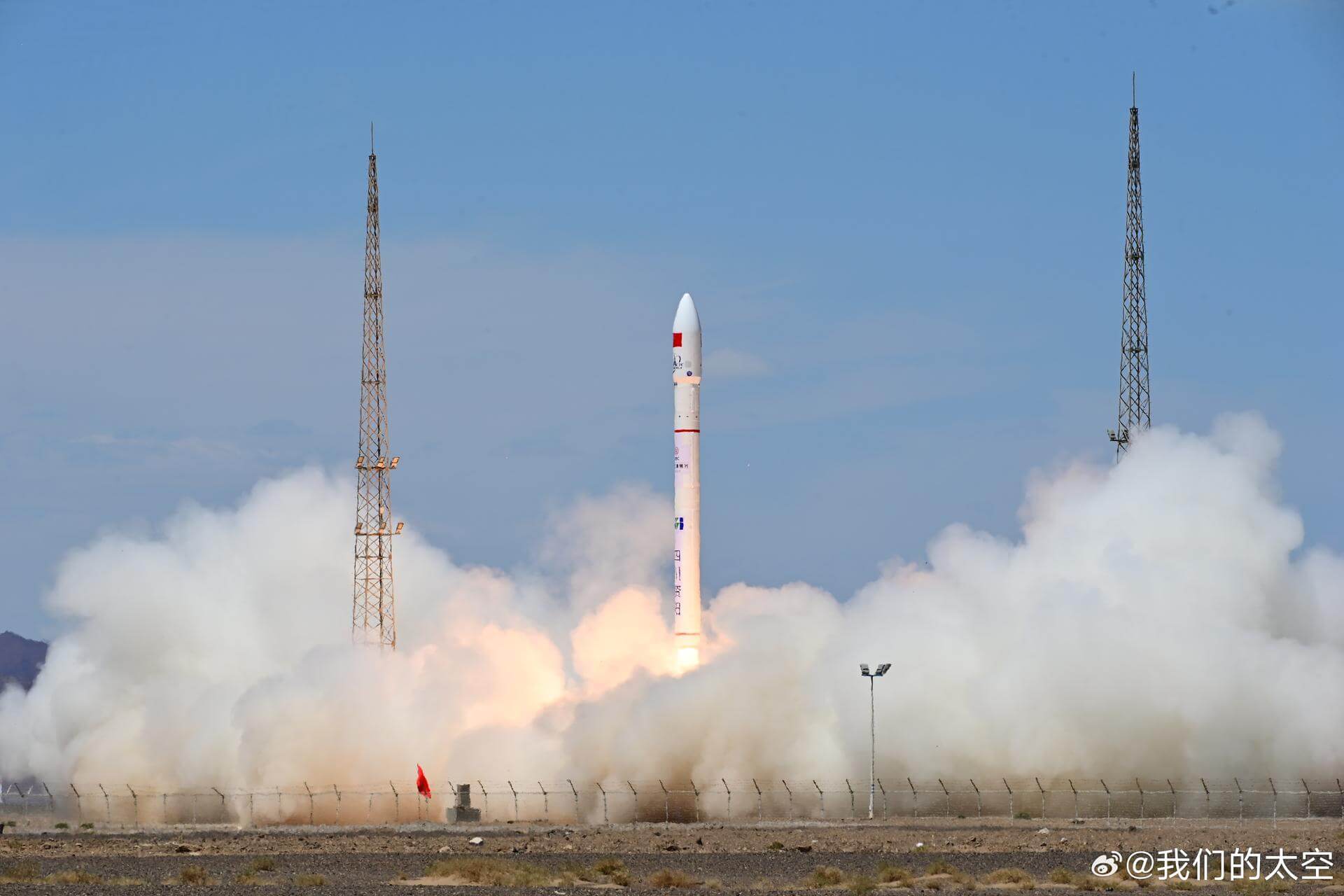
Space Brief 13 Mar 2025
Today's space brief highlights intriguing military satellite developments, new space launch strategies to counteract observation threats, and potential European defense industry advancements.


Launch Date
January 28, 2010
Launch Site
Launch Pad
LC81/24
Launch Vehicle
Proton-M/Briz-M
NORAD ID
36358
International Designator
2010-002A
Epoch
Sat, 04 Jul 2026 04:42:33 GMT
Apogee
Calculating...
Perigee
Calculating...
Inclination
3.66°
Right Ascension
78.65°
Eccentricity
Calculating...
Argument of Perigee
266.49°
Period
1455.05 min
Mean Motion
0.99 rev/day
Latitude
Calculating...
Longitude
Calculating...
Altitude
Calculating...
Velocity
Calculating...
Name
RADUGA-1M 2
Alternative Name
Raduga-1M
Type
Status
Owner
KVR
Country
Russia
Constellation
N/A
Related Satellites
Major Events
N/A
1 36358U 10002A 26185.19622462 .00000073 00000-0 00000-0 0 9992
2 36358 3.6624 78.6543 0005001 266.4867 236.5085 0.98965811 50197
Source: Celestrak
Length
5
Diameter
2
Span
20
Dry Mass
2500
Launch Mass
2750
Shape
Step Cyl + 2 Pan
Radar Cross Section
39.8107
Visual Magnitude
Unknown
Color
Unknown
Material Composition
Unknown
Payload
Globus-1M No. 12L
Purpose
Military Communication
Mission
Military Communication
Manufacturer
RESH/POLK
Life Expectancy
10 years
Bus
Globus
Configuration
MSS-2500-GSO
Motor
Unknown
Equipment
L, C, X and Ka-band transponders
Power System
2 deployable solar arrays, batteries
ADCS
Unknown
Transmitter Frequency
Unknown
Learn more about satellites and other related topics.
Today's space brief highlights intriguing military satellite developments, new space launch strategies to counteract observation threats, and potential European defense industry advancements.
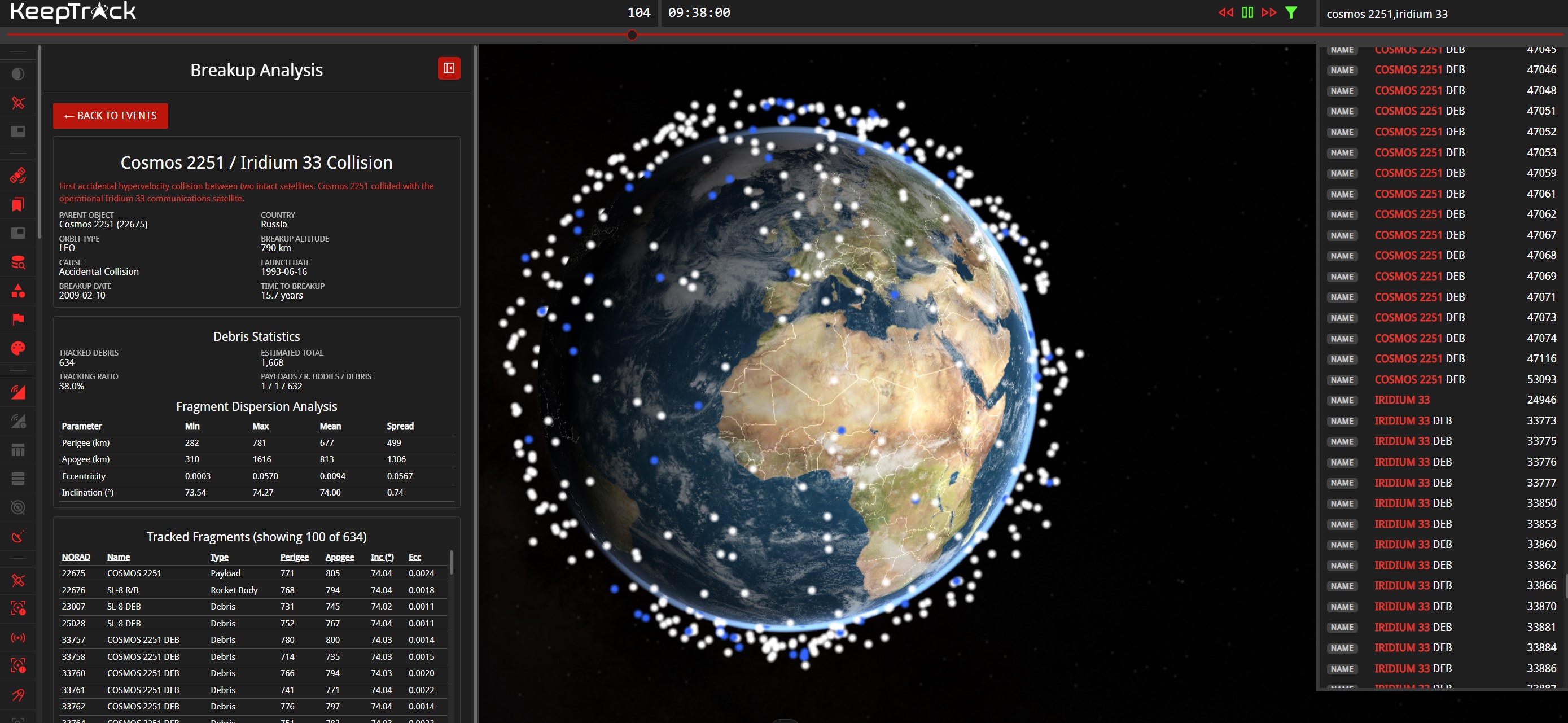
On February 10, 2009, an active Iridium communications satellite and a derelict Soviet military spacecraft slammed into each other 789 kilometers above Siberia. The collision produced more than 2,300 pieces of trackable debris that are still up there. Seventeen years later, the Iridium-Cosmos collision remains the event that made space debris a policy problem the world could no longer ignore.
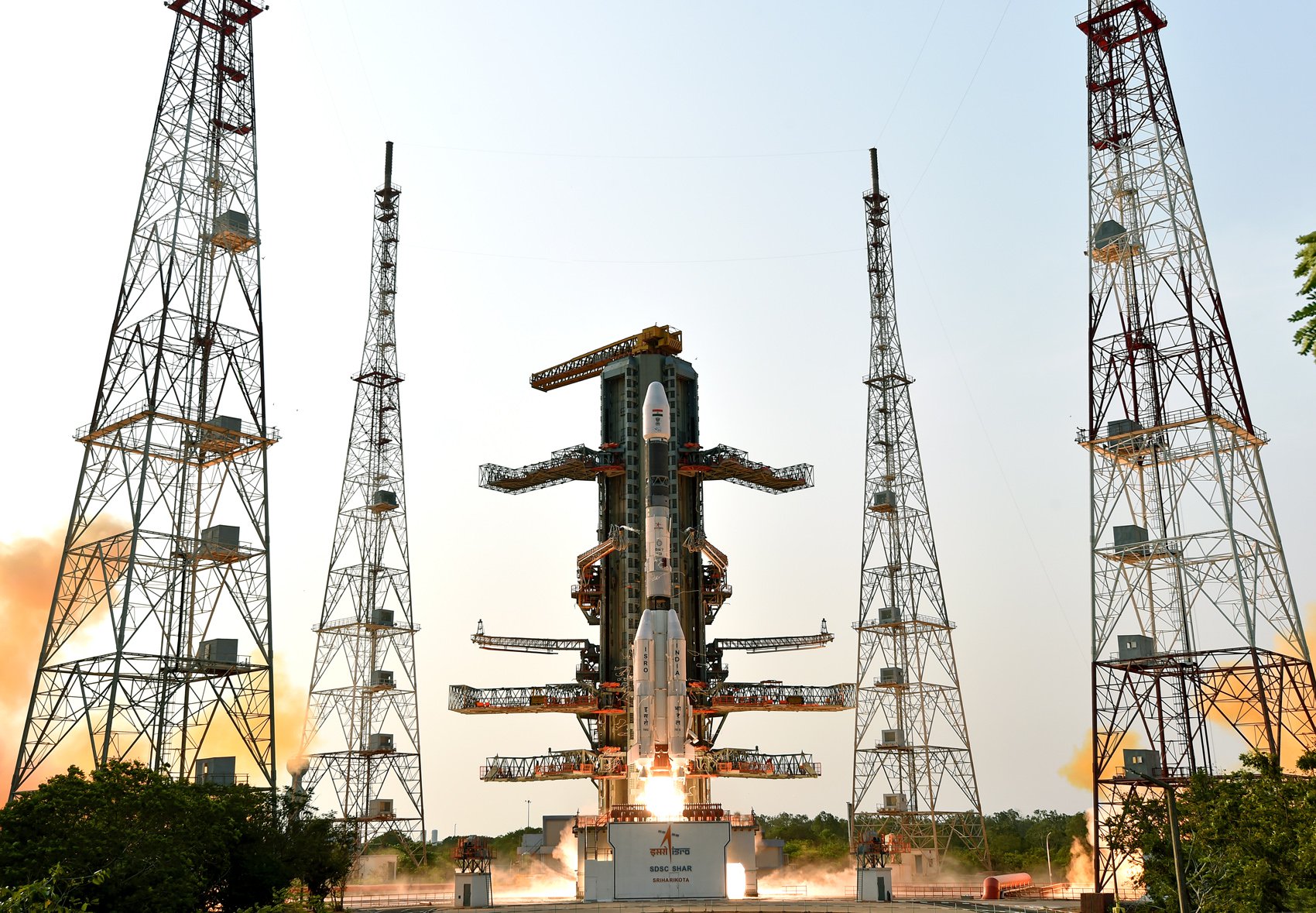
Today's briefing covers Spire Global's new intelligence products, a significant military buildup in the Pacific, Space Force organizational changes, and more.

SpaceX's Falcon 9 launches SpainSat NG-1 satellite as Starlink compatibility causes market ripples.
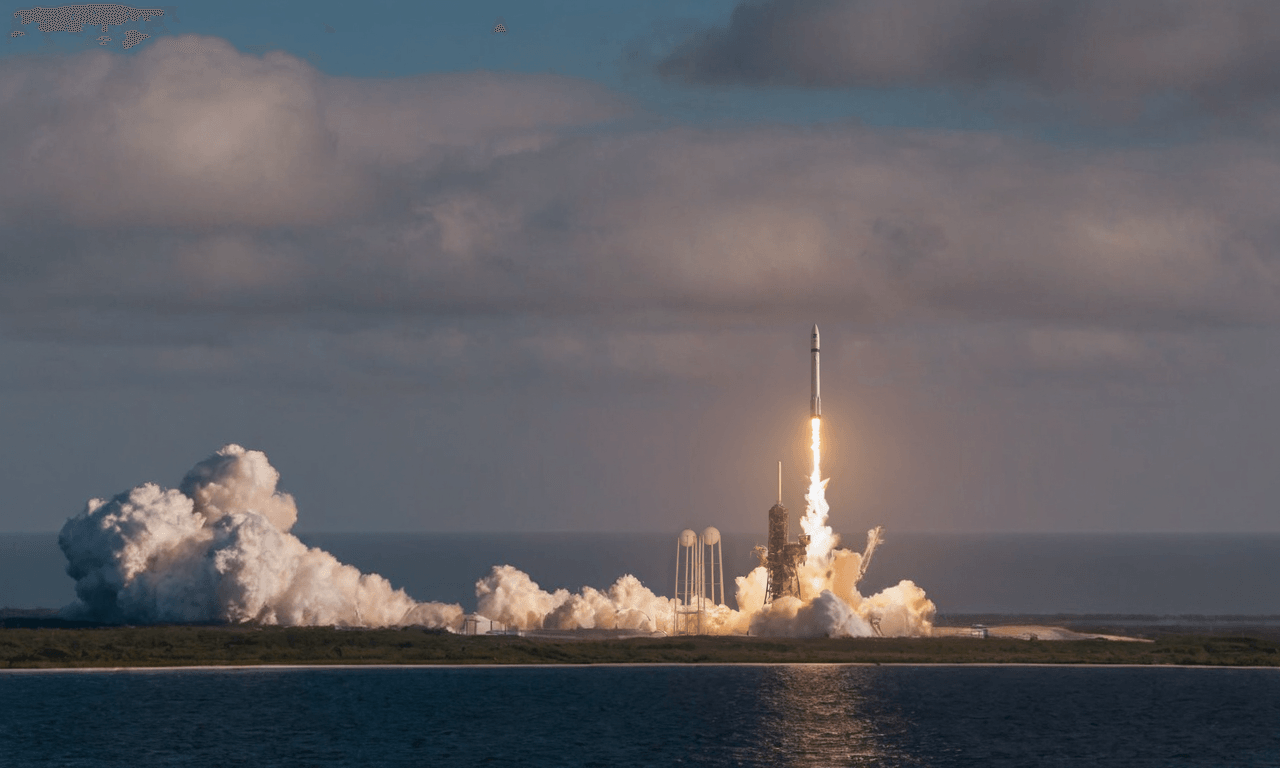
Today's briefing covers an exciting new satellite launch, a significant reentry, and unexpected space debris from a fragmentation event.

Explore the dynamic realms of Earth's orbits, from LEO to GEO, unraveling the crucial roles they play in global communication, navigation, and surveillance.
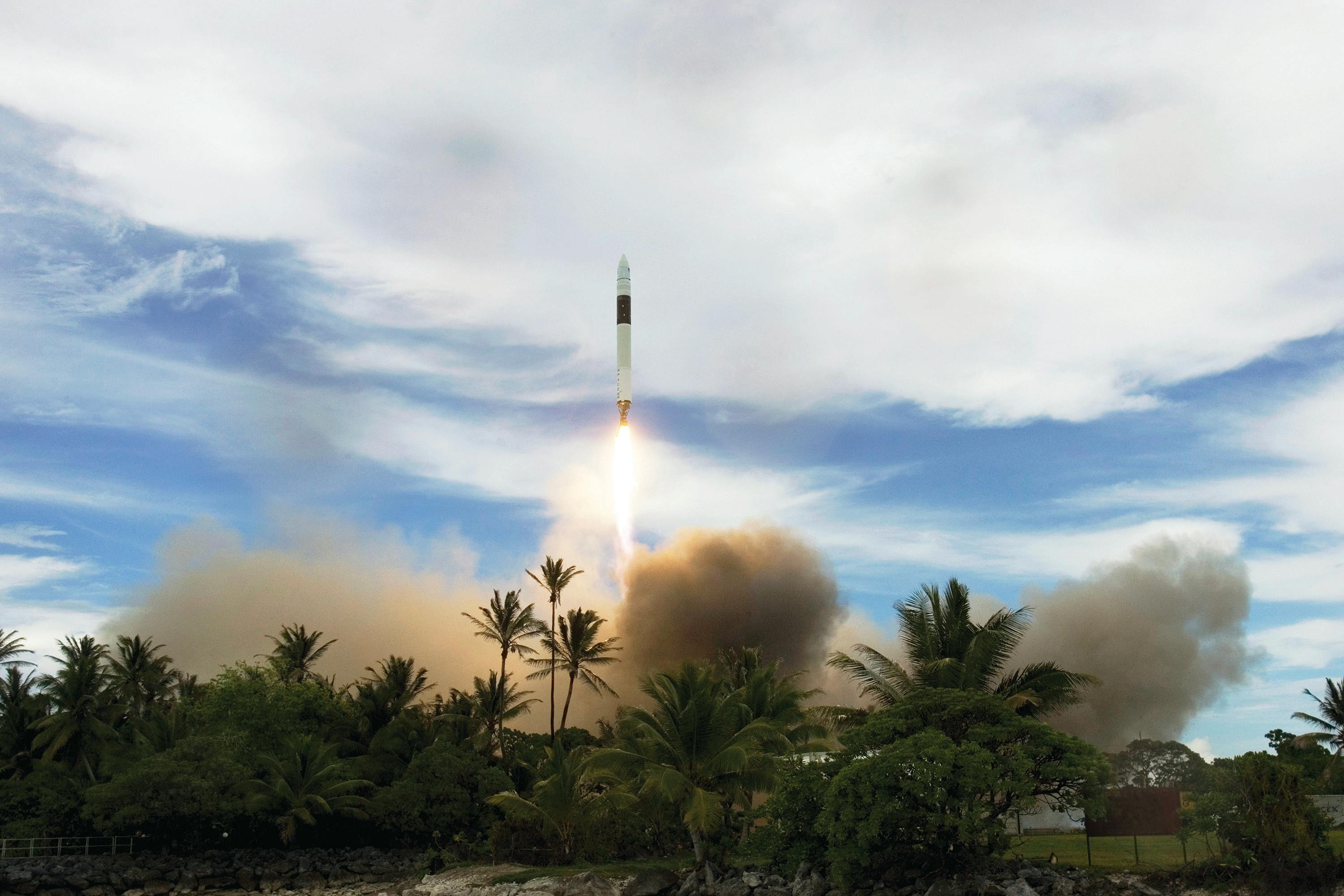
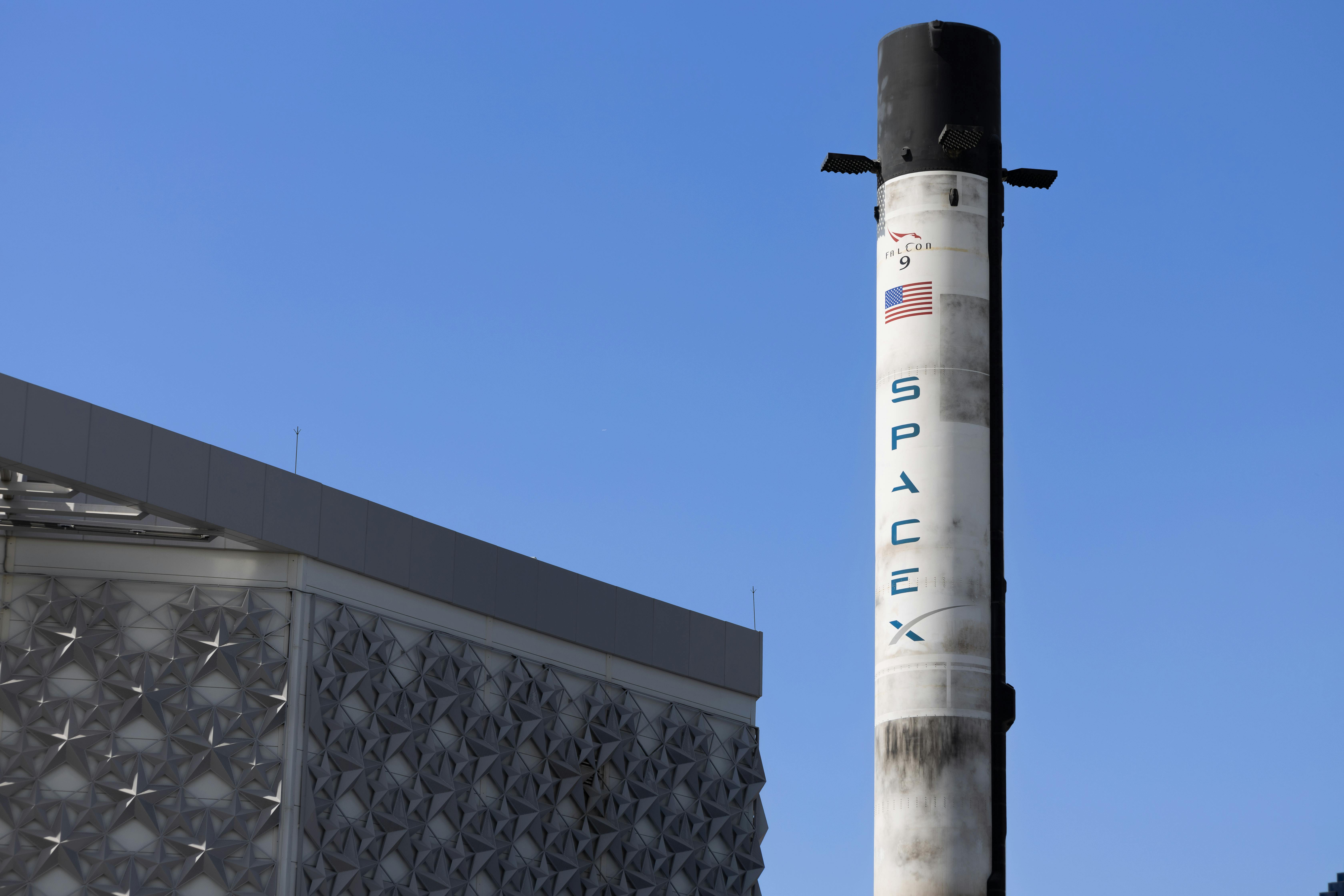
SpaceX's busy launch schedule faces scrubs, while industry leaders call for infrastructure upgrades, highlighting challenges in the bustling space sector.
A California firm wins NASA's Aeolus Mars orbiter contract, targeting 2028 launch for the first daily global Martian environment measurements.