


Andøya Spaceport
Europe's Arctic gateway to orbit. How Norway's Andøya Spaceport is positioning itself as the continent's answer to launch congestion - and what the failed Isar Aerospace test flight means for the road ahead.


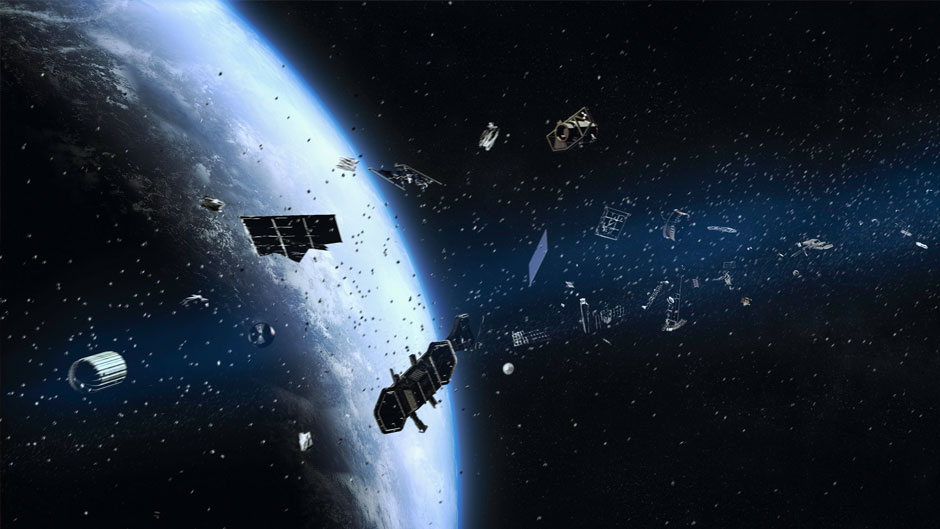
Launch Date
June 16, 1993
Launch Site
PLMSC
Launch Pad
LC132/1
Launch Vehicle
Kosmos 11K65M
NORAD ID
35015
International Designator
1993-036AGC
Epoch
Fri, 03 Jul 2026 18:36:20 GMT
Apogee
Calculating...
Perigee
Calculating...
Inclination
73.95°
Right Ascension
212.89°
Eccentricity
Calculating...
Argument of Perigee
33.54°
Period
99.44 min
Mean Motion
14.48 rev/day
Latitude
Calculating...
Longitude
Calculating...
Altitude
Calculating...
Velocity
Calculating...
Name
COSMOS 2251 DEB
Alternative Name
deb Kosmos-2251
Type
Status
Owner
KVR
Country
Russia
Constellation
N/A
Related Satellites
Major Events
N/A
1 35015U 93036AGC 26184.77523441 .00002490 00000-0 65479-3 0 9998
2 35015 73.9458 212.8917 0073470 33.5441 85.9811 14.48053016683789
Source: Celestrak
Length
0
Diameter
0
Span
0
Dry Mass
0
Launch Mass
0
Shape
N/A
Radar Cross Section
0.0072
Visual Magnitude
Unknown
Color
Unknown
Material Composition
Unknown
Payload
Unknown
Purpose
Unknown
Mission
Unknown
Manufacturer
Unknown
Life Expectancy
Unknown
Bus
Unknown
Configuration
Unknown
Motor
Unknown
Equipment
Unknown
Power System
Unknown
ADCS
Unknown
Transmitter Frequency
Unknown
Learn more about satellites and other related topics.
Europe's Arctic gateway to orbit. How Norway's Andøya Spaceport is positioning itself as the continent's answer to launch congestion - and what the failed Isar Aerospace test flight means for the road ahead.

Today's briefing covers a DARPA award for Redwire's innovative satellite project, Ursa Major's expansion in defense engines, a Rocket Lab military test flight, and more.
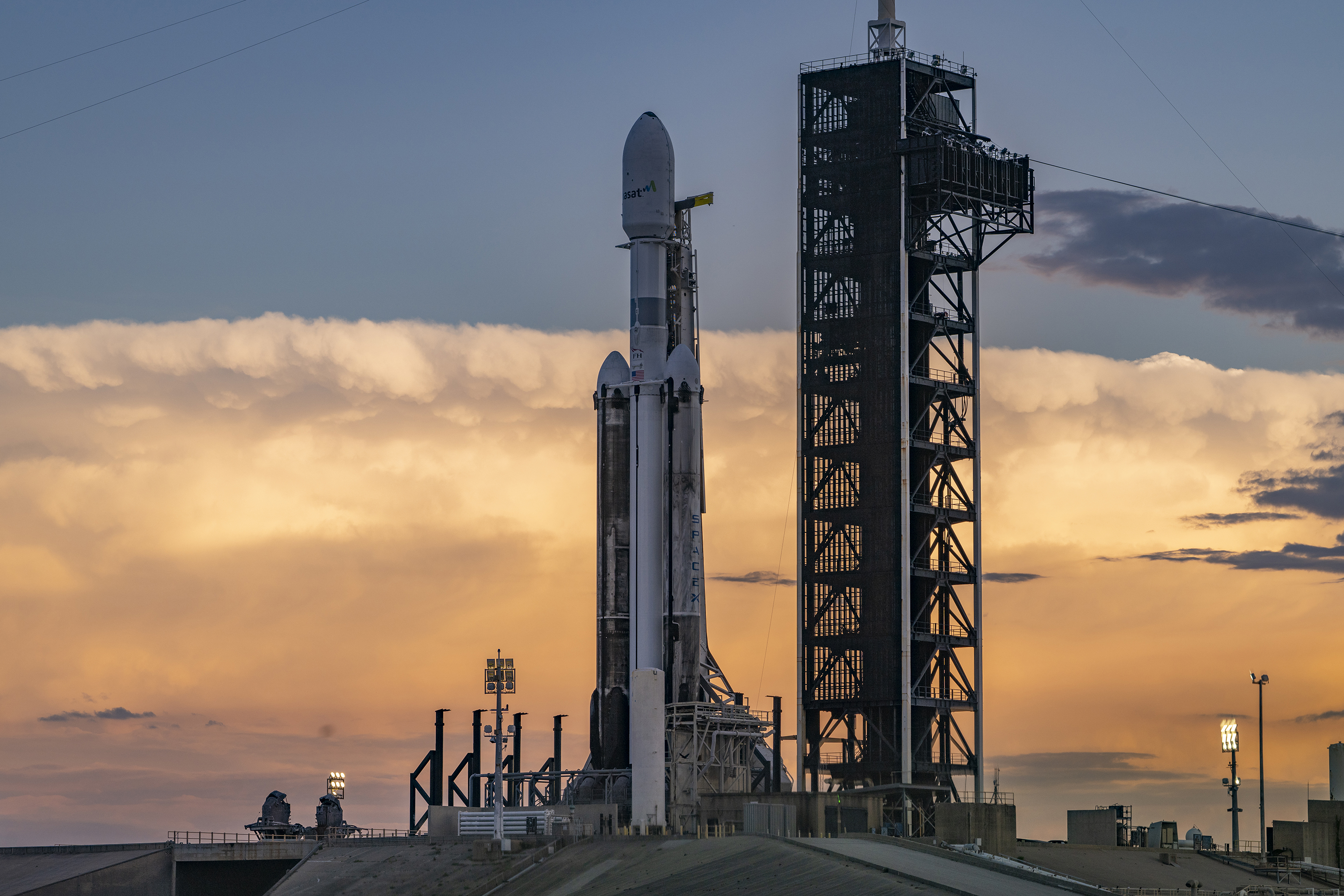
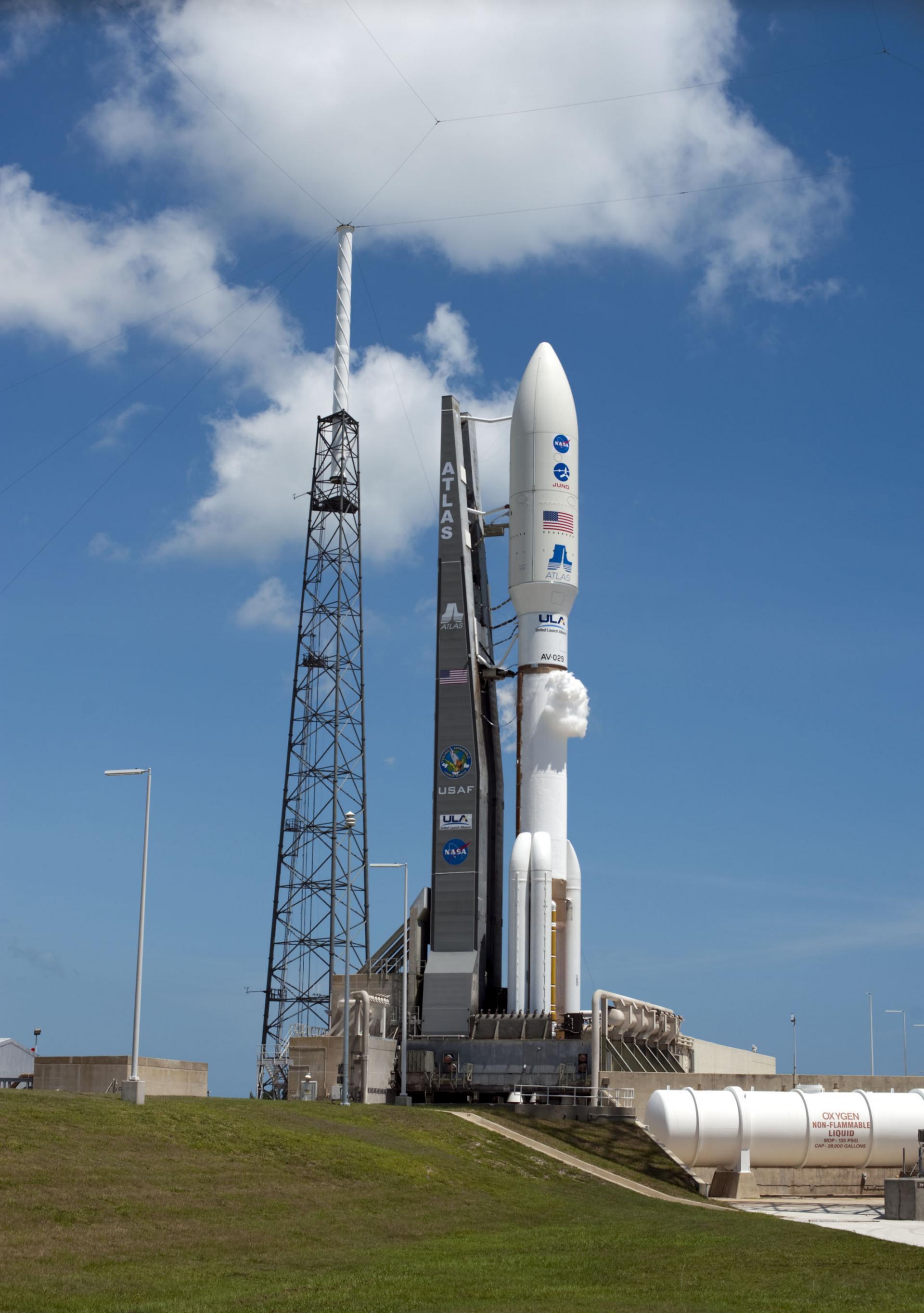
ULA's Atlas V deployed 29 Amazon Kuiper LEO satellites on April 27. Falcon Heavy returns this week with ViaSat-3 F3. Six orbital launches scheduled across three continents.
China successfully recovered a Long March 10C first stage booster, positioning the methalox rocket as its primary commercial launcher. Reusable boosters reshape Beijing's LEO constellation strategy.
Shenzhou-23 docked with Tiangong May 24 with 3 astronauts, including Hong Kong's first crew member. One will stay ~1 year in orbit.
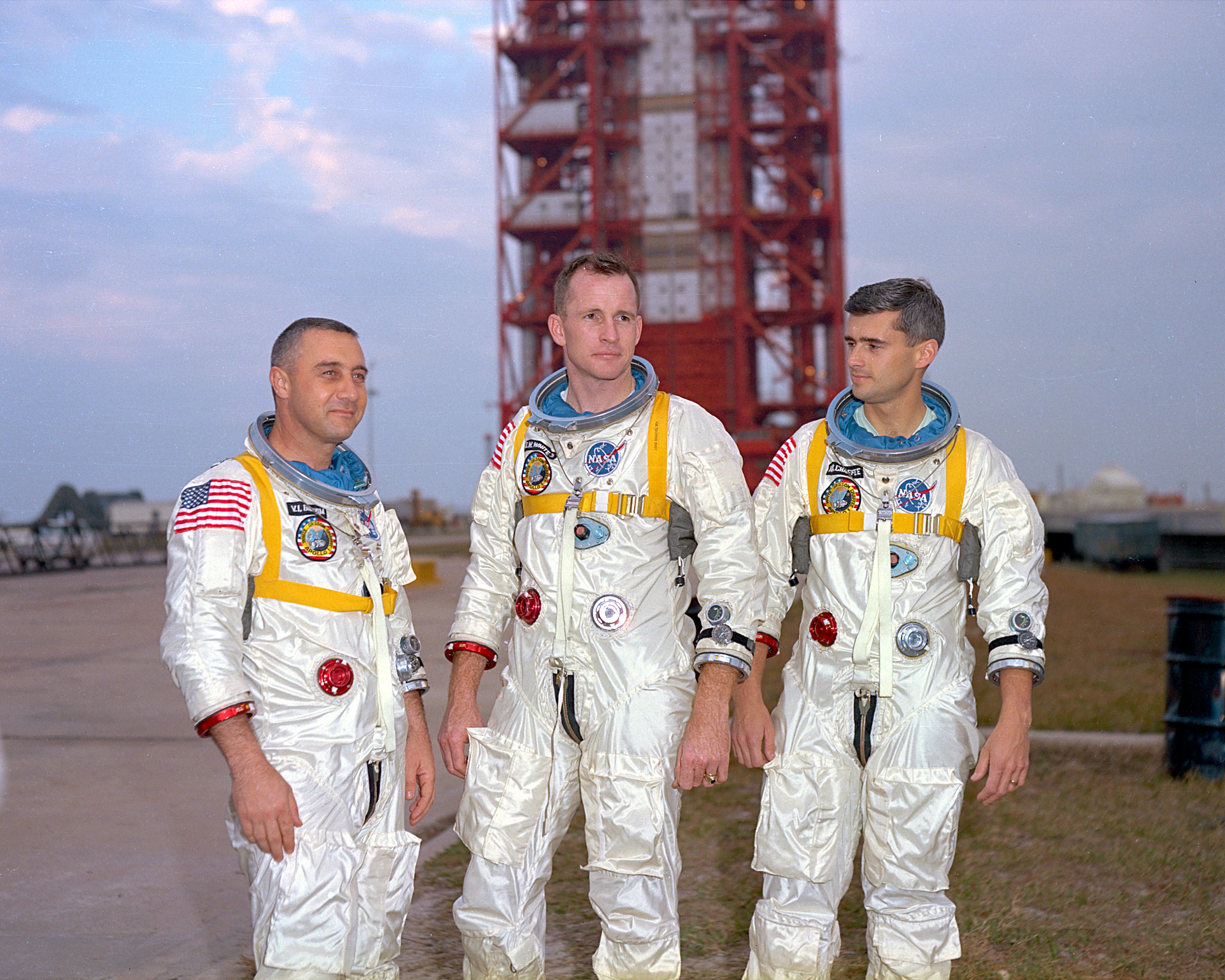
Fifty-eight years ago, a tragic fire during a routine test transformed spacecraft design and created the foundation of modern spaceflight safety culture
Today's brief covers a new Space Force contract for advanced tracking systems, innovative debris removal strategies, pivotal new satellite launches, and significant updates in air quality tracking from orbit.
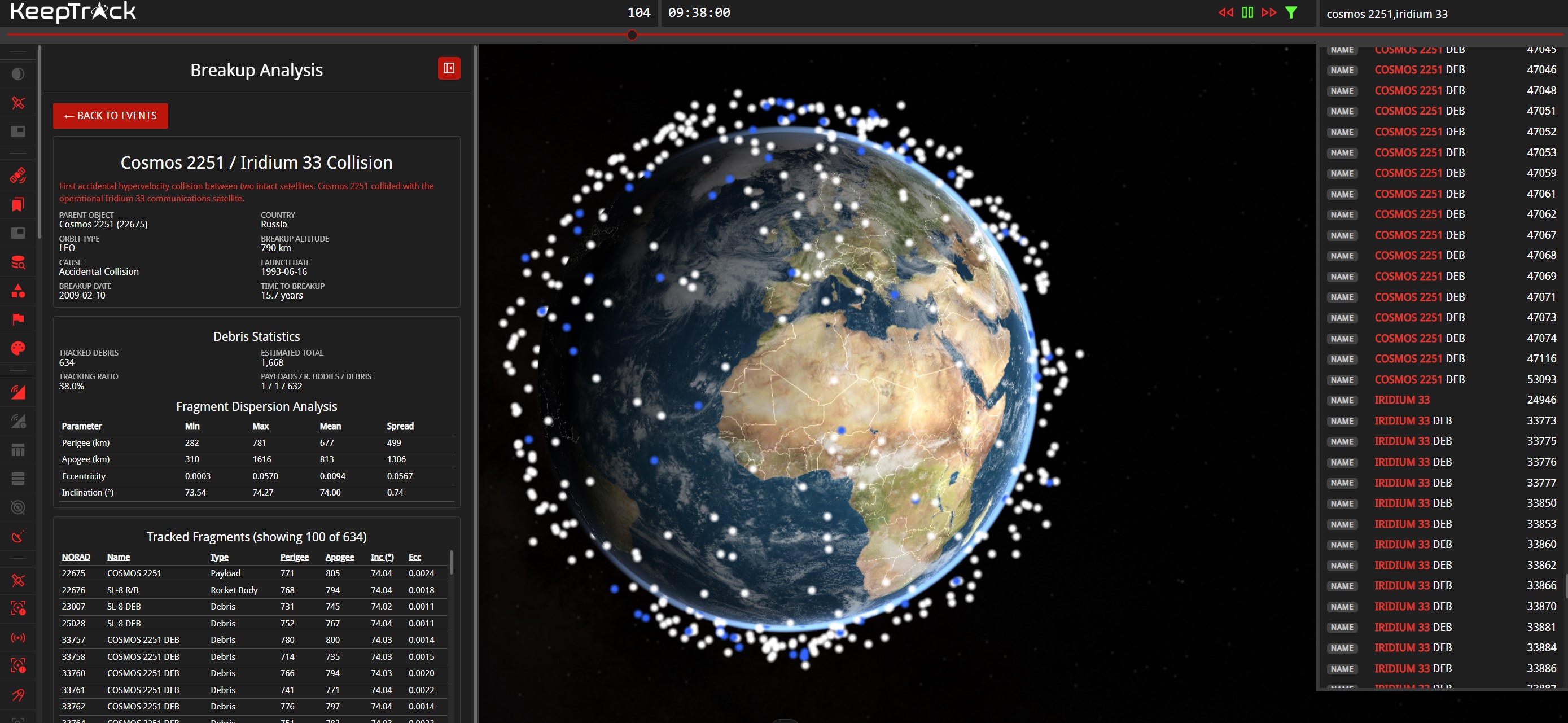
On February 10, 2009, an active Iridium communications satellite and a derelict Soviet military spacecraft slammed into each other 789 kilometers above Siberia. The collision produced more than 2,300 pieces of trackable debris that are still up there. Seventeen years later, the Iridium-Cosmos collision remains the event that made space debris a policy problem the world could no longer ignore.