


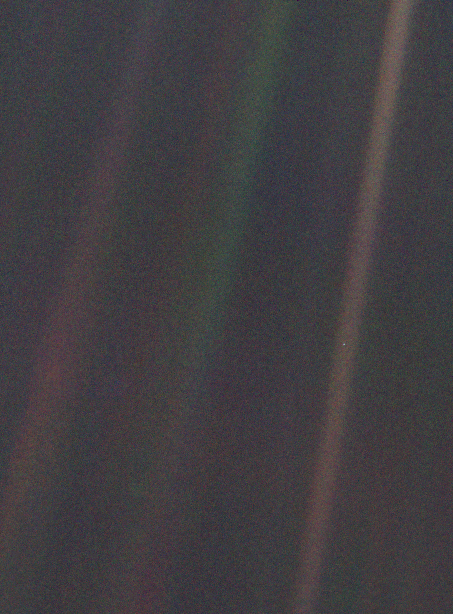
The Day Earth Became a Pale Blue Dot
Thirty-five years ago, Voyager 1 captured a revolutionary series of images from the edge of our solar system, forever changing how humanity sees its place in the cosmos



Launch Date
June 16, 1993
Launch Site
PLMSC
Launch Pad
LC132/1
Launch Vehicle
Kosmos 11K65M
NORAD ID
34141
International Designator
1993-036LN
Epoch
Fri, 03 Jul 2026 22:52:37 GMT
Apogee
Calculating...
Perigee
Calculating...
Inclination
74.01°
Right Ascension
6.27°
Eccentricity
Calculating...
Argument of Perigee
45.36°
Period
99.20 min
Mean Motion
14.52 rev/day
Latitude
Calculating...
Longitude
Calculating...
Altitude
Calculating...
Velocity
Calculating...
Name
COSMOS 2251 DEB
Alternative Name
deb Kosmos-2251
Type
Status
Owner
KVR
Country
Russia
Constellation
N/A
Related Satellites
Major Events
N/A
1 34141U 93036LN 26184.95320944 .00005963 00000-0 14668-2 0 9991
2 34141 74.0096 6.2692 0052176 45.3558 114.5934 14.51642851906400
Source: Celestrak
Length
0
Diameter
0
Span
0
Dry Mass
0
Launch Mass
0
Shape
N/A
Radar Cross Section
0.0116
Visual Magnitude
Unknown
Color
Unknown
Material Composition
Unknown
Payload
Unknown
Purpose
Unknown
Mission
Unknown
Manufacturer
Unknown
Life Expectancy
Unknown
Bus
Unknown
Configuration
Unknown
Motor
Unknown
Equipment
Unknown
Power System
Unknown
ADCS
Unknown
Transmitter Frequency
Unknown
Learn more about satellites and other related topics.
Thirty-five years ago, Voyager 1 captured a revolutionary series of images from the edge of our solar system, forever changing how humanity sees its place in the cosmos

Today's briefing covers Chinese satellite launches, military defense strategies in space, increasing launch activity at the Space Coast, and potential rivals to SpaceX's Starlink.
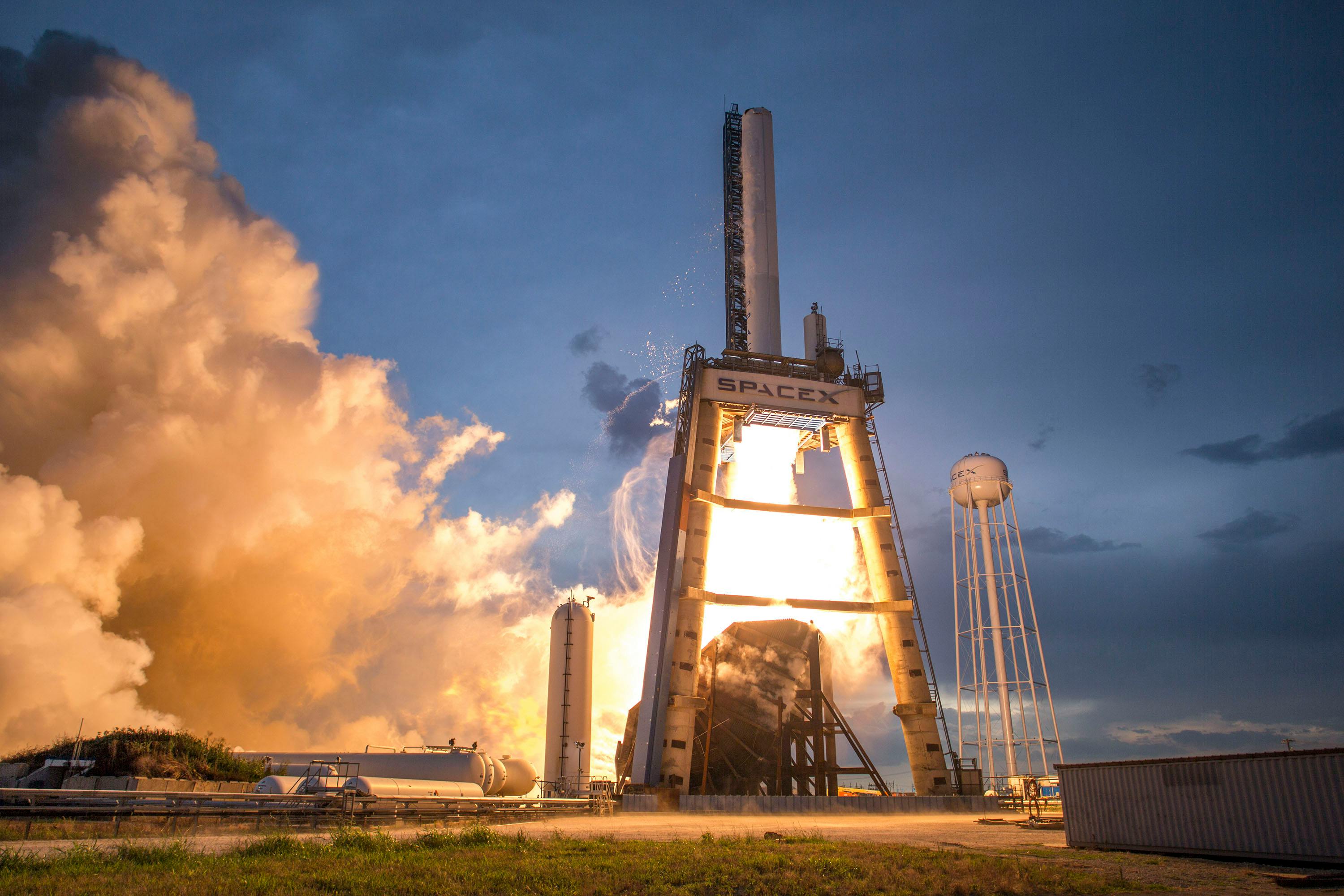
SpaceX continues its Starship testing while advancing Starlink deployments, and collaborates on satellite missions with industry partners.
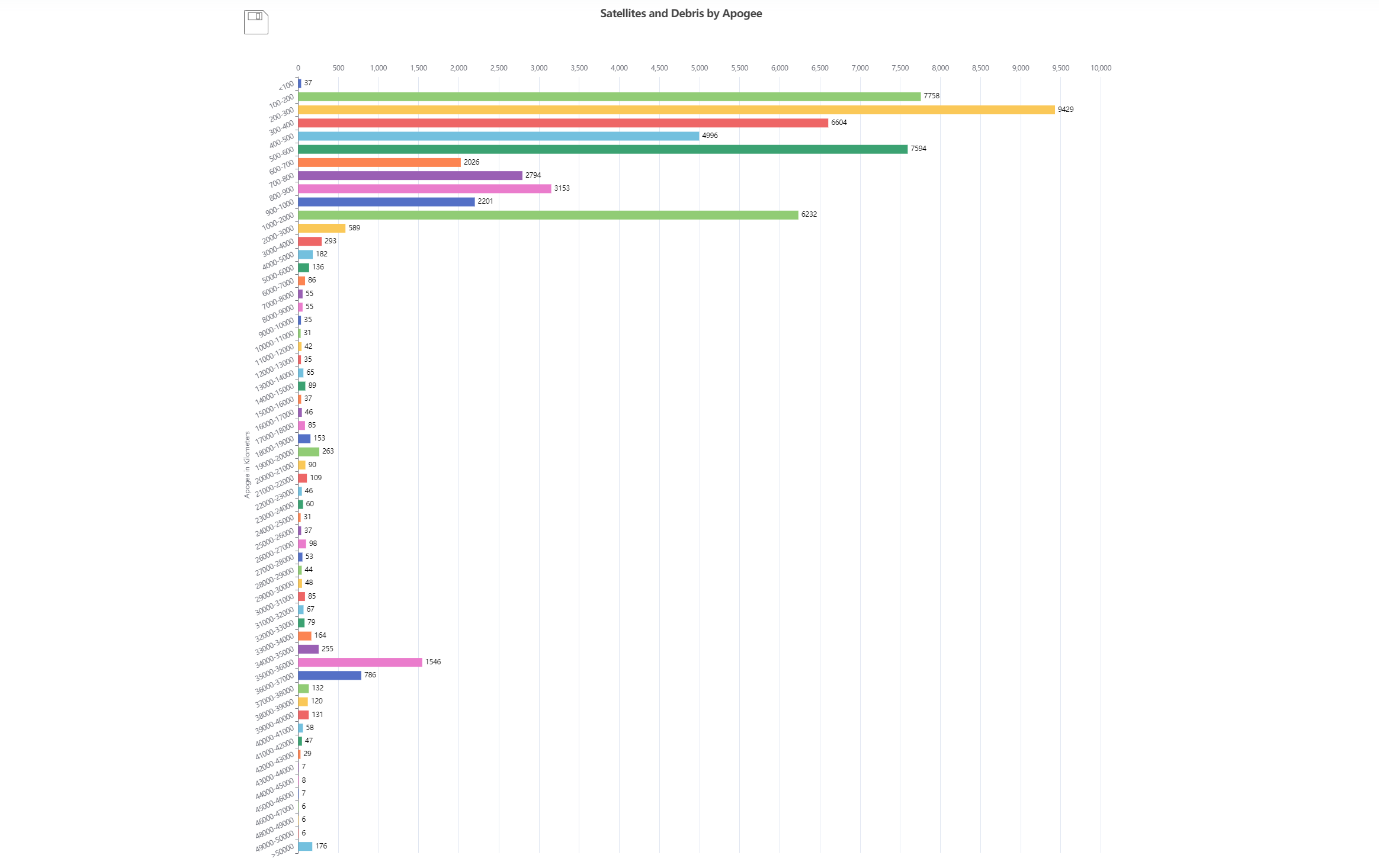
A user suggestion led to the addition of new visualizations for satellites, debris, and unidentified objects across different orbits in KeepTrack.
NASA's Artemis 3 lunar landing mission schedule continues slipping over 2 months after revised plans announced, with no crew or surface activity details released publicly yet.
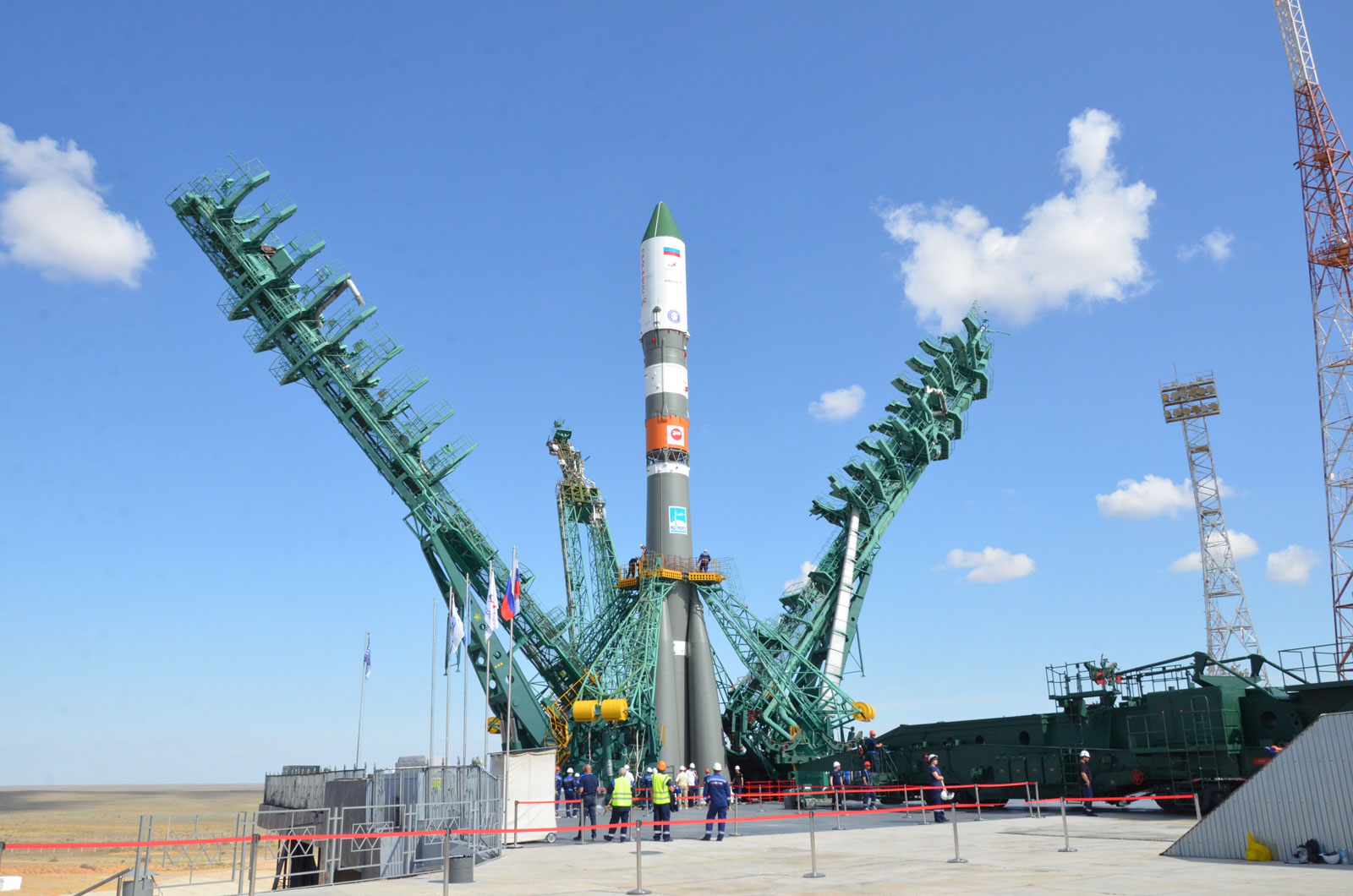
Today's brief covers significant developments in missile defense, military space operations, and upcoming rocket launches. Keep an eye on the evolving Golden Dome program and the advanced capabilities it brings.
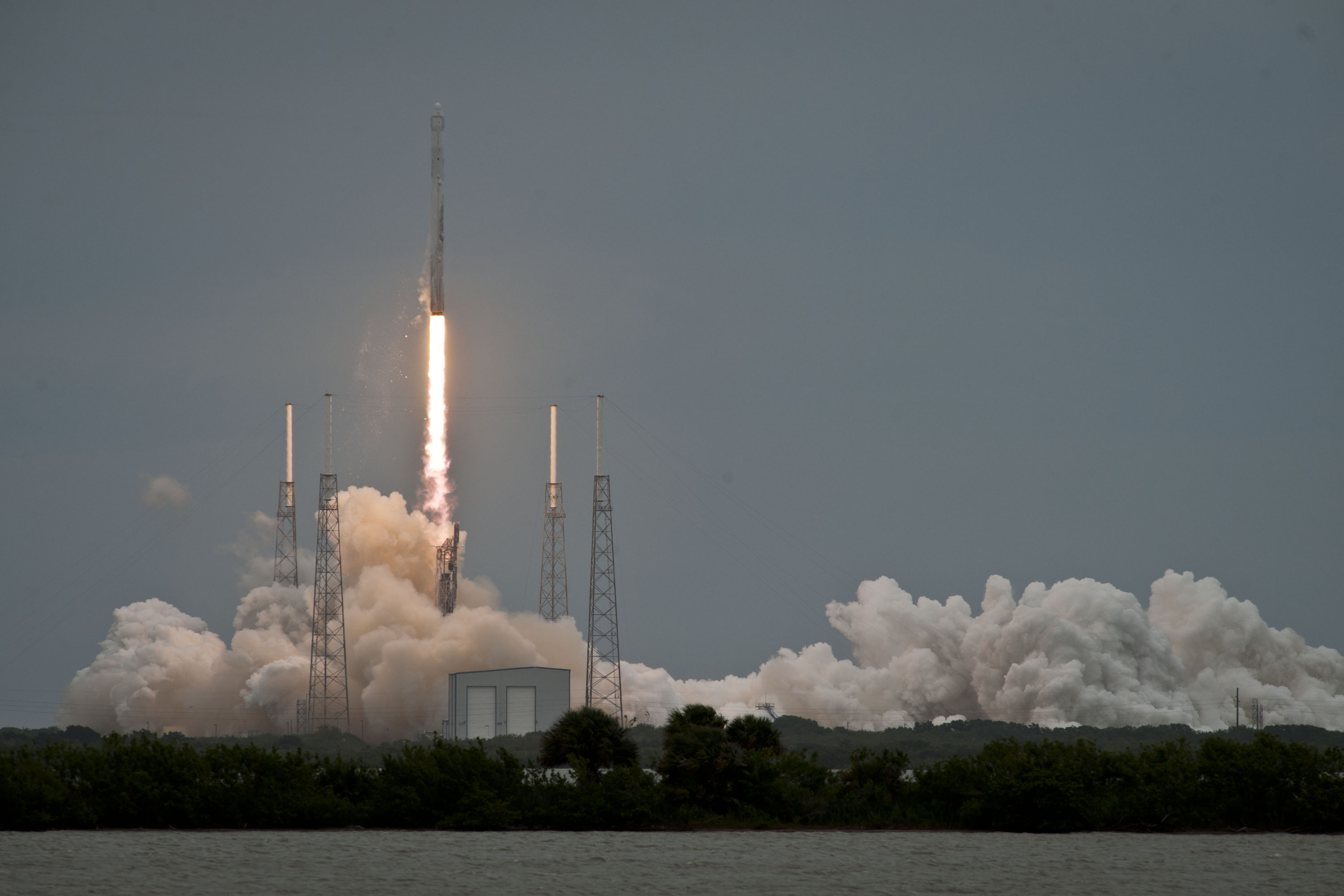
On April 18, 2014, a Falcon 9 first stage did something no orbital rocket had ever done before. It fired its engines on the way down, steered itself through the atmosphere using grid fins that did not yet exist, and touched the Atlantic Ocean softly enough to survive the impact. Nobody recovered it. The data was the whole point.
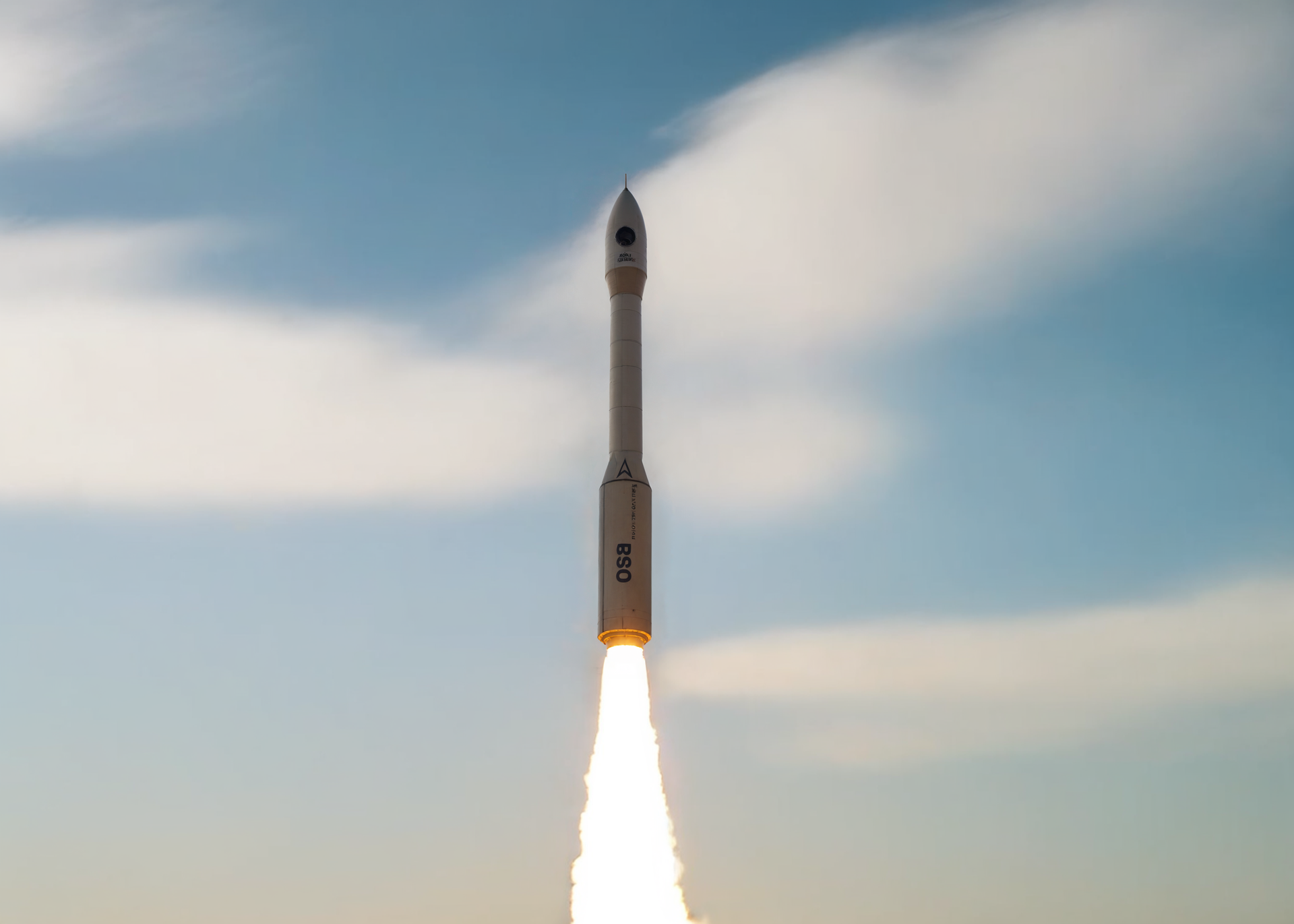
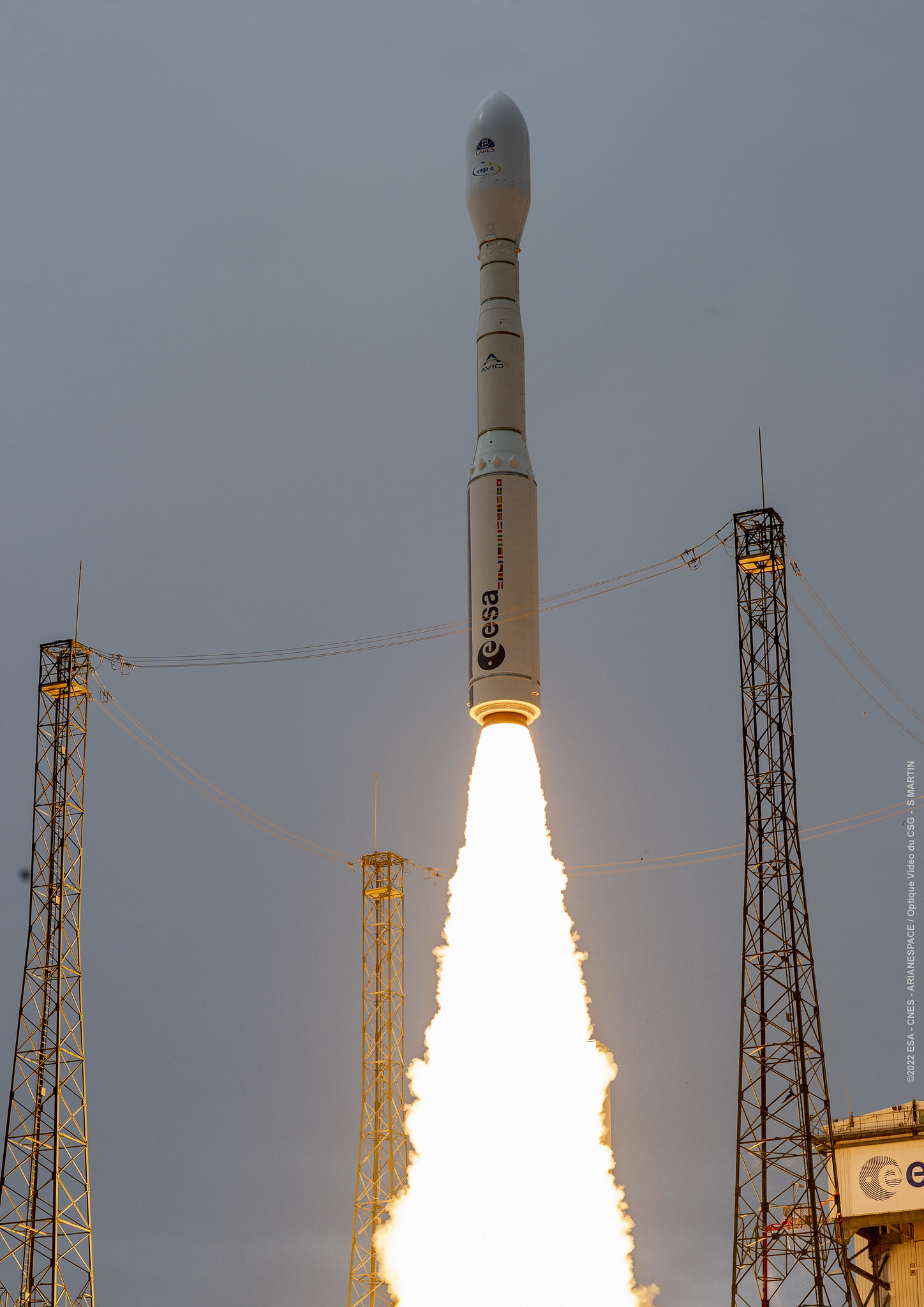
Today we cover the final launch of Vega's original version, a significant milestone for SpaceX with the U.S. military, preparations for NASA's Starliner return, and more.