

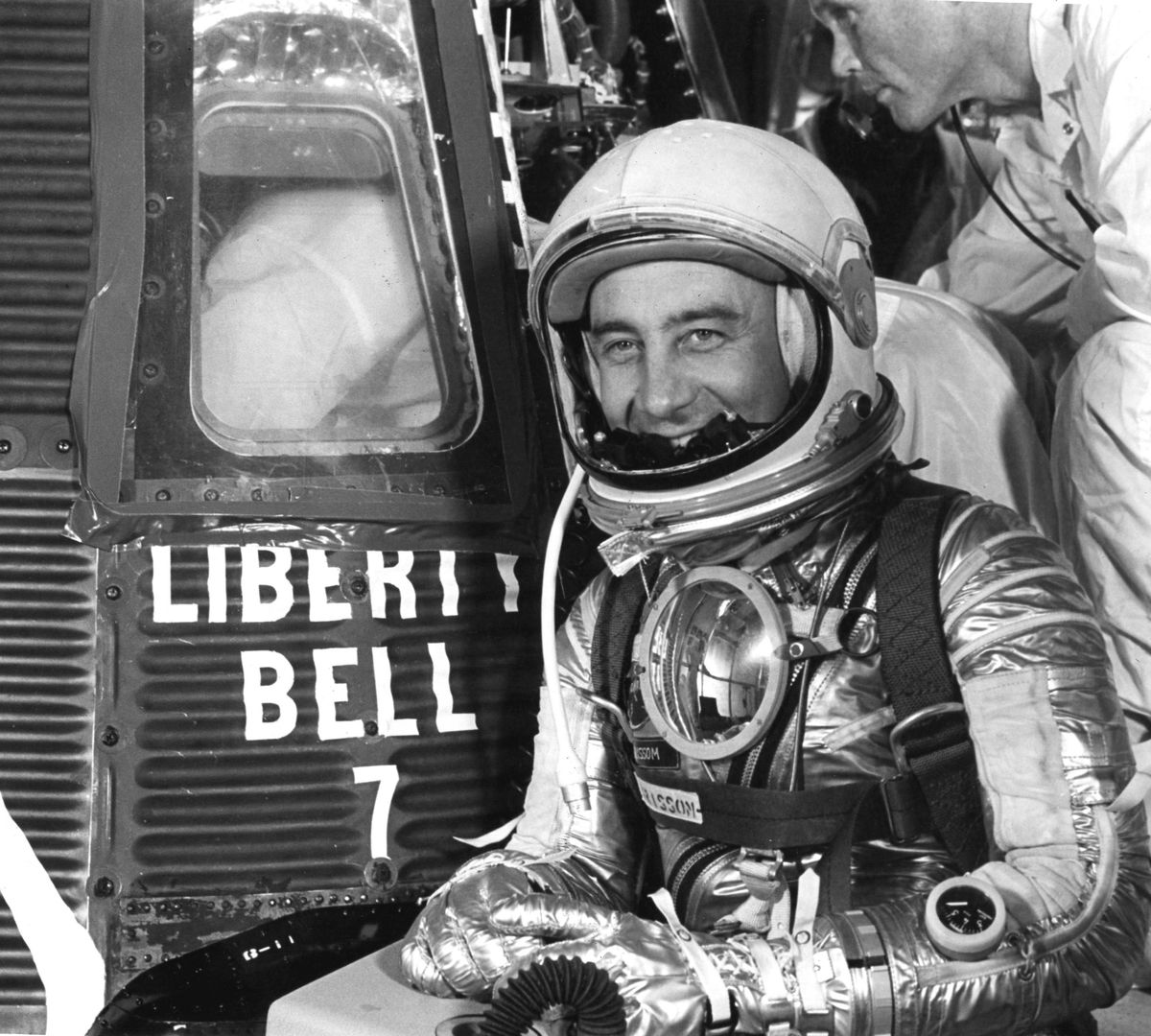
The Day NASA Chose Its First Space Pioneers
Sixty-four years ago, NASA made a decision that would shape the future of human spaceflight by selecting three astronauts to compete for America's first journey into space



Launch Date
May 10, 1999
Launch Site
TAISC
Launch Pad
LC7
Launch Vehicle
Chang Zheng 4B
NORAD ID
33649
International Designator
1999-025DEJ
Decay Date
5/28/2019
Name
FENGYUN 1C DEB
Alternative Name
deb FY-1C
Type
Status
Owner
CASC
Country
China
Constellation
N/A
Related Satellites
Major Events
N/A
Length
0
Diameter
0
Span
0
Dry Mass
0
Launch Mass
0
Shape
N/A
Radar Cross Section
0.0146
Visual Magnitude
Unknown
Color
Unknown
Material Composition
Unknown
Payload
Unknown
Purpose
Unknown
Mission
Unknown
Manufacturer
Unknown
Life Expectancy
Unknown
Bus
Unknown
Configuration
Unknown
Motor
Unknown
Equipment
Unknown
Power System
Unknown
ADCS
Unknown
Transmitter Frequency
Unknown
Learn more about satellites and other related topics.
Sixty-four years ago, NASA made a decision that would shape the future of human spaceflight by selecting three astronauts to compete for America's first journey into space
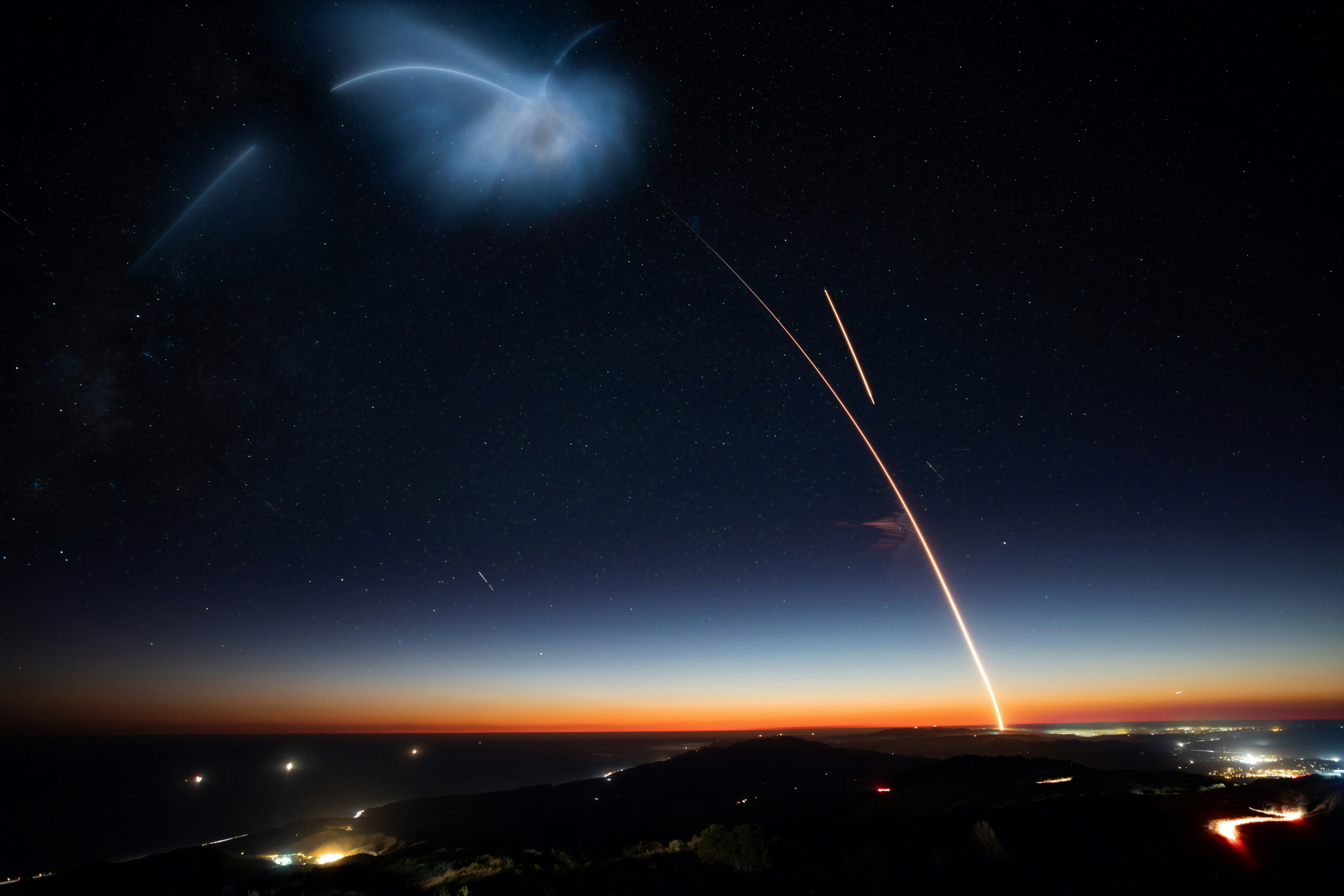
Starship Flight 12 status for May 2026: SpaceX targets mid-May with a revised trajectory, while Starlink 10-38 lofts 29 satellites from Cape Canaveral.

Johns Hopkins researchers use seismic networks to track space debris in near real-time. Pentagon faces Golden Dome production scale challenges. SpaceX launches 25 Starlink sats in seventh 2026 mission.
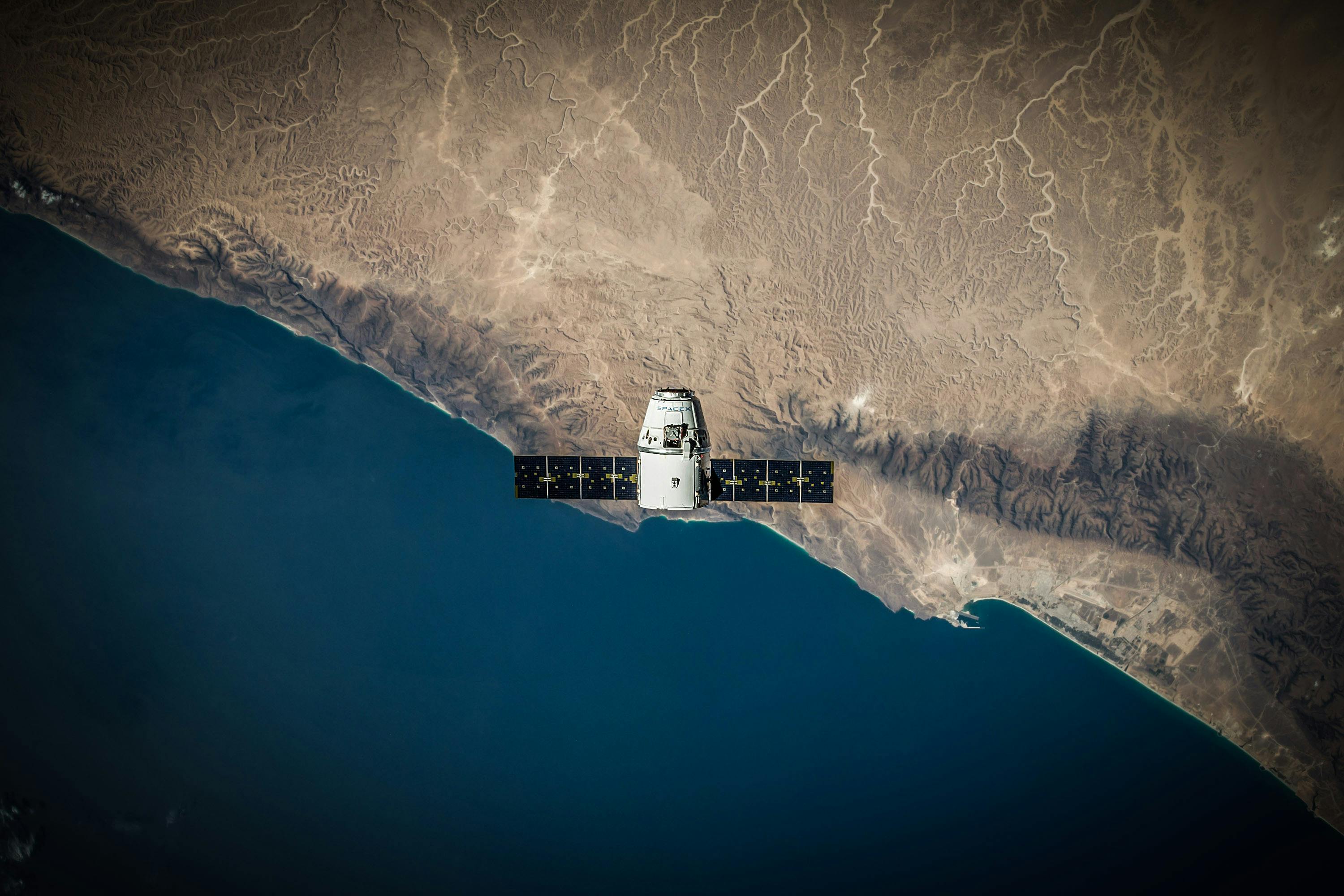
On December 14, 2025, SpaceX achieved a significant milestone with its 550th booster landing following the launch of 27 new Starlink satellites, while exploring potential IPO strategies to fund future projects.

SpaceX preps for Starship Flight 6 while Shotwell predicts Starship's future impact. Impulse Space secures Falcon 9 launches, and potential shifts in US space policy loom.

Explore today's key space events including China's satellite launch, ULA's Vulcan rocket preparations, significant budget bills from Congress, and discussions on lunar business prospects.

Falcon Heavy flew for the first time in eighteen months on April 29, 2026, expending its center core to push Viasat's final ViaSat-3 satellite toward geostationary orbit. The mission is a flagship rocket doing what only it can still do, for an operator betting six tons of high-throughput hardware on a market Starlink is rapidly redefining.
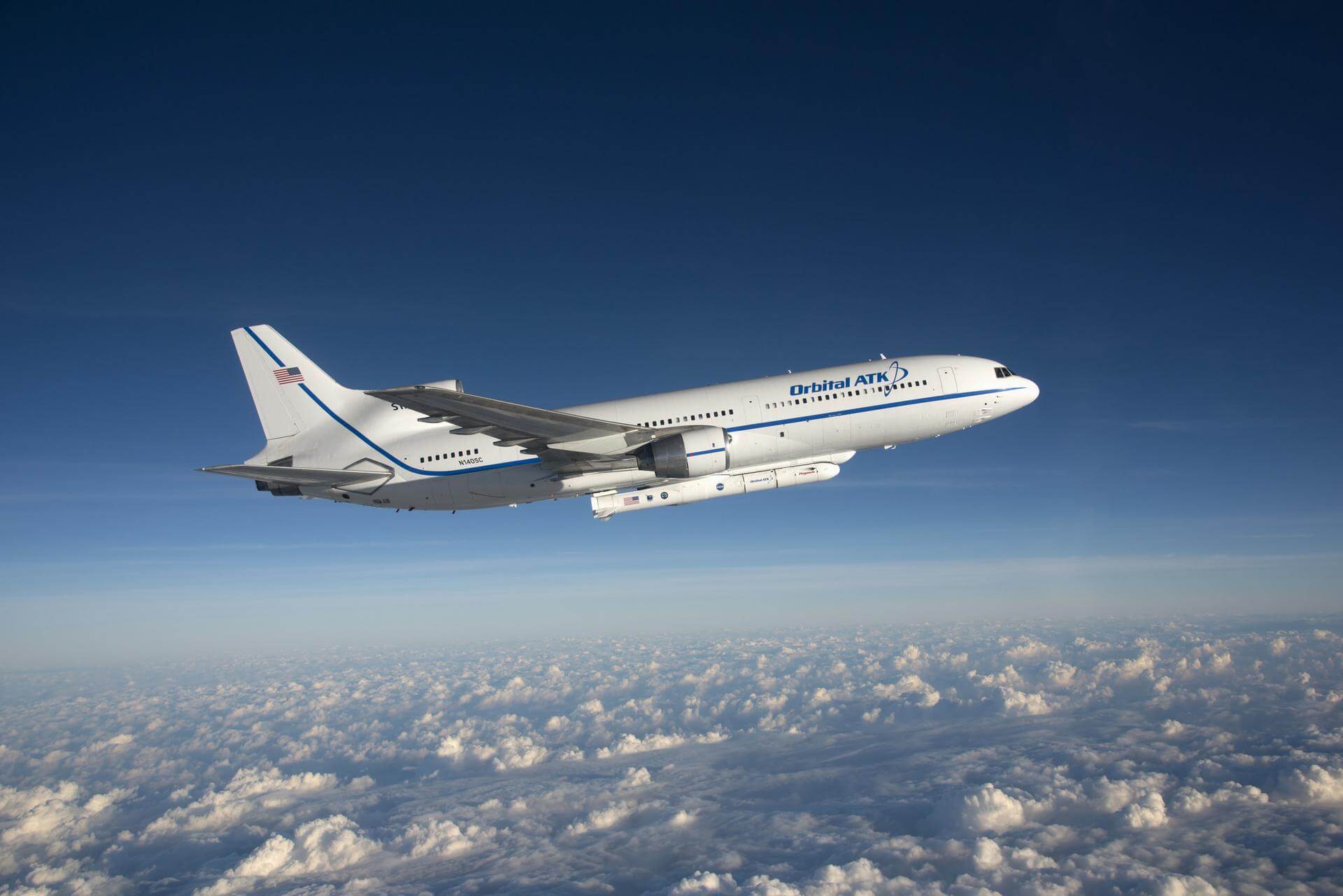
ULA launched Atlas 5 551 configuration for final time on July 1, deploying Amazon Kuiper broadband satellites. New Glenn pad rebuild underway at LC-36 after May explosion.