


X Report 11 Jan 2025
Starship Flight 7 scheduled for Jan 13, SpaceX sets Falcon 9 record, and NRO expands spy satellite constellation.



Launch Date
May 10, 1999
Launch Site
TAISC
Launch Pad
LC7
Launch Vehicle
Chang Zheng 4B
NORAD ID
33613
International Designator
1999-025DCW
Epoch
Wed, 01 Jul 2026 10:42:05 GMT
Apogee
Calculating...
Perigee
Calculating...
Inclination
98.68°
Right Ascension
260.17°
Eccentricity
Calculating...
Argument of Perigee
209.37°
Period
100.33 min
Mean Motion
14.35 rev/day
Latitude
Calculating...
Longitude
Calculating...
Altitude
Calculating...
Velocity
Calculating...
Name
FENGYUN 1C DEB
Alternative Name
deb FY-1C
Type
Status
Owner
CASC
Country
China
Constellation
N/A
Related Satellites
Major Events
N/A
1 33613U 99025DCW 26182.44589682 .00005889 00000-0 20587-2 0 9990
2 33613 98.6845 260.1715 0029603 209.3721 150.5801 14.35317415673879
Source: Celestrak
Length
0
Diameter
0
Span
0
Dry Mass
0
Launch Mass
0
Shape
N/A
Radar Cross Section
0.0105
Visual Magnitude
Unknown
Color
Unknown
Material Composition
Unknown
Payload
Unknown
Purpose
Unknown
Mission
Unknown
Manufacturer
Unknown
Life Expectancy
Unknown
Bus
Unknown
Configuration
Unknown
Motor
Unknown
Equipment
Unknown
Power System
Unknown
ADCS
Unknown
Transmitter Frequency
Unknown
Learn more about satellites and other related topics.
Starship Flight 7 scheduled for Jan 13, SpaceX sets Falcon 9 record, and NRO expands spy satellite constellation.

SpaceX Falcon 9 booster B1067 set for 36th flight Thursday with Starlink 10-42 mission from Cape Canaveral. Long March 10B debuts Friday in China.
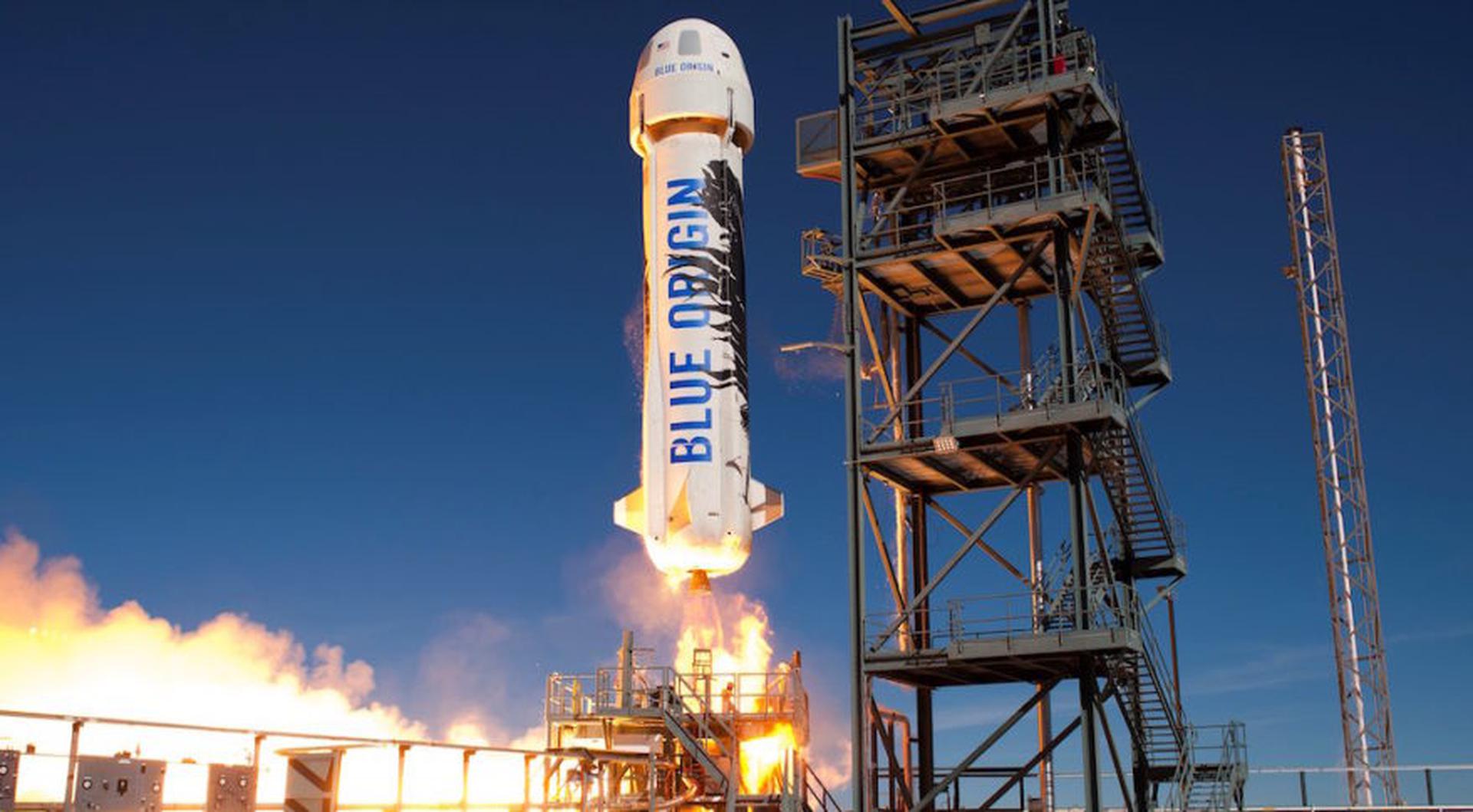
China launches Yaogan spacecraft into unusual orbit and Guowang constellation satellites to start 2026. NASA and DOE plan lunar nuclear reactor by 2030. Space Force switches GPS launch rocket.
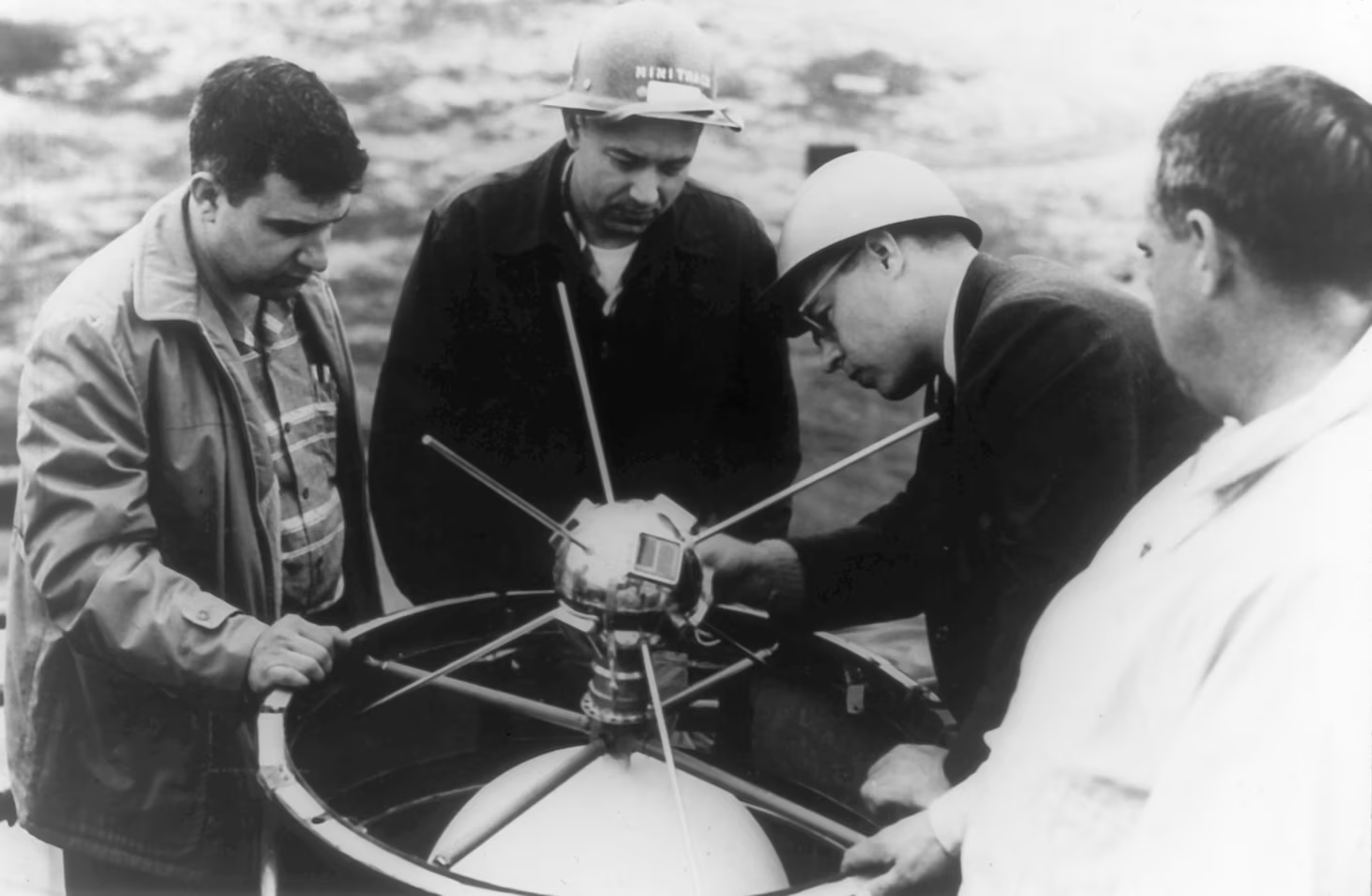
How the U.S. Navy's Vanguard rocket became a Cold War icon, launched the world's oldest satellite still in orbit, and laid the groundwork for NASA's space exploration efforts.
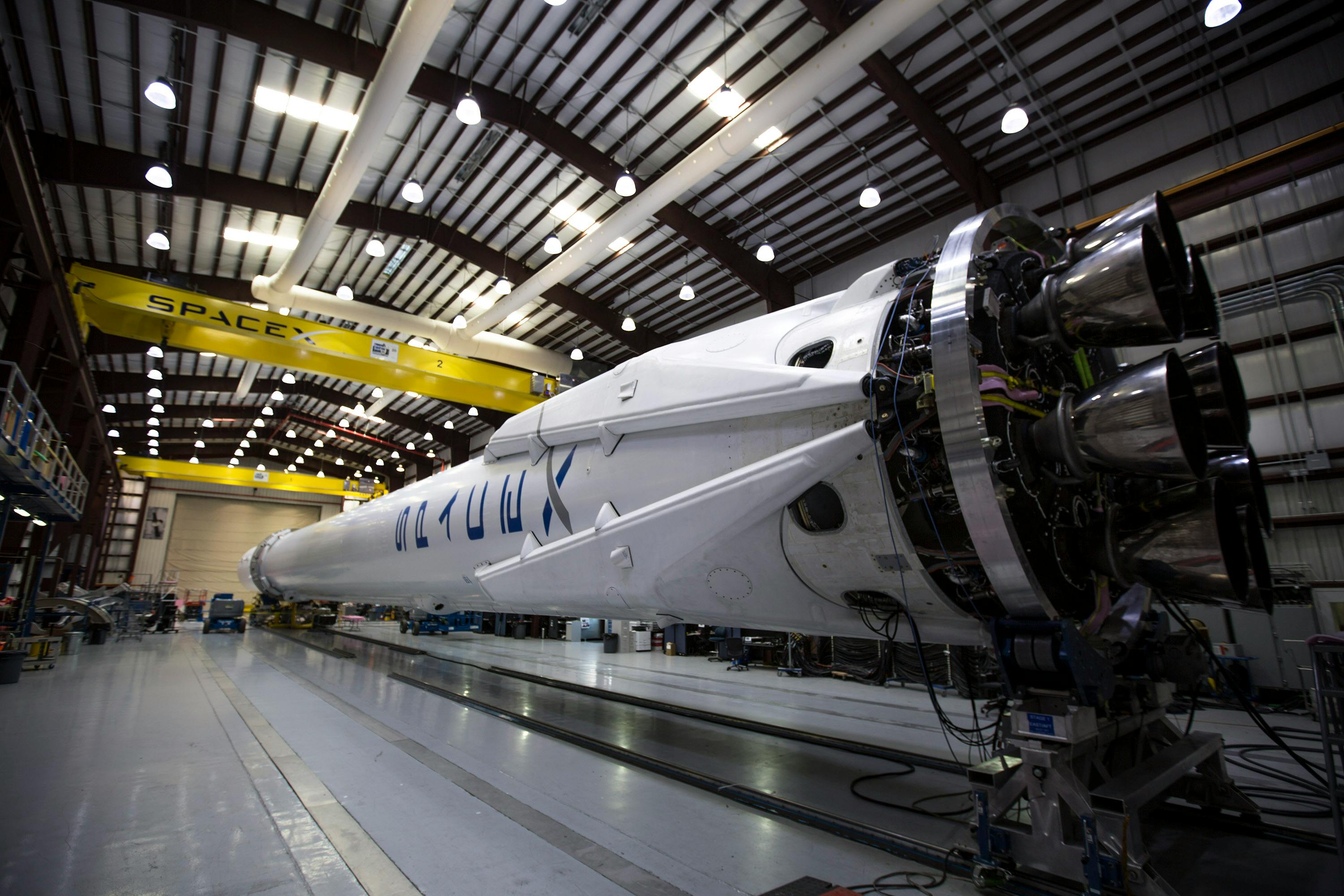
SpaceX continues to innovate as it nears peak Falcon 9 launch rates while refining technologies pivotal for future Mars missions.
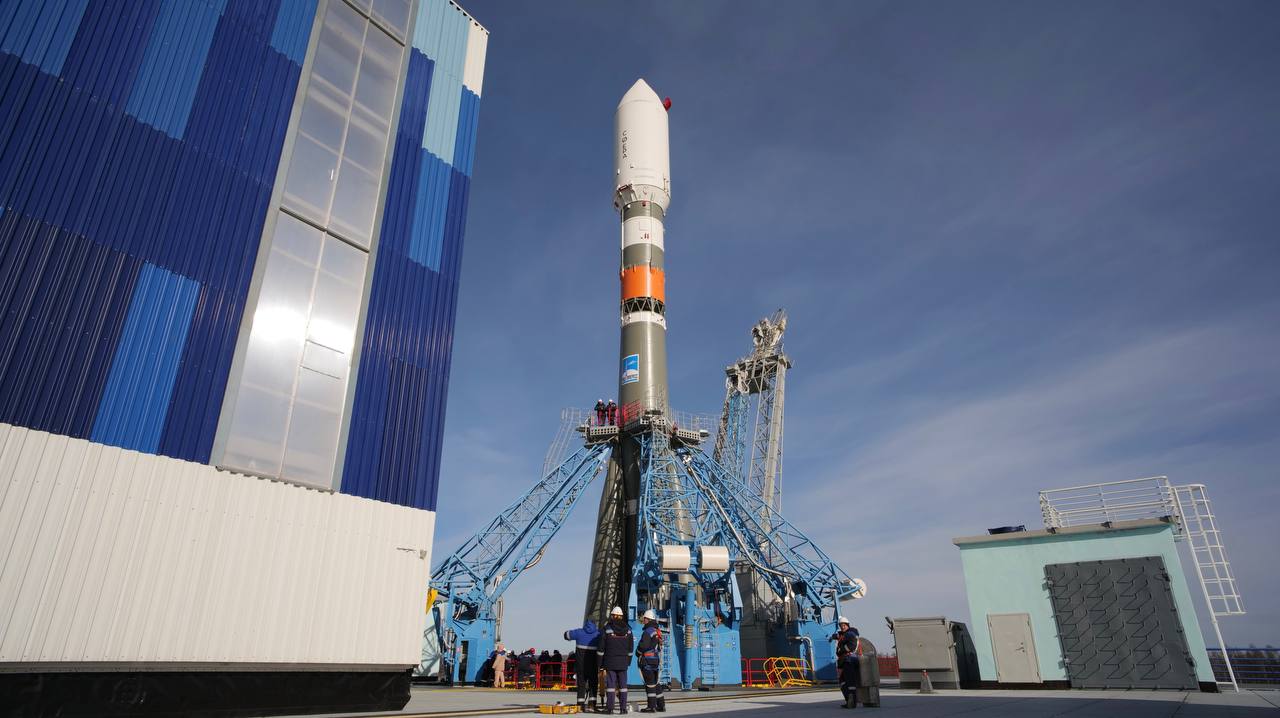
Today's Space Brief focuses on multi-billion dollar contracts for missile-tracking satellites, developments in optical nuclear clock research, and innovative drone projects for military collaboration.

SpaceX delays the launch of 23 Starlink satellites due to geomagnetic storm concerns, adjusting the schedule for an upcoming Falcon 9 mission.

SpaceX Starlink launch cadence 2026: missions 26 and 27 lift off 37 minutes apart on March 13, with 25 and 29 satellites per Falcon 9, 54 in one morning.