


The Day Humanity Broke Its Last Tether to Earth
Forty-one years ago, astronaut Bruce McCandless II became the first human to float completely free in space, pushing the boundaries of both technology and human courage



Launch Date
June 25, 2006
Launch Site
Launch Pad
LC90/20
Launch Vehicle
Tsiklon-2
NORAD ID
32949
International Designator
2006-026HC
Decay Date
5/29/2008
Name
COSMOS 2421 DEB
Alternative Name
deb Kosmos-2421
Type
Status
Owner
KVR
Country
Russia
Constellation
N/A
Related Satellites
Major Events
N/A
Length
0
Diameter
0
Span
0
Dry Mass
0
Launch Mass
0
Shape
N/A
Radar Cross Section
0.0196
Visual Magnitude
Unknown
Color
Unknown
Material Composition
Unknown
Payload
Unknown
Purpose
Unknown
Mission
Unknown
Manufacturer
ARSL
Life Expectancy
Unknown
Bus
Unknown
Configuration
Unknown
Motor
Unknown
Equipment
Unknown
Power System
Unknown
ADCS
Unknown
Transmitter Frequency
Unknown
Learn more about satellites and other related topics.
Forty-one years ago, astronaut Bruce McCandless II became the first human to float completely free in space, pushing the boundaries of both technology and human courage
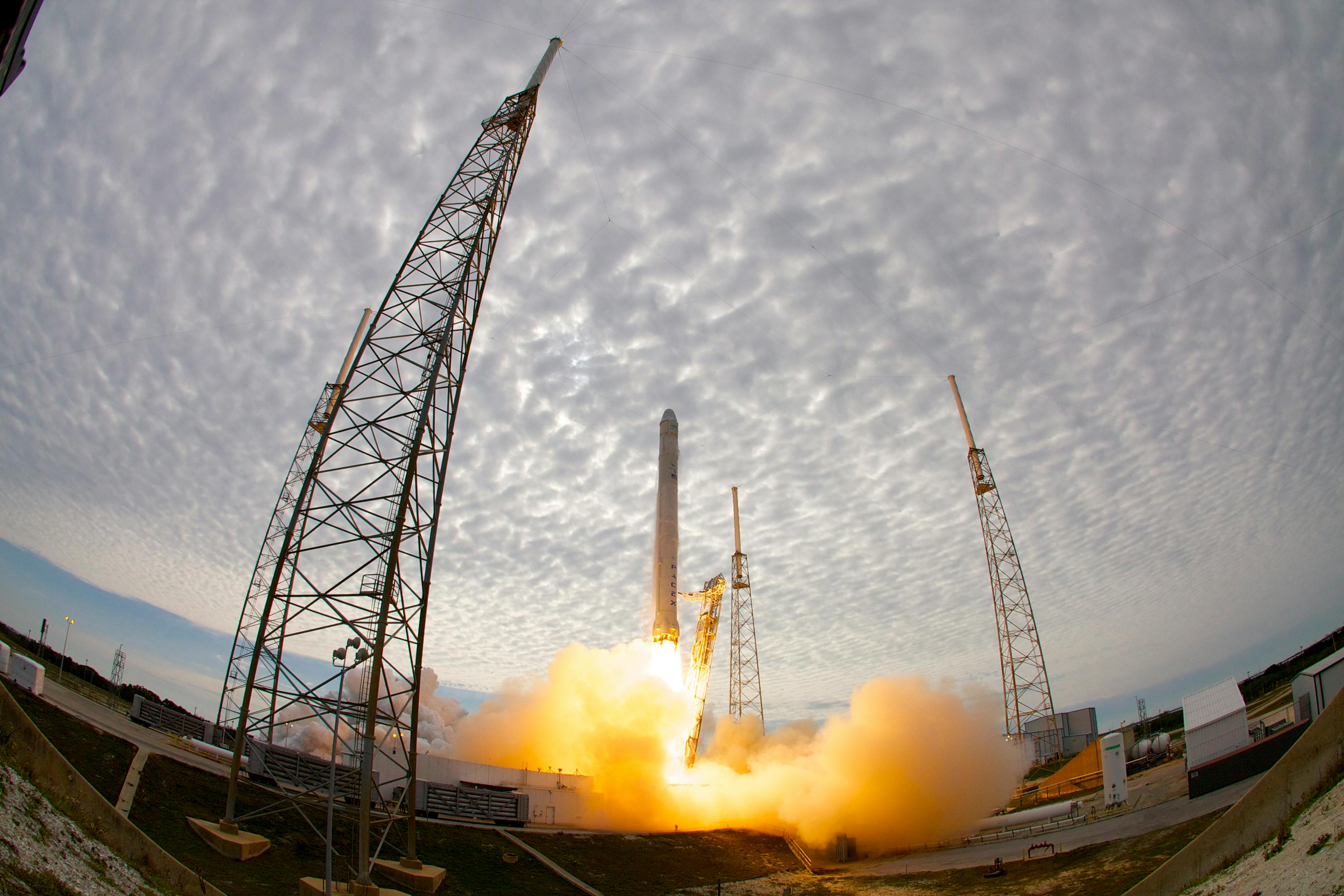
SpaceX successfully launches two lunar landers and clears another milestone with Transporter-12 rideshare mission.
Super heavy-lift rockets are the most powerful launch vehicles ever built. They can send humans and cargo to the Moon, Mars, and beyond. But what are they, and why are they so important?
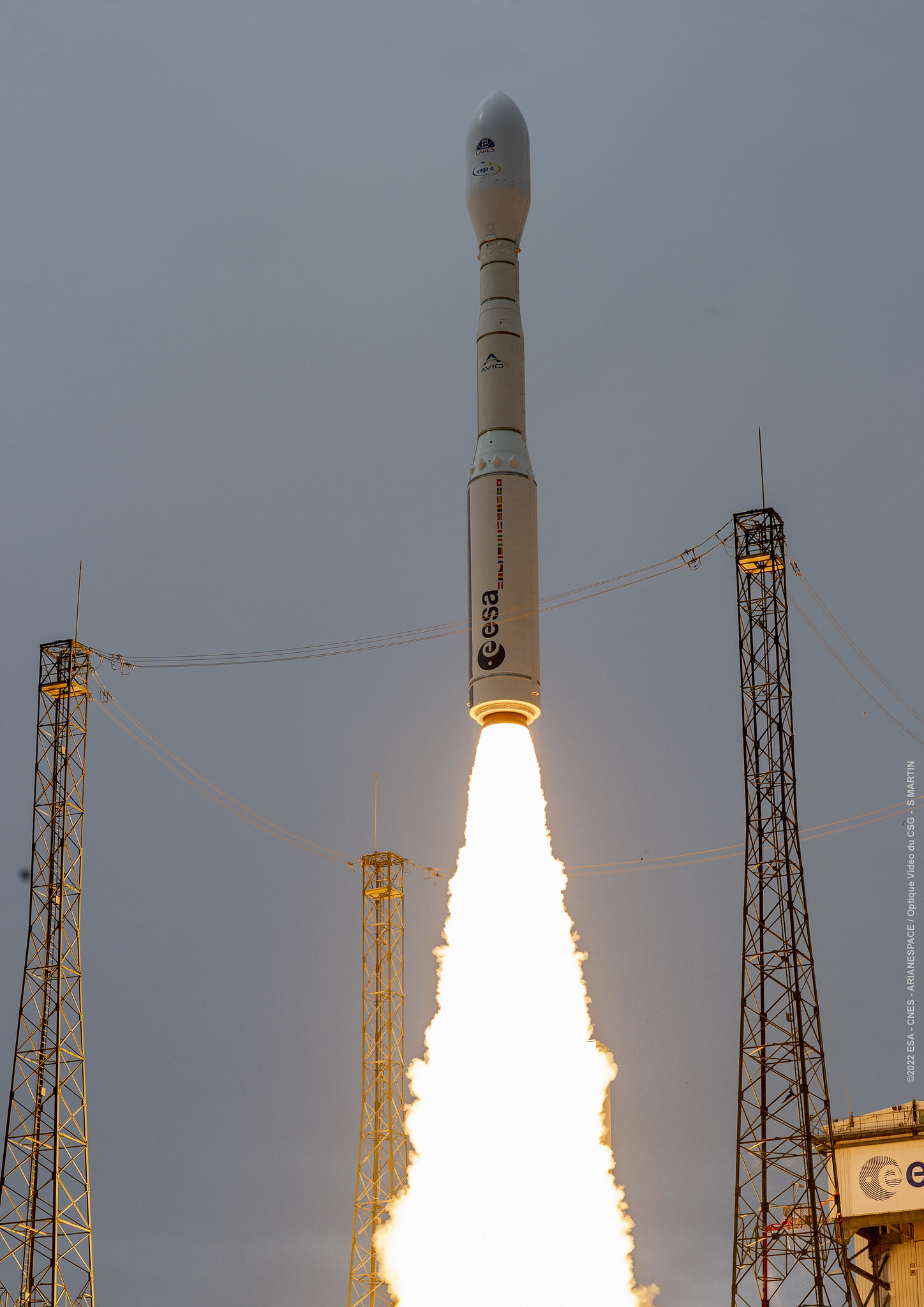
Today's briefing covers the largest-ever spectrum sharing demo planned by the Pentagon, innovative strategies for drone deployment in the Air Force, and significant military procurement developments.
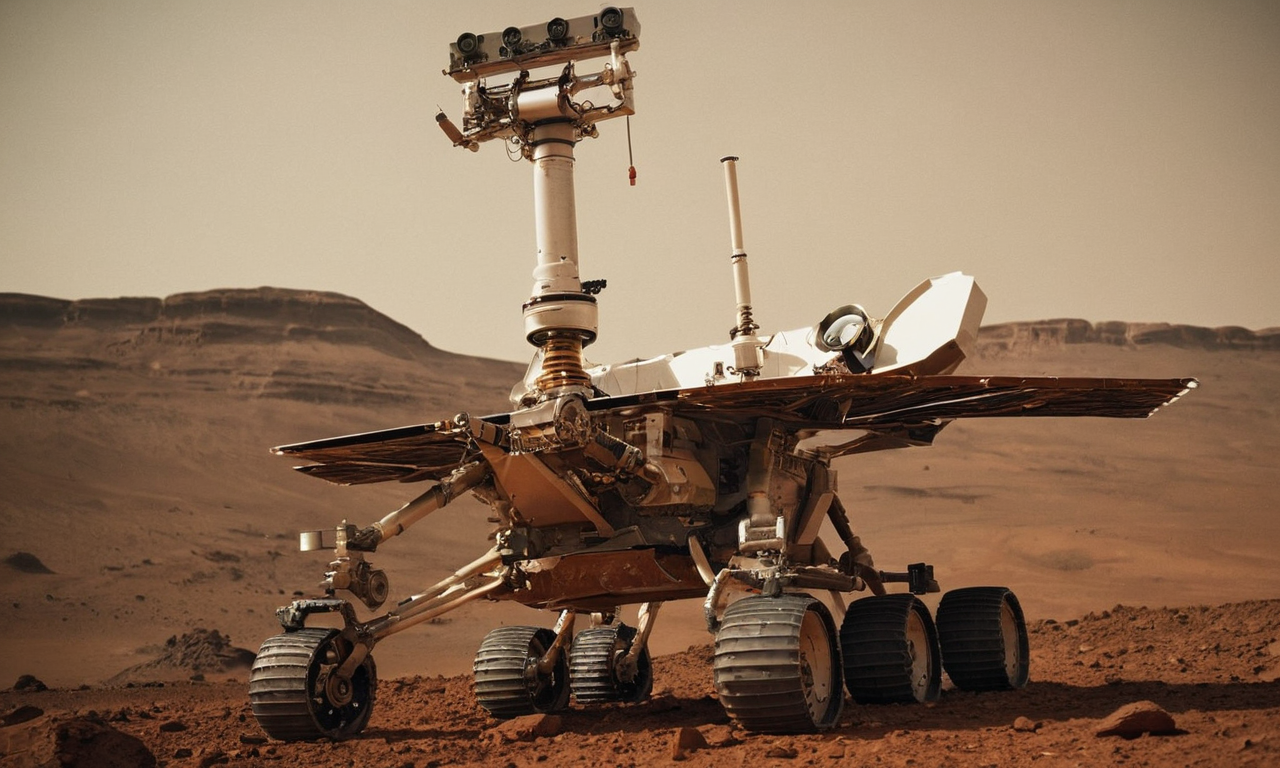
Twenty-one years ago, a golf cart-sized rover bounced to a stop inside a small crater on Mars, beginning one of the most remarkable chapters in space exploration history

Current number of Starlink satellites in orbit April 2026: 10,168 working of 10,177 tracked, 11,724 launched. Fleet health tops 99.9%.
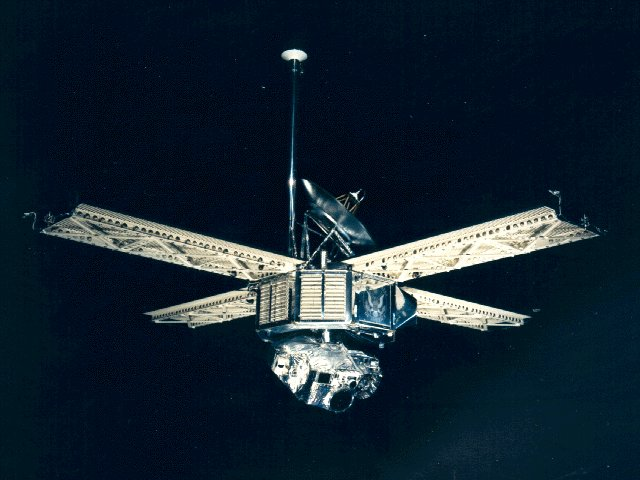
Fifty-six years ago, a revolutionary spacecraft launched toward the Red Planet after being saved from disaster by two quick-thinking technicians who risked their lives to prevent a rocket collapse
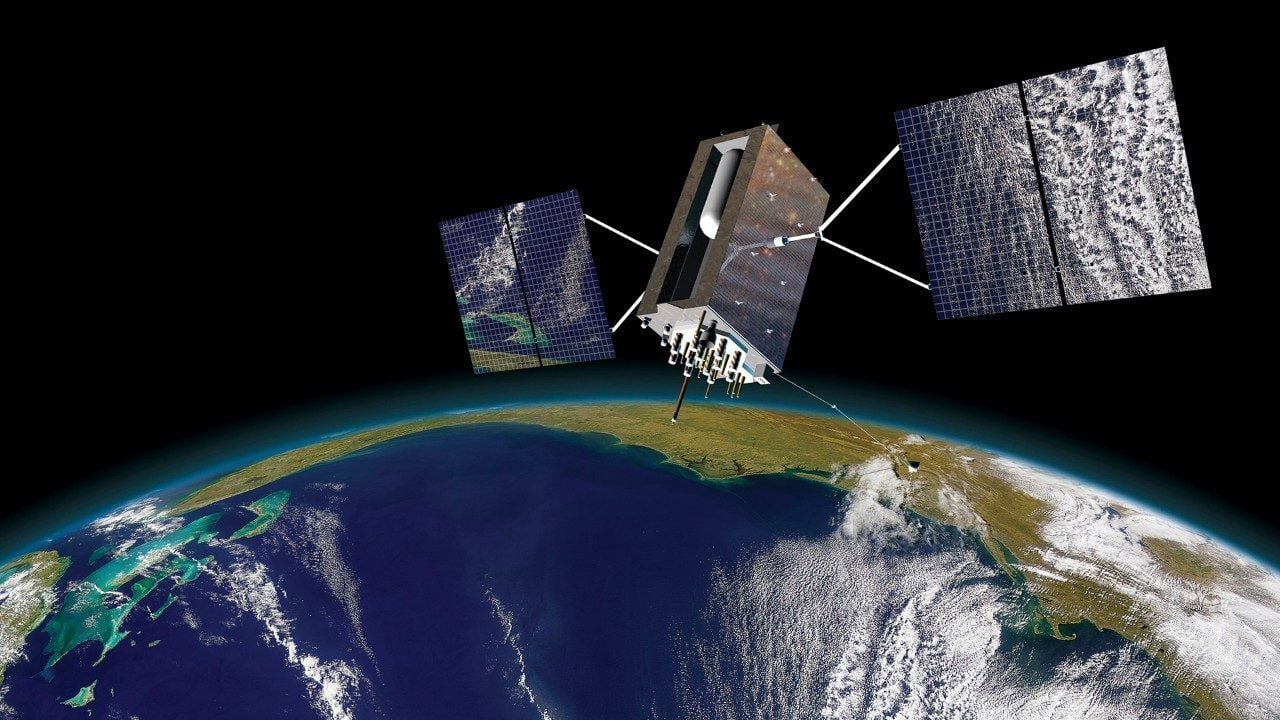
On April 17, 2026, the U.S. Space Force officially cancelled the Next Generation Operational Control System after sixteen years of development, cost overruns, and testing failures. The $8 billion program was supposed to unlock the military's encrypted GPS signal. Instead, the satellites are flying with capabilities the ground can't command.