WESTFORD NEEDLES (03252)

COSPAR: 1963-014BS | Alt Name: West Ford dipoles
DECAYED

Image
WESTFORD NEEDLES Satellite Image
Additional Sources
Launch Details

Launch Date

May 9, 1963

Launch Site

AFWTR

Launch Pad

LC1-2

Launch Vehicle

Atlas Agena B

Orbital Elements

NORAD ID

03252

International Designator

1963-014BS

Decay Date

5/30/1973

Basic Satellite Info

Name

WESTFORD NEEDLES

Alternative Name

West Ford dipoles

Type

Debris

Status

Space Junk

Owner

AFSSD

Country

United States

Constellation

N/A

Related Satellites

Major Events

N/A

Summary
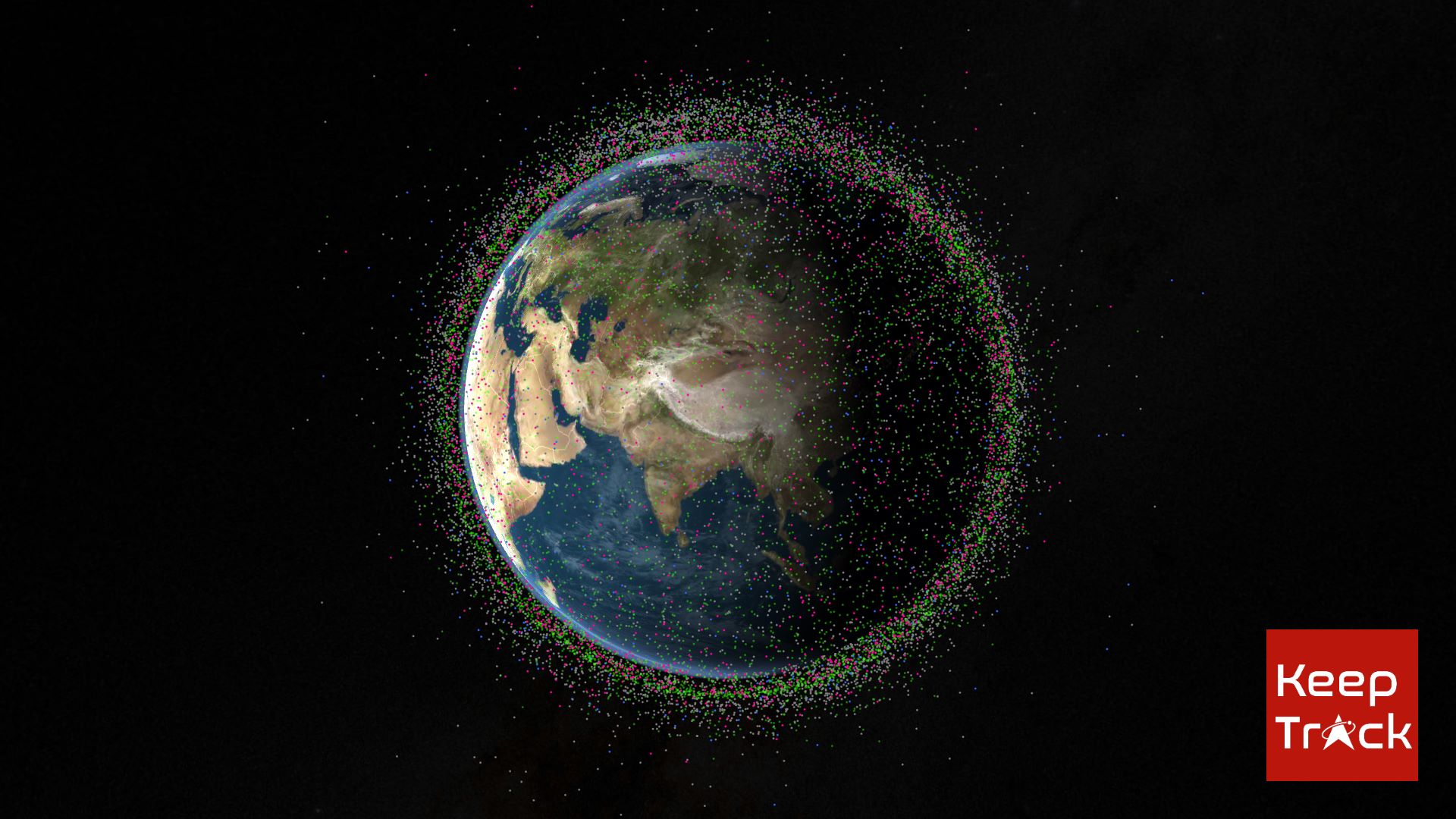
Space debris, also known as space junk, encompasses all non-functional objects orbiting Earth such as defunct satellites, spent rocket stages, and fragments from collisions or disintegrations. Over time, this debris can accumulate and create an increasingly hazardous environment in orbit. Even tiny fragments, traveling at extremely high velocities, can inflict significant damage on operational satellites and spacecraft. If left unmanaged, the density of debris raises the risk of catastrophic collisions and further fragmentation, compounding the problem and threatening the safety and sustainability of space activities.
Physical Characteristics

Length

0

Diameter

0

Span

0

Dry Mass

0

Launch Mass

0

Shape

N/A

Radar Cross Section

Unknown

Visual Magnitude

Unknown

Color

Unknown

Material Composition

Unknown

Technical Details

Payload

Unknown

Purpose

Unknown

Mission

Unknown

Manufacturer

Unknown

Life Expectancy

Unknown

Bus

Unknown

Configuration

Unknown

Motor

Unknown

Equipment

Unknown

Power System

Unknown

ADCS

Unknown

Transmitter Frequency

Unknown

Satellite Articles

View All Posts »

Learn more about satellites and other related topics.

AI Outperforms Human Planners in Air Force Battle Management Test | KeepTrack Space Brief

AI Outperforms Human Planners in Air Force Battle Management Test | KeepTrack Space Brief

AI tools outperform human planners in Air Force battle management experiment. DARPA pursues quantum computing interoperability. Canada's Atlantic Spaceport Complex gets environmental approval.

The Day NASA Chose Its First Space Pioneers

The Day NASA Chose Its First Space Pioneers

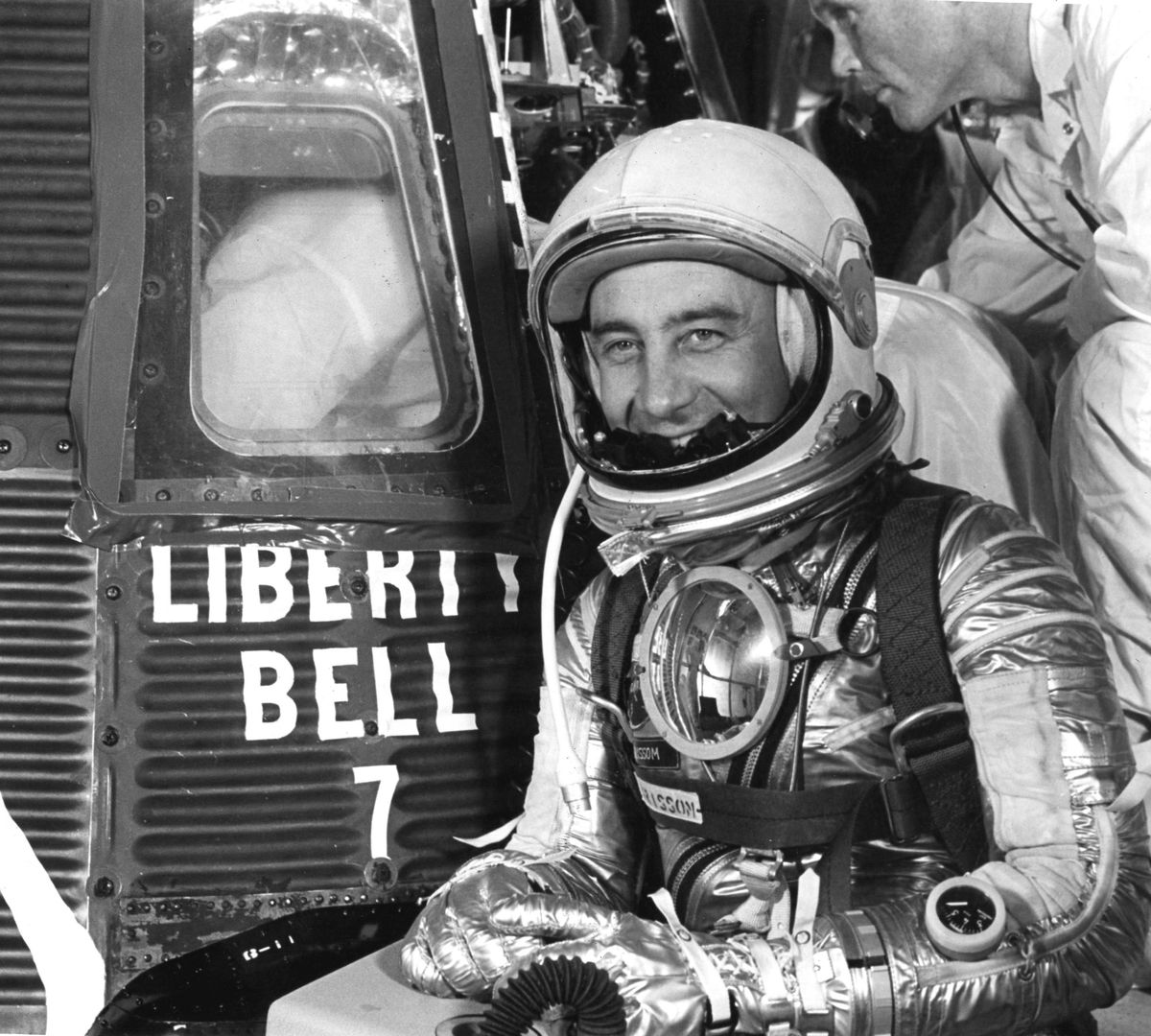
Sixty-four years ago, NASA made a decision that would shape the future of human spaceflight by selecting three astronauts to compete for America's first journey into space

The Rocket That Refused to Sink

The Rocket That Refused to Sink

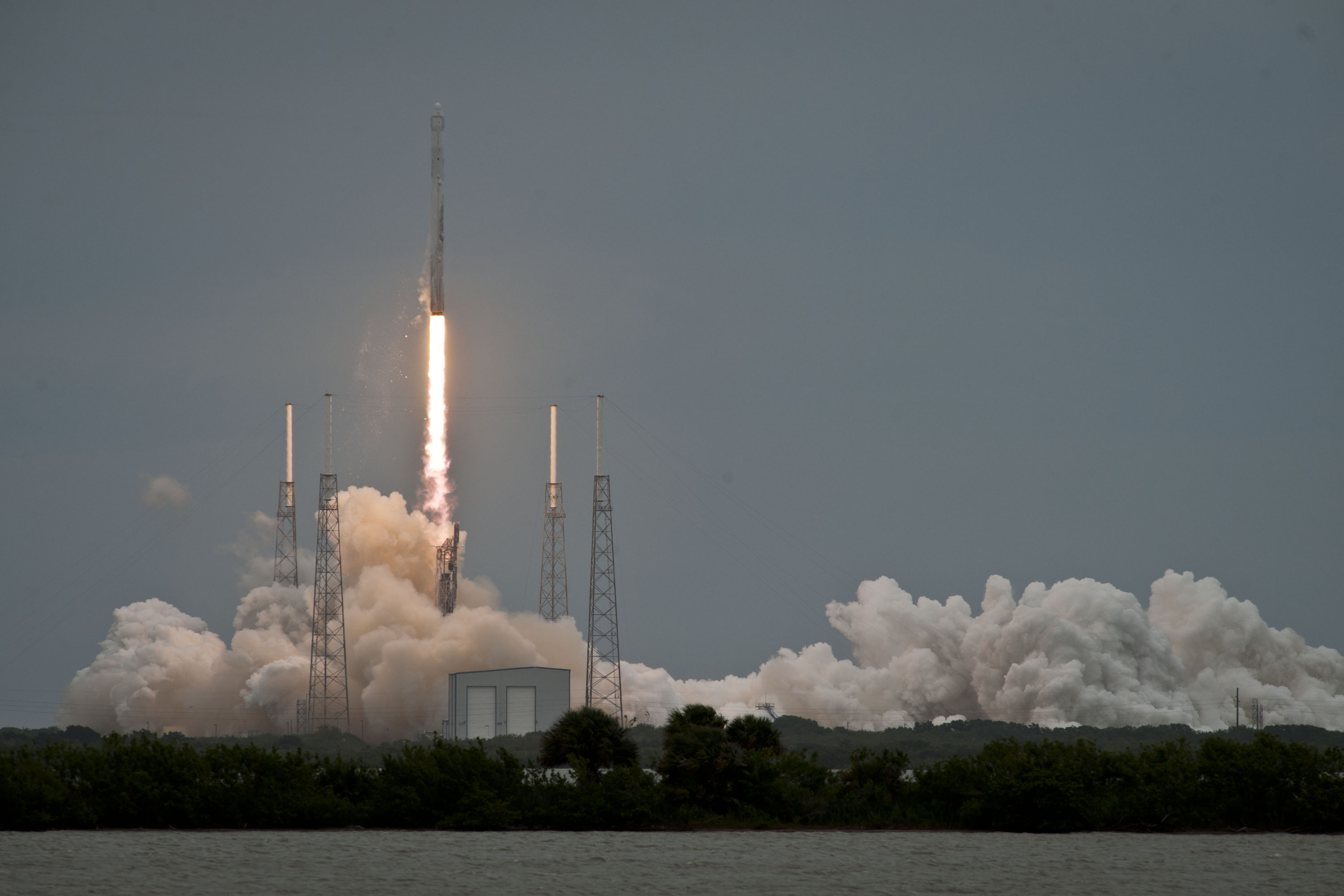
On April 18, 2014, a Falcon 9 first stage did something no orbital rocket had ever done before. It fired its engines on the way down, steered itself through the atmosphere using grid fins that did not yet exist, and touched the Atlantic Ocean softly enough to survive the impact. Nobody recovered it. The data was the whole point.

Pentagon Pulls the Plug on GPS OCX | The $8 Billion Ground System That Never Worked

Pentagon Pulls the Plug on GPS OCX | The $8 Billion Ground System That Never Worked

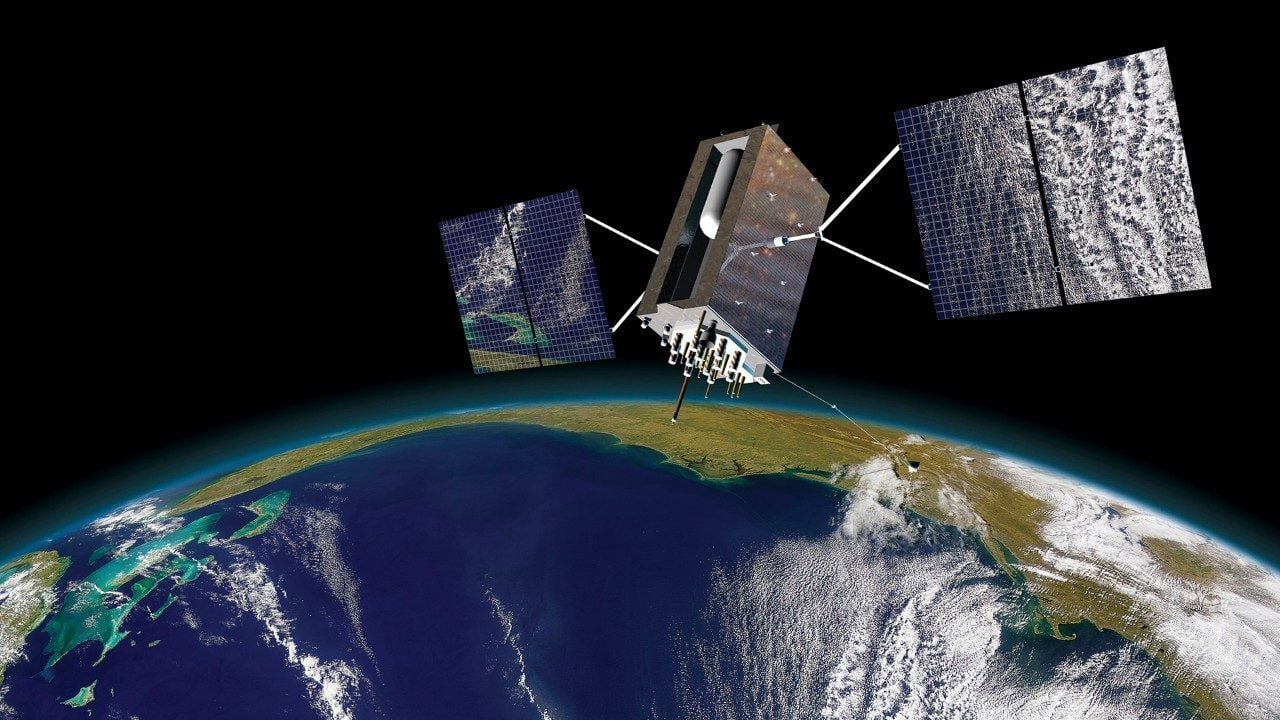
On April 17, 2026, the U.S. Space Force officially cancelled the Next Generation Operational Control System after sixteen years of development, cost overruns, and testing failures. The $8 billion program was supposed to unlock the military's encrypted GPS signal. Instead, the satellites are flying with capabilities the ground can't command.

The Day That Changed Spaceflight Forever

The Day That Changed Spaceflight Forever

Thirty-nine years ago, the loss of Space Shuttle Challenger and its seven crew members forever transformed our approach to spaceflight safety and risk management

Starship V3 Flight 12 Succeeds Despite Engine Shutdown | KeepTrack X Report

Starship V3 Flight 12 Succeeds Despite Engine Shutdown | KeepTrack X Report

Starship V3 completed Flight 12 on May 22 despite one vacuum Raptor shutting down early, with SpaceX's IPO filing revealing bold Starlink Mobile ambitions.

Starship Barge Spotted for Component Transport to Kennedy Space Center | KeepTrack X Report

Starship Barge Spotted for Component Transport to Kennedy Space Center | KeepTrack X Report

Starship transport barge identified for shipping components from Starbase to Kennedy Space Center. Starlink's 2025 report shows 4.6M new customers and expansion to 35 new regions.

Low Earth Orbit (LEO)

Low Earth Orbit (LEO)

The bustling downtown of space: where most satellites operate, communication networks bloom, and the challenges of atmospheric drag and radiation shape our approach to space operations